
10 Eerie Arizona Roads Locals Refuse To Drive Once The Sun Goes Down This October
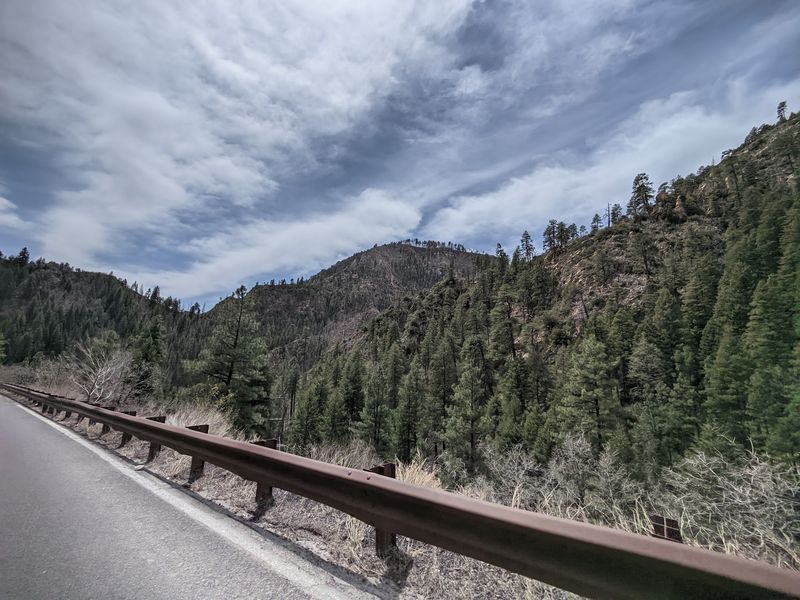
October nights in Arizona bring cool air, bright stars, and a few roads that suddenly feel a lot less friendly. By day, these routes serve up canyon views, pine forests, and old mining history.
After sunset, sharp curves, empty stretches, and spooky legends turn them into places many locals would rather skip. Here are 10 routes worth driving in daylight, plus the stories that keep people off them once the dark rolls in.
1. Apache Trail
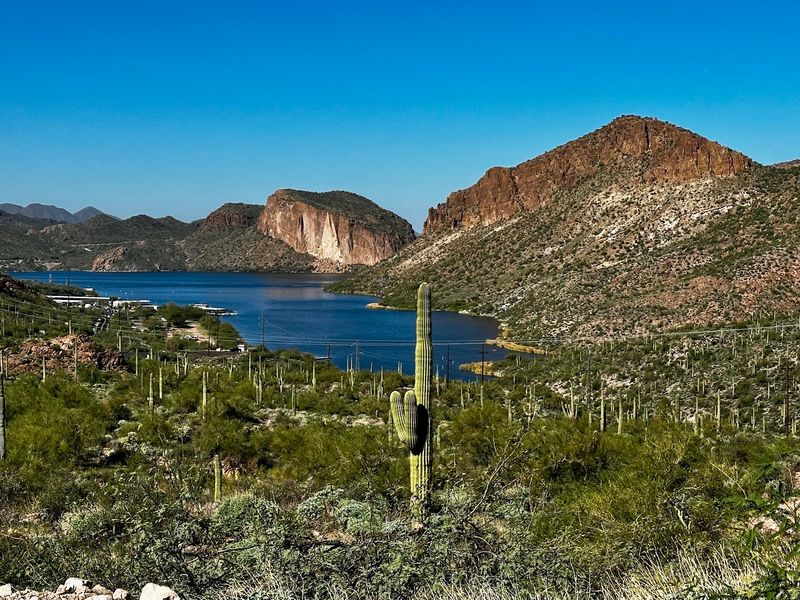
Sheer cliffs, loose gravel, and not a guardrail in sight. That sums up the unpaved stretches of the Apache Trail, a scenic mountain road that cuts through the Superstition Mountains inside Tonto National Forest.
Near Apache Junction and the tiny outpost of Tortilla Flat, the route starts off friendly enough. Then it climbs into rugged terrain packed with isolated switchbacks and steep drop-offs that demand full attention even at noon.
Once the sun slips behind the peaks, every blind corner becomes a guessing game.
The Superstitions have always had a mysterious side. Tales of the Lost Dutchman Gold Mine have drawn treasure seekers here for well over a century, and plenty of locals swear the mountains feel like they are watching.
Add in deep shadows, rocky ravines, and zero streetlights, and it is easy to see why folks who know the area wrap up their drives before dusk.
For a memorable October outing, go early in the day. Pack snacks, fill the tank, and pull over at safe spots to take in the canyon views.
Just check current road conditions first, since sections can close after storms or for repairs. Leave the nighttime version to the legends.
2. Coronado Trail, Clifton, AZ
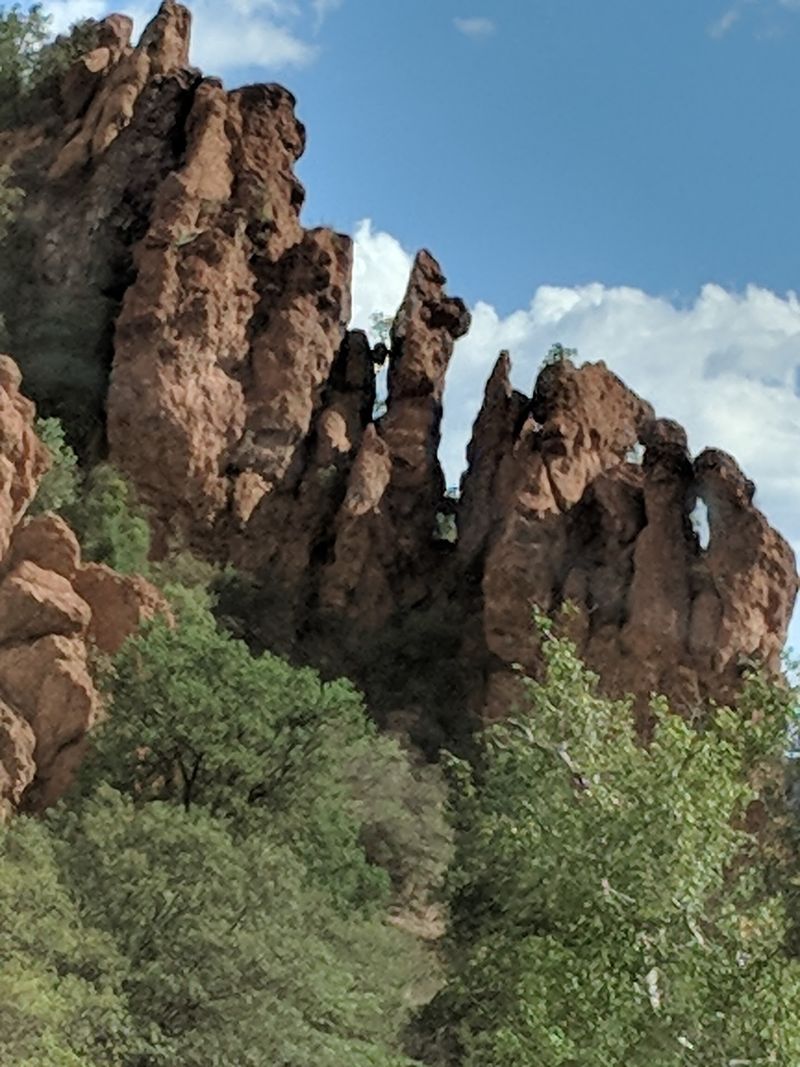
Six-six-six. For years, that number was stamped on the signs along this road, and some drivers still call it the Devil’s Highway.
Today it carries the tamer label of US Route 191, but the Coronado Trail near Clifton has never quite shaken its spooky reputation.
Motorcyclists rank it among the best rides in the country, and for good reason. The highway twists through eastern Arizona mountains with rugged overlooks, tight curves, and long climbs that feel almost endless.
It is a stunning drive, and the kind that can easily eat up a full day.
Nightfall changes everything. The route runs through remote country with few towns and plenty of hairpins.
Legends from the old Route 666 days tell of a dark sedan that seems to charge at travelers before vanishing into the night, plus strange lights and eerie sightings along lonely stretches. Whether you believe the tales or not, the real challenge is the road itself.
October is a beautiful month to go, with cooler air and changing trees at higher elevations. It is also a good fit for kids who enjoy big views.
Plan to finish before dark, and let the Devil’s Highway keep its secrets.
3. West Gates Pass Road
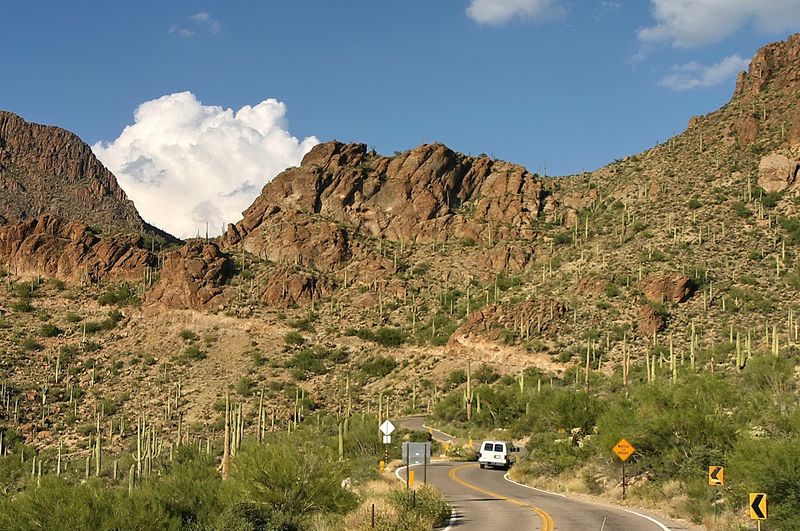
Tucson sunsets from Gates Pass are practically famous. Crowds gather at the overlook to watch the sky blaze orange over the saguaros, snap photos, and then head home.
The tricky part comes after that glowing show ends.
West Gates Pass Road crosses the Tucson Mountains along narrow crests, with sharp curves and sudden grade changes that can surprise newcomers. In daylight, it is a thrilling little drive through a forest of giant saguaro cactus.
At night, those same saguaros turn into tall, dark silhouettes that seem to lean toward your headlights.
Locals know the road well enough to respect it. The tight bends leave little room for error, and larger vehicles have long been discouraged from using the pass.
Once darkness settles over the desert, drop-offs disappear, and the twisting route feels much longer than it really is.
Here is a smart way to enjoy it. Arrive early enough to park safely, soak in the sunset, and head back while there is still some light in the sky.
October evenings are mild and pleasant, which makes it an easy and free outing. Just skip lingering too long, unless you enjoy cactus shadows following you around every curve.
4. Vulture Mine Road
Gold built Wickenburg, and Vulture Mine Road leads right back to where it all started. This public road stretches out of town into desolate desert, ending near the weathered ghost town ruins tied to one of Arizona’s richest historic gold strikes.
By day, it is a fascinating trip into mining history. Crumbling buildings, rusty equipment, and wide open desert tell the story of a boom town that faded long ago.
Many history lovers make the drive just to imagine life in the 1800s gold rush days.
After dark, the mood shifts fast. The road has few lights and even fewer neighbors, and the old mining camp has a spooky reputation.
Stories tell of odd sounds, sudden cold spots, and shadowy figures around the old structures. Folks in Wickenburg tend to smile about the legends, yet many still prefer to travel this lonely stretch while the sun is up.
Fun fact: Wickenburg is known as a classic Old West town with a relaxed, affordable feel, which makes it a great base for a day trip. Explore the history, grab a bite in town, and be back on the highway well before the desert goes dark.
5. Bloody Basin Road
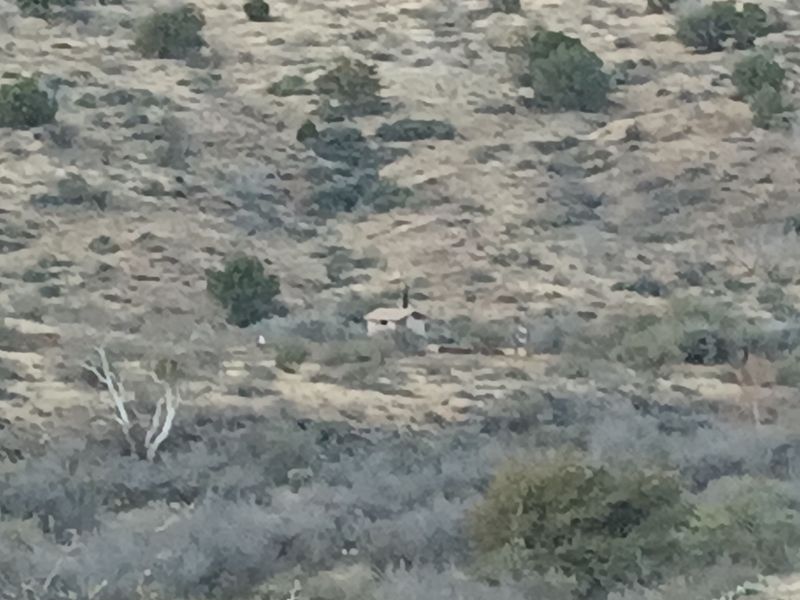
With a name like Bloody Basin, nobody expects a cheerful drive. Tucked into rural Yavapai County, this unpaved backcountry road winds through the Agua Fria National Monument, and its title comes from frontier clashes that happened in these rugged canyons long ago.
Picture miles of dirt, rocks, and high desert with barely a sign of modern life. The road has no lights, very little traffic, and long stretches where cell service simply vanishes.
Ancient ruins sit scattered across the monument, reminders that people lived here centuries before any road existed.
During daylight, the scenery is honestly stunning. Rolling grasslands, deep canyons, and huge skies make it a favorite for adventurous drivers with sturdy, high-clearance vehicles.
At night, however, the isolation feels heavy, and the quiet can be almost too quiet. A flat tire out here after sunset is nobody’s idea of fun.
October brings cooler temps that make exploring far more comfortable. Pack plenty of water, a spare tire, a paper map, and tell someone your plans.
Then head out early, enjoy the wide open views, and turn back while the light holds. Some roads earn their spooky names, and this one clearly takes pride in it.
6. Schnebly Hill Road
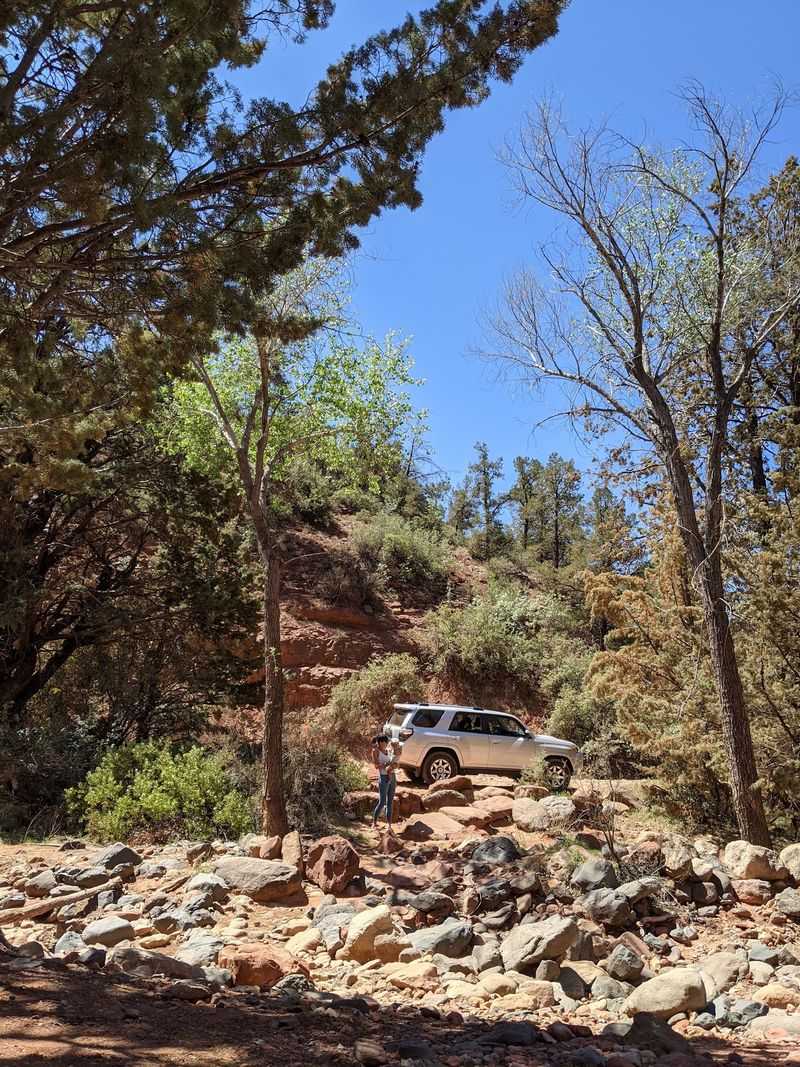
Red rocks glowing like embers, then long shadows creeping across the canyon. Sunset on Schnebly Hill Road in Sedona is gorgeous, and it is also the moment locals start thinking about heading back down.
Built as a historic route out of Sedona, the road climbs steeply through red rock canyons on a primitive, unpaved surface. Boulders, ruts, and rough patches make it a slow crawl, even for high-clearance vehicles.
Most people move at a walking pace in spots, which gives plenty of time to take in the views.
Sedona folklore adds another layer. Legend tells of a Phantom Bride in a tattered wedding gown who appears near the switchbacks as twilight settles, only to vanish when anyone gets close.
True or not, the tale fits a road where canyon shadows play tricks on the eyes.
A daytime trip is the best way to enjoy it. Go early in October when temperatures are pleasant, and consider a guided jeep tour if your vehicle is not built for rocky terrain.
Stop at pullouts for photos of the canyon walls. Then let the bride have the road to herself once the stars come out.
7. Catalina Highway
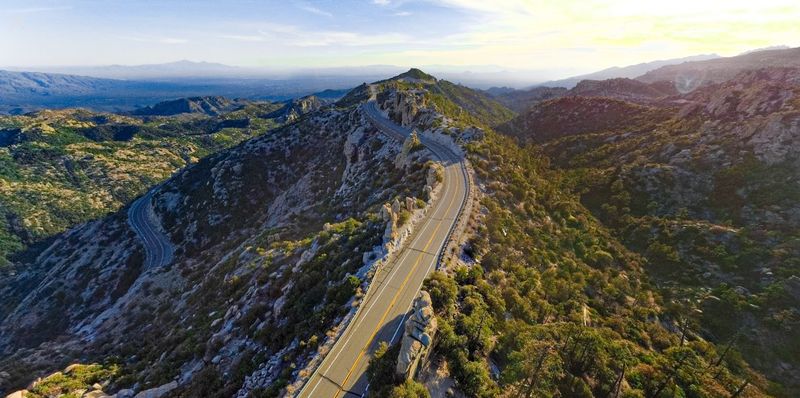
Cactus at the bottom, pine trees at the top. Few drives in Arizona pack as much change into one climb as the Catalina Highway, the paved mountain road that carries Tucson residents up Mount Lemmon.
The route features sweeping switchbacks and big elevation gains, rising from desert floor into dense forest wilderness near the summit. It is a favorite escape for families craving cooler air, and October often brings crisp temperatures and hints of fall color up high.
Daytime views over the city and rock formations are simply breathtaking.
So why do locals avoid it after dark? Those curves never let up, and wildlife can wander onto the road without warning.
Fog and shadows gather in the forested upper stretches, making the trees feel much closer than they are. Coming down in the dark means riding the brakes around bend after bend, with the glow of Tucson flickering far below.
A better plan is to head up in the morning, explore the tiny mountain village of Summerhaven, and enjoy a picnic among the pines. Pack a jacket, since it can feel much colder up top.
Start your descent before sunset, and you will get all the magic without the white knuckles.
8. Perkinsville Road
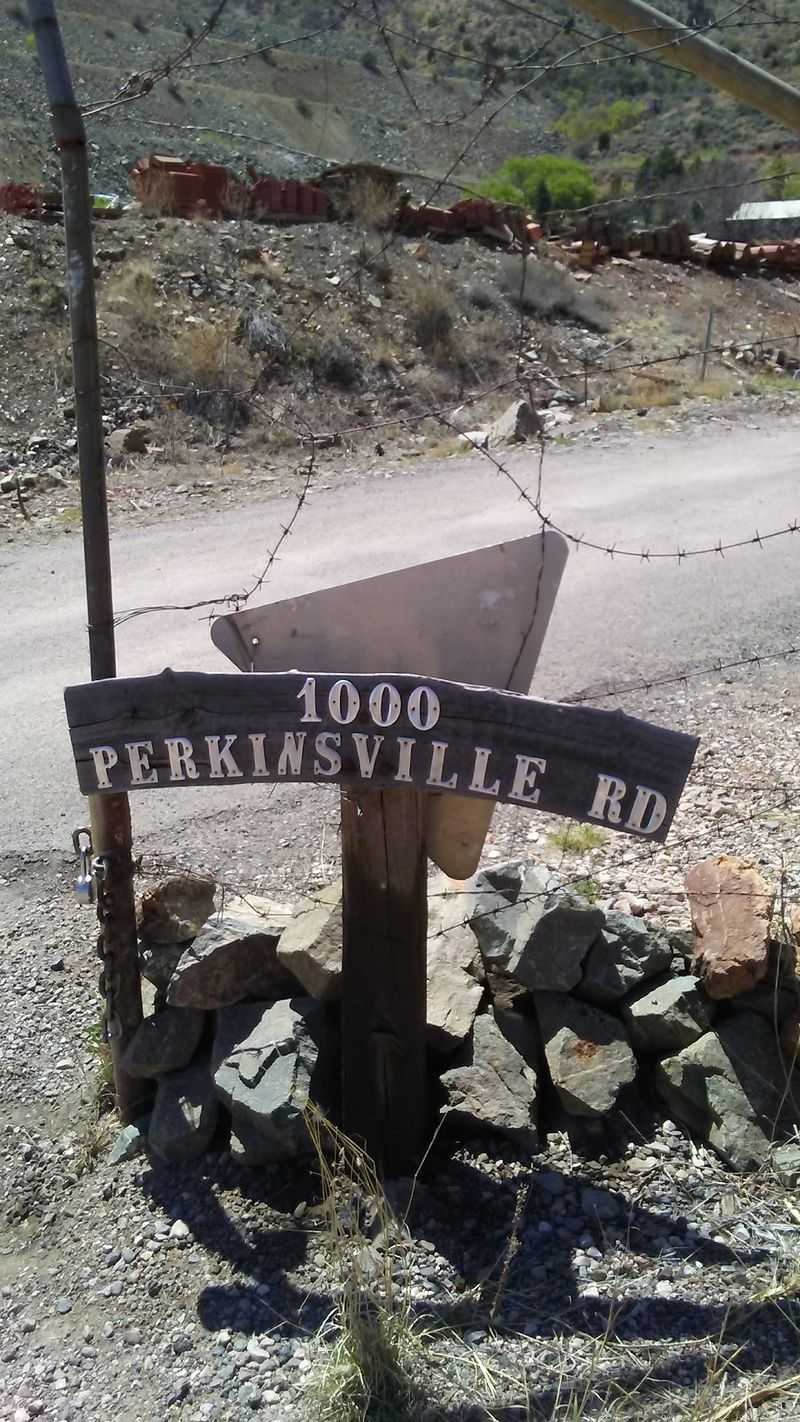
Blink and you might miss Perkinsville entirely. This historic ghost crossing sits along Perkinsville Road, a remote, unpaved route that links the Verde Valley with Chino Valley in Yavapai County.
The road serves as a rural shortcut for those who know it, running through quiet canyon country far from busy highways. Along the way, the scenery feels wonderfully untouched, with open range, rocky hills, and the kind of silence city folks rarely hear.
Perkinsville itself carries the charm of an old railroad and ranch stop that time seems to have forgotten.
That remoteness is exactly why locals give it a pass at night. There are no streetlights, few homes, and long gaps between any help if something goes wrong.
Washboard dirt, sudden dips, and roaming cattle can appear out of nowhere in the headlights. The emptiness that feels peaceful at noon feels much spookier at midnight.
For a relaxed October adventure, make it a daytime loop. Starting from Jerome or Chino Valley, drive slowly, bring water, and check conditions after rain, since the dirt can turn slick.
It is a free, quiet escape that feels like a secret. Just make sure you reach pavement before the sun disappears.
9. Arizona 89A
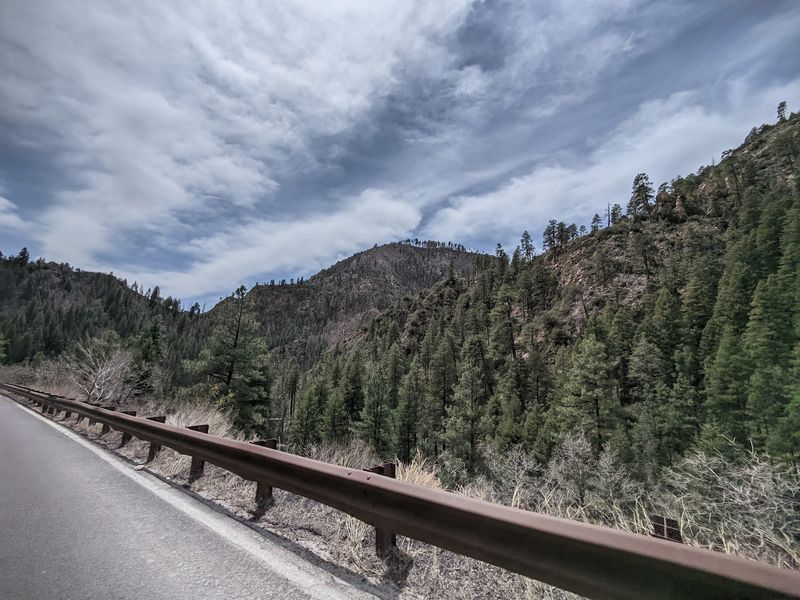
One highway, two very different personalities. Arizona 89A runs from Sedona to Flagstaff through picturesque Oak Creek Canyon, and another stretch climbs over Mingus Mountain past the old mining town of Jerome.
Oak Creek Canyon in October is a showstopper, with golden leaves, towering cliffs, and a creek sparkling beside the road. The switchbacks near the canyon’s north end are tight but thrilling.
Over on Mingus Mountain, the road wraps around steep slopes with cliffside hairpins, passing abandoned mine sites that hint at the area’s copper boom days.
Jerome adds to the eerie mood. Once called one of the wildest towns in the West, it now wears the title of a famous ghost town, complete with legends of spirits roaming old buildings.
Driving the mountain curves after dark, with steep drop-offs and faint lights glowing across hillsides, can feel a bit like entering a ghost story.
Local advice is simple. Enjoy 89A during daylight, when you can actually see the views that make it famous.
Stroll Jerome’s quirky shops, stretch your legs in Oak Creek Canyon, and time your mountain crossing well before nightfall. The ghosts will still be there next weekend.
10. Senator Highway
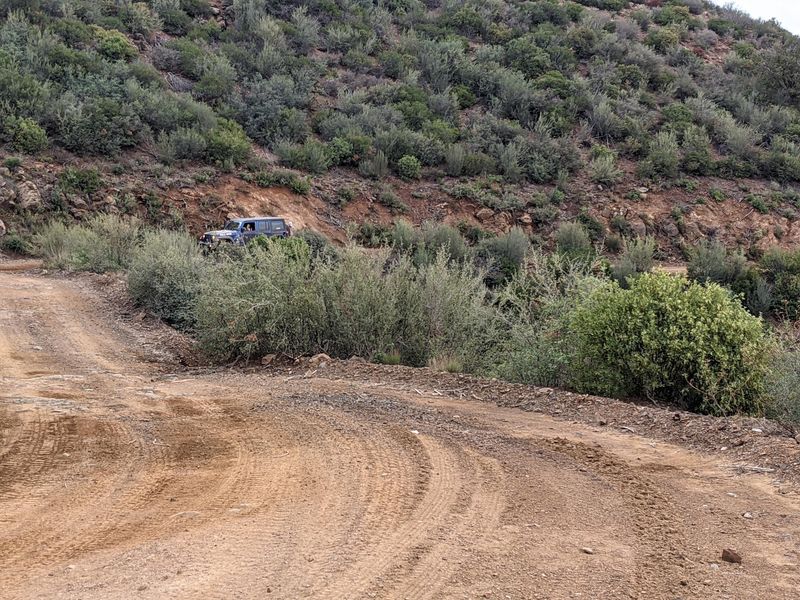
Pavement fades, the pines close in, and suddenly Prescott feels miles away. That is the magic, and the mystery, of Senator Highway, a historic mountain mining road leading into the Bradshaw Mountains.
Starting near town, the route begins smooth and easy. Then it gradually shifts into heavily wooded backcountry, turning rougher and narrower as it winds deeper into the mountains.
Old mining history is everywhere here, since this road once served camps and claims scattered across the Bradshaws during Arizona’s prospecting heyday.
During daylight, it is a lovely escape, especially in October when the air turns crisp and the forest smells fresh. At night, though, those dense trees block out moonlight, and the rugged dirt sections become tricky to navigate.
Tales of old mining camps and lonely cabins add a shiver to the silence. Most locals agree the forest simply feels different after dark.
Prescott is also a favorite among retirees for its mild weather and small-town charm, making it an easy home base. Take a morning drive, bring a high-clearance vehicle for the rougher stretches, and pack a lunch to enjoy among the pines.
Then head back to town before the shadows take over the woods.