
10 Michigan Towns So Overrun By Tourists That Locals Avoid The Center
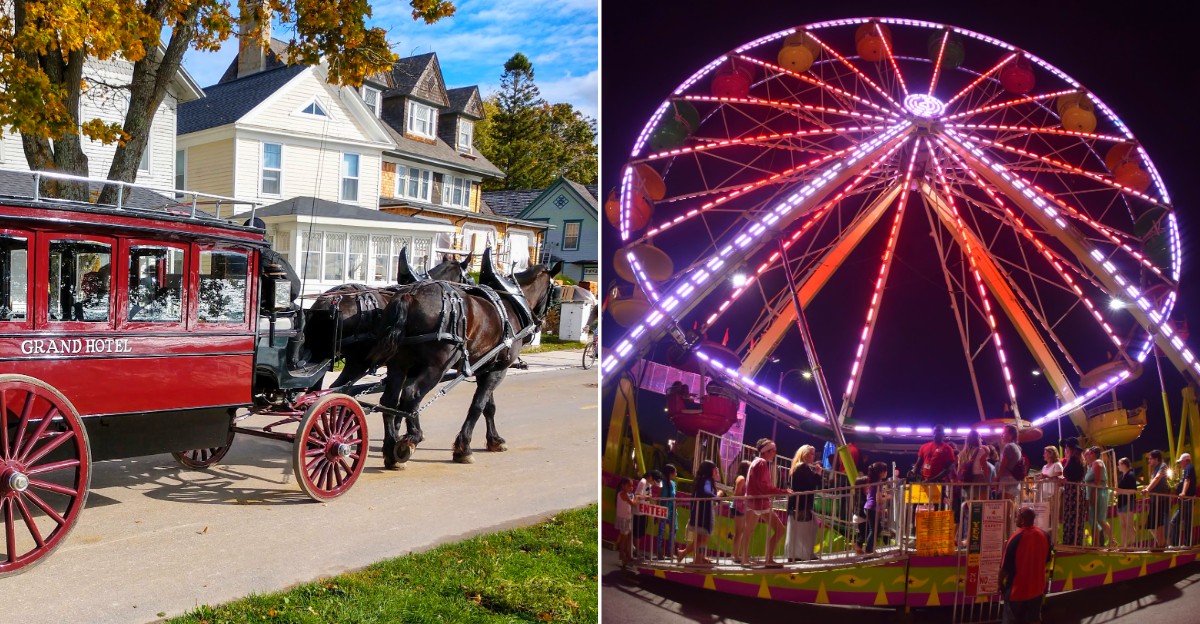
The fudge shops open at dawn. The horse-drawn carriages line up by nine. By noon, the main street in each of these towns belongs entirely to visitors carrying shopping bags and sunburns.
An island that prohibits automobiles still manages to pack its single road with bicycles and foot traffic from Memorial Day through October. A Bavarian-style village draws over three million visitors per year to a county with fewer than five thousand permanent residents.
Lakeshore towns with populations under ten thousand swell past capacity every July. The locals know which back roads to take.
They know which restaurants stay open past the tourist exodus in September. They know that the best time to visit their own downtown is a Wednesday in February when the storefronts are quiet.
Ten Michigan towns where tourists overrun the center every season prove that popularity comes with a cost, but the charm never fades entirely in Michigan.
10. Mackinac Island’s Car-Free Main Street
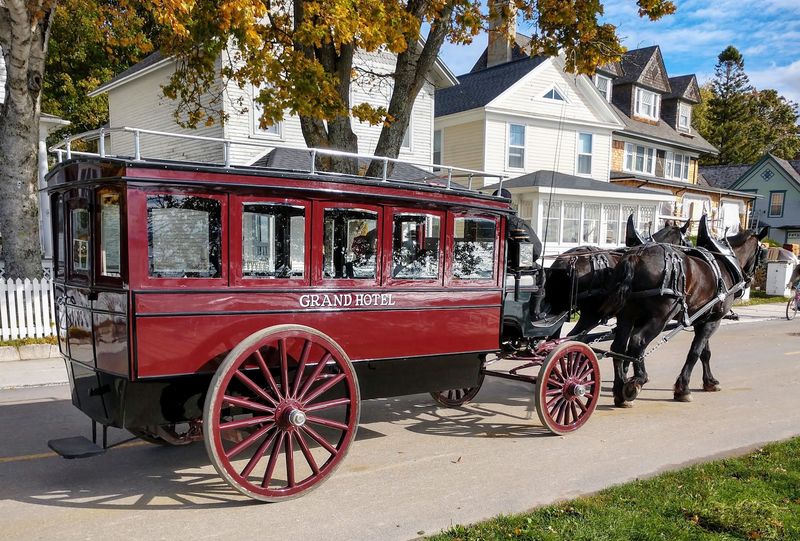
Mackinac Island manages to create traffic jams without allowing ordinary cars. Main Street absorbs ferry passengers, bicycles, horse-drawn carriages, pedestrians, delivery wagons, and shoppers during peak season, giving the compact downtown a kind of organized chaos unlike anywhere else in Michigan.
The island’s car ban dates to the late nineteenth century, and transportation still revolves around horses and bicycles today. More than 80 percent of the island is protected as Mackinac Island State Park, so the busiest waterfront blocks represent only a small portion of what visitors can actually explore.
That distinction becomes important in summer. Main Street, Fort Mackinac, fudge shops, carriage stops, and ferry docks can become intensely crowded, particularly during major weekends such as the Lilac Festival.
Walk a few minutes inland and the mood changes quickly. Trails, Arch Rock, Fort Holmes, British Landing, and interior roads offer considerably more space than the downtown corridor.
Overnight visitors get the biggest advantage. After the last large wave of day-trippers catches the ferry back to the mainland, Main Street becomes noticeably calmer.
That shift is part of Mackinac Island’s magic. During the day, it can feel like everyone in Michigan arrived at once.
9. Mackinaw City’s Busy Northern Gateway
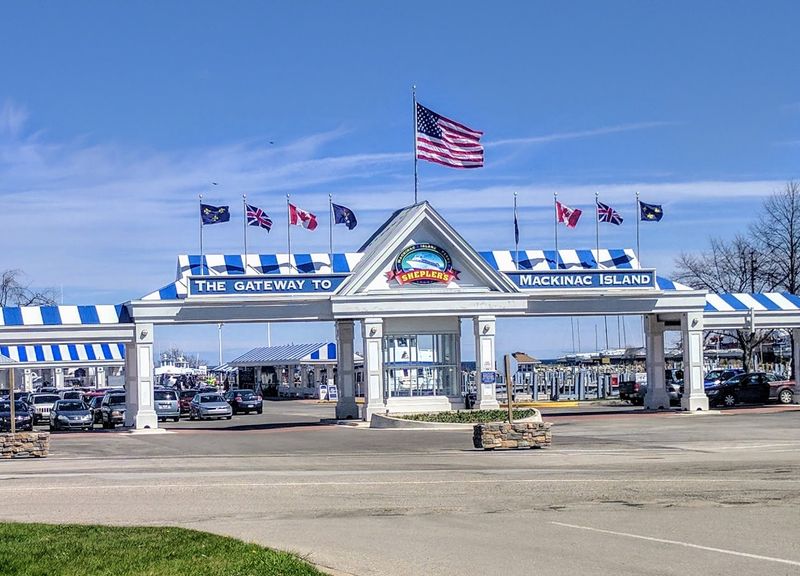
The bridge towers appear before Mackinaw City’s souvenir signs, signaling a town built around movement. Mackinaw City is small enough that summer traffic can change the entire personality of the village.
East Central Avenue funnels visitors toward ferry docks, souvenir shops, restaurants, hotels, the Mackinac Bridge, and attractions clustered within a few compact blocks.
That location explains the crowds. The village acts as a gateway to Mackinac Island, the Upper Peninsula, and the Straits, so many travelers who are merely passing through end up stopping at the same time.
Colonial Michilimackinac adds another major draw near the bridge. The reconstructed eighteenth-century fort and fur-trading settlement gives Mackinaw City historical depth beyond ferry terminals and shopping.
Peak summer afternoons can still feel like one continuous line of cars and people. Parking once and walking is usually easier than trying to reposition the car every time another storefront catches your attention.
Early mornings reveal a calmer waterfront, while evenings offer another escape at Headlands International Dark Sky Park west of town. Ferry schedules and bridge traffic also shape the day, so a little planning can make the difference between an easy visit and an afternoon spent staring at brake lights.
8. Christmas Crowds In Frankenmuth
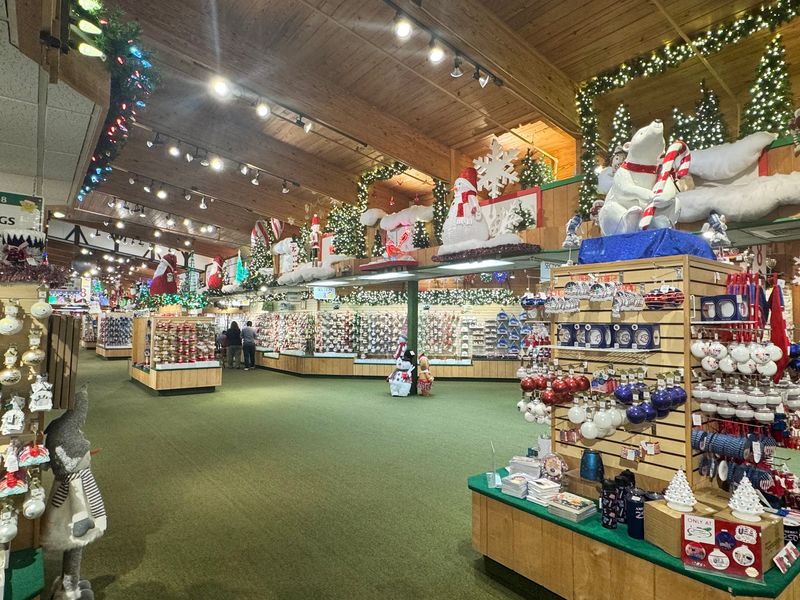
Frankenmuth can feel like peak tourist season almost any month of the year. South Main Street concentrates Bavarian-style architecture, restaurants, shops, attractions, and photo stops into a compact corridor that draws visitors for festivals, family trips, shopping weekends, and holiday traditions.
The city’s German heritage shapes much of its public identity. Traditional-style buildings, food, festivals, and cultural references give downtown a look that stands apart from almost any other Michigan town.
Then there is Bronner’s Christmas Wonderland, which keeps holiday tourism alive year-round. That constant draw means Frankenmuth does not have to wait until December for buses and packed parking lots.
Major events increase the pressure even further. Summer festivals, Oktoberfest, holiday weekends, and December shopping crowds can turn Main Street into a slow-moving procession of pedestrians and vehicles.
Weekday mornings are considerably easier. Arriving before lunch gives you time to walk downtown, photograph buildings, and browse shops before restaurant waits and tour groups build.
Side streets also reveal a more ordinary version of Frankenmuth, with churches, neighborhoods, and local businesses beyond the most heavily themed blocks. That contrast helps the city feel more substantial than a tourist set.
7. Front Street At Full Speed
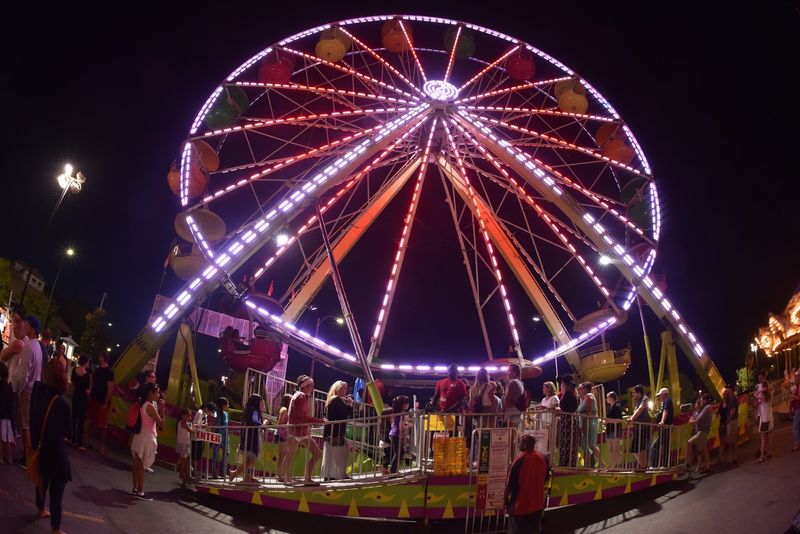
Traverse City is far larger than most towns on this list, but summer tourism can still make its downtown feel dramatically smaller. Front Street packs restaurants, bookstores, boutiques, theaters, cafés, and local businesses into a highly walkable district that sits only a few blocks from Grand Traverse Bay.
That combination is powerful enough on an ordinary July weekend. Add the National Cherry Festival and traffic, parking, sidewalks, and restaurant reservations all become significantly more competitive.
The city remains appealing because downtown feels genuinely lived in. Independent businesses share the street with landmarks such as the State Theatre, while the Boardman River and waterfront provide easy escapes when the central blocks become too dense.
Parking decks are often the simplest solution. Once the car is tucked away, Front Street, the river, Clinch Park, and surrounding neighborhoods are much easier to explore on foot.
Early morning is the sweet spot. Delivery trucks and coffee drinkers replace the midday crowds, storefront reflections are easier to photograph, and Grand Traverse Bay often looks particularly calm.
Festival calendars matter more here than in many Michigan cities because one major event can reshape an entire weekend. Even outside festival periods, fall color weekends and summer Saturdays bring heavy demand.
6. Tulip Time Takes Over Holland
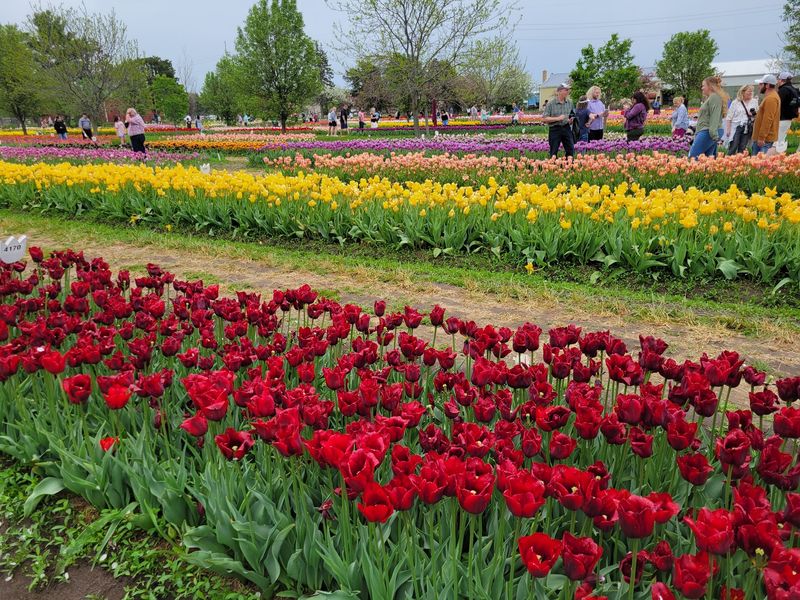
Tulips turn Holland into a bright patchwork each May, and Eighth Street becomes the seam holding it together. Tulip Time brings Dutch dancing, traditional costumes, parades, and vast flower displays across the city.
More than five million tulips bloom, so the festival’s huge appeal is hardly mysterious.
For residents, ordinary downtown errands can become an obstacle course during the celebration. Travelers seeking calmer views should come the week before official events, when many beds are colorful but sidewalks are easier.
During festival days, use designated parking and shuttles, follow street closures, and avoid stepping into planted areas for photographs. Windmill Island Gardens and the DeKlomp Wooden Shoe and Delft Factory add context beyond downtown.
After spring, Eighth Street settles into a walkable district of shops and restaurants. Early weekdays offer the clearest look at Holland’s daily pace without parade crowds.
5. Art And Crowds On Butler Street
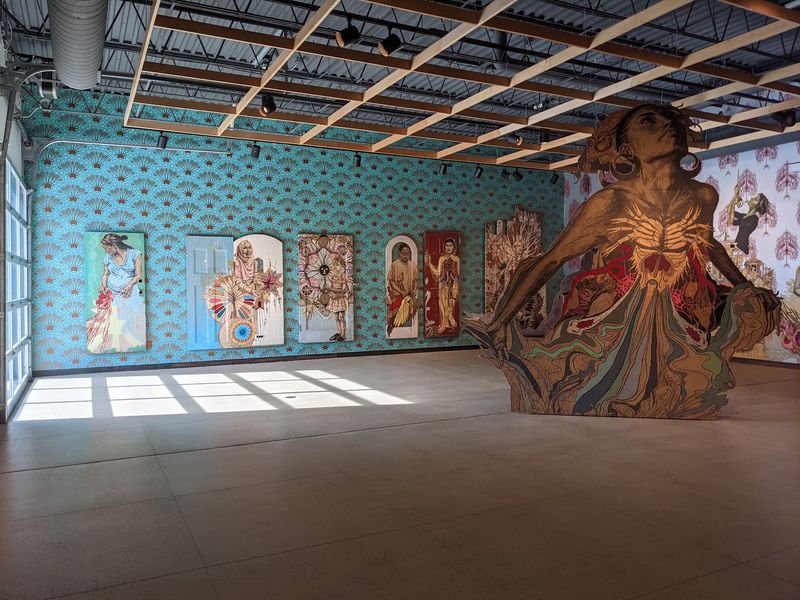
Saugatuck’s popularity comes from fitting a remarkable amount into a very small downtown. Butler Street and the surrounding blocks bring together galleries, boutiques, restaurants, public art, waterfront parks, and access to the Kalamazoo River, all within easy walking distance.
The town’s Art Coast identity is more than marketing. Public sculptures and murals appear throughout downtown, and the broader area remains closely associated with galleries, artists, and the long-running Ox-Bow School of Art.
That compactness becomes a challenge on summer weekends. Sidewalks fill quickly, restaurant waits grow, and parking demand spills beyond the most obvious blocks.
The good news is that Saugatuck is designed for leaving the car behind. Downtown is highly walkable, and visitors can even continue on foot toward Douglas along a pedestrian-friendly route of roughly 30 minutes.
Spring and fall reveal a calmer town with easier gallery browsing and more room around the waterfront. In summer, arriving early and parking once usually works far better than circling repeatedly for the perfect space.
Oval Beach creates another major surge of visitors nearby, especially on hot weekends. When both downtown and the beach are busy, the whole area can feel saturated.
Saugatuck remains charming because creativity is genuinely woven into the place.
4. Phoenix Street Meets The Beach Rush
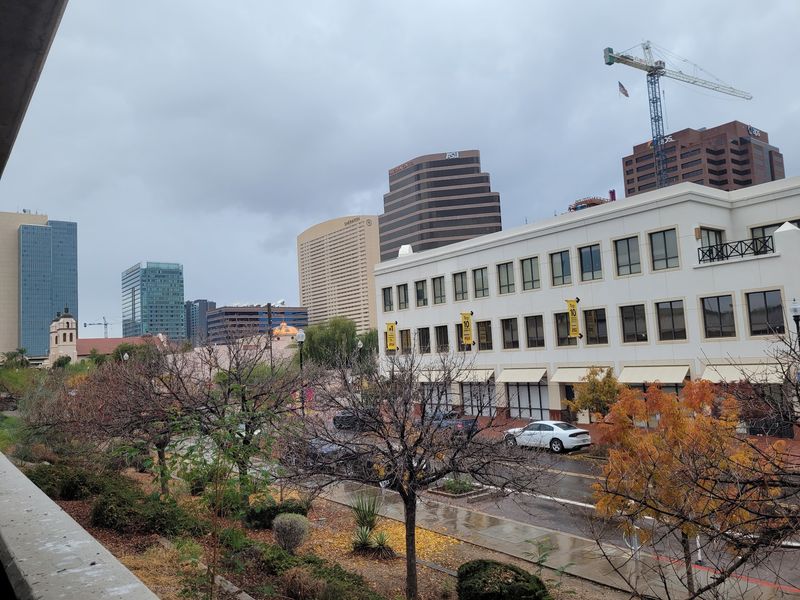
South Haven’s downtown and beaches are close enough together that summer crowds naturally merge into one big stream of people. Phoenix Street carries shoppers and restaurant traffic toward the waterfront, while beachgoers move between downtown, the Black River, marinas, and the famous red lighthouse.
That compact layout is wonderful when crowds are light. During peak summer weekends, it can turn parking spaces and crosswalks into highly competitive territory.
South Beach and North Beach both attract heavy traffic, and sunset creates another wave as people head toward the pier. The downtown center often feels busiest precisely when beach visitors decide they also want dinner.
The simplest solution is to park once and stay on foot. Phoenix Street, the riverfront, shops, restaurants, and much of the waterfront can be reached without repeatedly moving the car.
Morning gives downtown its calmest personality. Storefronts are easier to browse, sidewalks feel wider, and the waterfront has not yet reached peak beach-day intensity.
Pier conditions matter too. Lake Michigan can become dangerous quickly, and nobody should walk onto the pier when waves are washing across it.
South Haven’s popularity makes sense. Victorian character, shops, restaurants, beaches, a harbor, and a lighthouse all sit close together.
The problem is that convenience works both ways.
3. Washington Avenue After Sunset
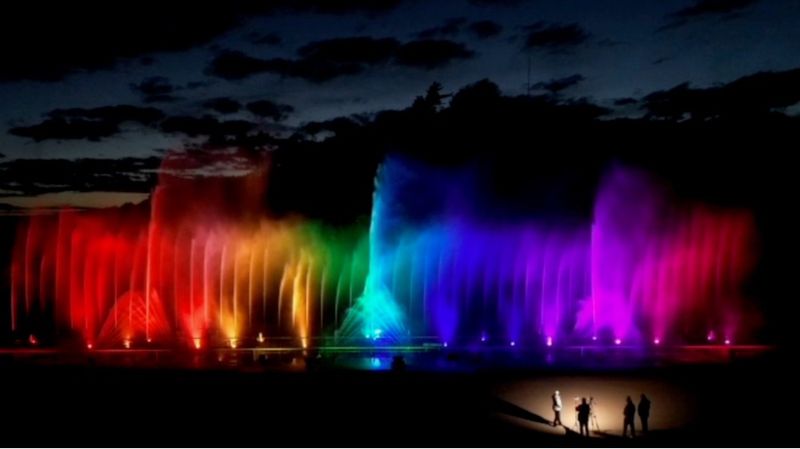
Grand Haven’s busiest summer hours do not necessarily end when the beach starts emptying. Washington Avenue, the waterfront, boardwalk, and Musical Fountain create a second wave of activity as evening visitors gather near the Grand River after sunset.
The Musical Fountain has been operating since 1962 and remains one of the city’s signature attractions. In 2026, shows run nightly through Labor Day weekend, followed by Friday and Saturday performances throughout September.
That schedule means downtown crowds often shift rather than disappear. Daytime beach traffic gives way to dinner traffic, riverfront walkers, and people positioning themselves for the evening show.
Parking once and walking makes the experience much easier. Washington Avenue connects naturally with the waterfront, while the boardwalk continues toward Lake Michigan, Grand Haven State Park, and the lighthouse pier.
September offers slightly more breathing room, particularly on weekdays. The fountain still performs on selected nights, but the main summer surge has started fading.
A jacket is useful once evening wind comes off the lake. Pier walks also require caution whenever waves are high.
Grand Haven’s downtown does not become crowded by accident.
It connects almost everything visitors want in one corridor: restaurants, shopping, a river, a beach, a lighthouse, and a free nighttime attraction.
2. Petoskey’s Gaslight District Glow
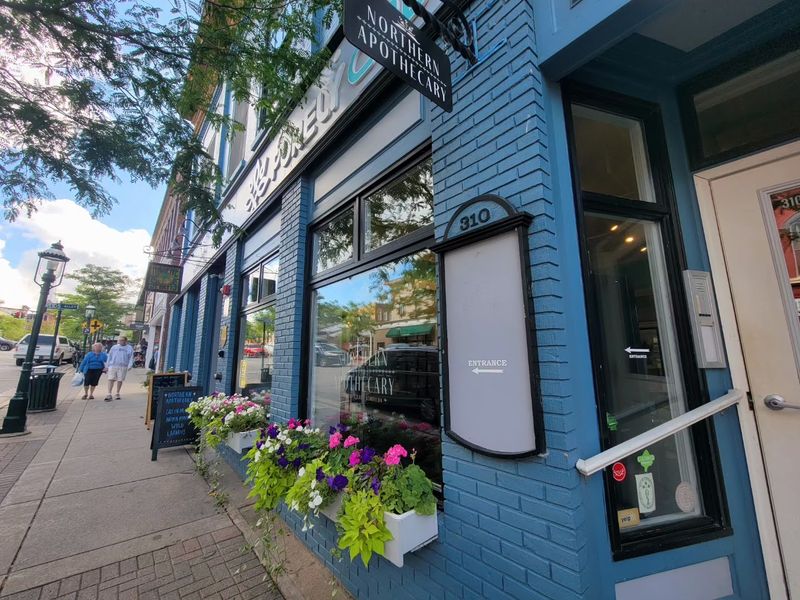
Downtown Petoskey manages to feel polished without losing its northern Michigan character. The Gaslight District combines historic buildings, independent shops, restaurants, and sloping streets that descend toward Little Traverse Bay.
Summer brings steady visitor traffic, while fall color weekends create another surge. People arrive for shopping, dining, waterfront views, and the possibility of finding Petoskey stones along nearby shorelines.
The steep geography concentrates movement. Lake Street and surrounding blocks can feel packed during peak afternoons, particularly when restaurant patios and shop entrances spill activity onto already busy sidewalks.
Early morning is the easiest time to appreciate the district. The bay catches soft light, stores have not yet filled, and parking becomes much less competitive.
Visitors hunting Petoskey stones should remember that collecting rules depend on the property. State-managed lands often have specific limits, while some protected areas prohibit removing natural materials altogether.
The waterfront and nearby parks provide useful breaks if downtown becomes too busy. Walking downhill is easy; remembering that you eventually have to climb back up is the part people tend to discover later.
Petoskey remains popular because it delivers a very complete version of northern Michigan in one small area.
1. Charlevoix’s Stone Houses And Street Crowds
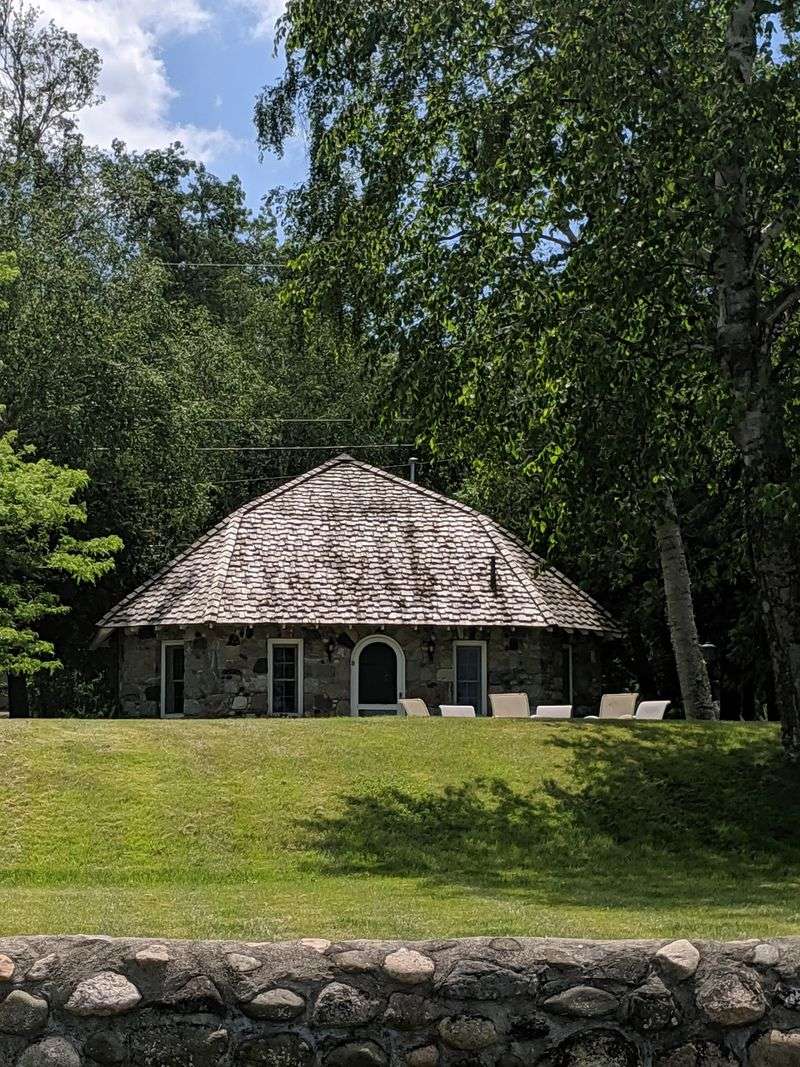
Charlevoix sits on a narrow strip between Lake Michigan and Lake Charlevoix, which means geography alone funnels visitors through a compact downtown. Bridge Street handles shopping, restaurants, pedestrian traffic, and vehicles moving between the two lakes, while boats and bridge openings add their own rhythm.
Then there are Earl Young’s Mushroom Houses. The self-taught builder created more than two dozen distinctive stone homes plus several commercial buildings over a career that began in 1919, using local stone and curved forms designed to blend into the landscape.
Those houses have become one of Charlevoix’s biggest attractions. Guided walking and Gem Car tours operate from downtown, while self-guided visitors also explore public streets to see the unusual architecture.
The important detail is that most of the homes remain privately owned. Viewing them from public sidewalks is part of being a considerate visitor, while driveways and yards should remain completely undisturbed.
Summer weekends and major events such as the Venetian Festival push downtown congestion even higher. Bridge openings can also temporarily stack traffic through the center.
Very few Michigan towns can offer two lakes, a working drawbridge, a walkable downtown, and houses that look like they were designed by someone who thought straight lines were deeply overrated.