
10 Secret Michigan Islands That Belong On Your Late Summer Bucket List In 2026
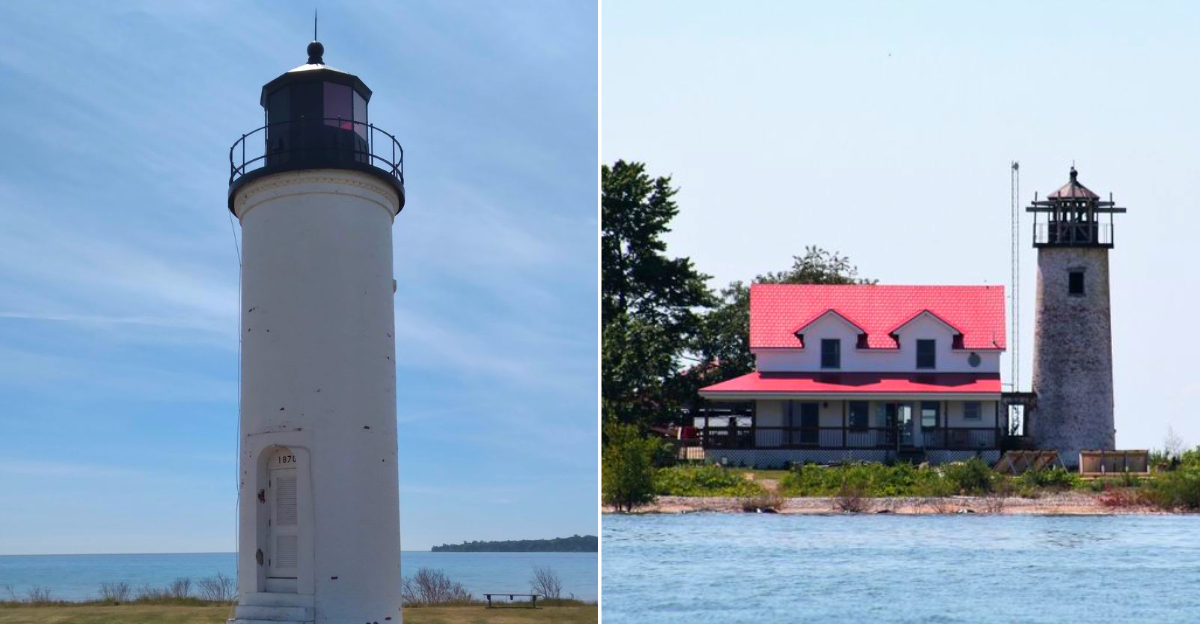
Late summer may be my favorite time to escape Michigan’s mainland. The water is still warm enough to tempt you in, evenings arrive with a little bite, and ferry docks often feel calmer once the biggest summer crowds begin to thin.
Some islands reward you with lighthouses, historic farms, and easy wandering. Others make you work harder, swapping paved roads for forest trails, rocky beaches, and skies so dark that stargazing becomes an actual evening plan.
Michigan’s best late-summer islands combine secluded beaches, historic landmarks, hiking trails, and unforgettable Great Lakes scenery.
Getting there is part of the adventure. Ferries, tour boats, and changing lake conditions mean I always check schedules twice and leave some breathing room in the day.
Pack layers, good shoes, snacks, and more patience than you think you need.
The weather may rearrange your plans, but on these islands, that often leads to the story you remember most.
10. Beaver Island
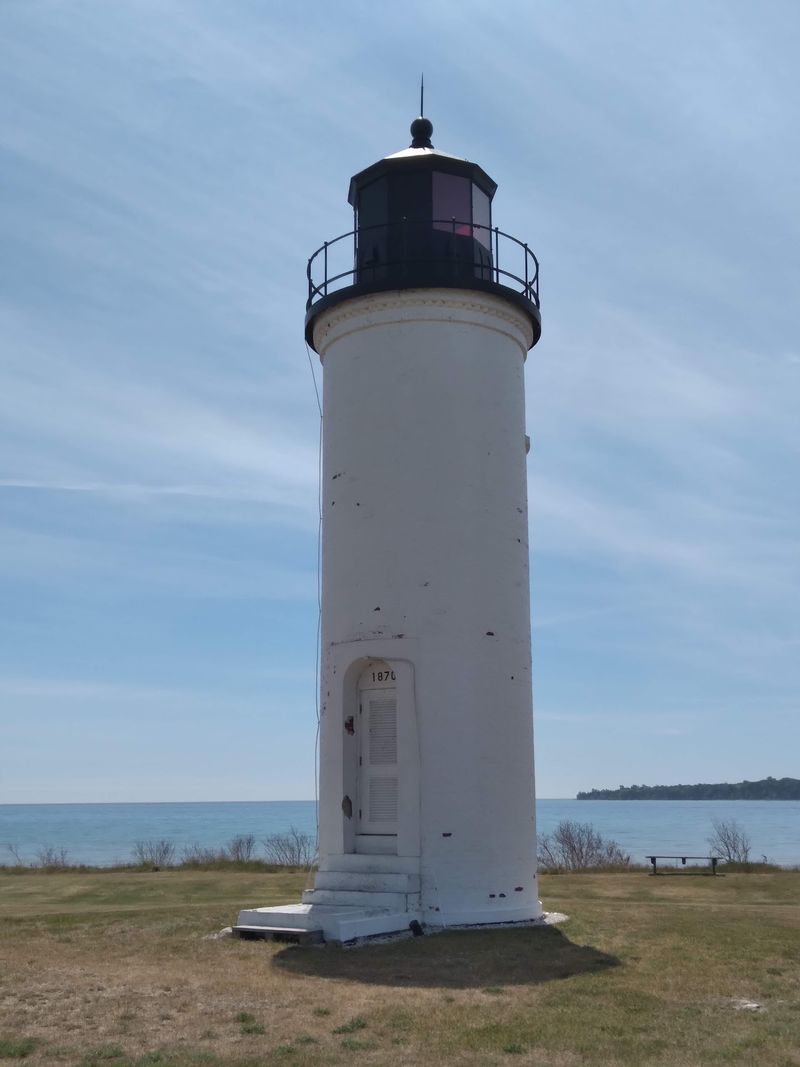
The crossing from Charlevoix does an excellent job of separating mainland concerns from island time. After roughly two hours on Lake Michigan, St. James appears ahead with a harbor, quiet roads, and the kind of small-town pace that makes checking your phone feel unnecessarily ambitious.
Michigan’s largest island in Lake Michigan is too big to experience properly on foot alone. Bring a vehicle on the ferry with an advance reservation, rent transportation after arriving, or plan around a bicycle if your legs are feeling heroic.
Donegal Bay is an easy sunset target, while the island’s museums, inland lakes, beaches, and two lighthouses can fill several days without much effort.
The history is unusually layered too. Irish settlement left a lasting cultural mark, while James Strang briefly established a nineteenth-century kingdom here, one of those Michigan stories that sounds invented until somebody shows you the documents.
Your mainland starting point is Beaver Island Boat Company at 103 Bridge Park Drive in Charlevoix, where 2026 ferry schedules and vehicle availability should be checked before leaving home.
I would stay overnight rather than force a day trip. Once evening settles over the harbor, rushing back to the mainland feels like a terrible waste of a perfectly good island.
9. Drummond Island
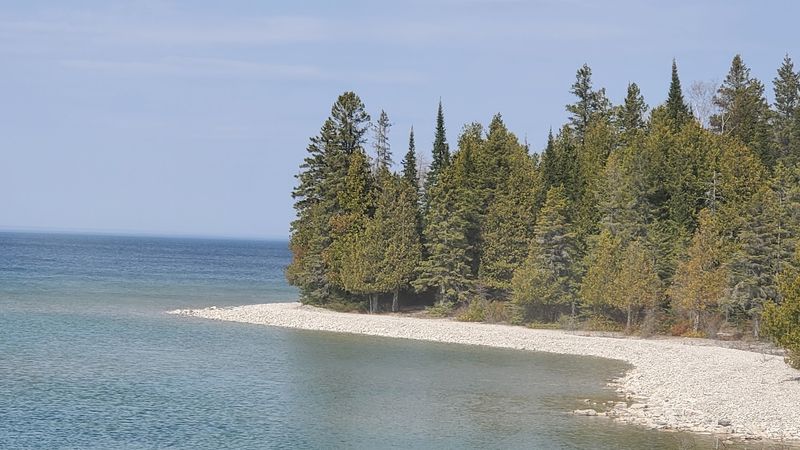
Rock shelves, cedar forest, and startlingly clear Lake Huron water give this eastern Upper Peninsula island a personality considerably rougher than the average cottage getaway. Instead of boutique streets and fudge shops, expect ORV trails, quiet bays, exposed limestone, and enough room to disappear for a while.
Geology is part of the entertainment. Drummond is known for alvar landscapes, thin-soiled limestone environments that support unusual plants, while places such as Marblehead bring dramatic shoreline terrain into the equation.
Sturdy shoes matter more here than anything fashionable you considered packing.
The vehicle ferry leaves DeTour Village beside Passage Park at 152 Huron Street, making the arrival straightforward even if the island beyond it feels pleasantly remote. In 2026, only one ferry is serving the Drummond route during the summer season, so extra waiting time is worth building into the day rather than treating the timetable like a personal promise.
Once across, a vehicle makes exploring much easier. Respect designated ORV routes, carry water, and do not underestimate how quickly Lake Huron can turn a sunny paddling plan into something colder and more serious.
My favorite part may be dusk, when freighter lights move through the passage while everything on shore gets unusually quiet.
8. Bois Blanc Island
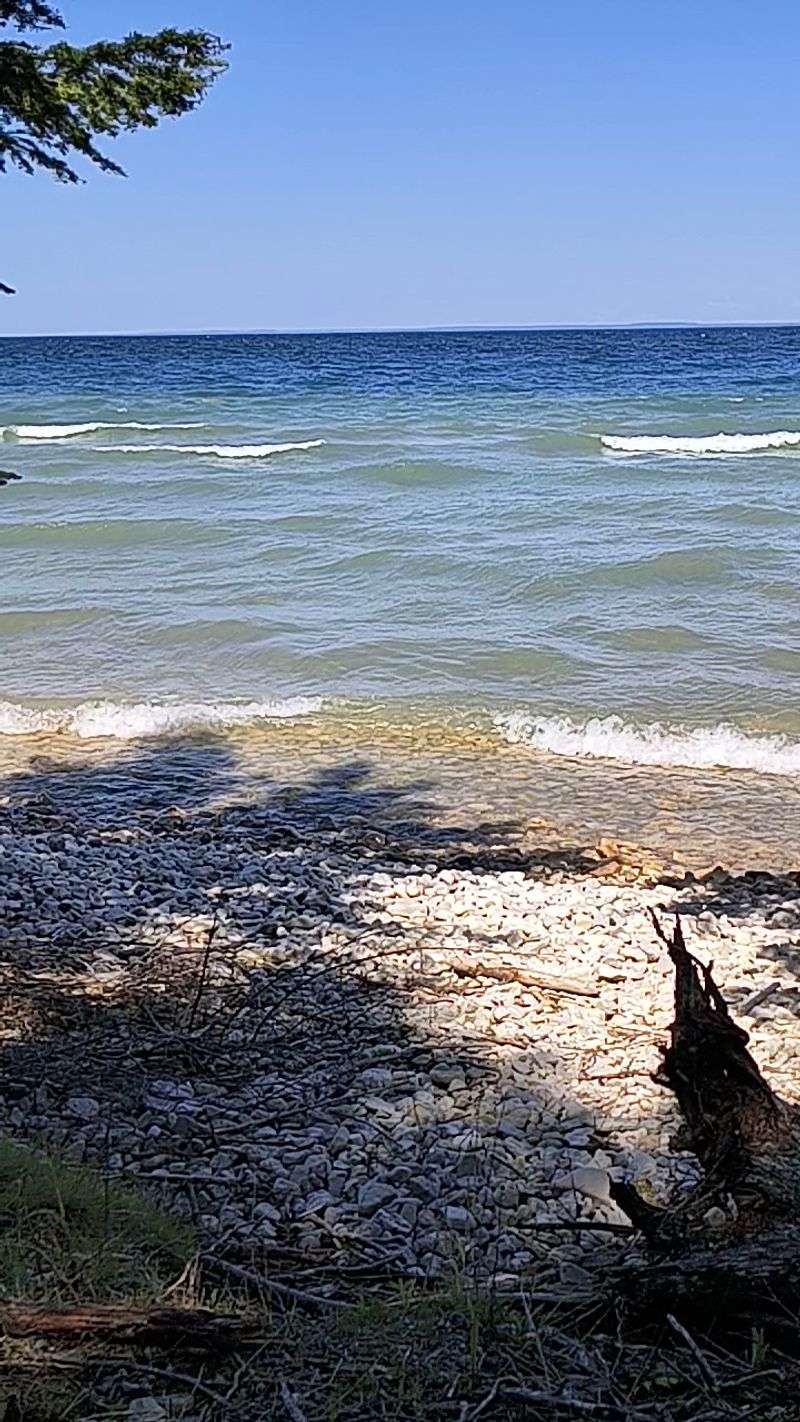
Quiet begins almost immediately after the boat leaves Cheboygan. By the time the mainland slips behind you, it becomes clear that this is not an island organized around entertaining visitors.
That is precisely the attraction.
Known locally as Boblo, the island holds gravel roads, dense forest, inland lakes, cottages, and long shoreline stretches where very little seems interested in competing for your attention. There are no polished tourist circuits to follow, so exploration works best when you arrive prepared and make peace with a little uncertainty.
Plaunt Transportation sails from 412 Water Street in Cheboygan, carrying passengers and vehicles during its operating season. Bringing a car can make sense because the island is much larger than the sleepy dock area suggests, and 2026 service remains weather dependent.
Supplies require more thought than they would on a conventional resort island. Fuel, groceries, restaurants, and lodging are limited, so carry water, snacks, insect repellent, a paper map, and whatever small emergency item you normally assume a nearby store will provide.
The historic lighthouse on the eastern side adds another reason to explore, although visitors should respect private property around it.
Stay into evening if your arrangements allow. With little artificial light competing overhead, darkness becomes one of Bois Blanc’s best attractions.
7. Grand Island
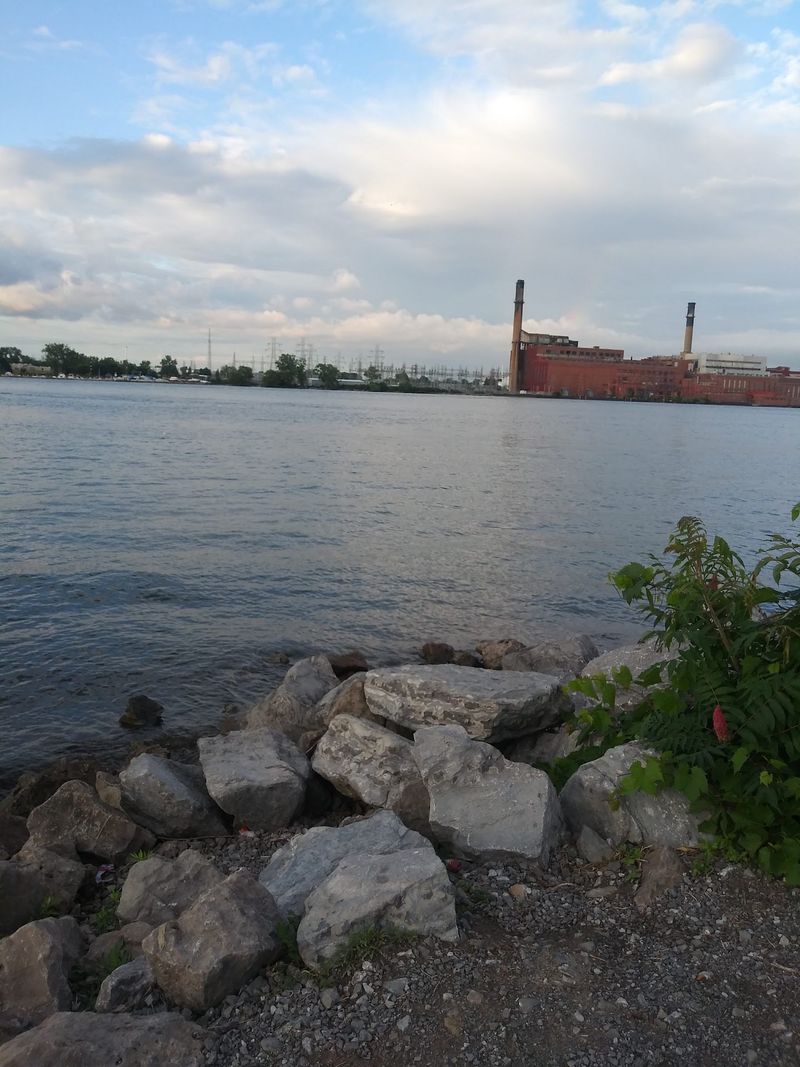
Red sandstone suddenly appearing between green trees is your first clue that this trip is going to look different from the mainland. Only a short boat ride from Munising, this Lake Superior island manages to feel remote without requiring an expedition-level commitment.
Much of the landscape belongs to the Grand Island National Recreation Area, where forest roads connect beaches, overlooks, historic places, sandstone cliffs, and waterfalls. Hiking works well, but a bicycle dramatically expands what you can see in a day.
Authorized bus tours are another option if your ideal vacation does not involve discovering exactly how many hills your legs can resent.
The ferry departs from N8016 Grand Island Landing Road in Munising, about 2.5 miles west of town along M-28. Regular 2026 service continues into fall, although departure frequency changes after the peak summer schedule, so check the day’s return boats before wandering too confidently into the forest.
Lake Superior deserves its usual respect. Carry a windproof layer even when Munising feels warm, and treat cliff edges and rough water as actual hazards rather than scenic accessories.
Late afternoon is beautiful here. Sunlight warms the sandstone, shadows deepen through the woods, and the mainland remains visible across the water while somehow feeling much farther away.
6. Sugar Island
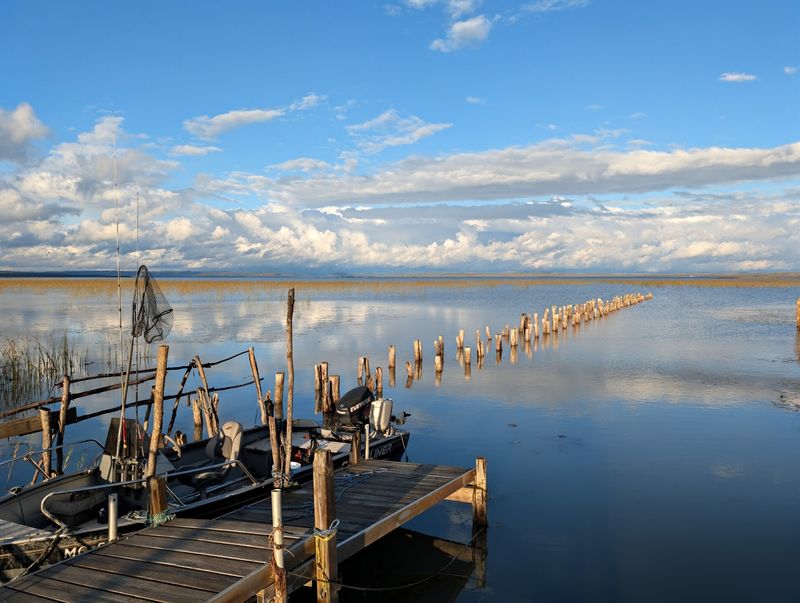
Freighters provide the scale on this St. Marys River island. One moment you are driving through quiet woods or past modest homes, and the next an enormous ship appears offshore, moving through the river like somebody accidentally placed industrial machinery inside a landscape painting.
That contrast is exactly why I like the place.
A vehicle ferry connects Sugar Island with Sault Ste. Marie, making this one of the easier under-the-radar islands to visit without sacrificing its lived-in character.
The mainland landing sits at the eastern end of the city near Riverside Drive; 1425 Riverside Drive, the address of Clyde’s Drive-In beside the ferry area, makes a convenient navigation landmark before crossing.
Once aboard, remember that this is primarily transportation for residents rather than a sightseeing cruise. EUPTA operates the route, and checking current 2026 service notices before heading out is sensible because vessel changes can cause occasional delays.
Forested roads, marshy stretches, river views, and wildlife make slow exploration more rewarding than building a rigid attraction checklist. Bring what you need with you and respect private land along the shoreline.
Then find somewhere legal and quiet to watch the river.
5. Grosse Ile
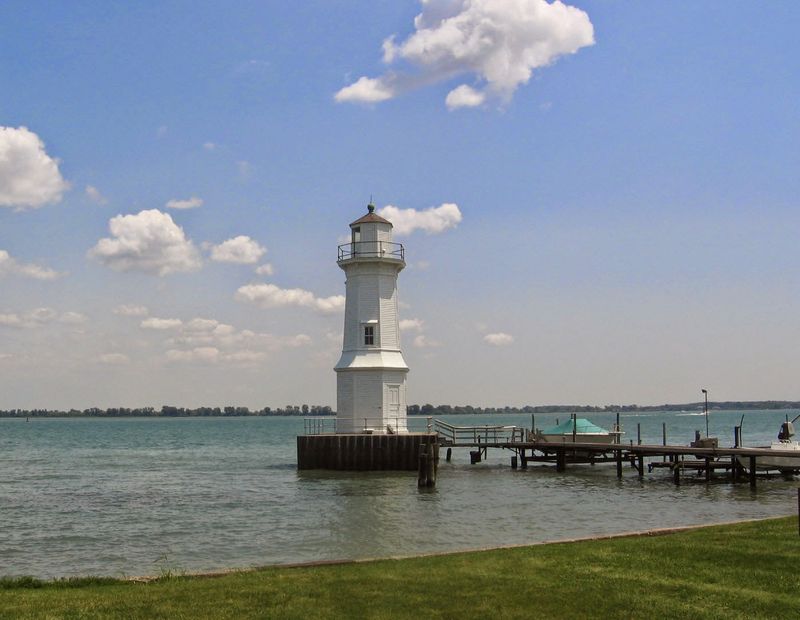
Driving onto an island feels almost like cheating after several ferry-dependent stops, but the Detroit River has its own way of making the mainland disappear. Within minutes, suburban traffic gives way to wooded roads, waterfront homes, wetlands, and broad river views.
The best reason to put this overlooked island on a nature-focused trip is the Gibraltar Bay Unit of the Detroit River International Wildlife Refuge. Located at 28820 East River Road on Grosse Ile, it protects former airfield land that now supports grassland, shoreline habitat, walking paths, and excellent birdwatching.
You can reach the island using the free bridge from the Grosse Ile Parkway side or the privately operated toll bridge farther north. Once across, slow down.
This is a residential community rather than an open-air attraction, and some of the most tempting waterfront roads end at private property rather than secret beaches.
Bring binoculars if migrating birds interest you, especially toward the end of summer when wetlands begin feeling noticeably more active. The surrounding Detroit River also carries serious commercial ship traffic, giving otherwise peaceful viewpoints another layer of movement.
Grosse Ile may not deliver wilderness in the Upper Peninsula sense. What it offers instead is something stranger: an island retreat hiding inside one of Michigan’s most urbanized regions.
4. Isle Royale
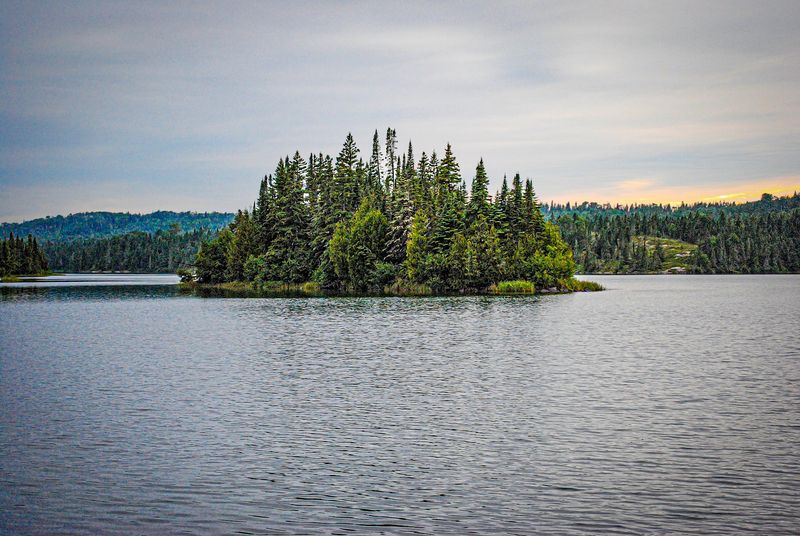
A six-hour ferry ride is an effective filter for casual enthusiasm. By the time the shoreline finally appears in Lake Superior, everybody aboard has committed to the idea that reaching the island is part of the experience rather than an annoying prelude to it.
That commitment gets rewarded.
Michigan’s remote national park contains boreal forest, rocky coves, inland lakes, wolves, moose, loons, and hundreds of smaller islands scattered around the main landmass. Roads never take over after arrival; travel happens on foot, by boat, or through the park’s limited transportation network.
Ranger III departs from the National Park Service headquarters at 800 East Lakeshore Drive in Houghton. For late-summer 2026 travel, timing matters: scheduled outbound Houghton service continues only into September, so transportation and lodging reservations should come before dreamy itinerary building.
Campers also need the appropriate permit, while everyone should arrive with rain gear, warm layers, water-treatment equipment, and realistic expectations about Lake Superior weather.
Do not rush this one into an overnight checkbox if you can avoid it. Isle Royale rewards slower travel, whether that means hiking between camps or simply sitting near Rock Harbor listening for loons.
3. Neebish Island
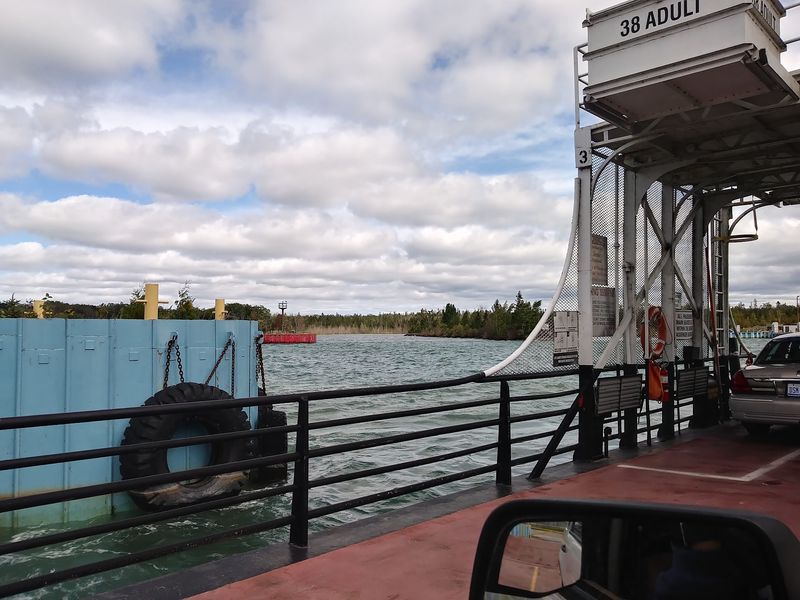
Watching a freighter pass almost at eye level is a strangely effective way to lose twenty minutes. Along this little-populated St. Marys River island, enormous ships move through the channel beside farm fields, woods, and quiet residential roads with none of the ceremony you might expect from something that large.
That working-river atmosphere gives Neebish a character unlike Michigan’s classic vacation islands. It feels inhabited first and discovered second, which is exactly why the visit works.
The vehicle ferry leaves from 17592 South Simonsen Road in Barbeau and currently operates seven days a week, with seasonal schedule differences and service notices handled by the Eastern Upper Peninsula Transportation Authority. Check the current status before driving out rather than assuming a crossing will fit neatly around your lunch plans.
Once on the island, do not expect a packed attraction map. Bring snacks, water, fuel up beforehand, and treat quiet roads and river watching as the itinerary.
Cyclists should stay alert because traffic tends to arrive in short bursts when the ferry unloads.
Late summer gives the fields warmer color while the St. Marys River remains busy with commercial traffic.
2. Harsens Island
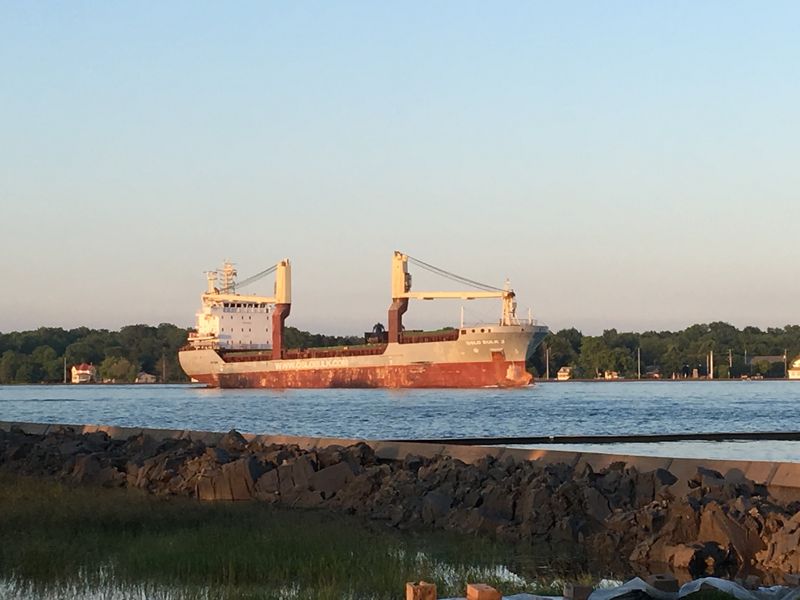
A few minutes on a car ferry is all it takes for southeastern Michigan to turn into canals, marshes, cottage roads, and open delta water. That change happens quickly enough to feel almost suspicious.
Harsens sits within the St. Clair River delta, where freshwater channels divide into a complicated maze before reaching Lake St. Clair. Boating naturally dominates island life, but you do not need your own vessel to appreciate the wetlands, birdlife, narrow roads, and frequent glimpses of freighters farther out.
Champion’s Auto Ferry operates from 3647 Pointe Tremble Road in Algonac, carrying vehicles across the North Channel. Service is straightforward, but summer weekends can create lines, so arriving early is more pleasant than sitting in a car watching everyone else have the same island idea.
Once across, keep in mind that public and private waterfront land often sit close together. Follow signs, avoid treating unmarked shorelines as spontaneous parks, and watch carefully for cyclists on the island’s narrow roads.
Binoculars earn their place in the car. Herons, egrets, waterfowl, and marsh habitat make slow exploration especially rewarding.
1. High Island
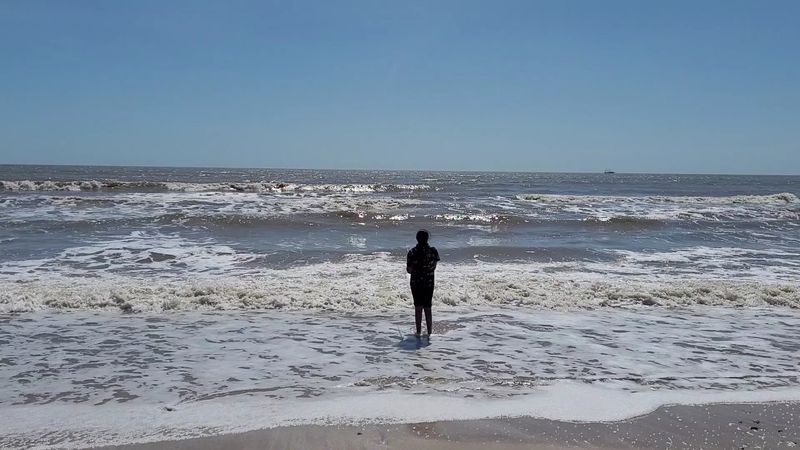
Getting here requires considerably more initiative than buying a ferry ticket, which may be the strongest argument for including it. There is no regularly scheduled public transportation to this uninhabited island west of Beaver Island, and the Michigan DNR manages the land as part of the Beaver Islands State Wildlife Research Area.
In other words, this one needs planning.
Private boats or arranged charters are the realistic approach. St. James on Beaver Island makes the logical staging point, and Beaver Island Municipal Marina South at 26184 Main Street is a useful harbor reference while organizing an outer-island excursion.
Local charter operators offer trips into the surrounding archipelago, but weather, landing conditions, and availability should all be confirmed directly before considering the plan settled.
The reward is a landscape far wilder than the developed harbor you leave behind. High Island is entirely state-owned and rises dramatically from Lake Michigan, with forest, quiet beaches, old traces of settlement, and the perched dune that gave the island its name.
Bring everything you need and leave everything you find. There are no visitor services waiting around the corner.
This is less a casual sightseeing stop than a small expedition—and that difference matters.