
11 Arizona Beaches You Might Not Know About But Locals Adore
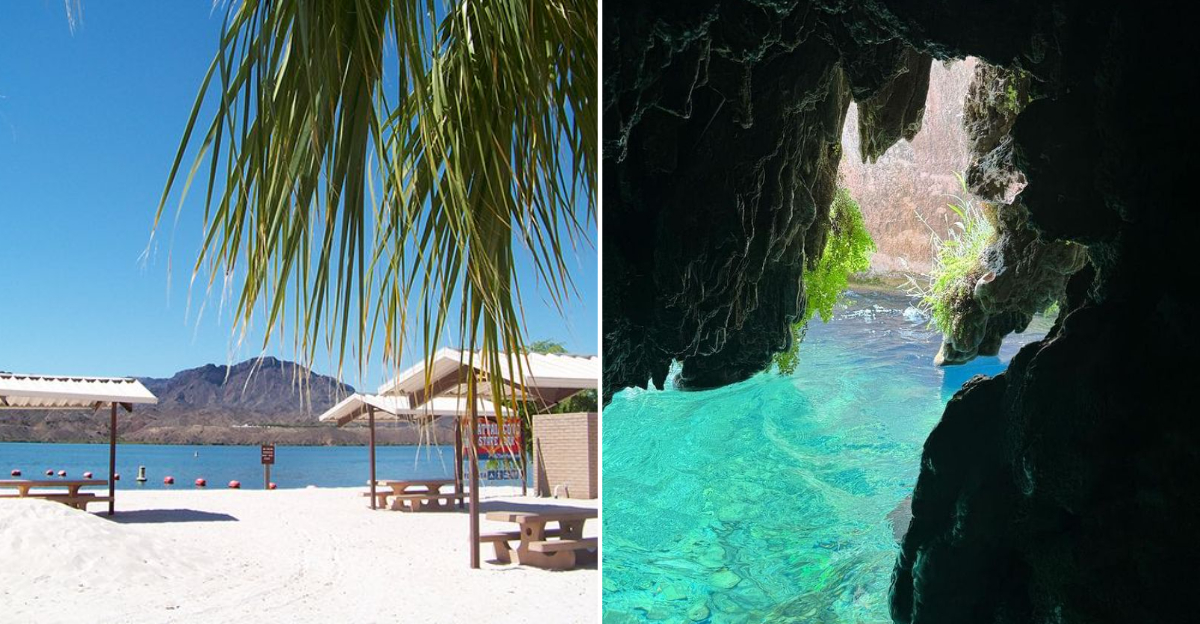
Sand, sun, and… Arizona? Believe it or not, the desert hides some incredible waterfront gems that most tourists completely overlook.
While the rest of the world pictures nothing but cacti and dry heat, those of us who live here know exactly where to find the perfect sandy oasis to cool off. You might think you’ve seen everything the state has to offer, but these tucked-away shorelines are the best-kept secrets in our sunny backyard.
Some require a short hike, some sit right off the highway, and others are tucked into state parks that most out-of-towners overlook entirely.
If you have been hunting for a cool escape that feels like a well-kept secret, keep reading because this list is packed with the kind of places that make Arizona summers genuinely fun.
1. Butcher Jones Day Use Area, Saguaro Lake
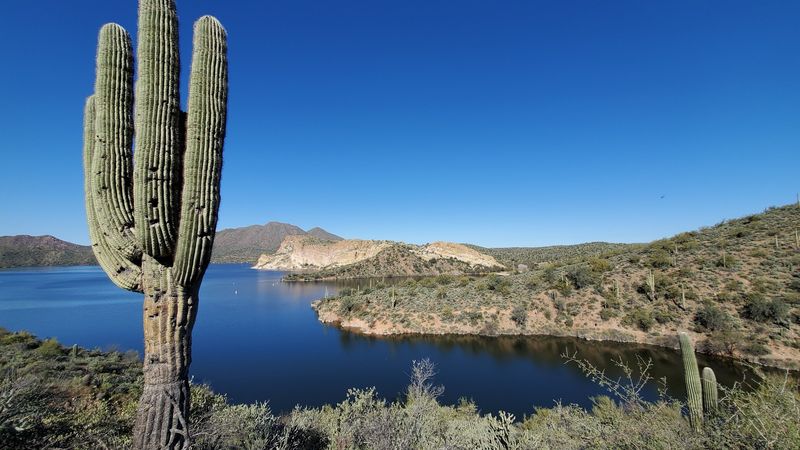
Few places in Arizona nail the phrase “desert beach” quite like Butcher Jones Recreation Site on Saguaro Lake, located in the Mesa area within Tonto National Forest.
The sandy coves here are framed by towering saguaro cacti and rust-colored rock formations, creating a backdrop that feels almost surreal on a hot summer afternoon.
Swimming, paddleboarding, kayaking, and wakeboarding are all fair game. Rocky outcrops near the water are popular for jumping in, and the clear water makes it easy to see why this spot draws crowds every weekend from May through September.
Parking fills up fast, so arriving early on weekends is a smart move. There is no food service on site, so pack a cooler and sunscreen.
The early start also gives the shoreline a calmer feel before the busiest part of the day rolls in. Once the sun climbs higher, that mix of blue water, cactus, and desert rock starts looking almost unreal.
The combination of open water and dramatic desert scenery makes Butcher Jones one of the most visually striking day-use areas in the entire state park system.
2. Scenic Beach, Canyon Lake
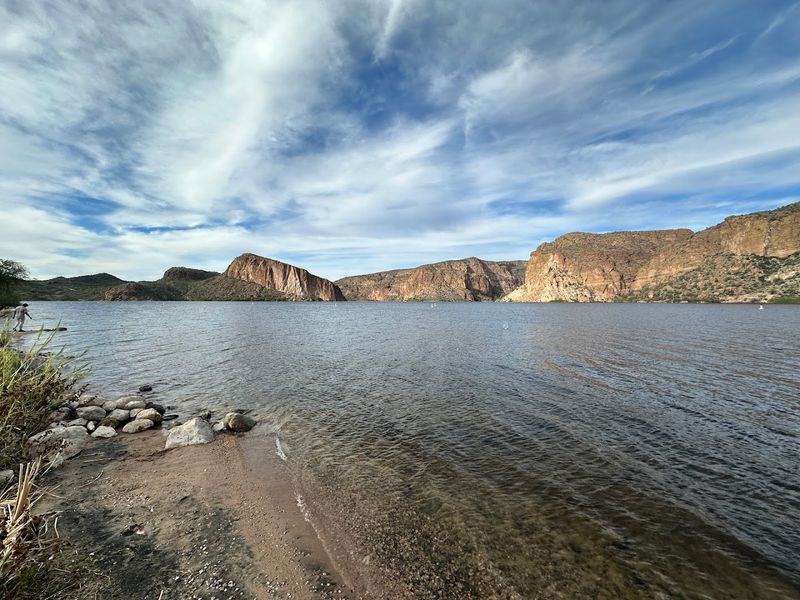
Canyon Lake sits inside Tonto National Forest about 45 minutes east of Phoenix, and its Scenic Beach area rewards visitors with some of the most dramatic water views in the entire state.
Sheer canyon walls rise on both sides of the lake, and the deep blue water reflects the sky in a way that makes every photo look professionally edited.
The eastern end of the lake tends to attract fewer visitors, making it a solid pick for anyone who wants more breathing room. Kayaking and swimming are the main draws here, and the calm, sheltered water is ideal for beginners on paddleboards.
That easygoing pace gives the whole stop a vacation feel, even when Phoenix is still less than an hour away.
There is a boat launch nearby, and the Lakeside Restaurant at the marina offers a convenient bite after a long day on the water. Canyon Lake tends to be quieter than Saguaro Lake on weekdays, which is reason enough to plan a Tuesday visit.
3. Fossil Springs Via Bob Bear Trail
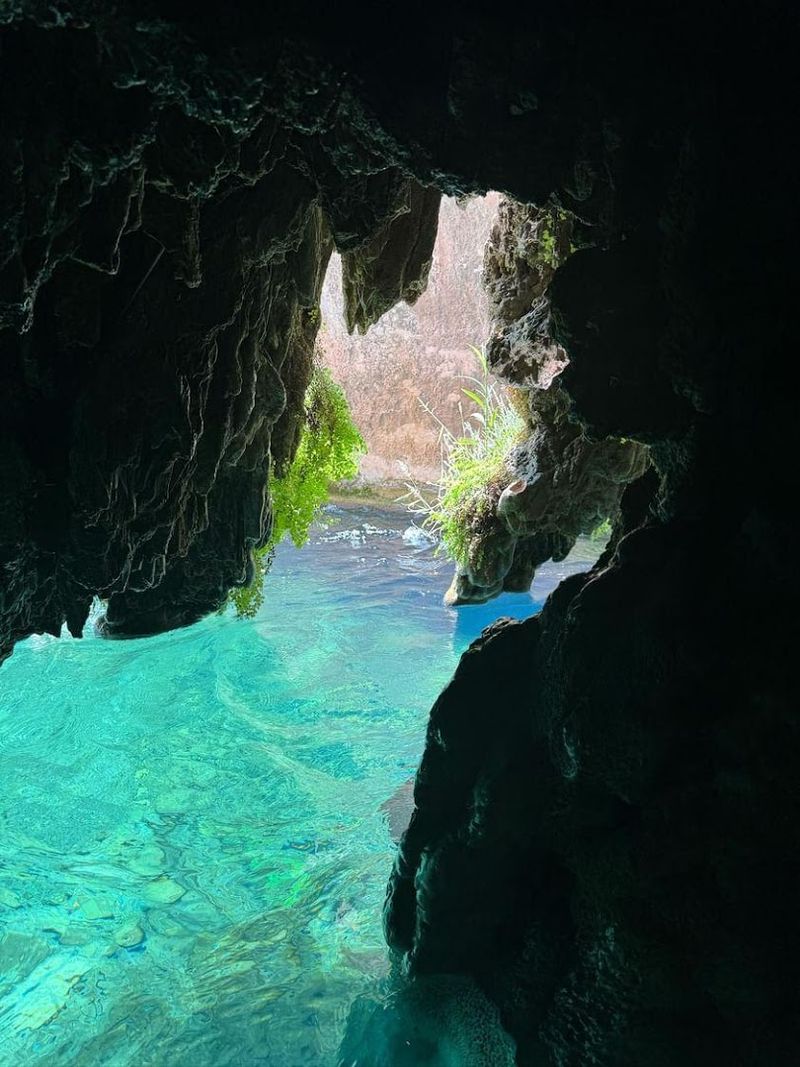
In the Mazatzal Mountains between Payson and Camp Verde, Fossil Springs produces around 20,000 gallons of water per minute at a constant 68 degrees Fahrenheit. That steady flow creates pools of stunning crystal-blue water that look almost impossibly clear given the surrounding desert terrain.
The Bob Bear Trail is the most direct route in, covering roughly five miles round trip with some elevation change.
A permit system is in place during peak season, which actually works in your favor by keeping the area from becoming overcrowded. Waterfalls, a cave, and multiple swimming pools make the hike well worth the effort.
That extra effort pays off once the trail opens into cool water, travertine formations, and a scene that feels almost too bright to be real.
Bring sturdy shoes, plenty of water, and a dry bag for your phone. The permit reservation system opens weeks in advance and fills quickly, so planning ahead is essential.
Fossil Springs is the kind of place that makes you forget, at least briefly, that you are in the middle of the Arizona desert.
4. Wet Beaver Creek, The Crack
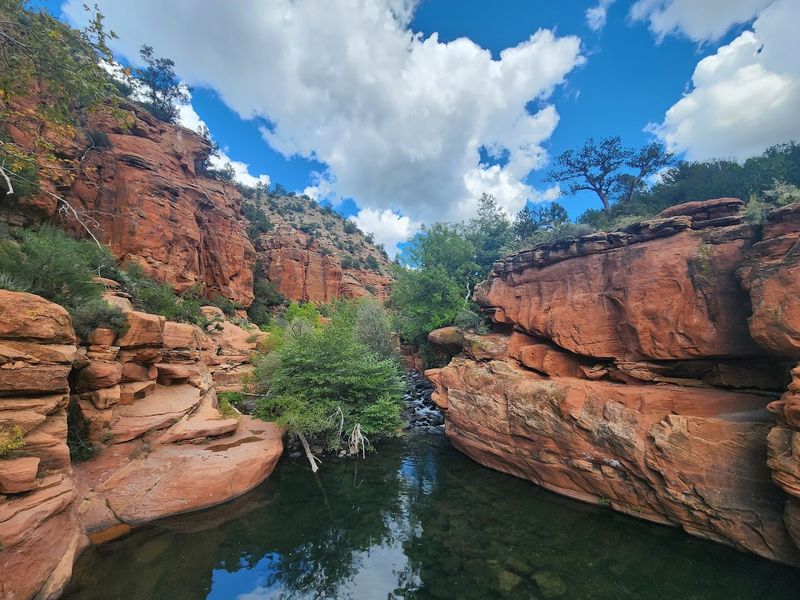
About 12 miles south of Rimrock off Interstate 17, Wet Beaver Creek hides a swimming hole that locals simply call The Crack.
The name comes from the narrow slot canyon the creek carves through, creating a shaded, tree-lined corridor that keeps temperatures noticeably cooler than the surrounding scrubland.
A distinctive flat rock near the water has earned the nickname “the diving board” and has launched countless summers worth of jumps into the pool below. The hike in runs about four miles round trip, which is enough distance to filter out casual visitors and keep the atmosphere relaxed.
The trail passes through riparian habitat full of cottonwood and sycamore trees, so the walk itself is pleasant and shaded. No permit is currently required, though that could change with increased popularity. Arriving on a weekday practically guarantees you a quiet spot by the water, which is a rare luxury in Arizona during July.
5. Patagonia Lake State Park, Patagonia
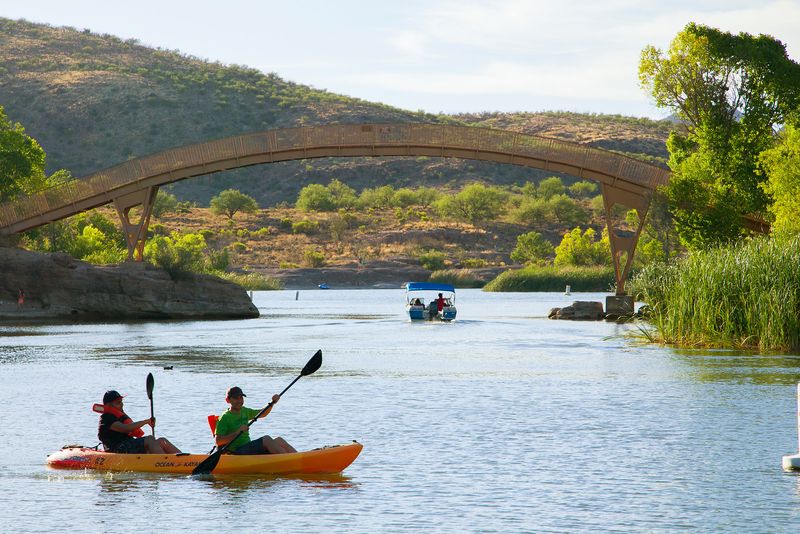
About an hour south of Tucson, Patagonia Lake State Park sits at around 4,000 feet elevation, which takes the edge off summer heat in a way that flatland Arizona parks simply cannot match.
The park surrounds a 265-acre reservoir nestled among grassy rolling hills and oak-dotted slopes that look more like southern Colorado than the Sonoran Desert.
A designated swim beach with a roped-off area makes it a comfortable spot for families, and boat rentals are available at the marina for those who want to explore the lake by water. Wildlife sightings here are genuinely impressive, with white-tailed deer, great blue herons, and over 300 bird species recorded in the area.
Camping spots book up quickly on holiday weekends, so reserving early is highly recommended. The combination of cooler temperatures, scenic hills, and reliable wildlife viewing gives Patagonia Lake a character that feels distinct from every other water park in the state.
6. The Chains, Lake Powell
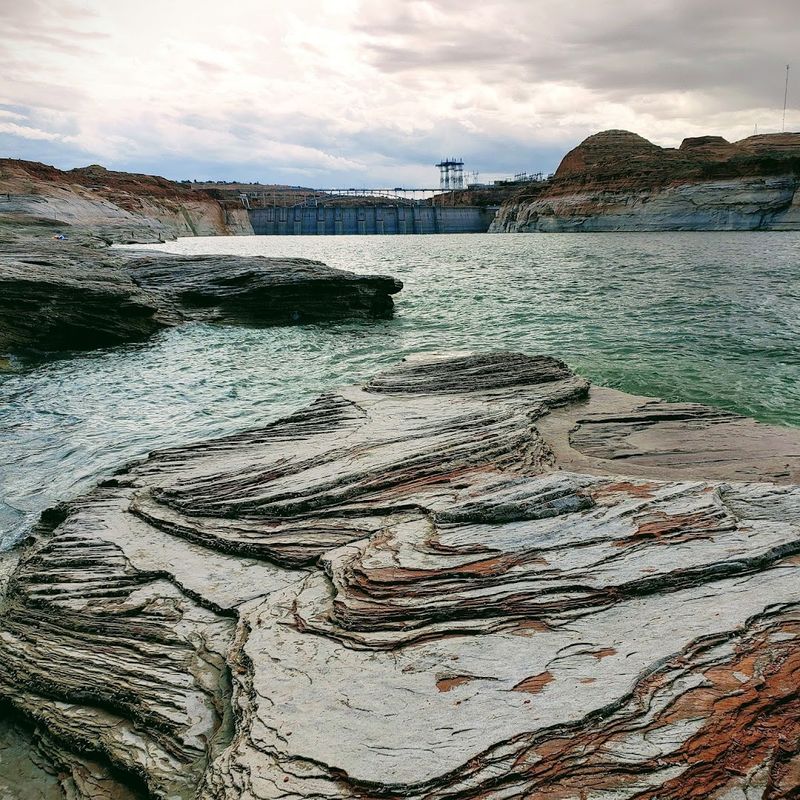
Lake Powell spans the Arizona-Utah border, and most visitors arrive by houseboat or motorized watercraft. The Chains is one of the few spots at Lake Powell that can be reached entirely on foot, which immediately sets it apart from the rest of the reservoir experience.
The name references the line of buoys that keeps boats away from Glen Canyon Dam, and the area just inside those buoys offers pockets of surprisingly calm, clear water for swimming.
Red sandstone canyon walls frame the scene, and the reflected light off those walls gives the water an almost glowing quality in the late afternoon.
Getting there requires a walk from the Glen Canyon Dam Visitor Center parking area, and the route is mostly flat and easy. Because motorized boats cannot enter the zone, the water stays calm and the noise level stays low.
For a place as famous as Lake Powell, The Chains offers a refreshingly quiet corner.
7. Bull Pen Swimming Hole, West Clear Creek
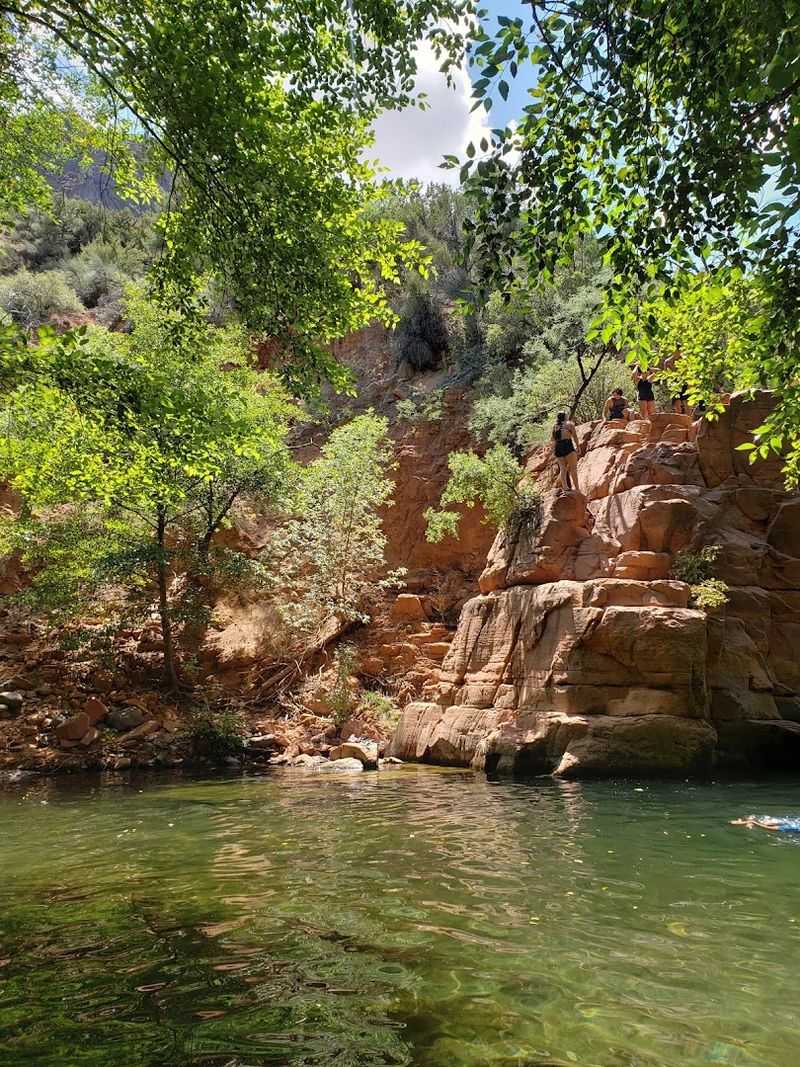
West Clear Creek cuts through the Mogollon Rim country northeast of Camp Verde, carving out a series of swimming holes that rank among the most scenic in all of Arizona. Bull Pen is the crown jewel of the bunch, featuring a wide, deep pool shaded by cottonwood and sycamore trees that keep the canyon floor surprisingly cool even in midsummer.
A cliff on one side of the pool attracts jumpers of all ages, and the surrounding area connects to hiking trails and a campground that make overnight trips very practical. The creek is fed by springs higher up the canyon, keeping water temperatures refreshingly cool throughout the summer season.
The access road can get rough depending on recent weather, so a high-clearance vehicle is helpful. Bull Pen is well known among locals from Camp Verde, Cottonwood, and Flagstaff, but it rarely shows up on mainstream travel lists, which helps preserve its laid-back atmosphere and clean surroundings.
8. Pebble Beach Day Use Area, Lower Salt River
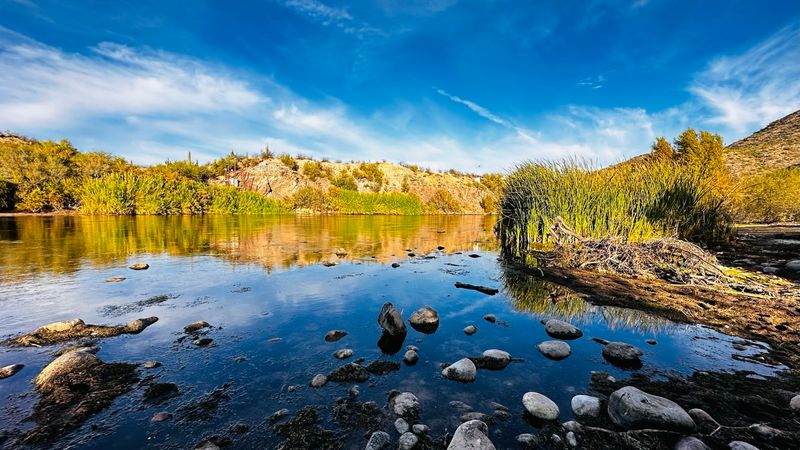
Calling it a beach might raise a few eyebrows since the shoreline here is made up of smooth river rocks and gravel rather than sand, but Pebble Beach on the Lower Salt River near Mesa is one of the most beloved water spots in the entire Phoenix metro area.
The river here is calm, clear, and shallow enough for kids to wade comfortably. Motorized boats are not permitted on this stretch of the Salt River, which keeps the water safe and the atmosphere peaceful.
Pebble Beach serves as a popular launch and exit point for tubing trips, and rental companies operate nearby during the summer months. Shaded ramadas are available on a first-come basis and fill up fast on weekend mornings.
Wildlife along this corridor is a genuine bonus. Great blue herons, wild horses, and desert birds are commonly spotted from the riverbank. It is the kind of place where a two-hour afternoon trip somehow turns into a full-day adventure without anyone complaining.
9. Cattail Cove State Park, Lake Havasu City
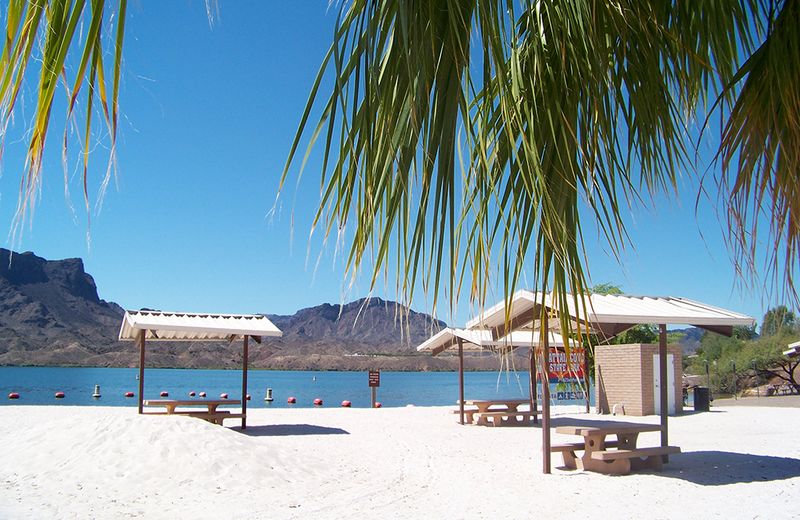
Most visitors to Lake Havasu City head straight for the London Bridge area, which means Cattail Cove State Park sits about ten miles south of the crowds and offers a noticeably quieter experience.
The beaches here feature soft white sand that genuinely surprises first-time visitors, who are not expecting Caribbean-quality shoreline in the middle of the Sonoran Desert.
The park maintains a protected swim area, a dog-friendly beach section, picnic ramadas, and a campground with sites right on the water. Boat-in camping is also available for those arriving by watercraft, making Cattail Cove popular with boaters looking for a quieter overnight stop away from the busiest marinas.
Summer weekends draw steady crowds, but the park rarely reaches the chaos level of the main Havasu waterfront. Reservations for campsites are strongly recommended from April through September.
The combination of soft sand, calm water, and pet-friendly amenities makes Cattail Cove a consistent favorite among locals who know Lake Havasu well.
10. River Island State Park, Parker
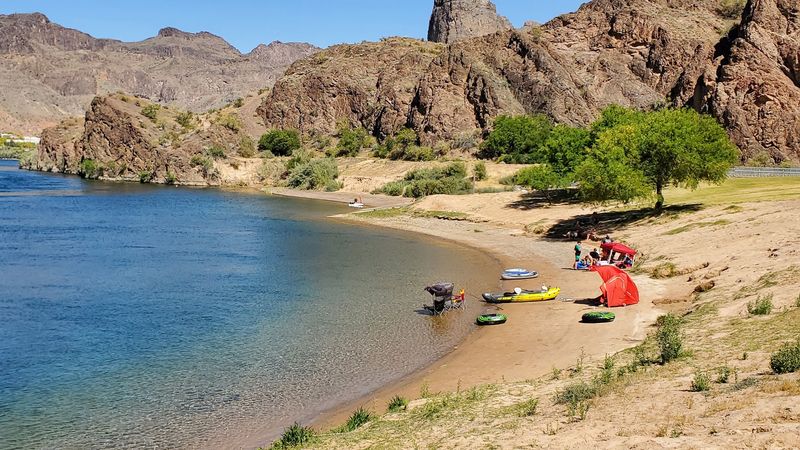
Tucked into a gentle cove along the Colorado River just north of Parker, River Island State Park earns its reputation as one of the most family-friendly swimming spots on the Arizona side of the river.
The beach is sandy, the water entry is gradual, and the surrounding cove keeps boat traffic well away from the swimming area.
Picnic ramadas, grills, and shade trees are spread throughout the park, making it easy to set up a comfortable base for a full day outdoors. The Parker Strip, which is the stretch of Colorado River running through this area, is known for its relaxed river culture and strong sense of community among regular visitors.
Compared to busier river destinations like Lake Havasu, Parker tends to attract a more local, low-key crowd. The park is compact enough to feel intimate rather than overwhelming, and the protected swim cove means parents can keep an easy eye on younger swimmers.
It is a straightforward, genuinely pleasant place to spend a hot Arizona day.
11. Katherine Landing, Bullhead City Area
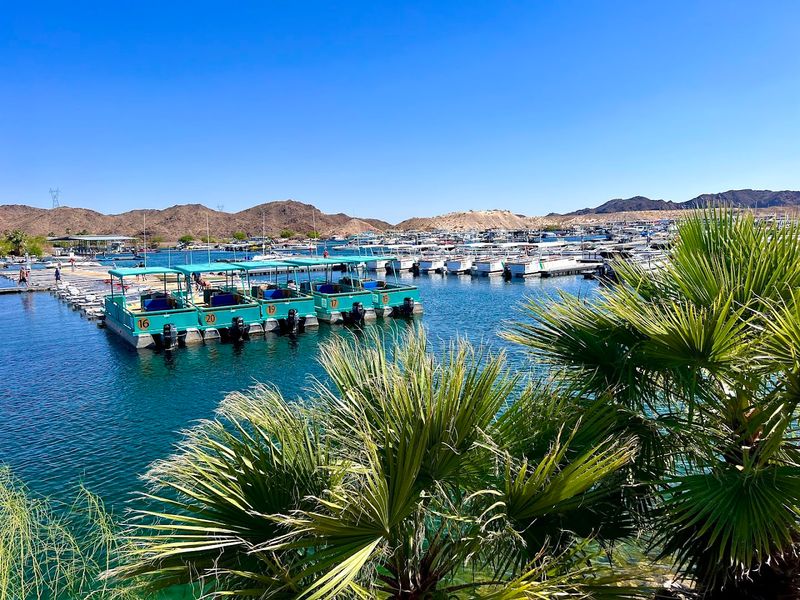
Katherine Landing sits on the Nevada-Arizona border at Lake Mohave, part of the Lake Mead National Recreation Area, just outside Bullhead City.
The water here runs a striking shade of blue, and the white sandy beach along the shoreline looks almost out of place against the surrounding brown desert mountains.
Boating, fishing, hiking, and picnicking are all well supported, and the marina offers boat rentals for visitors who arrive without their own watercraft. The lake itself stretches 67 miles between Hoover Dam and Davis Dam, giving paddlers and boaters plenty of open water to explore beyond the immediate beach area.
Katherine Landing tends to draw a mix of boaters, anglers, and casual beach visitors, and the atmosphere stays relaxed even on summer weekends.
Campground sites near the water fill up during peak season, so advance reservations through the National Recreation Area system are a practical necessity. For sheer scenery per square mile, Katherine Landing is genuinely hard to top in Arizona.