
11 Washington Wildlife Programs Where Curiosity Is All You Need To Volunteer Or Learn
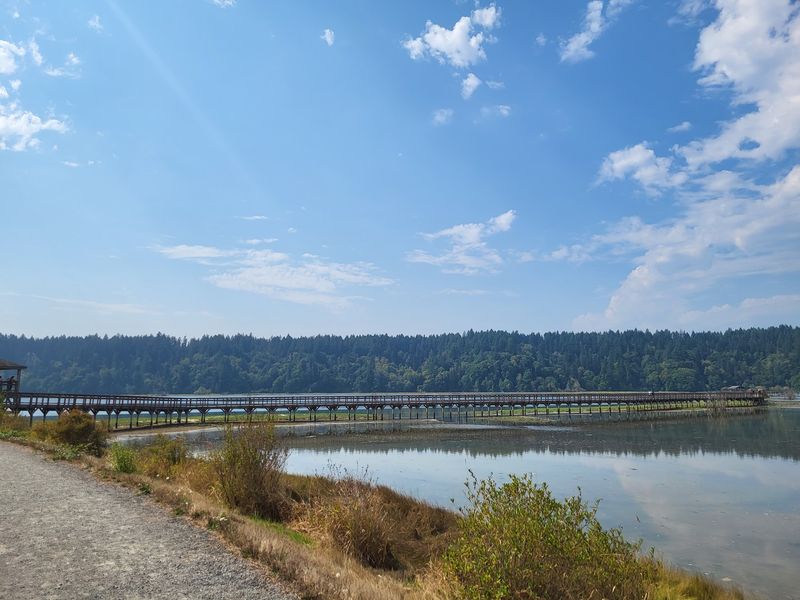
Somewhere in Washington right now, a rescued owl is blinking at a curious kid, a scientist is counting salmon in a cold river, and a volunteer is scrubbing a touch tank full of sea stars. The wild parts of this state are not just for looking at from a car window; plenty of places actually want your help or your questions.
You do not need a science degree or fancy gear to get involved, just a real interest in the creatures sharing your corner of the map. Here are eleven spots where showing up curious is more than enough.
1. North Cascades Environmental Learning Center
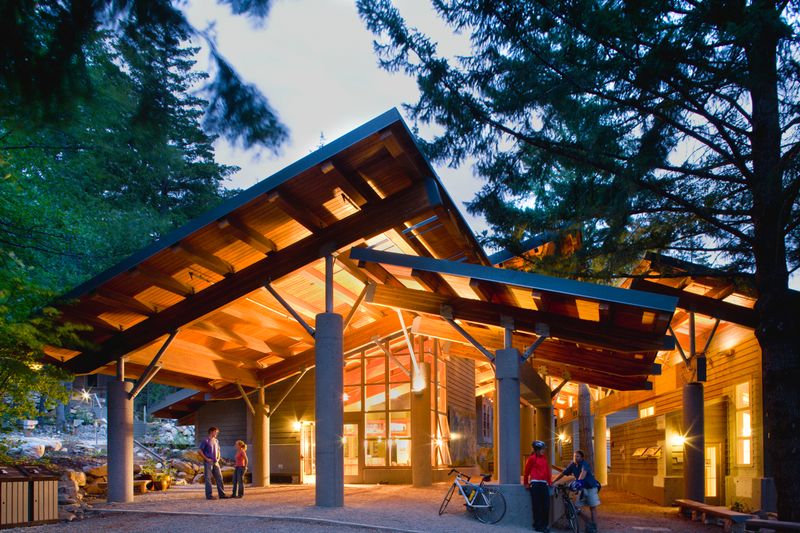
Wake up on the shore of a glacier-fed lake so blue it almost looks fake, and you have found the setting for one of Washington’s most immersive nature classrooms. Perched at 1940 Diablo Dam Rd in Rockport, this residential campus sits right inside North Cascades National Park.
Overnight lodging and Base Camp learning programs mean you can trade a hotel for a cabin near the water. Families, high school groups, and adults all find something here, whether it is a weekend lesson or a longer group retreat.
The volunteer programs are a favorite way to give back while soaking in the scenery, and past participants have raved about the absolutely beautiful setting and the genuinely helpful staff. The food gets high marks too, which never hurts.
Doors are open Wednesday through Sunday, 9 AM to 5 PM, with appointments required and free parking on site. Set roughly three hours from Seattle, it rewards the drive with cedar forests, quiet trails, and hands-on learning you simply cannot fake in a textbook.
2. Dungeness River Nature Center
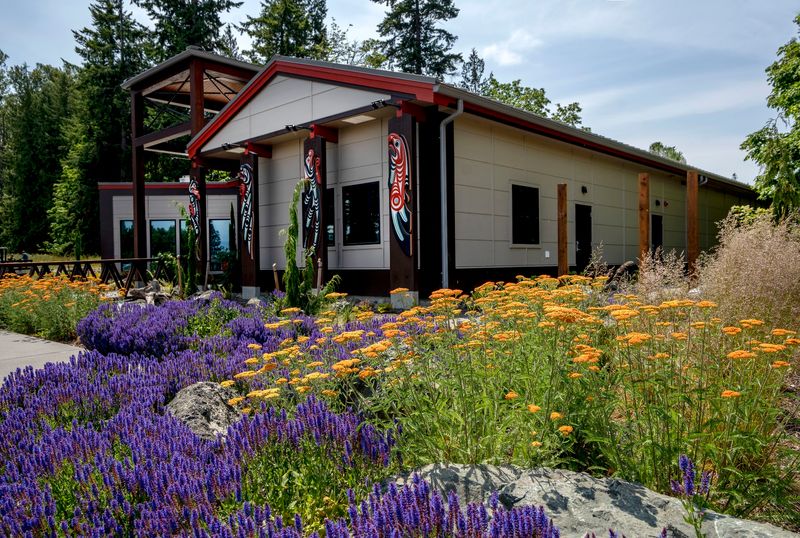
Picture a comfortable chair, a big window, and a parade of songbirds flitting to feeders just beyond the glass. That is the Wildlife Viewing Room at this Sequim gem, tucked at 1943 W Hendrickson Rd on the Olympic Peninsula.
The exhibit room holds dozens upon dozens of native wildlife examples arranged in their natural habitats, so you can study a Peninsula bird or mammal up close without ever leaving the building. A newer facility and an epic walking trail round out the experience.
Learning happens for every age and style here. Kids chase scavenger hunts, birders join guided walks, and adults dig into river ecology, while friendly staff answer questions with real enthusiasm.
Storytelling is part of the draw too, with connections to the region’s Indigenous heritage woven into the programs. Hours run Monday through Saturday 9 AM to 5 PM and Sunday noon to 5 PM, with picnic tables, restrooms, and free parking.
Dogs are welcome, kids are welcome, and curiosity is the only ticket you need.
3. Northwest Trek Wildlife Park
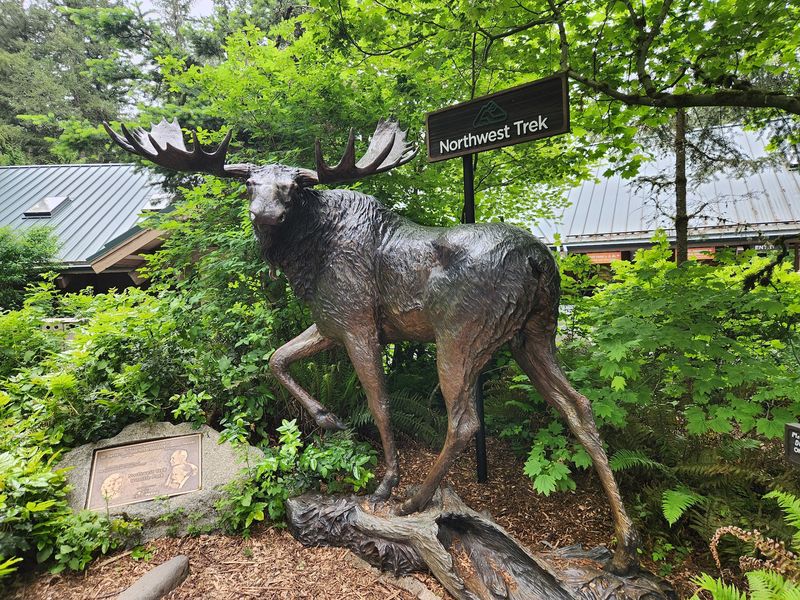
Rolling through a meadow while a keeper points out bison, elk, and mountain goats out your window feels a bit like a safari, except the animals are pure Pacific Northwest. That is the signature tram tour at Northwest Trek, set on sprawling grounds at 11610 Trek Dr E in rural Eatonville.
Beyond the driving loop, walking paths lead past owls, eagles, otters, a porcupine, and even a wolverine. Keeper commentary turns every stop into a lesson about how these creatures live and how we can help protect them for future generations.
Kids get a playground and birthday party options, while the cafe and gift shop keep the whole crew happy. Booking tickets ahead is smart, especially on busy weekend afternoons.
For those who want to give back, Nature Engagement Volunteer roles let you interpret the animals directly for guests. Hours are 9:30 AM to 4 PM weekdays and until 5 PM weekends, with immaculate grounds, dogs welcome inside, and parking that ranges from free to paid.
4. Turnbull National Wildlife Refuge
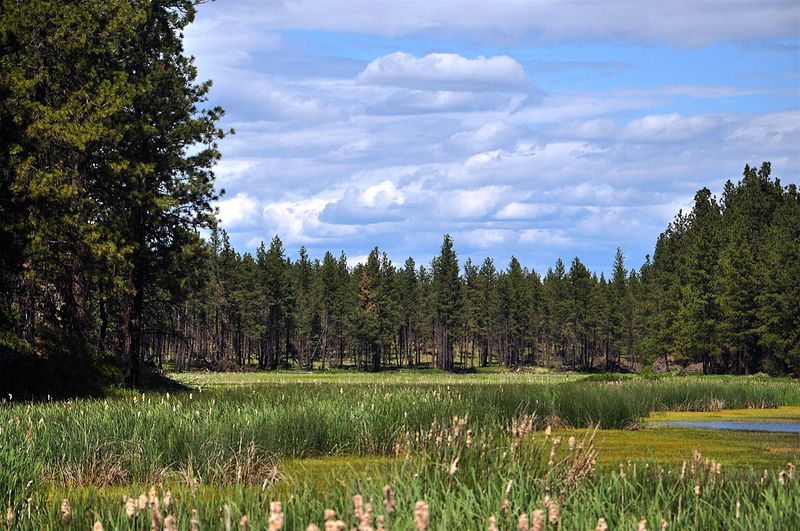
Sixteen thousand acres of wetlands and pine forest stretch out near Cheney, and the wildlife roster reads like a naturalist’s wish list. Geese, swans, pelicans, beavers, otters, porcupines, coyotes, deer, elk, and moose all call this Eastern Washington sanctuary home.
Found at 26010 S Smith Rd, Turnbull makes exploring easy. You can wander gentle trails on foot or cruise the five-mile auto tour, getting close to the action either way without a steep climb or special skills.
The visitor area adds a small store, an education center, and interactive displays that help you make sense of what you just spotted along the water. Interpretive stops turn a simple walk into a lesson on how these habitats fit together.
Birders especially love the opportunities here, and butterflies, bluebirds, and chipmunks keep younger explorers grinning. Picnic tables and restrooms make it a comfortable half-day outing.
Gates open daily from 6 AM to 8 PM, with free parking, dogs allowed, and kid-friendly hikes. It is a beautiful, low-key way to connect with nature and support a thriving natural habitat.
5. PAWS Wildlife Rehabilitation Center
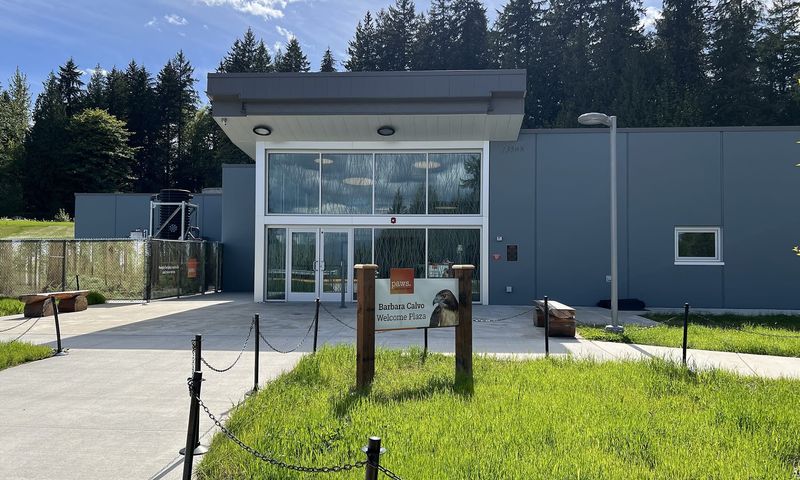
When someone finds an injured raccoon, a fledgling raven, or a grounded bald eagle in Western Washington, this Snohomish center is often the first call. Located at 13508 WA-9, PAWS takes in wildlife with no questions asked and does the critical, life-saving work of getting them healthy.
The compound itself is a lovely wooded property, and monitors let curious visitors watch rescued animals recovering without disturbing them. Eagles, bears, squirrels, and chickadees have all passed through these doors.
What makes it beginner-friendly is the training. Wildlife centers like this run on small dedicated staffs and a large corps of volunteers, so newcomers are welcomed, taught, and put to meaningful work caring for thousands of animals each year.
Beyond hands-on animal care, volunteers help with education and community outreach, spreading the word about coexisting with local fauna. Staff take real time to explain their programs and how they plan to care for each new arrival.
Summer hours run daily 8 AM to 7 PM, with parking both free and paid on site. Compassion plus a willingness to learn is all you truly need.
6. Sarvey Wildlife Care Center
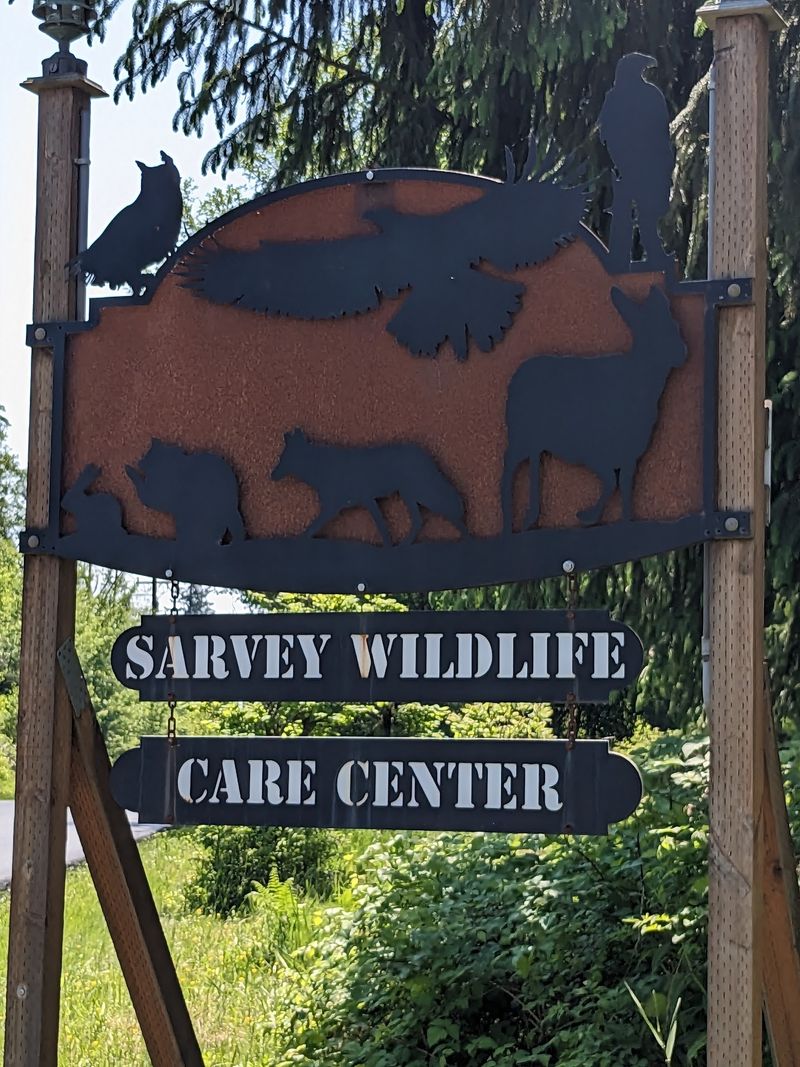
A tiny orphaned duckling named Trevor once spent a night in someone’s care thanks to the easy, friendly guidance handed out by this Arlington center. That kind of hands-on help sums up Sarvey Wildlife Care Center, sitting at 13106 148th St NE.
Helpful staff here specialize in orphaned, injured, sick, and abandoned wildlife, and their whole goal is rescue, rehabilitation, and release back into the wild to grow and thrive. The facilities earn steady praise, and drop-offs are made simple so people can act fast when they find an animal in trouble.
What sets it apart is how approachable the process feels for regular folks. You do not need training to bring in a wild animal, just the willingness to help, and the team walks you through overnight care instructions when needed.
The center does great things for creatures who cannot help themselves, and it depends on community members lending a hand. Doors are open daily from 8 AM to 5 PM.
For anyone who has ever wanted to be part of a happy release story, this is a wonderful place to start.
7. Wild Felid Advocacy Center of Washington
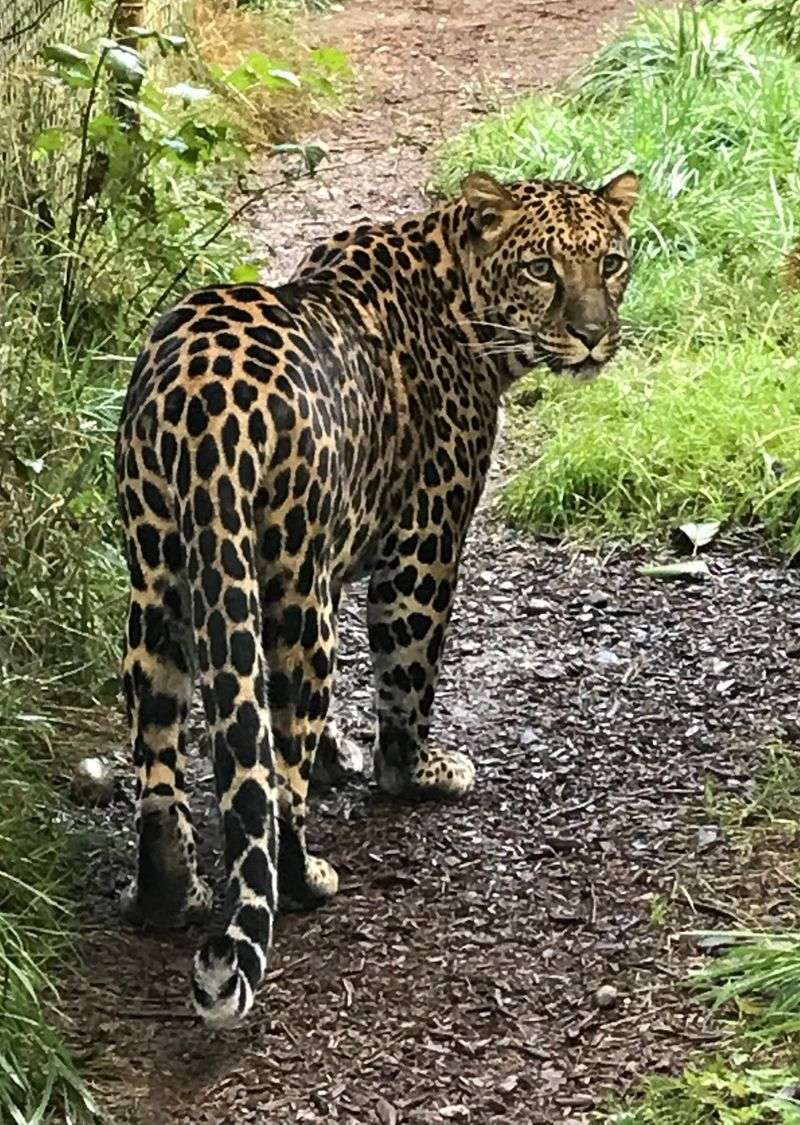
Big cats you can watch from just a few feet away, each with a story and a name a guide knows by heart, make this Harstine Island sanctuary unforgettable. Set at 3111 E Harstine Island Rd N in Shelton, it offers refuge to wild cats who can no longer live in the wild.
Tours are the heart of the experience, and the volunteer guides steal the show. Articulate, enthusiastic, and clearly smitten with their charges, they share details about every cat while helping visitors understand a mission that is equal parts noble and bittersweet.
The animals are strikingly well cared for and fascinating to see so close, kept in a setting where their comfort clearly comes first. That devotion shines through in how the staff talk about each resident.
Because everything runs on volunteer energy, there is a natural pull to get involved once you have visited. Onsite services keep the tours running smoothly.
If your curiosity leans toward the feline and the exotic, few Washington outings deliver such an intimate look at animals most people only see in documentaries.
8. Discovery Bay Wild Bird Rescue
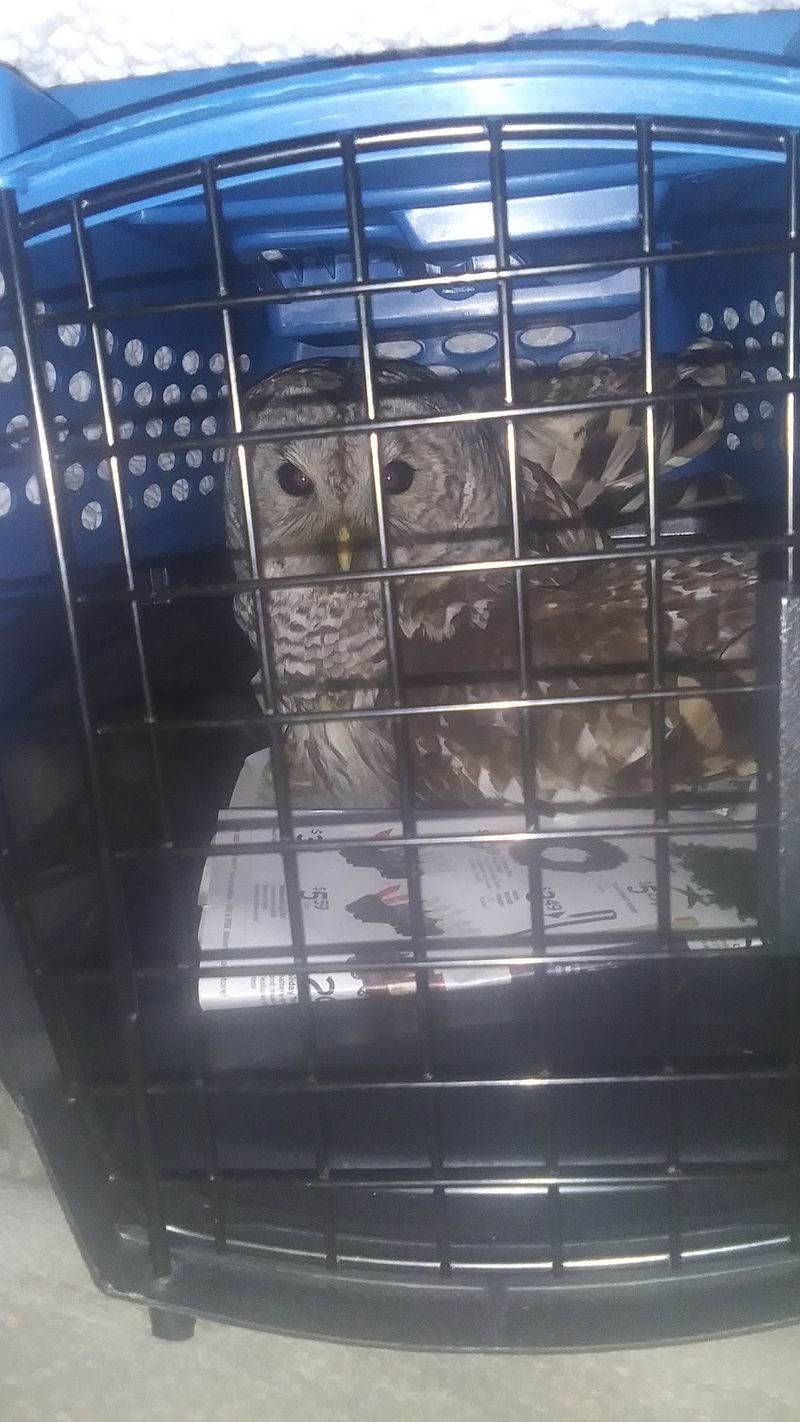
Find an injured barred owl in your yard or a pair of wee baby birds under a tree, and this Port Townsend rescue is the place that actually calls you back. Located at 1014 Parkridge Dr on the scenic Olympic Peninsula, it fills a real gap for wildlife help across Jefferson and Kitsap counties.
Licensed at both the state and federal level, the center is permitted for all birds, from eagles, hawks, and owls to seabirds, songbirds, and hummingbirds. Hundreds of birds are rehabilitated and released here every year, and transportation is often arranged so hurt animals reach care quickly.
Education sits right at the front of the mission. Using live bird ambassadors, the team brings native wild bird programs to schools and community events, showing people the challenges these species face and the roles they play in local ecosystems.
Community volunteers are woven into the work, teaming up with staff to assist injured birds and get them to qualified hands. Hours run through the week, from 9 AM starts down to weekend afternoons.
The important work here truly ripples outward.
9. Feiro Marine Life Center
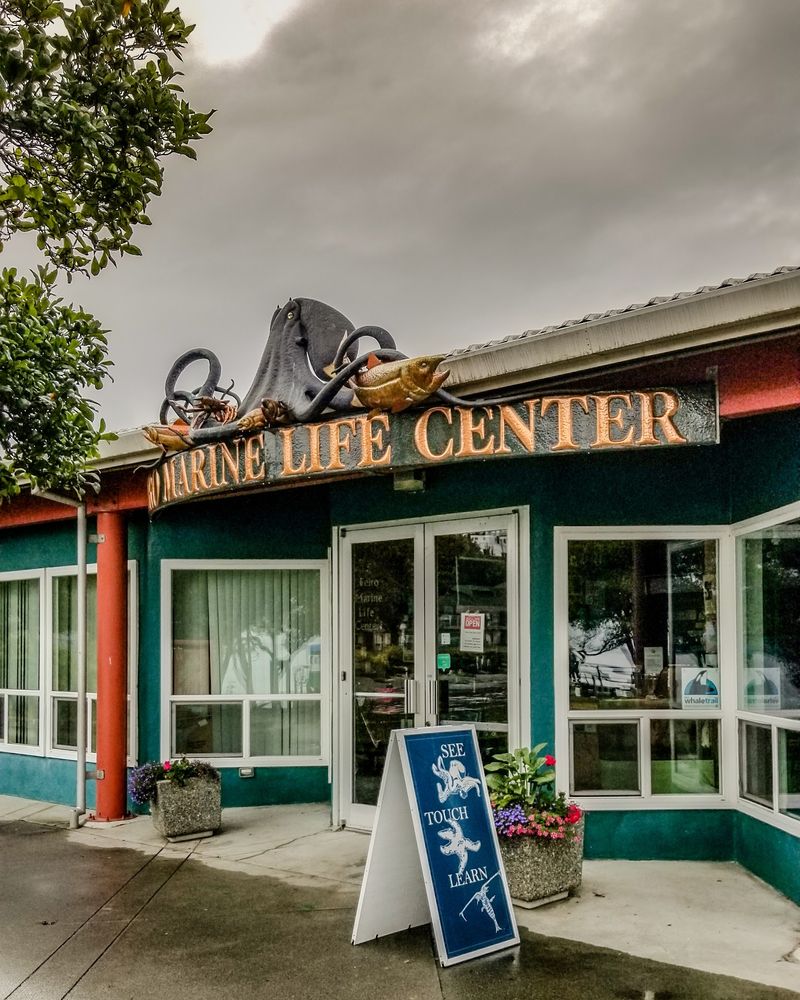
Getting to pet a sea urchin, a squishy sea cucumber, and a feather duster worm all in one afternoon turns any visit into a hands-on adventure. That is the magic of this small waterfront aquarium at 315 N Lincoln St in Port Angeles, built around three touch tanks and plenty of local marine life.
Kids reach in and meet sea stars, hermit crabs, and gunnels, while knowledgeable staff and volunteers answer every wide-eyed question. A sand table and interactive exhibits keep the learning playful, and the topics stretch to real conservation, including efforts to protect the Puget Sound and fight climate change.
A minimal entrance fee helps fund the educational programs and buys you genuine one-on-one time with staff, which is rare and refreshing. Birthday parties are even an option for a memorable ocean-themed celebration.
The center is run by locals who care deeply about the marine environment and love sharing it. Hours are 10 AM to 4 PM, closed Tuesday and Wednesday, with a gift shop and free parking.
For an affordable, curiosity-first outing, it is a community staple worth the stop.
10. SeaLife Response, Rehab, and Research
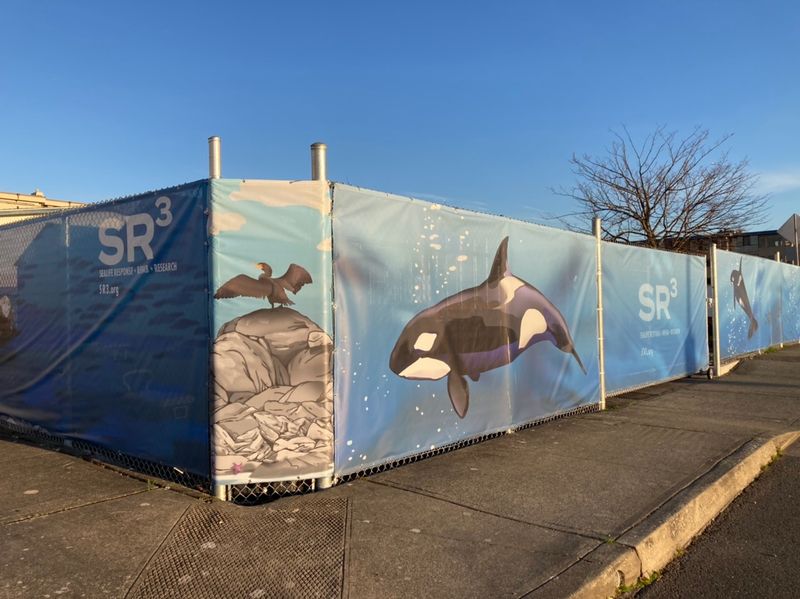
Stranded seals, entangled sea lions, and other struggling ocean creatures get a fighting chance at this dockside rescue in Des Moines. Known as SR3 and located at 22650 Dock Ave S, the organization is built around three simple R’s: response, rehabilitation, and research.
The work is genuinely impressive. Teams share responsibility for rescuing stranded and entangled sealife alongside the West Coast Marine Mammal Stranding Network, tribal governments, agencies, and nonprofits, making it a true regional lifeline for marine mammals.
What makes it worth learning about is the window it opens into ocean health. Visiting and supporting SR3 is an eye-opening way to understand marine rescue, and it consistently earns a reputation as a nonprofit truly worth backing.
Education and awareness run through everything the facility does, spreading the word about the creatures that inhabit our waters and why they matter. The Pacific Northwest leans on this group to assist local marine life in real, measurable ways.
Onsite services keep the operation running daily from 9 AM to 5 PM. For anyone curious about the animals beneath Puget Sound’s surface, it is an inspiring place to connect.
11. Billy Frank Jr. Nisqually National Wildlife Refuge
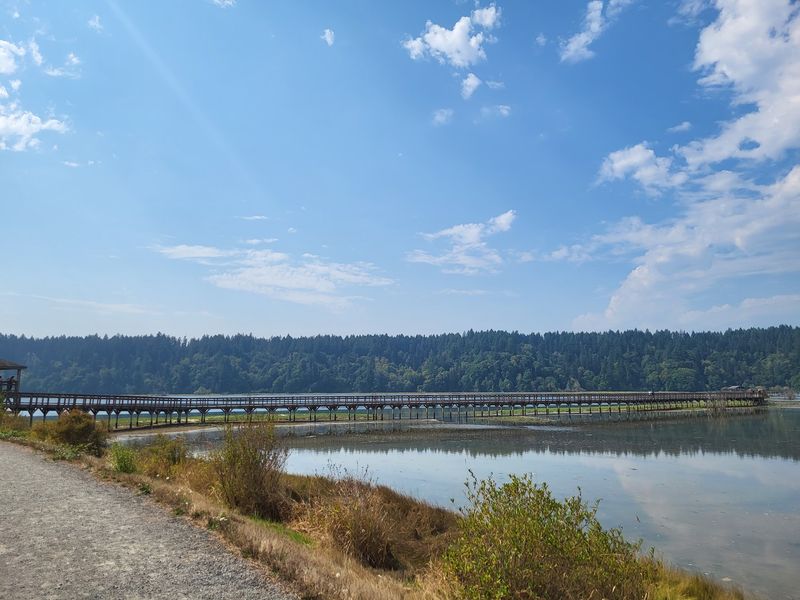
A two-mile boardwalk floating out over a tidal estuary, with birds wheeling overhead and mountains framing the horizon, might be the most peaceful walk in the South Sound. That view awaits at this 762-acre refuge at 100 Brown Farm Rd NE in Olympia, along the Nisqually River Delta.
Well-maintained bridges and clear paths make the five miles of trails welcoming for nearly everyone, and interpretive signs along the way explain the wildlife, plants, and cultural history of the delta. Those signs also honor the legacy of Billy Frank Jr. and the Medicine Creek Treaty.
The visitor center, open 9 to 4, adds a small gift shop and an exhibition that teaches the history of the Nisqually River and its wildlife. It is a lovely place to slow down and actually understand the land you are standing on.
Birdwatching and even whale-watching opportunities reward patient visitors, while a play area and kid-friendly hikes keep families happy. Picnic tables, restrooms, and parking round it out.
Serene, educational, and rich with biodiversity, it makes a fitting, budget-friendly finish to any Washington wildlife adventure.