
12 Colorado Basilicas, Cathedrals, And Shrines Worth A Meaningful 2026 Road Trip
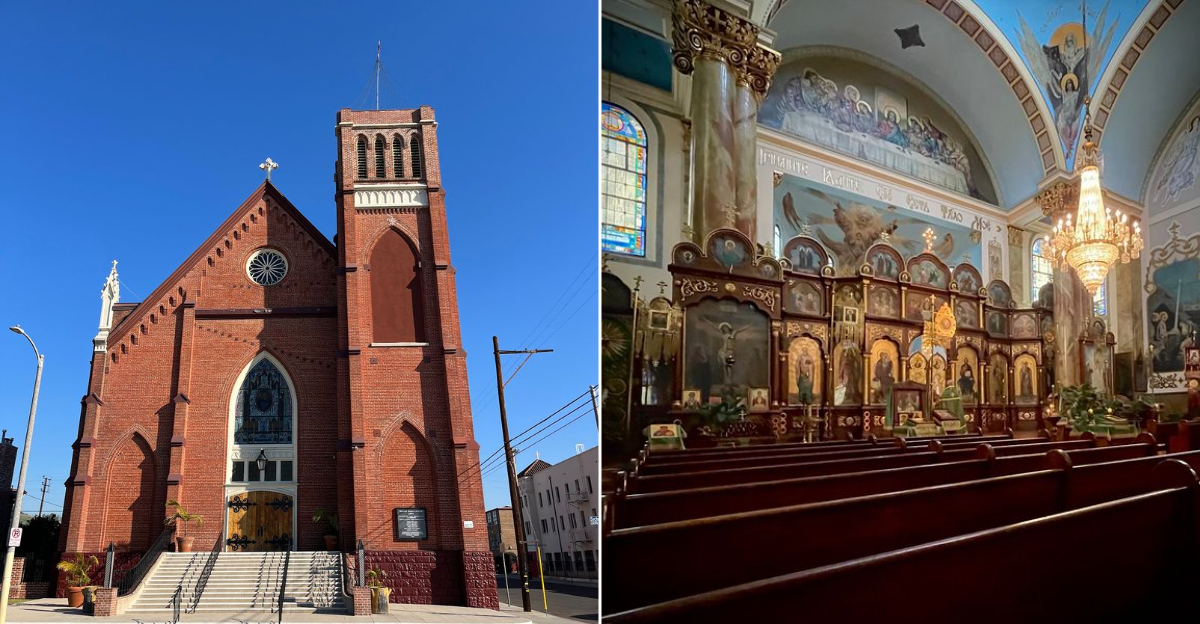
Sacred places can change the mood of a road trip faster than any scenic overlook.
Beyond the ski towns and mountain highways, travelers crossing Colorado can find churches, shrines, and basilicas that carry centuries of faith, artistry, and local history within their walls.
Some rise above busy streets, while others sit in communities where the surrounding silence seems to make every detail stand out more sharply.
You do not need to arrive with a religious itinerary to appreciate them.
Architecture, stained glass, stonework, and the stories behind these spaces give each stop its own reason to linger.
What makes the journey especially rewarding is how different every setting can be.
Across Colorado, sacred landmarks reveal another layer of the state, one that rarely gets the same attention as peaks and trails.
Bring a camera, leave room for quiet moments, and expect the road trip to feel richer by the end.
1. Shrine of the Stations of the Cross
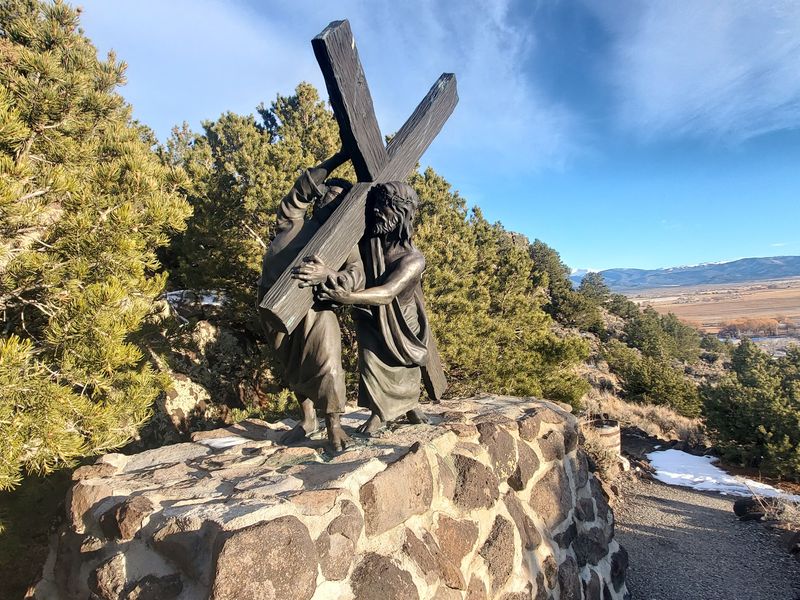
San Luis is the oldest town in Colorado, and perched above it on a mesa is one of the most moving outdoor shrines you will ever walk through. The Shrine of the Stations of the Cross features life-size bronze sculptures by artist Huberto Maestas, telling the story of Christ’s journey to the cross along a winding hillside path.
The walk itself is meditative and unhurried. You can take your time between each station, and the views of the San Luis Valley stretching out below you are genuinely stunning.
Morning light hits the bronze figures in a way that feels almost cinematic, so arriving early is worth the effort.
San Luis sits in southern Colorado near the New Mexico border, making it a natural anchor for a longer southern loop road trip. The town also has a small museum and local shops worth exploring after your visit.
This is the kind of stop that surprises people who expected a quick photo op and instead found themselves standing quietly for much longer than planned. Go with comfortable walking shoes and an open mind.
2. Christ of the Mines Shrine
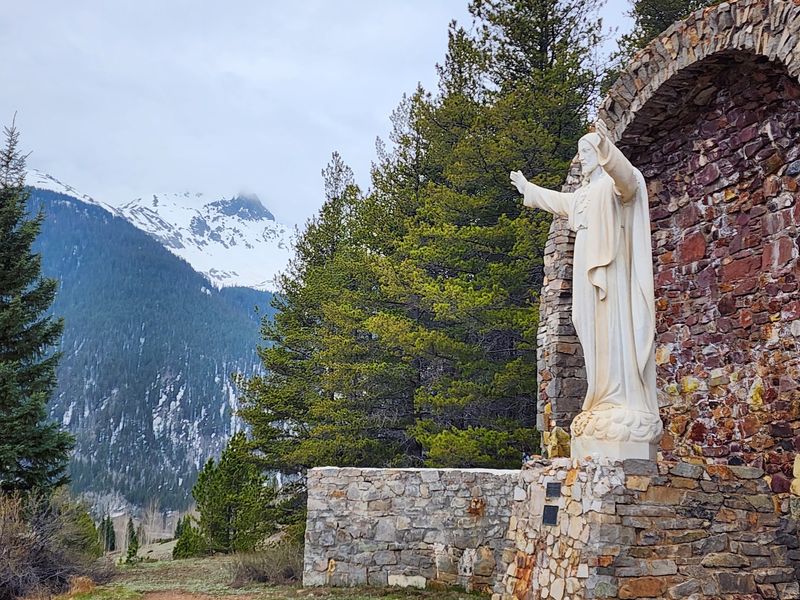
Silverton is the kind of mountain town that feels like it was built for postcards, and standing watch over it from a rocky hillside is the Christ of the Mines Shrine. The white Carrara marble statue was installed in 1959 by local miners and their families who wanted to honor those who worked and died in the surrounding silver mines.
Getting up to the shrine requires a short but steep hike, and the reward is a panoramic view of Silverton and the surrounding San Juan Mountains that genuinely earns the effort. The statue itself is carved with surprising detail, and the setting against those jagged peaks makes it feel larger than its actual size.
Silverton sits along the famous Million Dollar Highway, one of the most scenic drives in the entire country. Pairing this shrine visit with a ride on the Durango and Silverton Narrow Gauge Railroad makes for an unforgettable full day.
The town is small but packed with good food and old-west character. Plan your visit for late summer when the wildflowers are blooming and the mountain roads are reliably clear for the drive in.
3. Shrine of Our Lady of Guadalupe
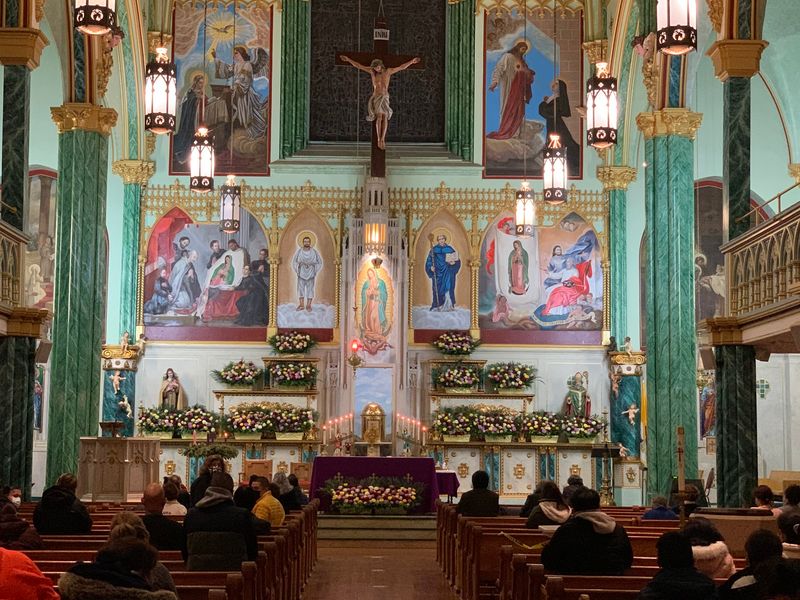
Not every meaningful stop on a road trip has to be grand in scale. The Shrine of Our Lady of Guadalupe in Fruita, Colorado is a quiet, community-centered place that carries real devotional warmth.
Located at 1210 17 1/2 Rd, this shrine reflects the deep Catholic traditions that have shaped so much of western Colorado’s cultural identity.
Fruita itself sits near the Utah border and is better known among mountain bikers and dinosaur fossil hunters, which makes this shrine a genuinely unexpected discovery. Stopping here feels like finding a handwritten letter tucked inside a library book.
It’s personal and sincere in a way that polished tourist destinations rarely manage.
The surrounding area gives you plenty to pair with the visit. Colorado National Monument is just minutes away, and the town of Fruita has developed a solid food scene over the past decade.
If you’re building a western Colorado loop, this shrine fits naturally between Grand Junction and the monument entrance. Visiting on a weekend morning tends to offer a calmer, more reflective experience.
Bring a moment of stillness with you and you’ll leave with something that feels genuinely earned.
4. Camp St. Malo Shrine and St. Catherine of Siena Chapel on the Rock
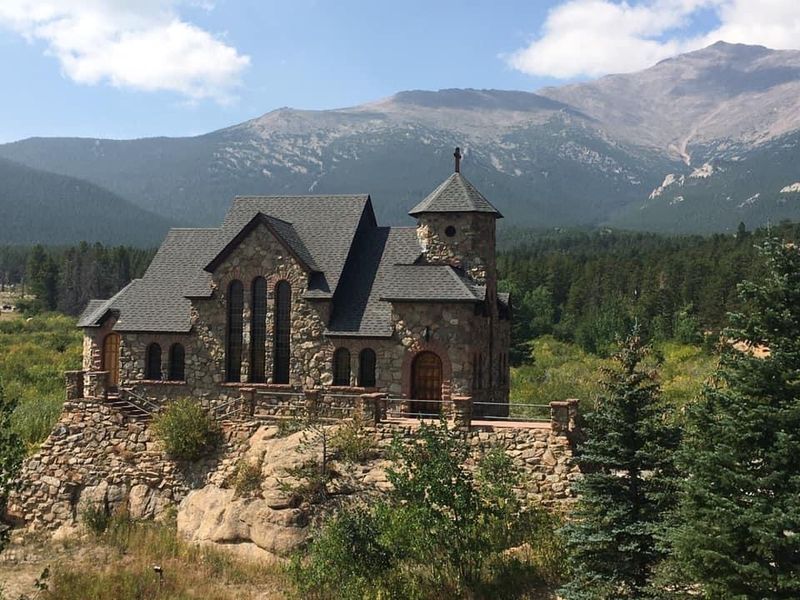
Few chapels in America have a more dramatic address than this one. Perched on a massive granite boulder along Colorado Highway 7 near Allenspark, the St. Catherine of Siena Chapel on the Rock looks like it grew directly out of the mountain itself.
It was built in the 1930s and has been drawing visitors ever since, many of whom spot it from the road and pull over without even planning to stop.
The chapel seats only a small number of people, which gives any visit an intimate quality that larger churches simply cannot replicate. Sunday Mass is held here during warmer months, and attending one is an experience that tends to stay with people for years.
The surrounding Camp St. Malo grounds add to the sense of peaceful retreat.
This location sits along the Peak to Peak Scenic Byway, one of Colorado’s most beloved mountain drives. Rocky Mountain National Park is nearby, so the chapel pairs beautifully with a day spent hiking or wildlife watching in the park.
Arriving mid-morning on a weekday gives you the best chance of a quiet, uncrowded visit. The combination of natural drama and architectural simplicity here is genuinely hard to beat anywhere in the state.
5. Shrine of St. Therese
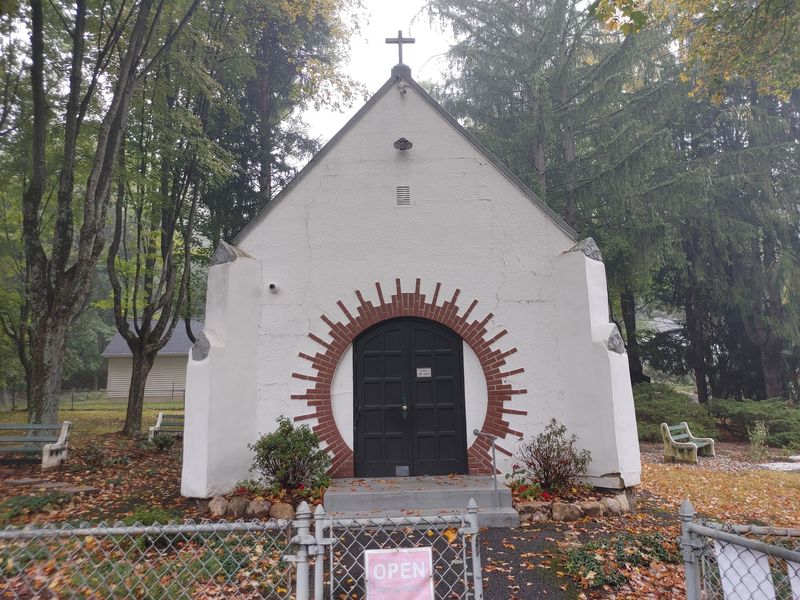
Pueblo has a rich Catholic heritage, and the Shrine of St. Therese at 300 Goodnight Ave is one of the quieter expressions of that tradition. Named for the beloved French saint known as the Little Flower, this shrine offers a contemplative space that feels genuinely removed from the noise of everyday life, even though it sits within a city neighborhood.
St. Therese herself was known for finding holiness in small, everyday acts rather than grand gestures, and that spirit seems to settle over this place in a fitting way. Visitors often describe the grounds as calming, the kind of spot where you instinctively slow down and breathe a little deeper without anyone telling you to.
Pueblo is a city that rewards unhurried exploration. The Historic Arkansas Riverwalk area is worth an afternoon, and the city’s steel-town history gives it a working-class authenticity that feels refreshing.
Pairing this shrine with a visit to the Cathedral of the Sacred Heart nearby makes for a meaningful half-day focused on Pueblo’s spiritual architecture. The drive from Colorado Springs takes under an hour, making this an easy addition to a southern Colorado weekend loop.
Go on a weekday for the most peaceful experience.
6. Cathedral of the Sacred Heart
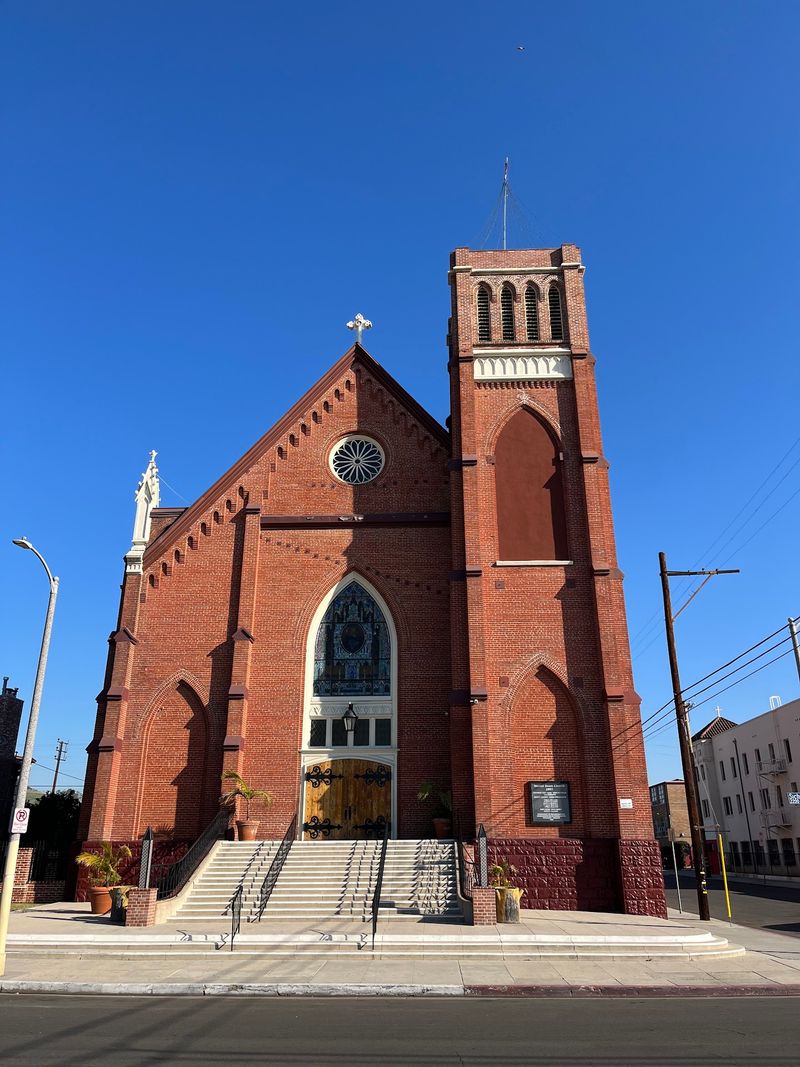
Standing at 414 W 11th St in Pueblo, the Cathedral of the Sacred Heart is the kind of building that stops you mid-stride. Its Romanesque architecture and twin towers announce themselves with real authority, and stepping inside reveals an interior rich with stained glass, carved woodwork, and the particular hush that old stone churches seem to hold naturally.
Pueblo is sometimes overlooked on Colorado road trips in favor of flashier destinations, but that is genuinely a mistake. The Cathedral of the Sacred Heart has served this community for well over a century, and the layers of history embedded in its walls give it a depth that newer religious buildings simply have not had time to develop yet.
The cathedral sits in downtown Pueblo, making it easy to combine with a walking tour of the surrounding historic district. Architecture lovers will find plenty to study in the facade details and interior appointments.
Morning light through the stained glass windows is particularly beautiful, so arriving before noon is worth the early start. If you are building a Pueblo stop into a larger southern Colorado route, this cathedral and the nearby Shrine of St. Therese can anchor a genuinely satisfying half-day of exploration without any rush.
7. Shrine of St. Anne
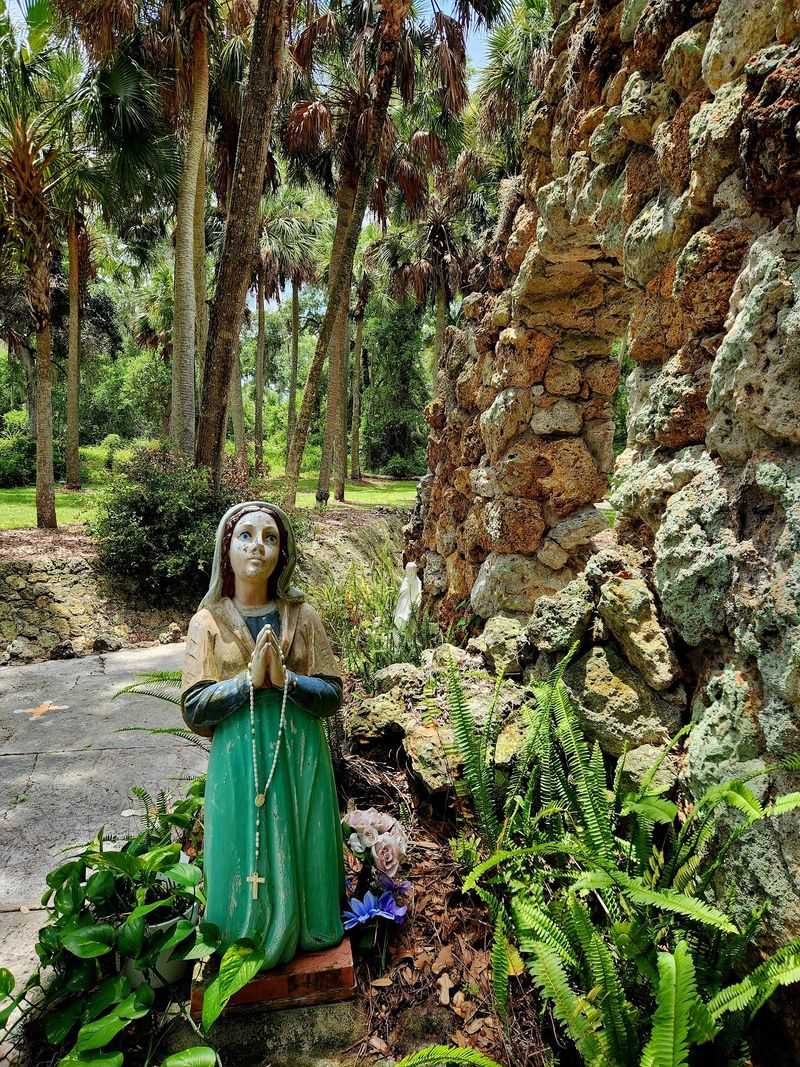
Arvada sits just northwest of Denver, close enough for a quick city escape but far enough to feel like its own place. The Shrine of St. Anne at 7555 Grant Pl is a beloved local landmark with a devotional garden and outdoor spaces that invite slow, quiet walking rather than hurried sightseeing.
St. Anne, the grandmother of Jesus in Catholic tradition, is honored here with a warmth that feels genuinely familial.
The grounds are well maintained and carry that particular quality of places where people have been praying consistently for decades. There is a cumulative peace to spaces like this that is hard to explain but very easy to feel once you are standing in them.
Families, older couples, and solo visitors all seem to find what they are looking for here.
Arvada has grown considerably in recent years and now has a charming historic Olde Town district with good restaurants and independent shops. Combining the shrine visit with a stroll through Olde Town Arvada makes for a satisfying and unhurried afternoon.
The location is easy to reach from Denver without highway stress, and parking near the shrine is generally manageable. Consider visiting on a weekday morning when the grounds are at their quietest and most reflective.
8. St. Mary’s Cathedral
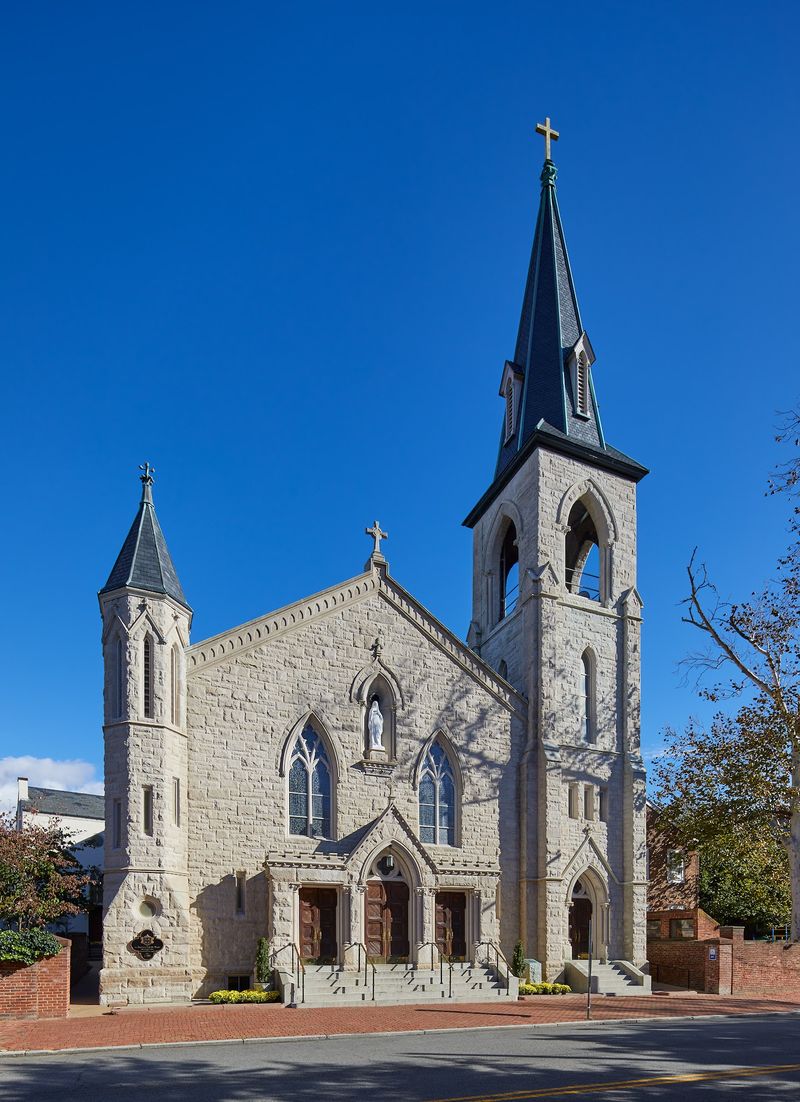
Colorado Springs has Pikes Peak on one side and a surprisingly rich collection of historic architecture on the other. St. Mary’s Cathedral at 22 W Kiowa St is one of the city’s finest examples, a Gothic Revival structure with a spire that cuts a clean line against the Colorado sky.
The building has anchored downtown Colorado Springs for generations and remains an active parish with a welcoming presence.
Walking inside feels like stepping into a different century. The stained glass windows are particularly impressive, filtering light into colors that shift slowly across the stone floor as the day progresses.
If you have any interest in sacred art or architectural history, this is the kind of interior that rewards a long, unhurried look around every corner.
Downtown Colorado Springs has enough going on to fill a full day around this stop. The Colorado Springs Fine Arts Center and the nearby Acacia Park area are both worth your time.
The cathedral is within easy walking distance of several good lunch spots, which makes the logistics pleasantly simple. Pikes Peak and Garden of the Gods are obvious add-ons for a longer weekend visit.
Early afternoon light tends to be especially flattering inside the cathedral, so plan accordingly if photography matters to you.
9. Holy Transfiguration of Christ Orthodox Cathedral
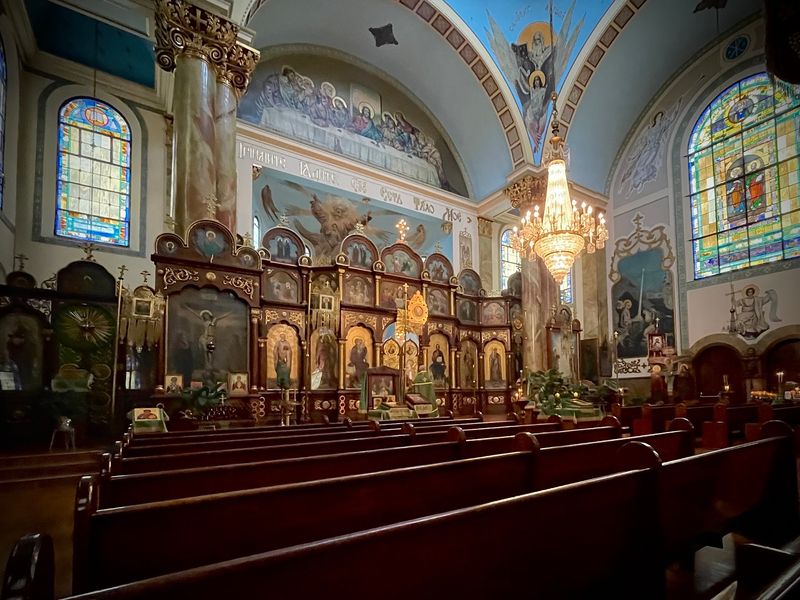
Denver’s religious architecture tells a story of remarkable diversity, and the Holy Transfiguration of Christ Orthodox Cathedral at 349 E 47th Ave is one of its most visually distinctive chapters. Eastern Orthodox churches operate with a completely different visual vocabulary than Western Christian buildings, and stepping inside this cathedral for the first time is a genuinely arresting experience for anyone who hasn’t encountered this tradition before.
The iconography covering the walls and ceiling follows centuries-old Byzantine conventions, and the effect is total immersion in a sacred visual world that feels ancient and alive at the same time. The golden tones, the deep reds, the formal yet tender faces of saints looking down from every surface – it’s a lot to take in, and that is entirely the point.
The cathedral sits in north Denver, not far from the River North Art District, which makes for an interesting pairing of the very old and the very new in a single afternoon. Visitors of any background are generally welcome to look around outside of service times, but calling ahead to confirm visiting hours is always a good idea with active parishes.
This is one of those stops that people who stumble onto it tend to mention for years afterward.
10. Assumption of the Theotokos Greek Orthodox Cathedral
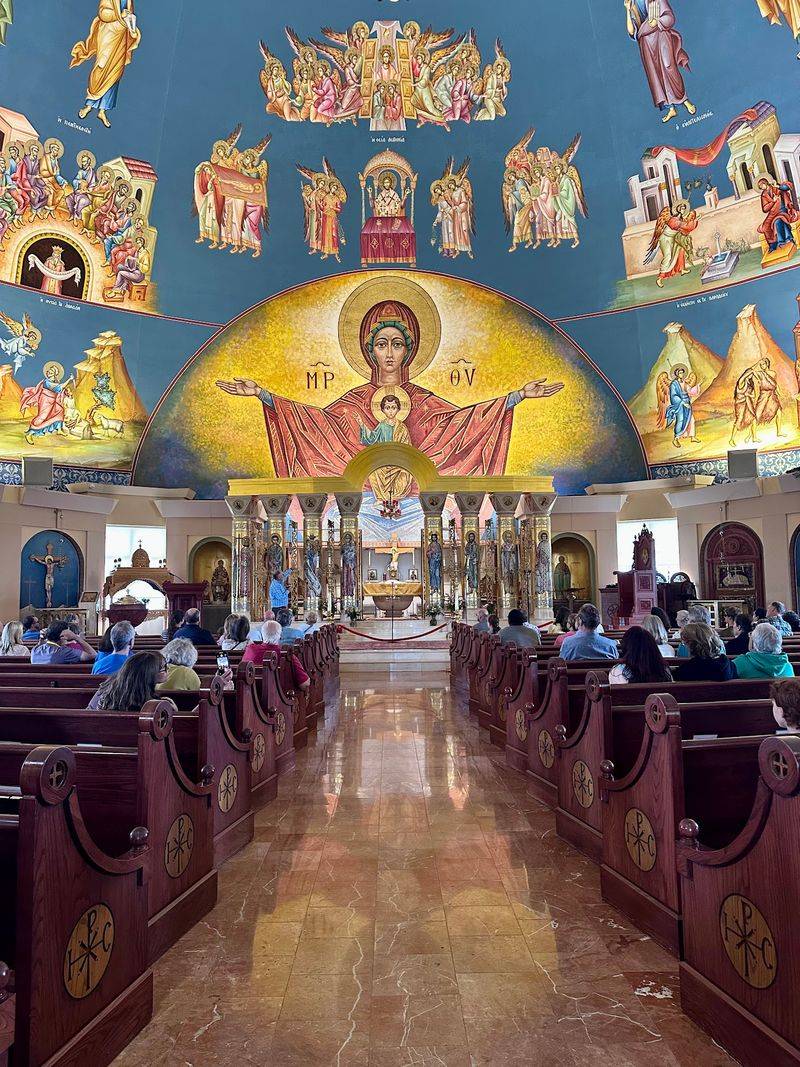
Greek Orthodox churches carry a visual and spiritual tradition that stretches back nearly two thousand years, and the Assumption of the Theotokos Greek Orthodox Cathedral at 4610 E Alameda Ave in Denver brings that tradition firmly into the heart of a modern American city. The name itself, Theotokos, is the Greek title for the Virgin Mary meaning God-bearer, and it signals immediately that you are stepping into a world with its own deep theological language.
The interior follows the classic Orthodox layout, with an iconostasis screen separating the nave from the sanctuary and icons arranged according to liturgical tradition rather than decorative preference. For visitors unfamiliar with Eastern Christianity, this cathedral offers a genuinely educational experience wrapped inside something visually beautiful.
The East Alameda corridor in Denver has a neighborhood feel that rewards wandering before or after your visit. Cherry Creek is close by and offers excellent dining options for a post-visit meal.
If you are already planning to visit the Holy Transfiguration Cathedral in north Denver, combining both Orthodox stops in a single day gives you a fascinating comparison of how two different Orthodox traditions express the same ancient faith. Arrive during daylight hours for the best experience of the interior light and iconographic detail.
11. Saint John’s Cathedral
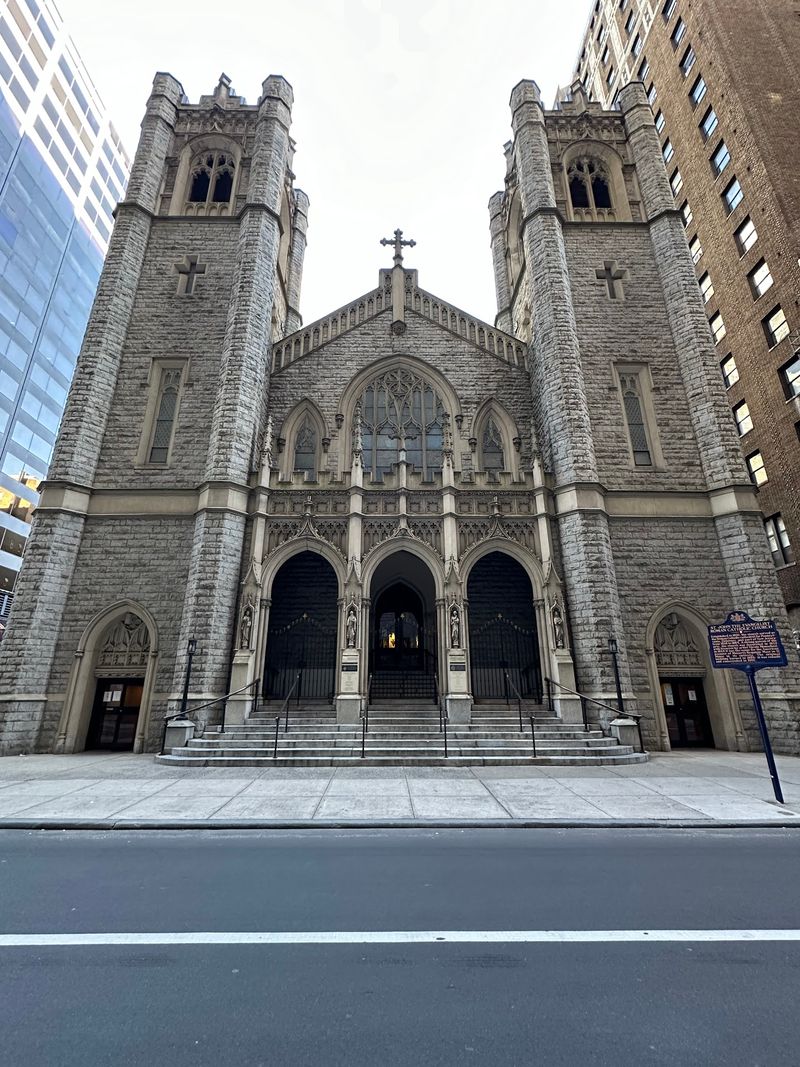
There is something quietly magnificent about Saint John’s Cathedral at 1350 N Washington St in Denver. This Episcopal cathedral has been under construction in one form or another for over a century, which gives it a living, evolving quality that finished buildings rarely possess.
The Gothic architecture is serious and ambitious, with stone towers and arched windows that would look at home in an English cathedral city.
The interior is full of craftsmanship worth studying closely. The woodwork, the stonework, the stained glass all reflect generations of skilled hands contributing to something larger than any single era.
There is a particular kind of beauty that comes from long, patient building, and Saint John’s has it in abundance.
The cathedral sits in the Capitol Hill neighborhood, one of Denver’s most historically layered districts. The Colorado State Capitol building is a short walk away, and the neighborhood has independent coffee shops and bookstores that make for a satisfying afternoon of wandering.
Saint John’s is an active congregation and also hosts concerts and community events throughout the year, so checking their calendar before your visit is a smart move. Weekend mornings tend to be the most atmospheric time to visit, especially when the bells are ringing and the neighborhood is just waking up.
12. Cathedral Basilica of the Immaculate Conception
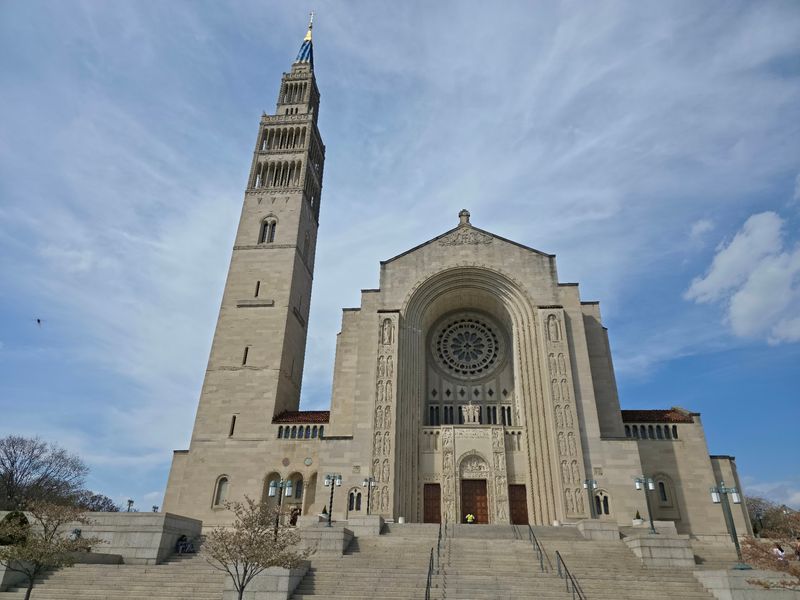
If Colorado has a crown jewel of sacred architecture, it lives at 401 E Colfax Ave in Denver. The Cathedral Basilica of the Immaculate Conception is a French Gothic masterpiece with twin spires that have defined the Denver skyline since the early twentieth century.
Elevated to basilica status by Pope John Paul II in 1979, it carries both architectural and spiritual significance that few buildings in the American West can match.
The interior is staggering. Seventy-five stained glass windows imported from Bavaria fill the space with color and light in a way that genuinely stops people mid-step.
The vaulted ceilings soar overhead, and the sense of scale is amplified rather than diminished once you are inside. Photography is permitted in many areas, but honestly, no photograph fully captures what it feels like to stand in that nave.
Colfax Avenue itself is one of Denver’s most storied streets, running through neighborhoods that range from historic to quirky to revitalized. The State Capitol is steps away, and the Golden Triangle Museum District is nearby for those wanting a full cultural day.
Parking on Colfax can be tricky on weekends, so arriving early or using public transit from downtown saves real frustration. This is the stop that anchors the entire Colorado road trip with something genuinely unforgettable.