
12 Florida Gulf Coast Shelling Spots Where Sand Dollars And Secret Gems Wait
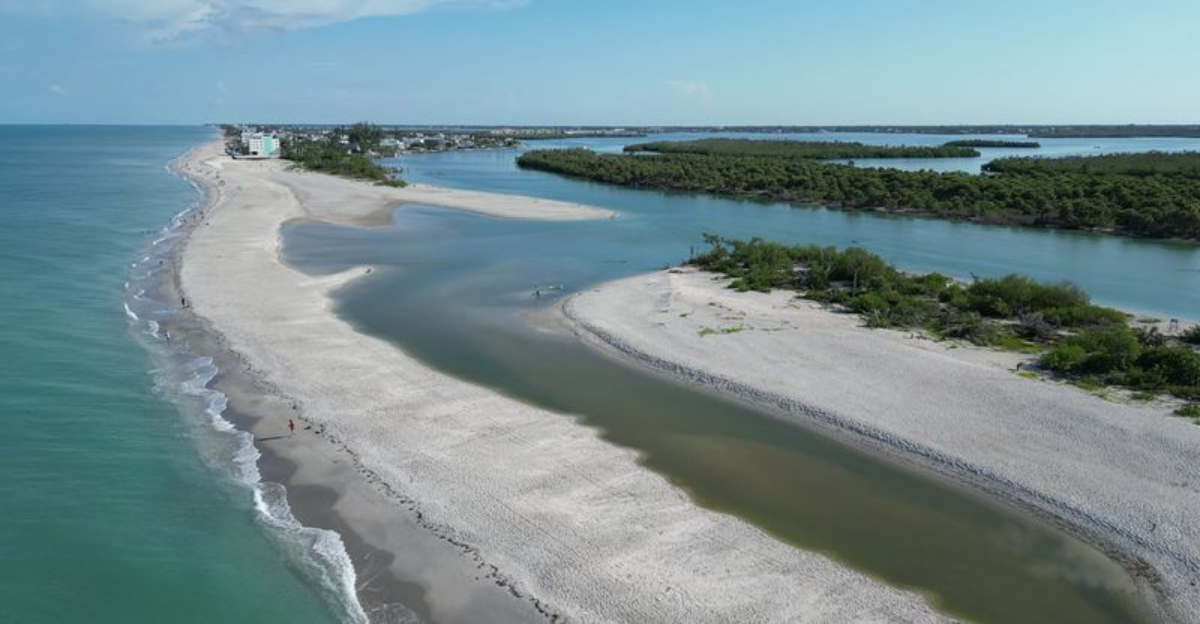
Some people visit the beach to relax.
Others spend the morning bent over the shoreline, celebrating a shell like they just discovered buried treasure.
Along Florida’s Gulf Coast, that behavior is reasonable.
Warm waves roll across pale sand, leaving behind spirals, scallops, sand dollars, and enough finds to turn a walk into a full-scale mission.
The best part is that no two tides deliver the same collection.
One morning brings treasures scattered everywhere.
The next makes you work for them, because Florida apparently enjoys keeping collectors humble.
These beaches range from shelling destinations to quieter stretches where footprints are scarce and patience is rewarded.
Each offers a different shoreline, rhythm, and reason to keep looking down.
Bring a mesh bag.
Wear sunscreen.
Prepare to say “just one more shell” at least twenty times.
Florida has twelve Gulf Coast spots where the sand holds surprises, and leaving empty-handed seems almost impossible.
1. Bowman’s Beach, Sanibel
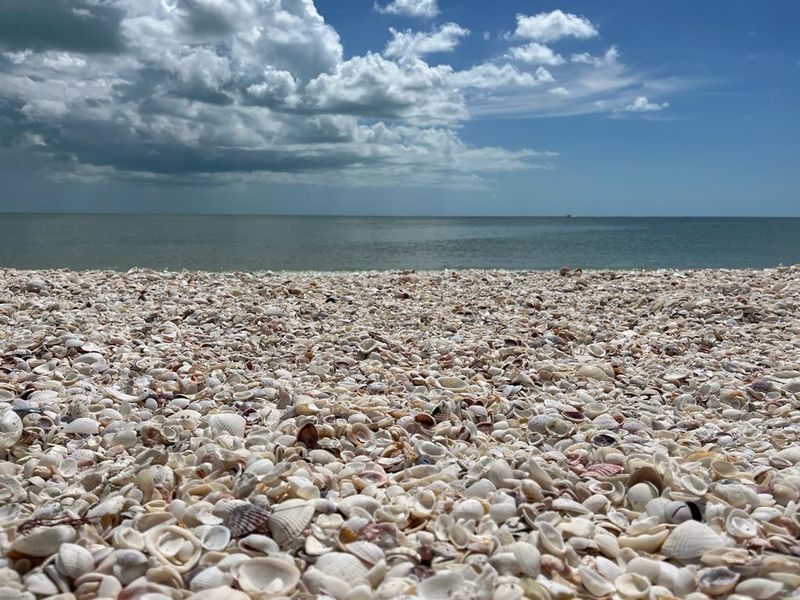
Nobody warned me that Bowman’s Beach would completely ruin every other beach for me, and honestly, I am still not over it.
Bowman’s Beach sits at 1700 Bowmans Beach Rd, Sanibel, FL 33957, tucked away on the northwest end of Sanibel Island, which means the crowds thin out fast and the shells pile up generously.
Sanibel Island is world-famous for a phenomenon called the “Sanibel Stoop,” which is the bent-over posture every shell hunter adopts while scanning the sand.
Bowman’s is one of the best places on the island to practice it, with lightning whelks, junonia, and sand dollars showing up regularly after a good tide.
The walk from the parking area to the beach is about a quarter mile, which keeps casual visitors away and rewards the dedicated shellers.
Arrive at low tide for the best haul, and bring a mesh bag so the sand drains easily as you collect.
Leaving this beach empty-handed feels nearly impossible, and leaving on time feels even harder.
2. Lighthouse Beach Park, Sanibel
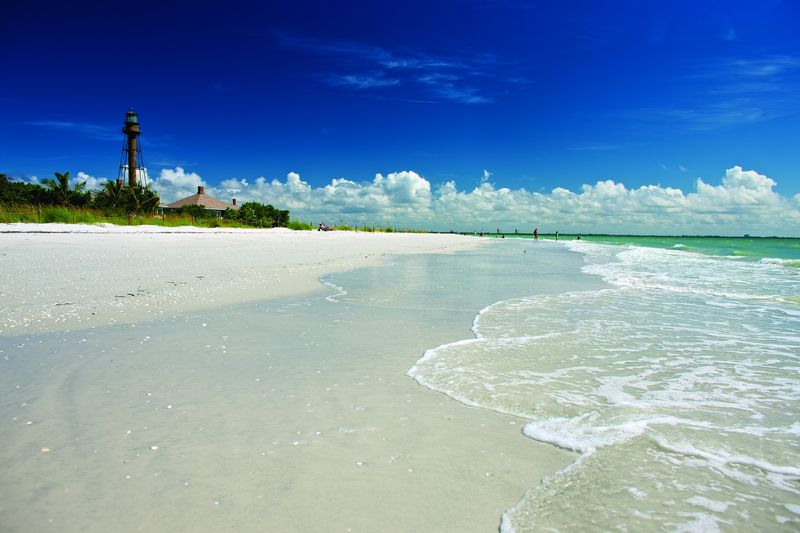
There is something quietly thrilling about shelling in the shadow of a lighthouse that has stood since 1884, and Lighthouse Beach Park on Sanibel delivers exactly that feeling.
Located at 110 Periwinkle Way, Sanibel, FL 33957, this park sits at the eastern tip of Sanibel Island where the Gulf of Mexico and San Carlos Bay meet and push shells together in satisfying numbers.
The convergence of two bodies of water creates a unique tidal pattern that deposits a surprisingly varied mix of shells along the shoreline.
Alphabet cones, horse conchs, and tulip shells are common finds here, and the occasional sand dollar makes an appearance after a strong tide rolls through.
The park also has a fishing pier, shaded picnic areas, and a boardwalk, so it is easy to spend a full day without rushing.
Morning visits give you the best shell selection before other beachgoers arrive and the tide shifts.
The lighthouse itself is worth photographing, and the shells are worth every sandy knee you earn finding them.
3. Blind Pass Beach, Sanibel
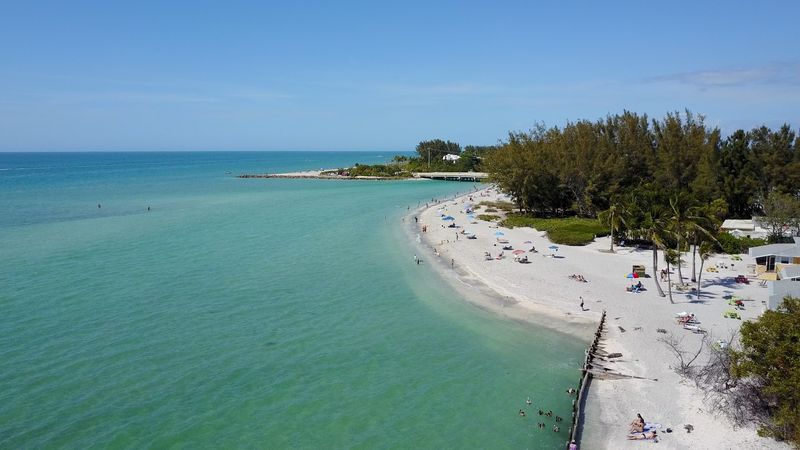
Blind Pass Beach has a reputation among serious shellers for being the kind of spot where patience pays off in a big way.
Sitting at 6491-6499 Sanibel Captiva Rd, Sanibel, FL 33957, this beach straddles the narrow tidal pass that separates Sanibel Island from Captiva Island, and that pass is the secret behind the shelling success here.
Tidal currents moving through the pass constantly churn up and deposit new shells, which means the selection changes with every visit and every tide cycle.
Calico scallops, coquinas, and olive shells are particularly common, and the shallow, calm water on the bay side makes wading easy and productive.
The beach is smaller and less developed than some of the bigger parks on the island, giving it a more relaxed, unhurried vibe that I personally love.
Bring water shoes because the shell beds near the water can be dense and sharp underfoot.
Once you find your rhythm here, the hours slip away faster than the tide.
4. Turner Beach Park, Captiva
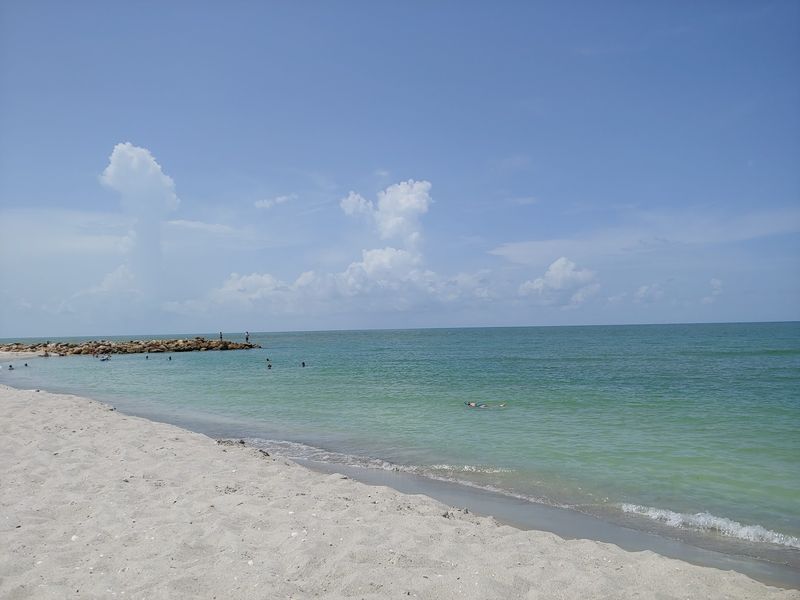
Captiva Island’s Turner Beach Park is the kind of place where you show up for the shells and stay for the sunset, which happens to be one of the most spectacular on the entire Gulf Coast.
Found at 17200 Captiva Dr, Captiva, FL 33924, this beach sits right at the Blind Pass inlet on the Captiva side, giving it the same powerful tidal advantages as its neighbor across the water.
The pass funnels shells in from deeper offshore waters, and after storms or strong tides, the beach can be absolutely loaded with finds ranging from fighting conchs to sand dollars.
Turner Beach tends to attract a lively mix of shellers, surfers, and sunset watchers, so it has an energetic atmosphere that feels different from the quieter spots on Sanibel.
Parking fills up quickly in the afternoon, so a morning arrival gives you first pick of both the shells and the parking spaces.
The water is shallow near the pass, making it easy to wade and search at the same time.
Turner Beach rewards the early bird generously and the sunset watcher completely.
5. Lovers Key State Park, Fort Myers Beach
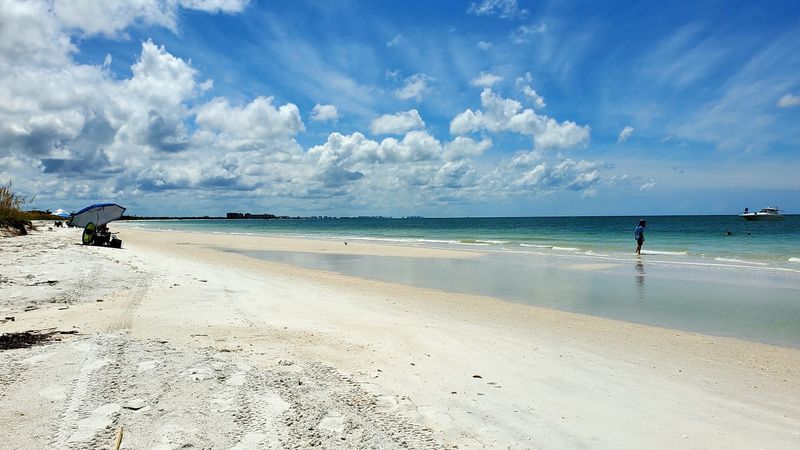
Getting to Lovers Key State Park involves a short tram or kayak ride to a barrier island, and that small effort is exactly what keeps the beach wonderfully uncrowded and the shelling surprisingly good.
The park is located at 8700 Estero Blvd, Fort Myers Beach, FL 33931, and it spans four barrier islands connected by a network of trails, waterways, and natural beach access points.
The relative seclusion of the main beach means shells accumulate without being picked over constantly, and you can find sand dollars, whelks, and scallop shells with a reasonable amount of patience.
Beyond shelling, the park is a fantastic spot for watching bottlenose dolphins, manatees, and shorebirds, which makes every trip feel like a nature documentary you accidentally walked into.
The trails through the mangroves are worth exploring between tides, and the kayak rentals on site make it easy to access even more remote shoreline.
Low tide is the sweet spot for shelling here, especially along the southern end of the main beach.
Lovers Key earns its romantic name in every quiet, unhurried moment it offers.
6. Delnor-Wiggins Pass State Park, Naples
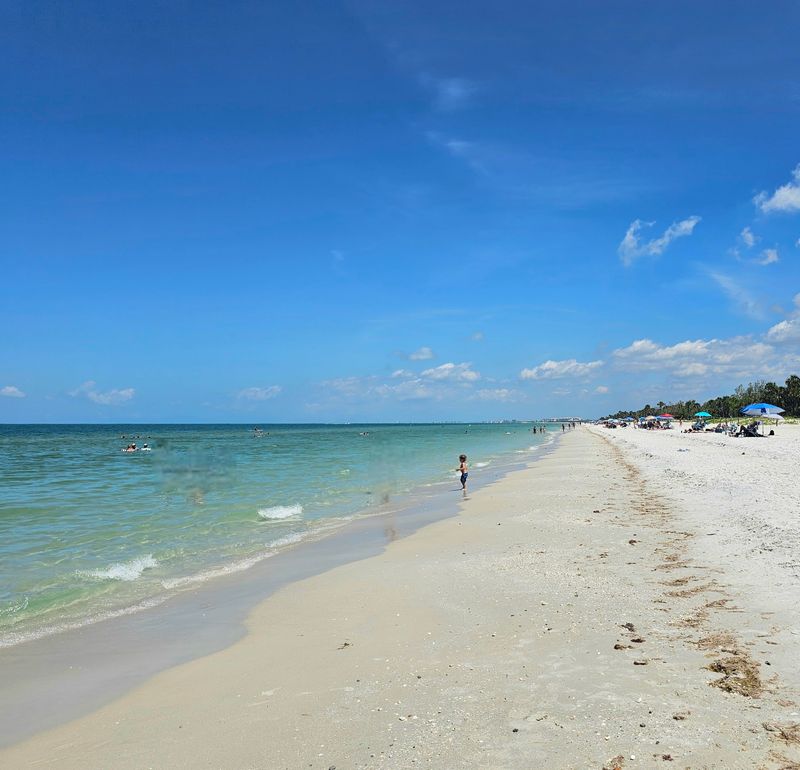
Delnor-Wiggins Pass State Park in Naples is consistently rated one of the top beaches in the entire country, and once you walk onto that white sand, the reasons become immediately obvious.
Located at 11135 Gulf Shore Dr, Naples, FL 34108, the park sits at the mouth of Wiggins Pass, where tidal movement brings in a rotating supply of shells from the Gulf floor.
The water here is famously clear, which makes spotting shells underwater while wading a genuinely satisfying and almost meditative experience.
Junonia, fighting conchs, and horse conchs are among the more exciting finds, and the park’s protected status means the beach stays clean and natural year-round.
The park has multiple parking lots that fill up fast on weekends, so a weekday morning visit is the strategy that serious shellers swear by.
Observation towers inside the park offer elevated views of the pass and the surrounding estuary, which is a nice bonus between shelling sessions.
Every visit here feels like the Gulf Coast showing off its very best behavior.
7. Barefoot Beach County Preserve, Bonita Springs
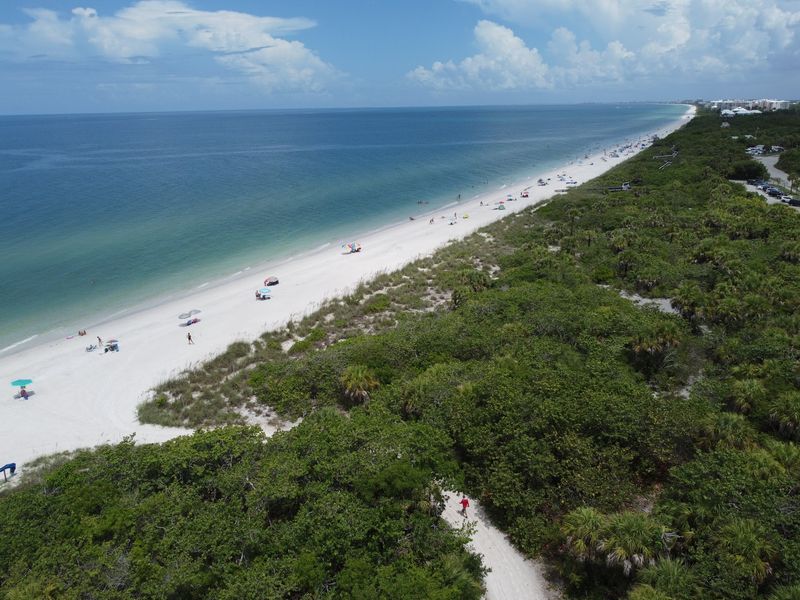
Barefoot Beach County Preserve in Bonita Springs is one of the last truly undeveloped barrier island beaches left in Southwest Florida, and that wildness is exactly what makes the shelling here so rewarding.
Situated at 505 Barefoot Beach Blvd, Bonita Springs, FL 34134, the preserve protects over 342 acres of natural coastal habitat, including miles of shoreline that rarely feel crowded even during peak season.
Because the beach is largely left in its natural state, shells accumulate along the tide line without much human interference, and the variety of finds can be impressive.
Gopher tortoises are regular residents of the preserve, wandering the dunes with the kind of slow confidence that suggests they know exactly who owns this place.
The water is calm and clear, ideal for both shelling and a refreshing swim between searches.
A tram service runs from the parking area to the beach, which helps protect the dunes and makes the trip easier for visitors of all ages.
Barefoot Beach is proof that the best things in Florida are often the ones left closest to nature.
8. Tigertail Beach, Marco Island
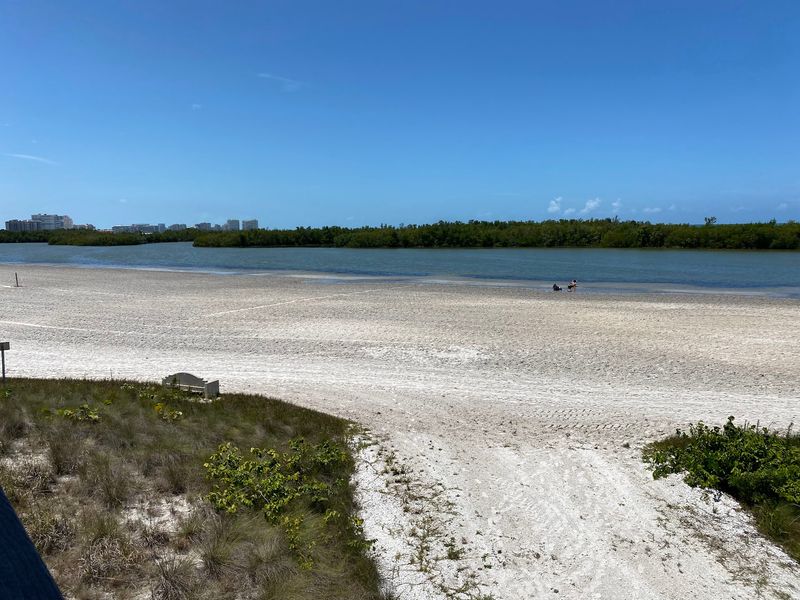
Tigertail Beach on Marco Island is a sheller’s puzzle in the best possible way, because the beach is actually separated from a shell-covered sandbar by a shallow tidal lagoon that you can wade across at low tide.
Found at 430 Hernando Dr, Marco Island, FL 34145, Tigertail is a county park with a lagoon that acts as a natural shell trap, collecting and holding finds that the Gulf pushes in with each tide cycle.
The sandbar on the far side of the lagoon is where the real shelling magic happens, with sand dollars, tulip shells, and calico scallops often waiting in impressive quantities.
Shorebirds love this spot too, and you might find yourself shelling alongside snowy plovers, willets, and the occasional roseate spoonbill wading through the shallows.
The lagoon crossing is shallow enough for most adults and older kids, but water shoes are strongly recommended because the bottom is uneven and shell-covered.
Arriving at low tide is not just helpful here, it is basically essential for reaching the best shelling ground.
Tigertail is the kind of beach that rewards the curious and the adventurous in equal measure.
9. Stump Pass Beach State Park, Englewood
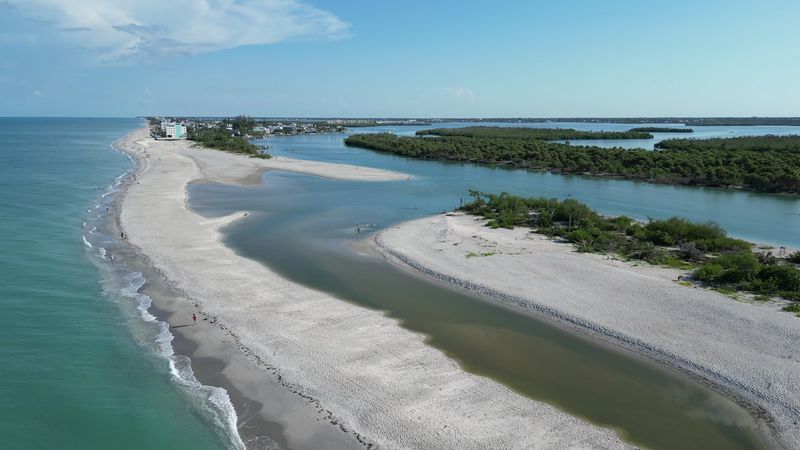
Stump Pass Beach State Park is the kind of quiet, slightly off-the-beaten-path spot that experienced shellers tend to mention only in hushed, slightly possessive tones.
Located at 900 Gulf Blvd, Englewood, FL 34223, the park sits at the southern tip of Manasota Key, where Stump Pass channels Gulf water in and out with each tide, depositing a steady stream of shells along the beach.
The park is smaller and less visited than some of the bigger state parks to the south, which means the shells have more time to accumulate before anyone gets to them.
Shark teeth, which are a thrilling find on any Gulf beach, show up here with enough regularity to make every visit feel like a mini fossil hunt layered on top of the shelling.
The park has limited parking, so arriving early on weekends is a practical necessity rather than just good advice.
A short nature trail winds through the coastal scrub behind the beach, offering a nice change of pace between tidal searches.
Stump Pass rewards patience with the kind of finds that make other shellers ask where you went.
10. Caspersen Beach, Venice
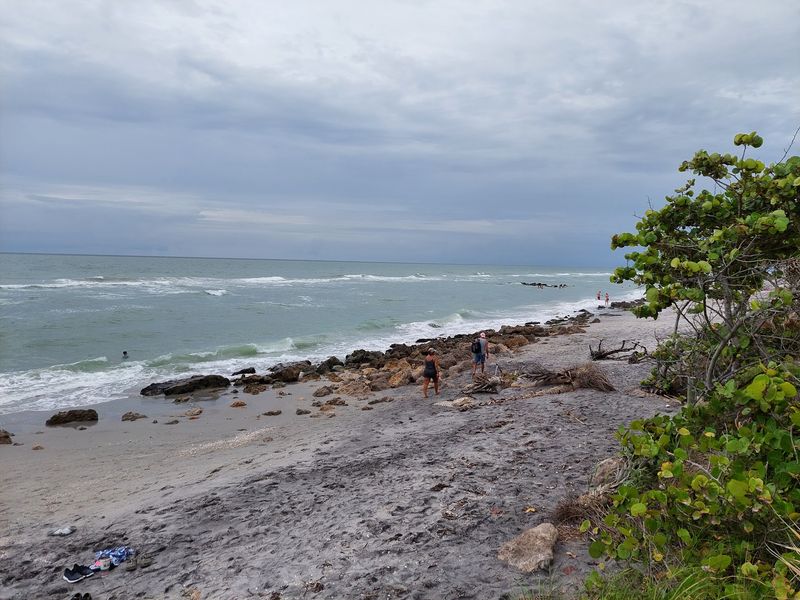
Venice, Florida calls itself the Shark Tooth Capital of the World, and Caspersen Beach is the main reason that title holds up so well under scrutiny.
Sitting at 4100 Harbor Dr, Venice, FL 34285, Caspersen Beach is a long, natural stretch of shoreline where the dark, pebbly sand is regularly mixed with fossilized shark teeth that are millions of years old.
The teeth come from ancient sharks whose remains settled into the seafloor long ago and are now slowly being pushed onto the beach by wave action, which is a fact that makes every walk here feel vaguely prehistoric.
Beyond the shark teeth, the beach also yields a solid variety of shells, including whelks, cockles, and calico scallops, especially after a storm churns up the Gulf bottom.
A fine-mesh sifting screen, available at local shops in Venice, dramatically improves your shark tooth hunting success and is worth picking up before your visit.
The beach is less manicured than some parks, with natural debris and shell piles that signal good shelling conditions ahead.
Caspersen is the beach where you go looking for shells and leave with a piece of prehistoric Florida in your pocket.
11. Honeymoon Island State Park, Dunedin
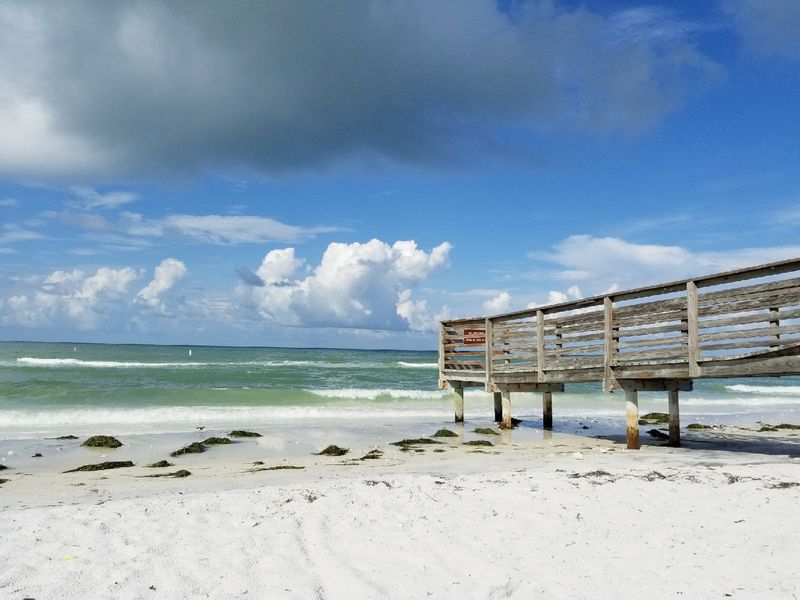
Honeymoon Island State Park near Dunedin, Florida is the northern Gulf Coast’s answer to the famous shelling beaches of Southwest Florida, and it makes a compelling case for itself every single tide.
The park is accessed via 1 Causeway Blvd, Dunedin, FL 34698, and it sits just off the coast of Dunedin on a barrier island that has been a protected state park since 1982.
The shelling here leans heavily toward whole shells rather than fragments, with lightning whelks, lettered olives, and fighting conchs appearing regularly along the less-trafficked northern stretches of the beach.
One of the park’s most distinctive features is its osprey colony, with active nests in the slash pines that line the interior trails, giving the park a lively, wild atmosphere beyond the beach itself.
The park also offers a ferry service to neighboring Caladesi Island, which means you can double your shelling territory in a single day trip.
Weekday mornings after a night of strong winds tend to produce the best shell deposits along the shoreline.
Honeymoon Island is proof that the northern Gulf Coast has plenty of its own shelling stories to tell.
12. Caladesi Island State Park, Dunedin
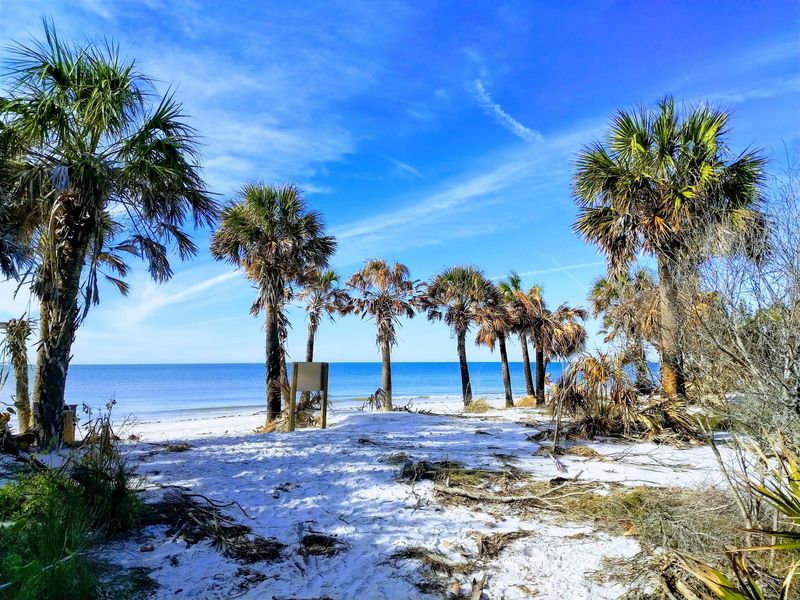
Reaching Caladesi Island State Park requires a ferry ride from Honeymoon Island, and that short trip across the water might as well be a time machine back to a Florida that has not been touched by development.
Accessed via the ferry departing from 1 Causeway Blvd, Dunedin, FL 34698, Caladesi Island is one of the few remaining undeveloped barrier islands on Florida’s Gulf Coast, and its isolation is the single biggest reason the shelling is so consistently outstanding.
The beach regularly appears on national top-ten lists, and the shell variety backs up those rankings with whelks, scallops, sand dollars, and the occasional junonia turning up for lucky visitors.
Because only a limited number of ferry tickets are sold each day, the beach never feels overwhelmed, which gives the shells more time to accumulate undisturbed between visits.
The island also has a three-mile kayak trail through the mangrove estuary on the bay side, where you can spot dolphins, manatees, and dozens of bird species between shelling sessions.
There are no shops or restaurants on the island, so packing your own food and water is essential.
Caladesi Island is the Gulf Coast shelling experience that other beaches quietly aspire to be.