
12 Illinois Churches With Old-World Architecture That Feels Straight Out Of Europe
You don’t have to book a flight across the ocean to stand beneath a soaring Gothic spire or gaze up at a dome that echoes old Rome. Right here in Illinois, from busy Chicago streets to quiet cornfield towns, there are churches so grand they could pass for European landmarks.
Many of them cost nothing to step inside, making them a wonderful and affordable outing for families who love history and beautiful details. Here are twelve stone-and-stained-glass treasures worth a road trip.
1. Holy Name Cathedral, Chicago
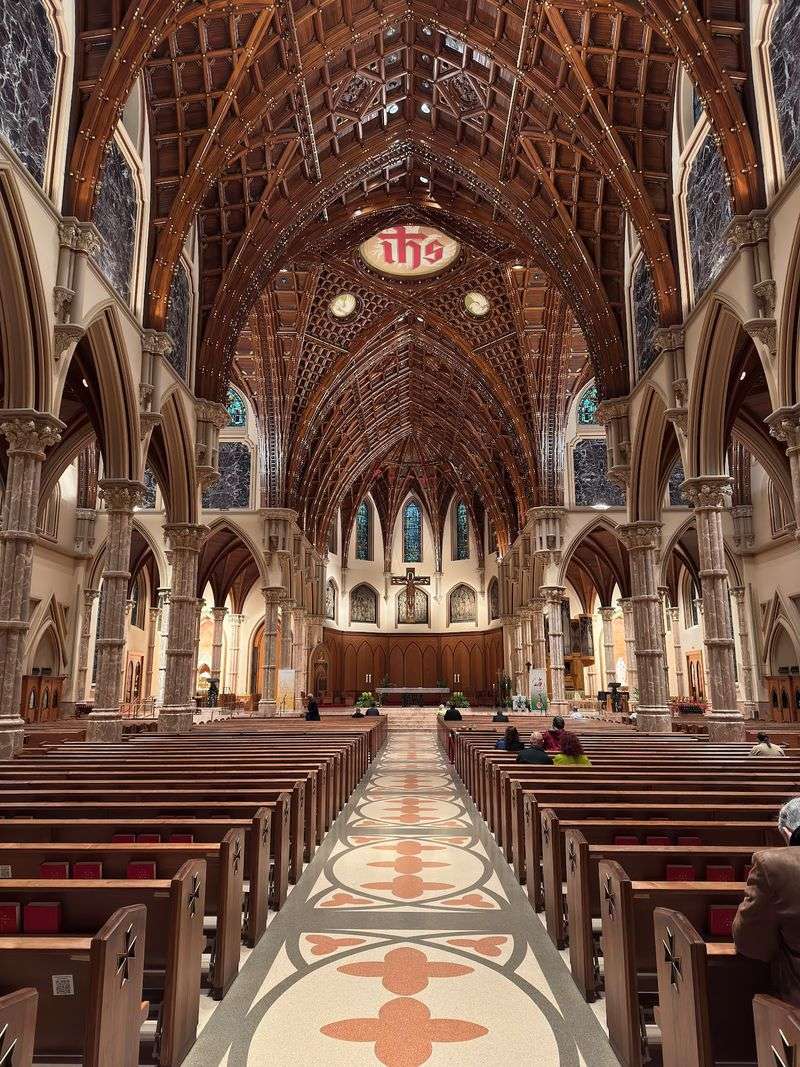
Right in the heart of Chicago’s Gold Coast, this 1800s cathedral rises with the kind of pointed grandeur you’d expect from a European city center. Classic Gothic Revival lines give it soaring height and a sense of quiet awe the moment you walk through the doors.
Inside, a vaulted ceiling stretches overhead while colorful stained glass throws soft light across the nave. Every arch and pinnacle draws your eye upward, a design trick borrowed straight from the great cathedrals of Europe.
Guided tours make it easy for families to learn the stories behind the stone, and the setting on North State Street means you can pair a visit with a stroll through one of the city’s most walkable areas.
Weekday mornings tend to be the calmest time to explore, so you can take in the details without a crowd. There’s a restroom on site, plus a free parking garage and paid street parking nearby.
As an active Roman Catholic cathedral, it’s still very much a living place of worship, which only adds to the sense of history you feel inside.
2. Cathedral Of The Immaculate Conception, Springfield
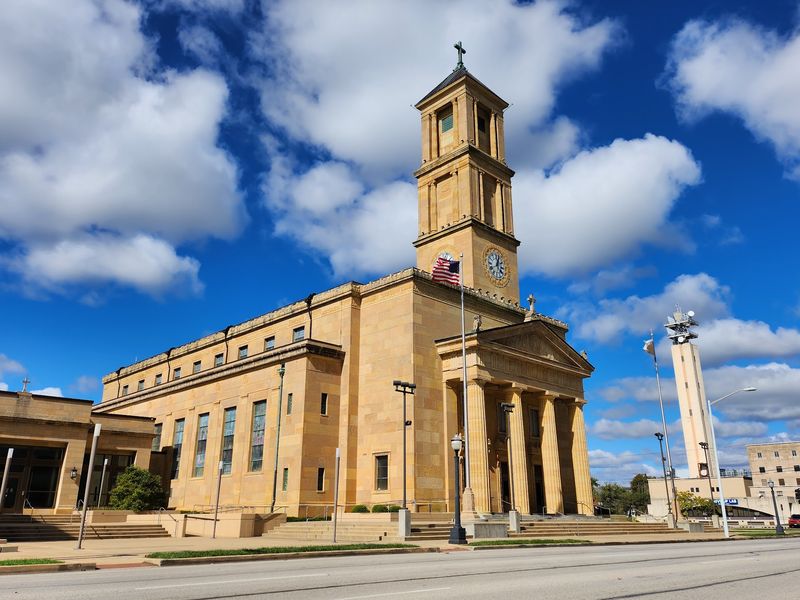
Springfield surprises visitors with a cathedral that feels less like the Midwest and more like a stately corner of Italy. Built in Greek Revival and classical basilica form, it carries a calm, grand dignity that rewards a slow walk-through.
Majestic colonnades set the tone outside, hinting at the beauty waiting within. The interior leans on Italian-influenced marble, giving the whole space a polished, timeless glow that catches the light beautifully throughout the day.
Because it sits in central Illinois, it’s an easy add-on for families already exploring the capital city’s history. The wide daily hours mean you can stop by nearly any time between morning and early evening, and there’s a restroom on hand for convenience.
Quieter windows tend to fall on weekday mornings, perfect if you want to sit and take in the craftsmanship without rush. As an active Catholic cathedral and parish church, it remains a working spiritual home for the community.
Standing beneath those columns, it’s hard to believe you’re only a short drive from home rather than halfway across Europe.
3. Holy Trinity Orthodox Cathedral, Chicago
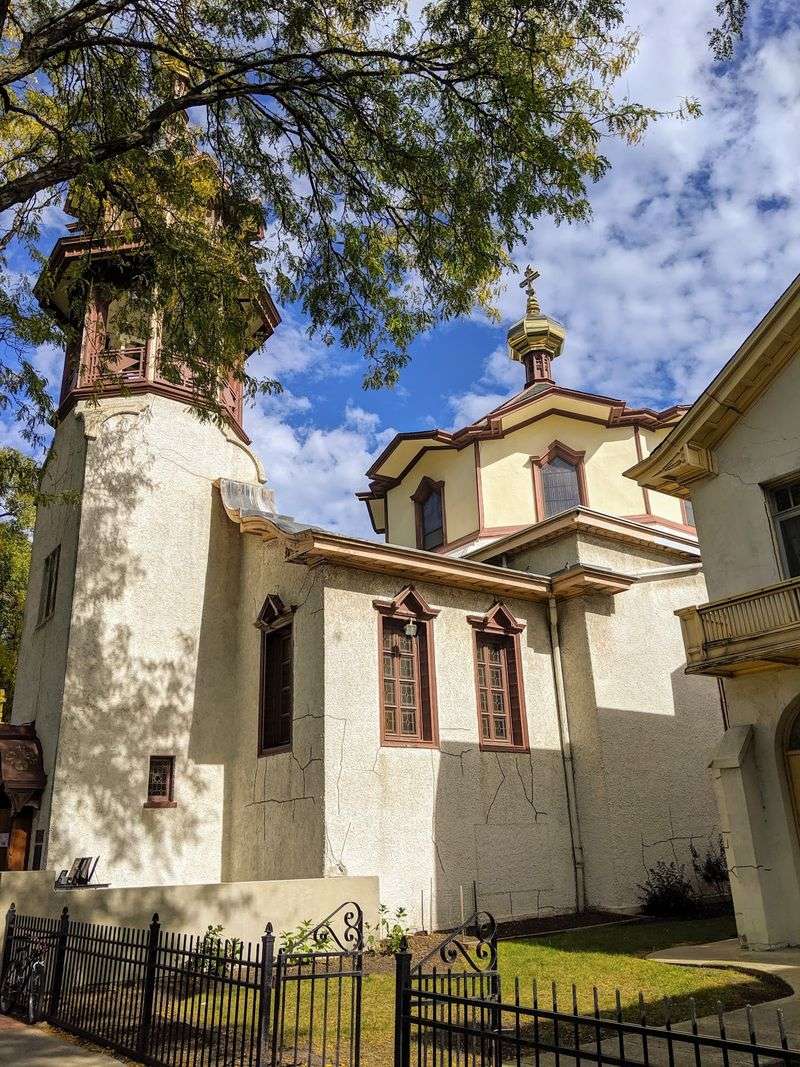
Few churches in Illinois carry a pedigree quite like this one. Designed by the celebrated American architect Louis Sullivan and consecrated in 1903, it brings the look of a traditional Russian and Eastern European provincial church to Chicago’s historic Ukrainian Village.
The octagonal, wooden-inspired shape sets it apart from every other spot on this list. Sullivan reportedly modeled its feel after small provincial churches far from any big city, giving it a humble yet unmistakably Old-World charm.
Home to the oldest Orthodox parish in Chicago, founded back in 1892, the cathedral is steeped in layers of history. It was consecrated by St. Tikhon of Moscow, a detail that ties this Chicago neighborhood directly to Eastern European heritage.
Visiting hours are more limited here, with weekend openings on Saturday afternoons and Sunday mornings being your best bet. There’s a restroom on site, plus free parking in a lot and on the street.
Step inside and you’re transported. The warm, folk-style architecture feels worlds away from the busy avenues just outside its doors.
4. St. Hyacinth Basilica, Chicago
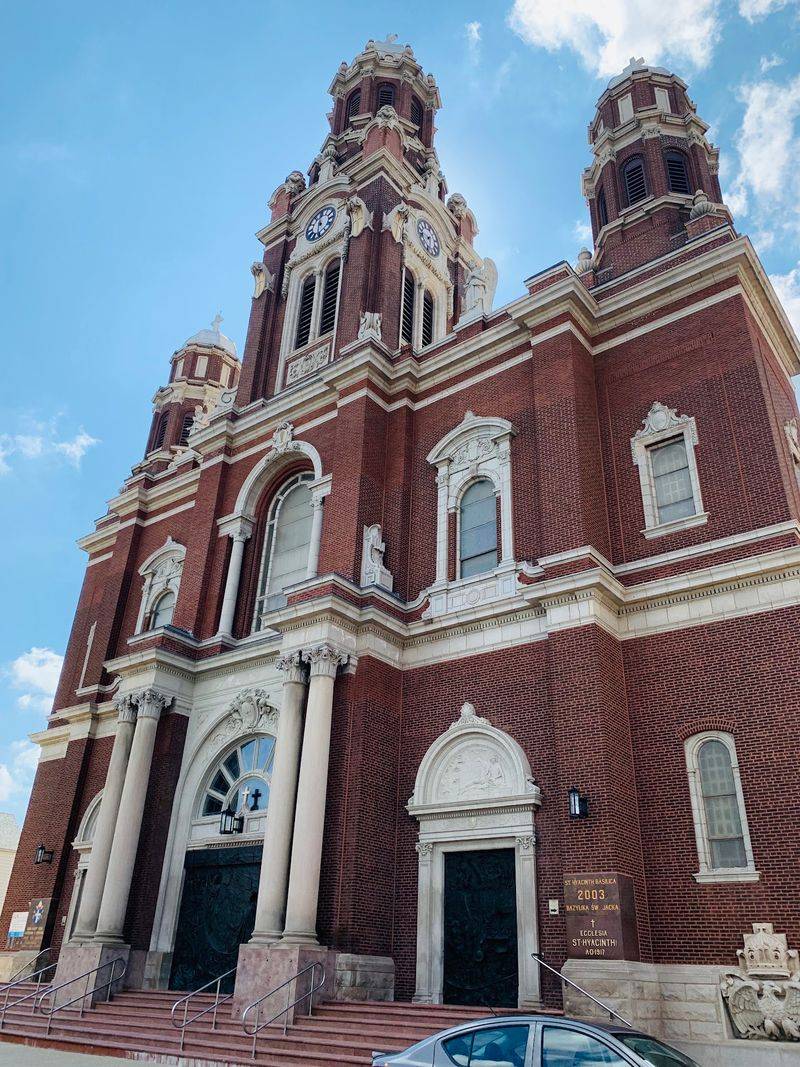
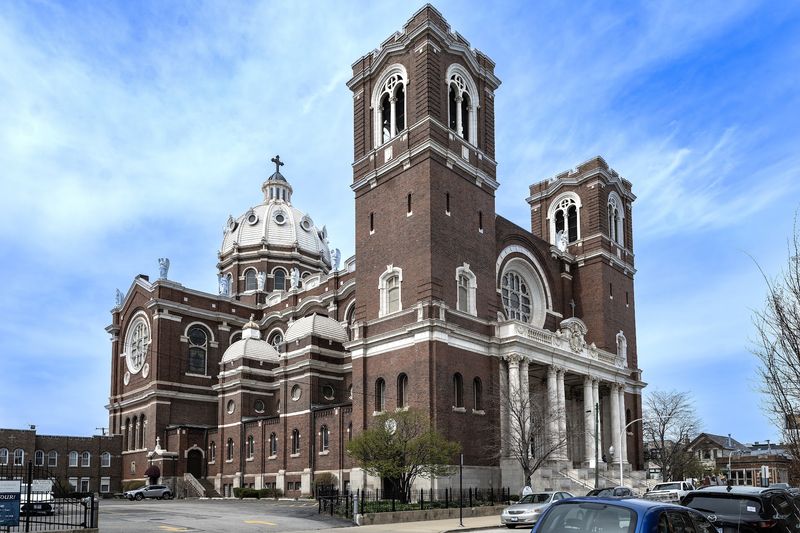
Bold red brick and Baroque splendor make this Polish basilica one of Chicago’s most striking sacred landmarks. Dedicated in 1921, it was modeled after the monumental churches of Poland and the rest of Europe, and it wears that inspiration proudly.
The ornate interior is the real showstopper. Gilded details, rich color, and flowing Baroque flourishes fill the space, rewarding anyone who takes a moment to look closely at the ceiling and altars.
Situated on West George Street, the basilica has long served as an anchor for the surrounding Polish community, and its scale reflects that deep pride. It’s the kind of place that stops you in your tracks the first time you see it from the street.
Generous daily hours give families plenty of flexibility to visit, with the calmest stretches typically falling on weekday mornings and afternoons. A restroom is available, and free parking is easy to find in the lot and along the street.
For a taste of European grandeur without leaving the city, this red-brick gem more than earns its place.
5. Cathedral Of St. Mary Of The Immaculate Conception, Peoria
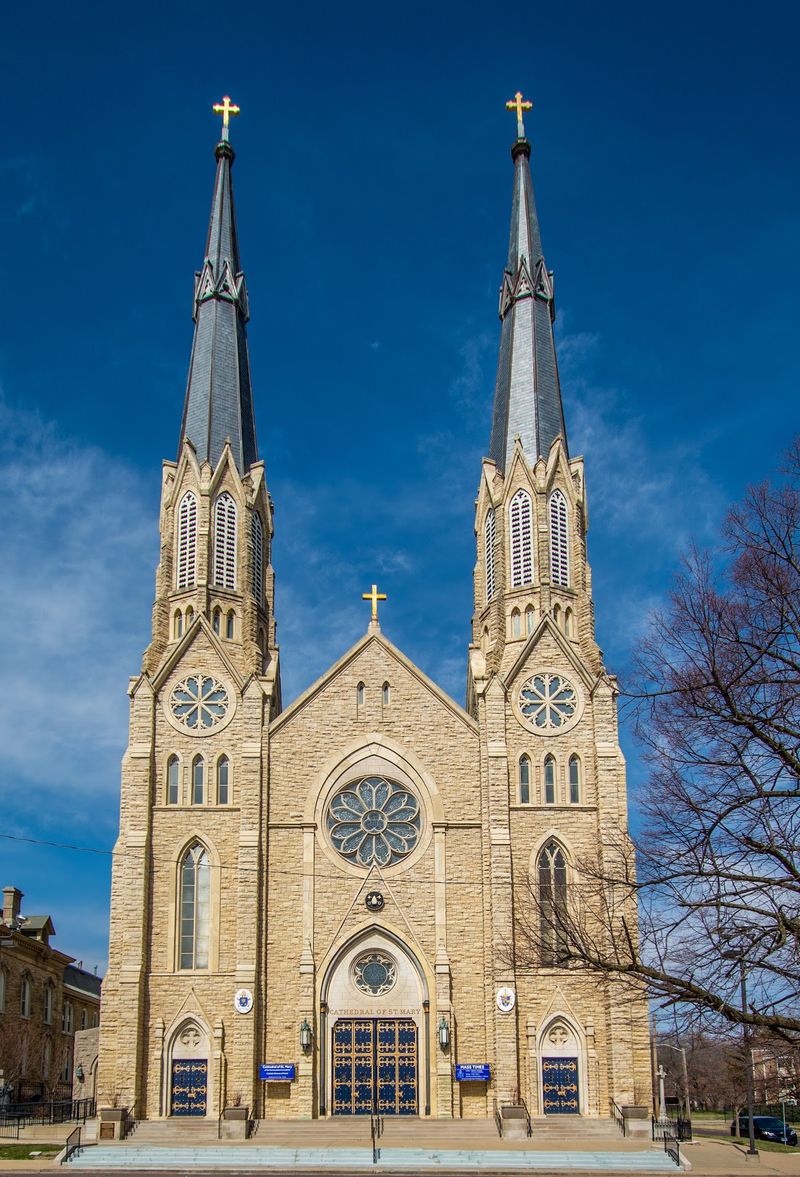
Twin spires reaching toward the sky announce this Peoria cathedral long before you reach its doors. Built in the neo-Gothic style with warm sandstone, it channels the vertical drama of Europe’s medieval churches.
Inside, soaring rib vaulting arches overhead like the ceiling of a French or English cathedral. The stained-glass nave adds glowing color, transforming ordinary daylight into something quietly spectacular as it filters across the pews.
Set on Northeast Madison Avenue, the cathedral gives central Illinois families a genuine architectural treasure within easy driving distance. It’s a rewarding stop for anyone who appreciates fine stonework and the patience it takes to build something this grand.
Hours are focused around midday and afternoons, so it’s worth planning your visit accordingly, with weekend openings on Saturday and Sunday. A restroom is available, and both free lot parking and free street parking make the trip stress-free.
What makes this one special is how those twin spires and rib vaults come together to create a full European cathedral experience right in Peoria. Look up, breathe in the quiet, and let the craftsmanship do the rest.
6. Church Of Saint John Cantius, Chicago
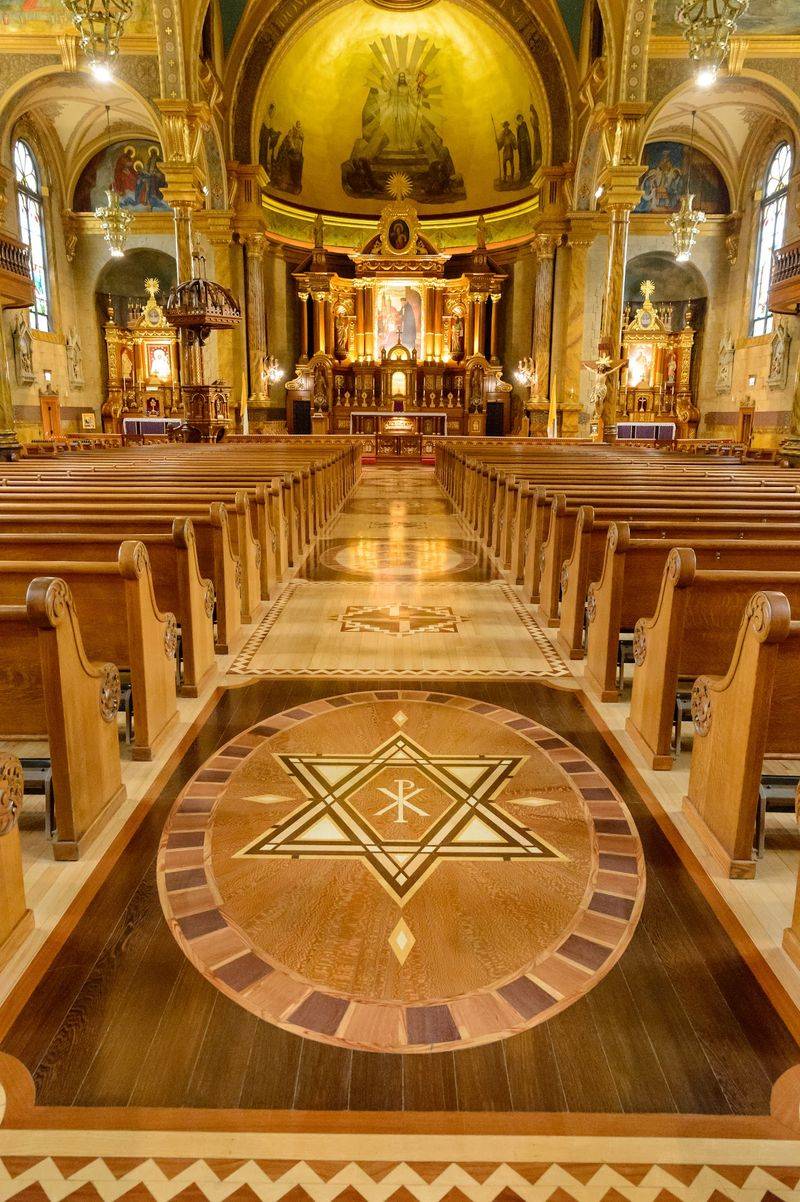
Walking into this late-1800s church feels like stepping into an 18th-century European sanctuary. Built in the grand Polish Cathedral style, it recalls the High Baroque interiors of old-world cities, right down to the last gilded flourish.
Ornate vaulted ceilings sweep overhead while religious statues and glowing stained-glass windows fill the space with detail. Every surface seems to have a story, making it a place you can revisit and still notice something new.
Located on North Carpenter Street, this active parish is known for its dedication to beauty and tradition, and it shows in how lovingly the interior has been kept. It’s the sort of spot that makes first-time visitors slow down and simply look.
The church keeps generous daily hours, with weekday mornings and afternoons offering the most peaceful atmosphere. A restroom is available, and parking options include a free lot, free street parking, and paid street spaces nearby.
If you’ve ever wanted to feel transported to a European cathedral without the airfare, few places in Illinois deliver quite like this. It’s grand, it’s serene, and it’s genuinely worth the trip.
7. St Mary Of The Angels Catholic Church, Chicago
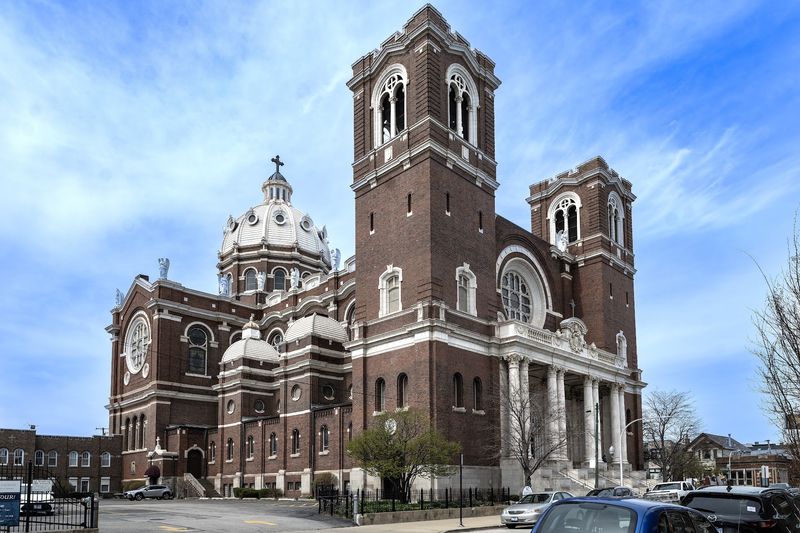
Spot the colossal dome rising above Bucktown and you might do a double take. Modeled directly after St. Peter’s Basilica in Rome, this church brings a slice of Vatican grandeur to Chicago’s near-northwest side.
Founded in 1899, the parish is famously visible from the Kennedy Expressway near the Armitage exit, its Renaissance-revival cupola crowning the skyline. That massive central dome makes it one of the most recognizable churches in the whole city.
Grand Roman-style interior ornamentation fills the space beneath, giving visitors a real sense of the scale and ambition behind its design. It’s the kind of building that makes you crane your neck and marvel at the effort it took to raise it.
Situated on North Hermitage Avenue, the church welcomes visitors across generous weekday and weekend hours, with weekday mornings and evenings offering the quietest moments. A restroom is on site, and there’s a free parking lot for added ease.
For families who dream of seeing Rome someday, this Bucktown landmark is a joyful, budget-friendly preview waiting just off the highway.
8. Cathedral Of Saint Peter, Belleville
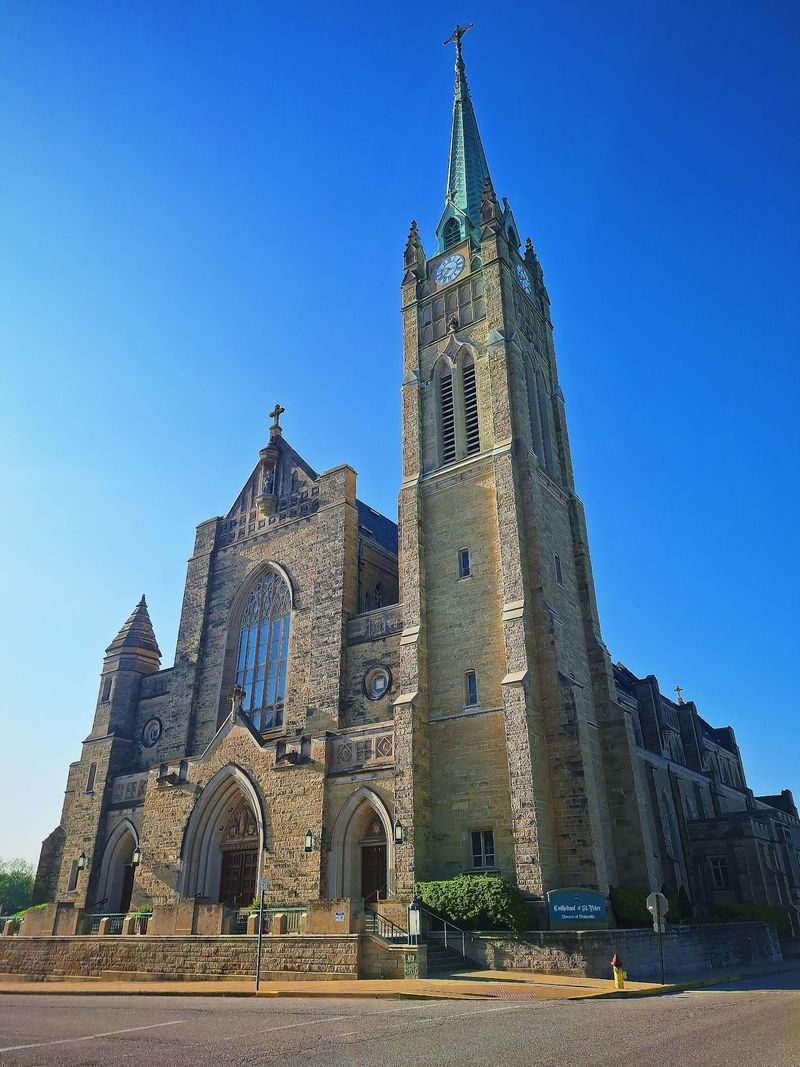
Down in southern Illinois, Belleville is home to a cathedral that borrows its blueprint straight from England. Built in the English Gothic style, it was modeled after the historic Cathedral of Saint Peter in Exeter, giving it a distinctly British feel.
The pointed arches, stately proportions, and detailed stonework all speak to that Old-World English heritage. Standing before it, you could easily imagine yourself in a cathedral town across the Atlantic rather than in the metro-east region.
Set on West Harrison Street, this active Roman Catholic cathedral serves as a spiritual and architectural anchor for the community. It’s a fitting reward for families exploring the towns near St. Louis on the Illinois side of the river.
Weekday hours run from morning into late afternoon, making it easy to plan a visit around a day trip, though it’s closed on weekends. A restroom is available on site for visitors.
English Gothic churches like this are rare in the Midwest, which is exactly what makes Belleville’s cathedral such a special find. Come for the architecture, and leave feeling like you’ve traveled much farther than you have.
9. St. Joseph Church, Joliet
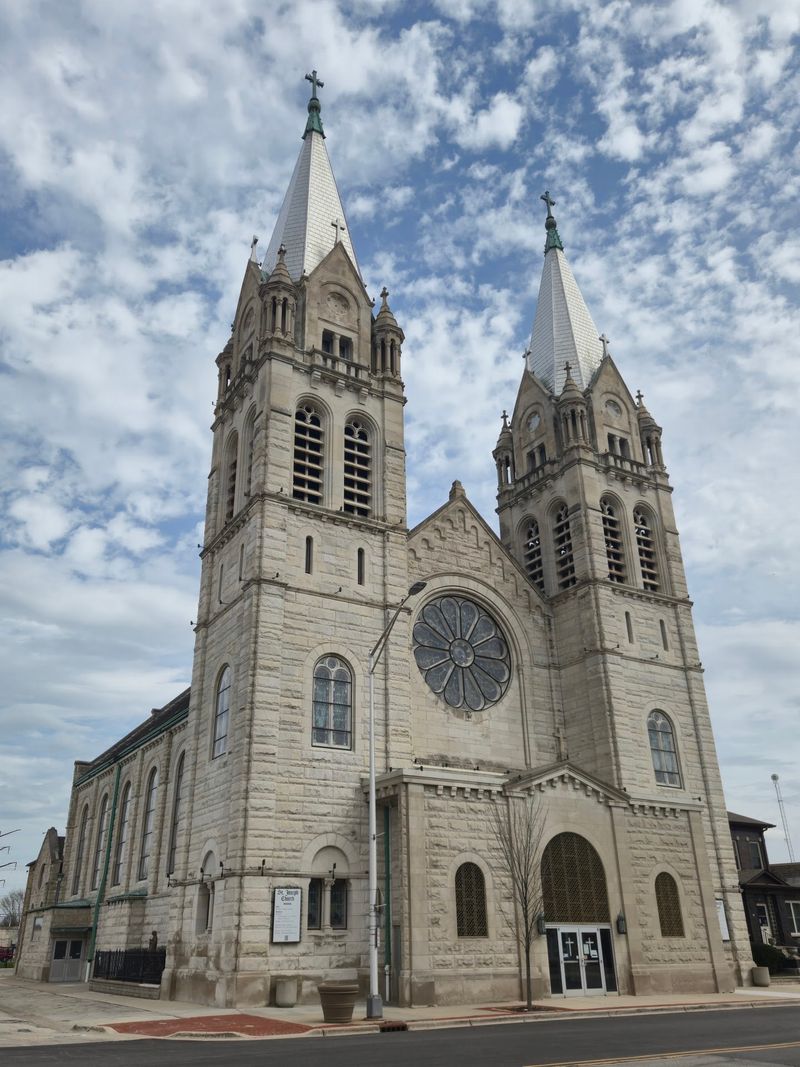
Local limestone and immigrant craftsmanship come together beautifully in this Joliet landmark. Built in the late 19th century by Slovenian settlers, the church reflects European Gothic spires and the kind of careful stone masonry that lasts for generations.
That homegrown Joliet limestone gives the exterior a warm, earthy character while the pointed Gothic silhouette nods to the old country. It’s a heartfelt reminder of the communities who carried their faith and traditions across the ocean.
Found on North Chicago Street, the church still welcomes worshippers today and invites visitors to appreciate its heritage. Weekday mornings and afternoons tend to be the calmest times to stop in and take a look.
The setting makes it a natural pairing with a broader Joliet outing, and its story adds a layer of meaning to the architecture. Knowing the hands that shaped these stones came from a small European homeland gives the whole place extra warmth.
Practical touches help too, with onsite services, a restroom, and a free parking lot. For families who love uncovering the immigrant roots woven through Illinois towns, this is a genuinely moving stop.
10. St. Francis Solanus Catholic Church, Quincy
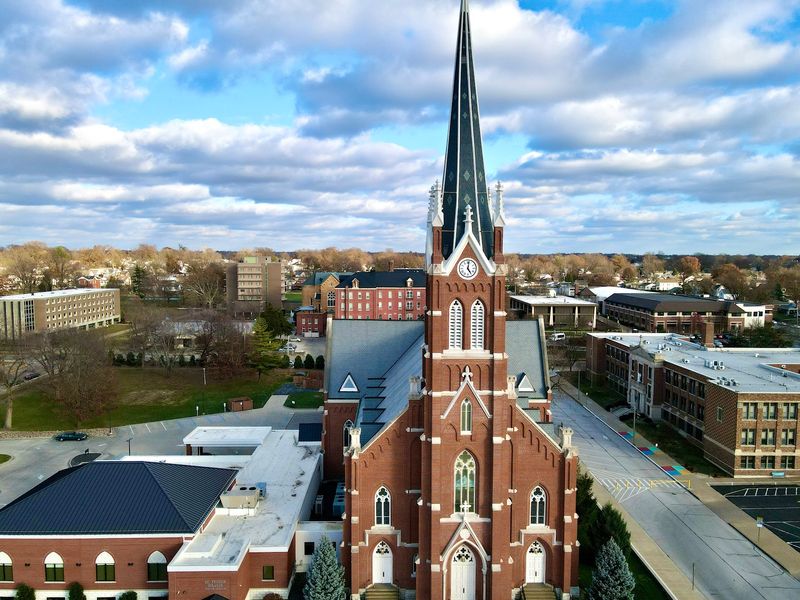
German roots run deep in this western Illinois parish, founded back in 1860 by Franciscan friars who came from Germany. That heritage shows in every brick of its authentic German Romanesque Revival design.
Twin towers rise over the neighborhood, framing the church with a symmetry that feels straight out of a Rhineland town. The rounded Romanesque forms and detailed brickwork set it apart from the Gothic spires seen elsewhere on this list.
Located on College Avenue in Quincy, the parish remains a lively community with a school, many ministries, and strong ties to the wider city. It’s a place that has stayed vibrant for well over a century.
The church keeps weekday hours from morning into the early afternoon, so plan a visit during the week since it’s closed on weekends. A restroom is available, and there’s ample free parking in the lot, on the street, and on site.
Quincy sits along the Mississippi with plenty of historic charm, and this German-inspired church fits right in. For families exploring the western edge of the state, it’s a warm and memorable stop.
11. St Francis Catholic Church, Teutopolis
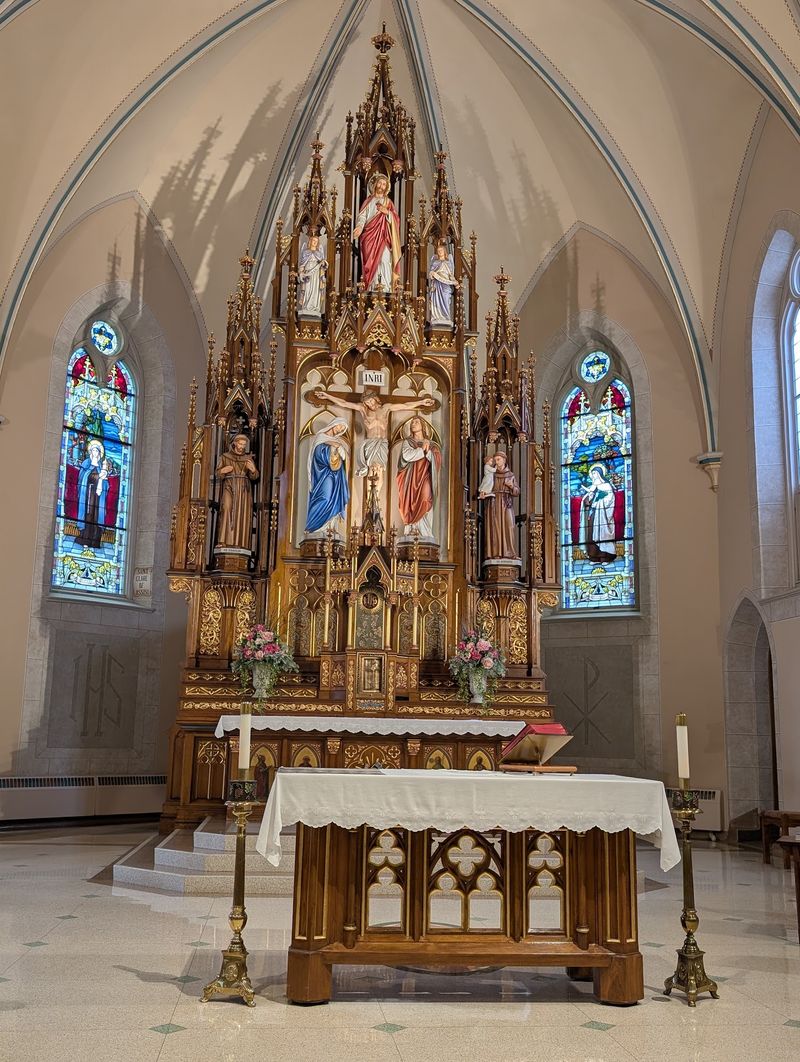
The name Teutopolis literally means “city of the Germans,” and its landmark church lives up to that proud heritage. Built by 19th-century German pioneer settlers, this High Gothic Revival sanctuary is a showstopper in a small central-Illinois village.
Its towering 210-foot Gothic spire dominates the skyline, visible across the surrounding farmland long before you arrive. That soaring point of stone is a direct echo of the great European Gothic churches the settlers left behind.
Ornate altars fill the interior, rewarding anyone who steps inside to admire the craftsmanship. The contrast between the tiny village setting and this grand, ambitious building is exactly what makes it so memorable.
Located on East Main Street, the church anchors a historic German settlement community that has kept its traditions alive for generations. A restroom is available for visitors making the trip.
Seeing a spire this tall rise from a rural crossroads feels almost cinematic, like stumbling upon a European village church in the middle of Illinois corn country. For families who love unexpected wonders close to home, Teutopolis delivers in a big way.
12. St Peter & Paul Catholic Church, Alton
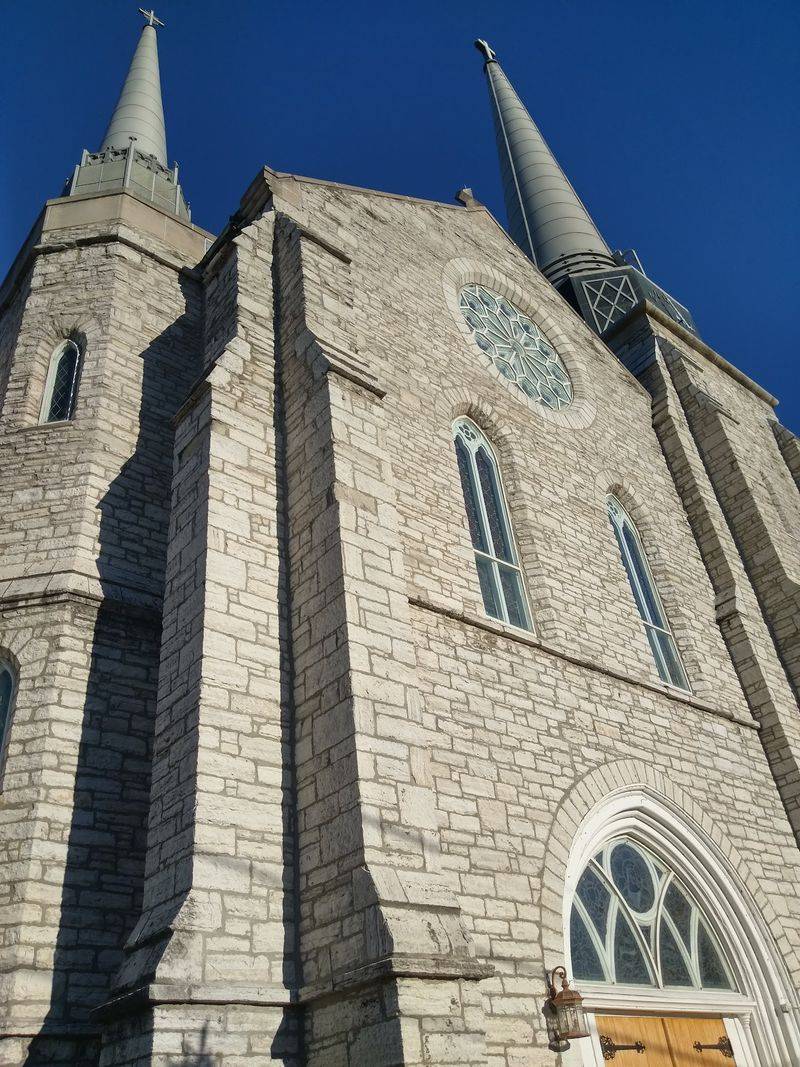
Perched above the Mississippi River, this Alton church pairs stunning architecture with an unforgettable setting. Built of stone in the mid-19th century, its neo-Gothic design carries all the hallmarks of a classic European church.
Pointed arches lead the eye upward while historic clerestory windows and glowing stained glass bathe the interior in soft, colorful light. Every element works together to create that reverent, old-world atmosphere the moment you walk in.
Once serving as a cathedral, the church holds a special place in the region’s history. Its location on State Street, overlooking one of America’s great rivers, gives visits an added sense of grandeur and calm.
Alton itself is a charming river town full of history, making this church a natural highlight of any day trip along the Mississippi. The dramatic setting means the exterior views are nearly as rewarding as the interior details.
The church offers onsite services and a restroom for visitors. As a beautiful closing note to this list, few spots blend European-style architecture and a scenic Illinois backdrop quite so gracefully.
Pack a picnic, take in the river, and let the history soak in.