
12 Picture-Perfect Michigan Towns You Should Visit In 2026
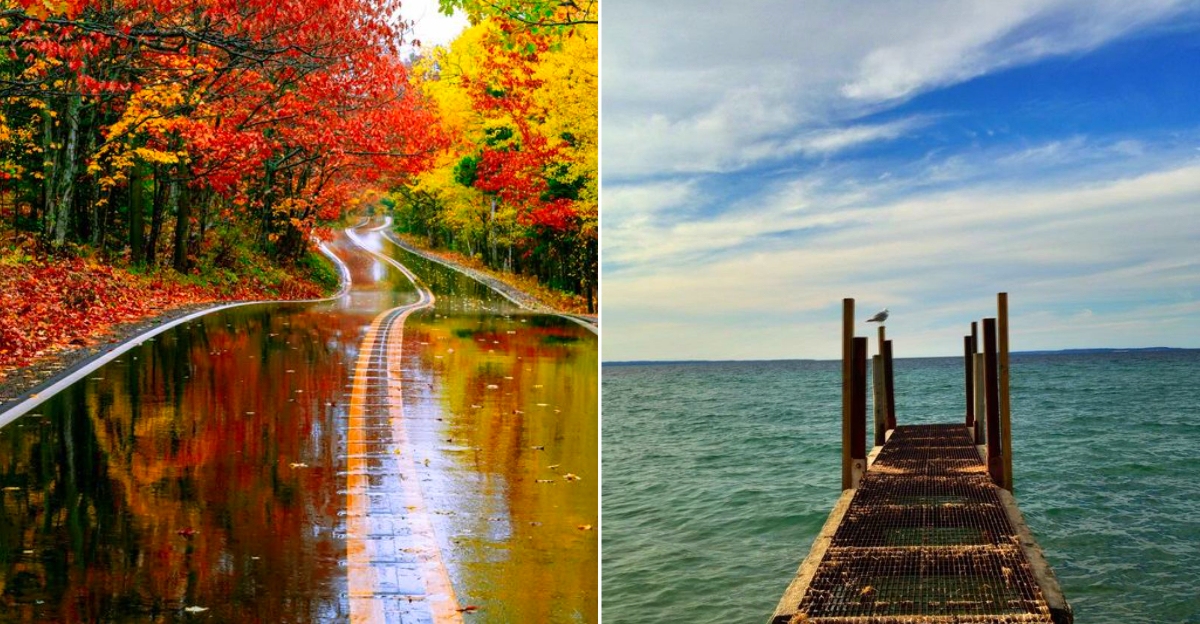
I’ve spent half my life chasing horizons from the Amalfi Coast to the neon streets of Tokyo, but I’ll let you in on a secret: my heart only truly beats in sync with the Great Lakes. There is a specific, unmatchable brand of magic here that sneaks up on you when you least expect it.
One minute, I’m leaning out a car window inhaling the scent of cinnamon-sugar dust from a roadside farm stand; the next, the trees part to reveal water so shockingly turquoise and clear it looks like a piece of the Caribbean was dropped into the North. Michigan is the place that constantly recalibrates my soul.
Michigan’s hidden coastlines and historic island escapes will make you experience a raw, breathtaking beauty that can leave the world’s most famous destinations feeling oddly overhyped.
To make sure you don’t miss the quiet magic hidden behind the treeline, these eleven personal insights are your essential roadmap.
1. Mackinac Island (Mackinac Island)
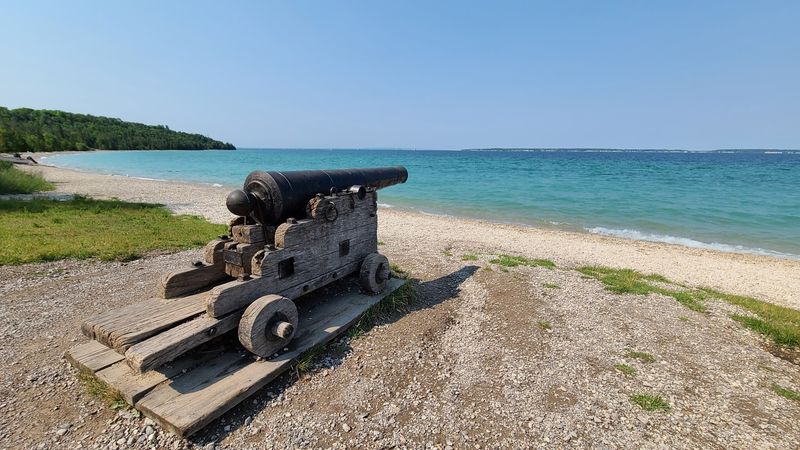
Hoofbeats replace engines here, and the air smells like World Famous Fudge and lake breeze. Car-free streets keep conversations unhurried while Lake Huron flickers between cottages trimmed in gingerbread.
You notice how quiet arrives in layers, even with carriage bells and handlebars clicking. It is a place where time doesn’t just slow down, it stops entirely, allowing the modern world to fade into the background as you step off the ferry.
History clings to the limestone of Fort Mackinac, where uniforms and cannon views stretch back two centuries. The island’s Victorian hotels feel carefully maintained rather than fussy, their wide porches supervising the straits.
You can spend an entire afternoon at The Grand Hotel, sitting in a rocking chair on the world’s longest porch, watching the white sails of boats cut through the deep blue of the Straits of Mackinac.
The shift from porch culture to forest hush is part of the island’s appeal.
To make the most of your trip, plan for a predawn bike loop to catch Arch Rock glowing peach in the first light of day. This is the best way to see the island’s most famous natural landmark without the midday throngs of tourists.
2. Saugatuck (Saugatuck)
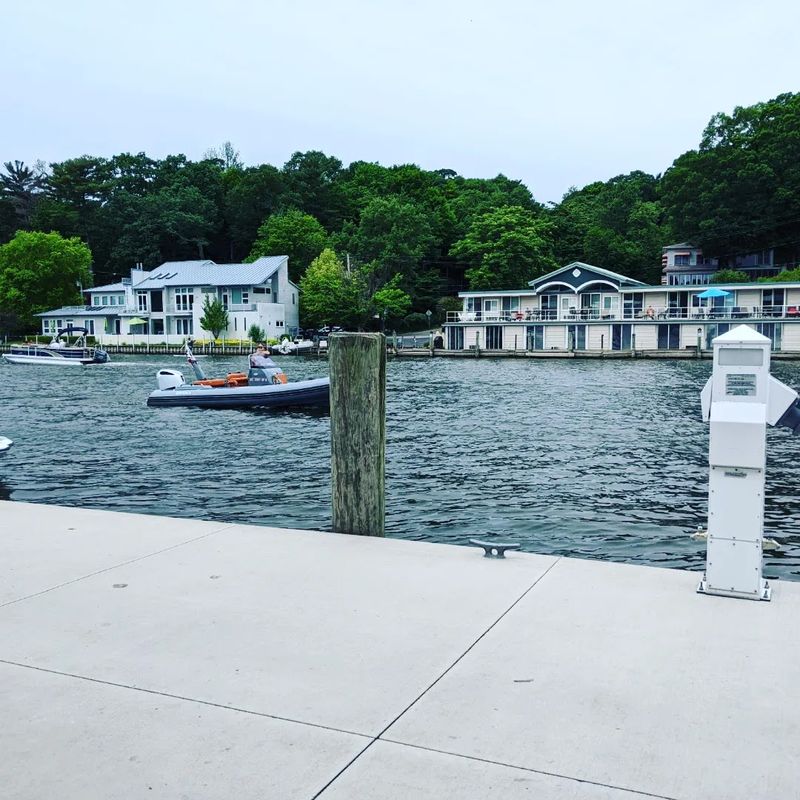
Butler Street hums with gallery openings and clinking glasses while the Kalamazoo River stitches everything together. The Saugatuck Chain Ferry looks like a toy until you ride it and feel the hand-cranked rhythm pull you across the water.
It remains the only hand-cranked chain ferry still in operation in the United States, and it gives the town a small, living piece of mechanical theater.
Sand squeaks underfoot at Oval Beach, pale and fine as sifted flour, and widely regarded as one of the best shorelines in the entire country. The lake light here tends to make everything look slightly more golden than expected.
It’s easy to understand why people build full weekends around one long afternoon on the sand.
Saugatuck’s art legacy shows in the Ox-Bow School of Art and various studio patios speckled with paint. Historic cottages lean into porches, an easy architectural shrug that suits the golden lake light.
The fishing roots linger along the harbor where old pilings are as photogenic as the modern boats docked nearby.
3. Traverse City (Traverse City)
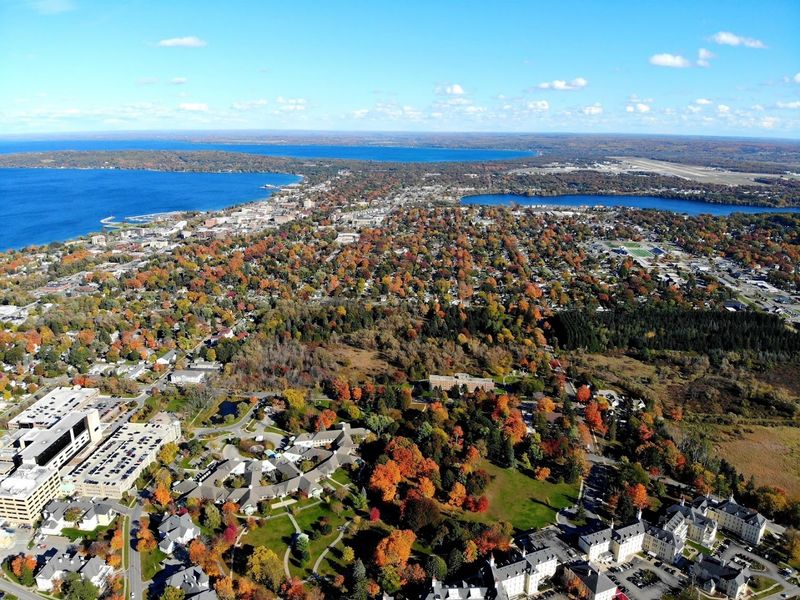
Front Street feels like a living room that forgot to put its shoes on, relaxed but ready for conversation. Cherry everything shows up politely, from tarts to sparkling cider, reminding you that you are in the Cherry Capital of the World.
Bayside blues stack in transparent layers, and kayaks move like punctuation marks across the West Grand Traverse Bay.
There is a culinary energy here that rivals much larger cities, yet it never loses its approachable, northern charm. It feels busy without feeling pushy.
That’s a rare balance for a town that draws as many summer visitors as it does.
History leans at the Village at Grand Traverse Commons, that vast former asylum turned market and trail hub. The yellow brick corridors, once silent, now host bustling bakeries and high-end galleries.
The occasional ghost story shows up for those who take the underground tunnel tours, adding a playful edge to the architecture.
The shoreline neighborhoods protect their old cottages with sensible updates, preserving a porch culture that encourages neighbors to stop and chat. That small habit of lingering gives the town its softness.
4. Charlevoix (Charlevoix)
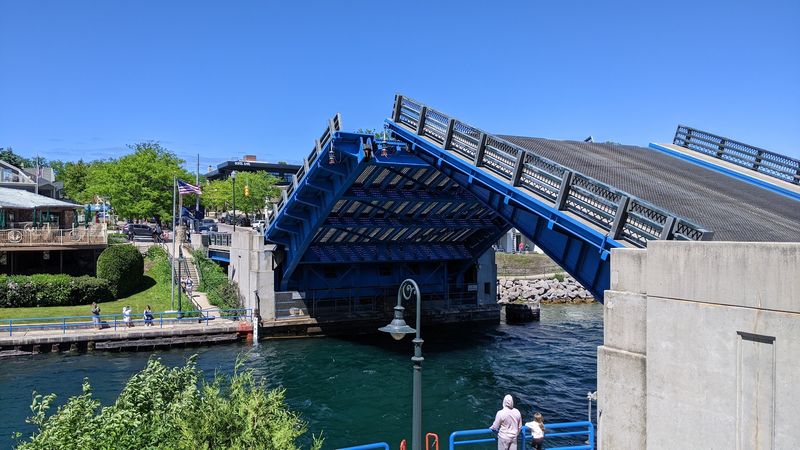
Stones do strange, delightful things in Charlevoix. Earl Young’s Mushroom Houses look brewed from beach rock and whimsy, their limestone walls and undulating cedar-shake roofs bending like they learned their shape from the Lake Michigan wind.
The channel between Round Lake and Lake Michigan brings a reliable parade of luxury yachts and gull commentary, especially when the drawbridge rises to let taller masts pass through.
The historic downtown packs tight around the marina, bright with overflowing flower boxes and the scent of fresh lake air. The Charlevoix South Pier Lighthouse paints the horizon a vivid red, creating a Great Lakes postcard scene that never grows tiresome.
Nearby, Lake Charlevoix adds its own inland sea mood, offering water that is slightly warmer and calmer, perfect for afternoon kayaking or paddleboarding.
While exploring, walk the Mushroom House loop respectfully, as many of these architectural oddities are private residences.
I always suggest catching the sunset from the pier with a light jacket in hand, as the temperature drops quickly once the sun dips below the horizon.
5. Petoskey (Petoskey Area)
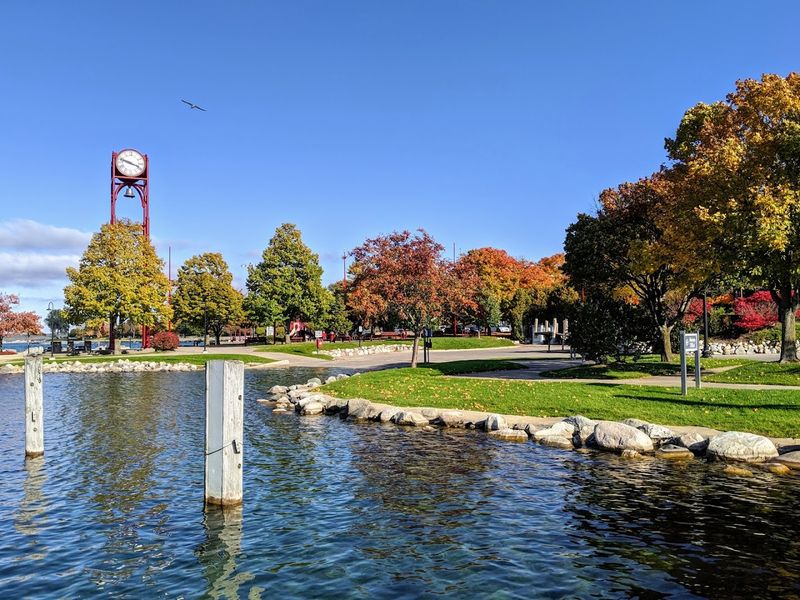
Wavelets tap the shore like practiced drummers, and people crouch along the beach hunting for the elusive Petoskey Stone. The town’s Victorian buildings show a sense of gingerbread restraint, emphasizing solid craftsmanship over gaudy ornament.
Coffee steam mingles with crisp lake air, and conversations drift easily along Mitchell Street, where the pace of life feels perfectly calibrated.
Petoskey’s history runs through Hemingway summers and the rail-era resort culture of the late 19th century. The Bay View neighborhood preserves hundreds of wooden cottages in careful, historic color palettes.
It’s a living museum that still hums with front-porch life and chautauqua programs, and it gives the town a strong sense of continuity.
Downtown’s architecture remains largely intact, a testament to the idea that preservation can be a successful civic plan. The streets feel designed for walking and noticing small details.
That’s part of why a casual afternoon can stretch longer than planned.
If you are serious about finding fossilized coral, bring polarized sunglasses for stone hunting after a rain. Wet stones reveal their hexagonal patterns more clearly through glare, and you’ll spot candidates faster.
6. Harbor Springs (Harbor Springs)
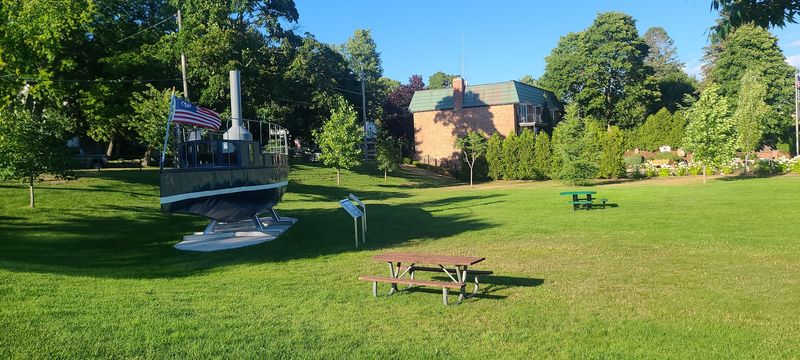
Harbor Springs speaks in sailboat whispers and white clapboard. The marina reads like sheet music, with white masts sketching steady rhythms against the backdrop of the deepest natural harbor in the Great Lakes.
The smell of fresh doughnuts from Tom’s Mom’s Cookies or a tiny storefront bakery can derail any planned agenda in the best possible way.
This is a town of quiet wealth and loud beauty, where simple summer pleasures are elevated to an art form. The light and the water do most of the work.
You just have to show up and let the day unfold.
The resort-era lineage runs deep here, visible in sprawling boathouses and long wrap-around porches that exude measured grace.
To the north, the Tunnel of Trees on M-119 threads history with cedar shadows and sudden glimpses of the bluffs.
Drive the Tunnel of Trees early in the morning during autumn to avoid slow caravans of leaf-peepers. You’ll catch soft, slanted light through the canopy, and the road feels calmer.
Once you are back in town, park your car once and leave it, Harbor Springs is best explored on foot.
7. Glen Arbor (Glen Arbor)
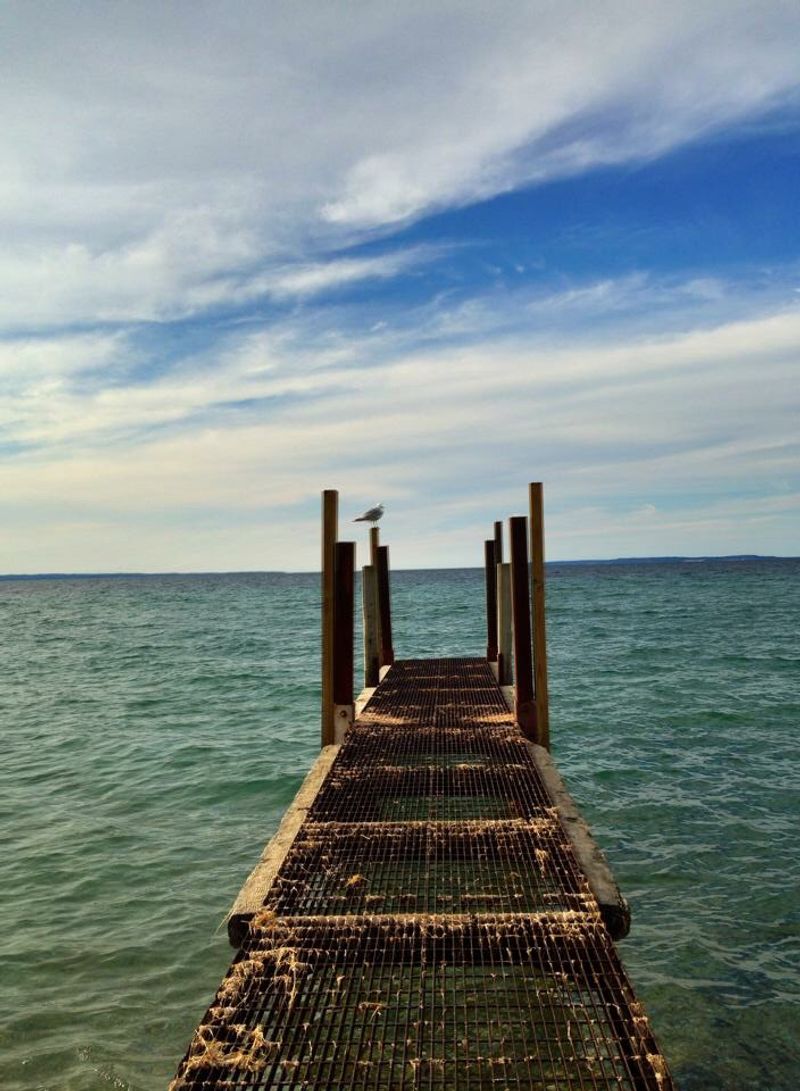
Pines carry the scent of warm sap, and waves click against pebbles like tiny, rhythmic metronomes. Glen Arbor sits nestled between Glen Lake and Lake Michigan, with Sleeping Bear Dunes rising in the distance like paused surf.
Cherry Republic is the heart of the village, where cherry jam and salsa appear on everything and somehow make perfect culinary sense.
History here is landscape-driven, anchored by dunes and historic farmsteads in the Port Oneida Rural Historic District. The story of old farms folding back into meadows feels tender and inevitable.
Local board-and-batten buildings keep edges simple, echoing the functional beauty of the original settlers’ architecture.
If you plan to tackle the Dune Climb, do so early or wait for evening shade to protect yourself from the sun. Treat your ankles kindly on the sandy descent, because the return is always harder than it looks.
Renting bikes for the Sleeping Bear Heritage Trail is the most efficient and scenic way to connect beaches, forest paths, and local bakeries.
Even storm days can be a highlight, the view from the Glen Haven cannery ruins overlook is spectacular when the lake is churning. The drama makes the dunes feel even larger.
8. Holland (Holland)

Tulips flare in disciplined, vibrant rows each spring, a color conversation that keeps you walking through meticulously kept parks. Downtown’s brick streets pair with the aroma of Dutch Windmill Cookies from local bakeries, and heated sidewalks are a miracle of engineering in winter.
Out at the channel, Big Red throws its famous curve into the lake horizon against a blue sky.
Holland’s Dutch roots are woven into daily life, not just displayed for visitors. De Zwaan, a working historic windmill transported from the Netherlands, still grinds flour.
It anchors Windmill Island Gardens with honest purpose, and it gives the town a center of gravity that feels real.
Neighborhoods balance trimmed hedges with welcoming porches, creating a lived-in orderliness that is uniquely local. The whole place feels bright and intentional.
It’s easy to see why people return year after year.
Visit during Tulip Time in May if you enjoy parades and traditional dancing. If you prefer a quieter experience, aim for weekdays in early May before the festival peaks.
Biking to Holland State Park is a wonderful way to get wide beach light without worrying about crowded parking lots.
9. Ann Arbor (Ann Arbor)
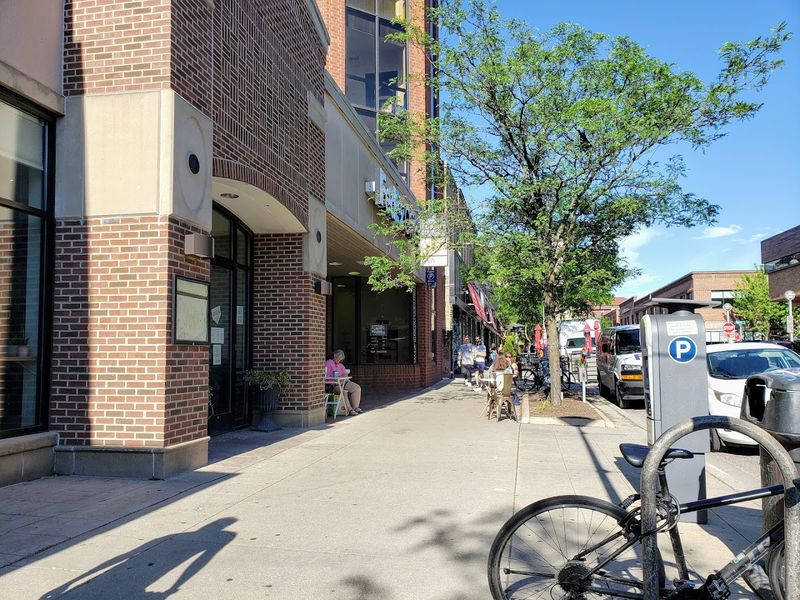
Bookstores double as living rooms, and coffee seems to have tenure here. Side streets cough up murals, late-night noodles, and professors on bicycles.
The Law Quad’s stone cloisters cool the air even in July.
Ann Arbor’s history is scholarly and stubbornly creative, the university shaping neighborhoods and protests alike.
The preservation of the Michigan Theater keeps the marquee’s glow honest. Old houses near Kerrytown hold farmers markets and quiet porches with equal grace.
Parking garages beat meters on game days, and walking is faster than calling a car.
I plan meals around campus art shows and football schedules to dodge throngs. In summer, the art fairs turn streets into a studio maze worth braving.
10. Frankenmuth (Frankenmuth)
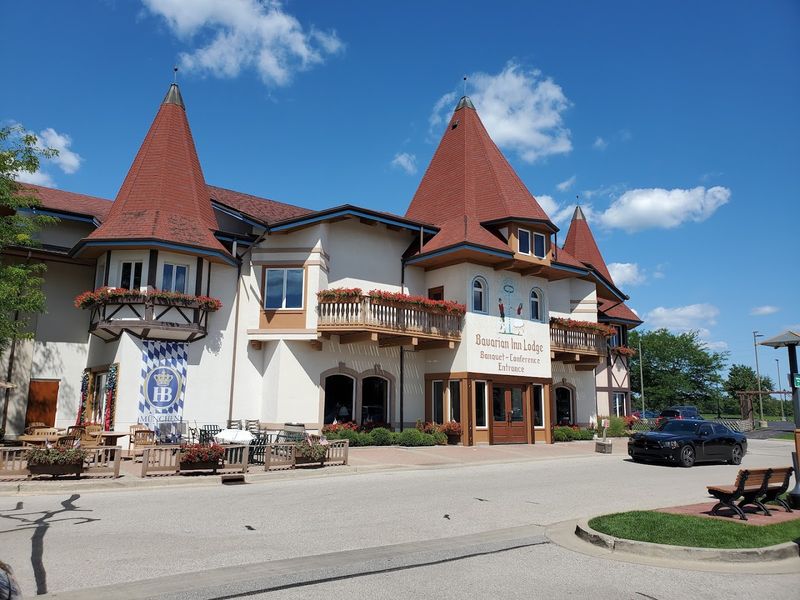
Half-timbered facades might tempt a cynical eye to roll until you notice genuine craft in the woodwork and floral displays. The Holz Brücke covered bridge creaks underfoot like a friendly old stage, and the Cass River slides by patiently.
Famous Family-Style Chicken Dinners at Zehnder’s or the Bavarian Inn arrive warm and unapologetic, accompanied by more sides than you can possibly finish.
Frankenmuth’s German roots go back to Lutheran settlers in the mid-1800s, and the Bavarian aesthetic was preserved through deliberate local planning. Seasonal festivals layer on brass bands and dirndls without losing small-town scale.
Historic mills and local breweries nod to the workaday origins of the community, keeping the story grounded.
To sidestep tour buses, visit on a weekday and spend your evening strolling the quiet riverwalk at dusk. If you have a soft spot for holiday cheer, budget significant time and trunk space for Bronner’s CHRISTmas Wonderland.
11. Marquette (Marquette)
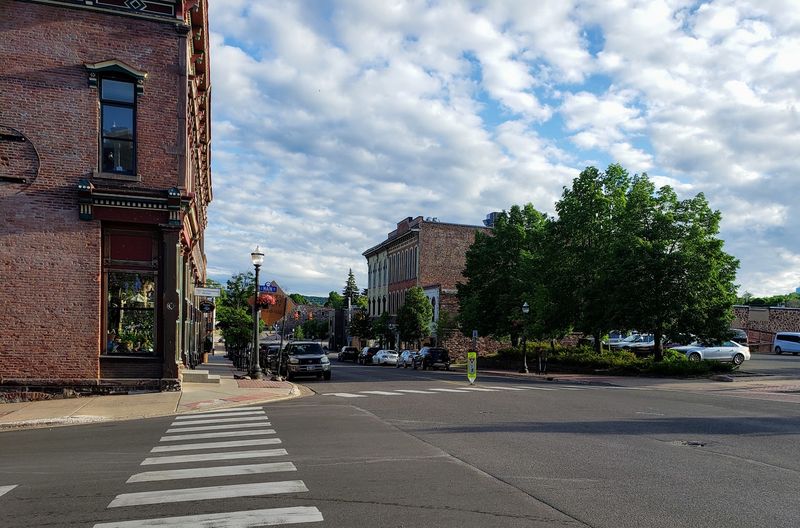
Lake Superior does not whisper, it booms at Presque Isle Park, flinging icy spray over ancient black rocks while runners and walkers circle the point. The decommissioned Lower Harbor Ore Dock broods over the water, a steel and concrete cathedral to the region’s industrial past.
Marquette is where the wildness of the North meets a vibrant, youthful energy, and the contrast keeps the town interesting.
The story is iron and grit turned into a thriving university community, with red sandstone blocks that have survived a century of snow and wind. The Marquette Harbor Lighthouse keeps its red confidence against the impossible blues of the lake.
Local breweries feel like community living rooms, offering warm lighting and a place to swap stories of the day’s adventures.
Upper Peninsula weather is fickle, so check the forecast obsessively and pack layers even in July. I love to chase sunrise on the lakeside bike path before grabbing a strong coffee near Washington Street.
For winter visitors, the groomed trails at Noquemanon offer a snowy playground where drifts behave better than most afternoon meetings.
12. Copper Harbor (Copper Harbor)
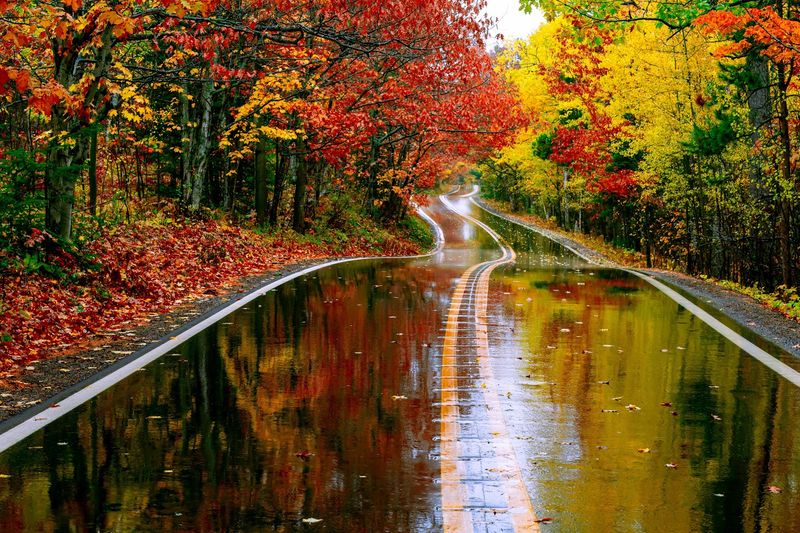
The road seems to run out of America here at the tip of the Keweenaw Peninsula, and the sky decides to be enormous. Superior grinds agates smooth on the shore while thick stands of spruce and fir hold the line against the elements.
Night brings a density of stars and a Milky Way view that is increasingly rare in the modern world.
Mining history hides in mossy adits and educational storyboards along rugged hiking trails. Brockway Mountain Drive feels like a high-altitude museum of horizons, with views across the peninsula and out over endless water.
Fuel up before scenic detours, services thin out beyond town limits. Pack heavy-duty bug spray and take a hike out to Hunter’s Point for rock gardens and twisted cedars.
I find September is best, birch trees turn to shimmering gold and summer crowds loosen their grip on the trails.
The magic of Michigan isn’t just in the places themselves, but in the way they stay with you long after the car is unpacked. Whether you’re standing on a silent bluff in Copper Harbor or navigating busy Ann Arbor, you’re part of a landscape as resilient as it is beautiful.