
12 South Carolina Mountain Towns That Stay Cooler Than The Rest Of The State
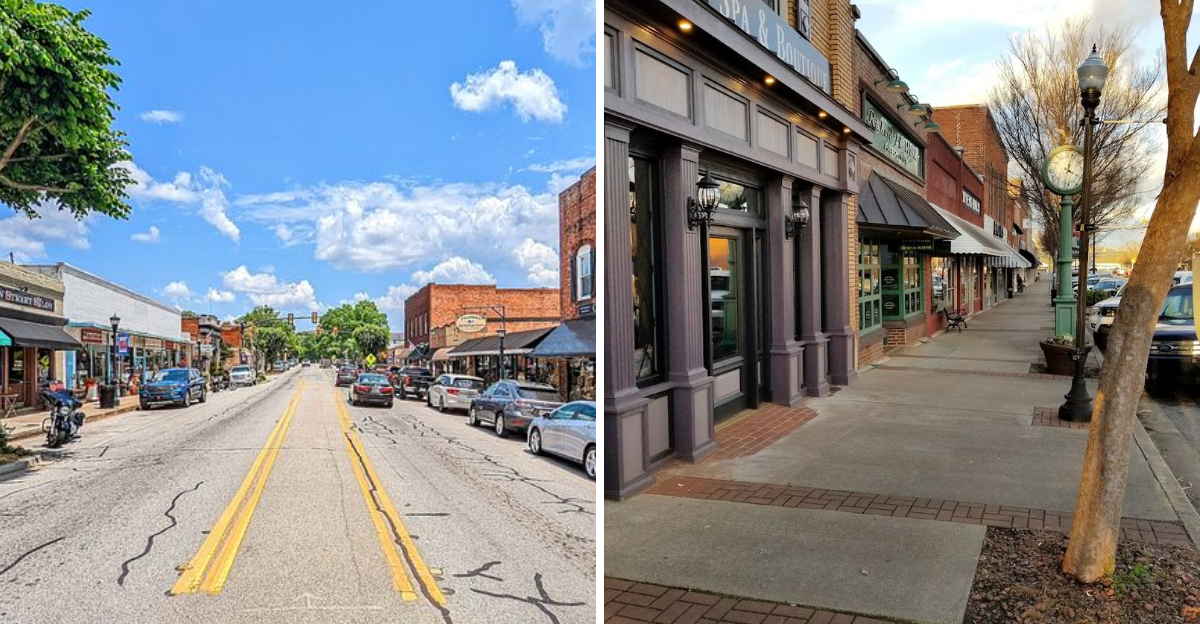
South Carolina has two very different summers.
Most people only experience one of them.
The first is exactly what you would expect. Hot afternoons.
Heavy humidity. Air so thick it seems to follow you everywhere.
It is the version of South Carolina that most visitors know.
Then there is the other one.
Head toward the Blue Ridge Mountains, and everything begins to change. The temperatures drop.
The breeze returns. Shaded streets replace sunbaked sidewalks, and even a simple walk outdoors feels far more comfortable.
That is the contrast.
While much of South Carolina spends the summer searching for air conditioning, these mountain towns offer something nature has been providing all along. Cooler air, beautiful scenery, and a slower pace make them feel like an entirely different state.
That is why people return every year.
Some come for the hiking. Others come for the waterfalls, scenic drives, and charming downtowns.
Many simply come to escape the heat for a while.
Some South Carolina destinations are all about sunshine.
These prove that one of the state’s greatest summer luxuries is finding a place where you can finally enjoy it without melting.
1. Walhalla
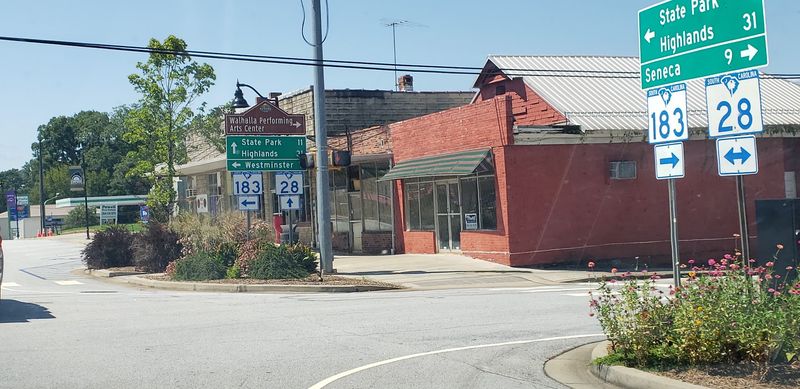
Settled by German immigrants in 1850, Walhalla carries a name that translates to “Garden of the Gods” in Norse mythology, and honestly, standing at the edge of town on a cool summer morning, that feels about right.
Sitting at roughly 1,100 feet in Oconee County, this small city of about 4,000 people enjoys noticeably milder temperatures than the rest of the state.
The downtown square has a walkable, unhurried quality that makes it easy to spend an afternoon poking around local shops and grabbing a bite at one of the casual eateries.
Stumphouse Tunnel Park is just a short drive away, where a 19th-century railroad tunnel stays a chilly 50 degrees year-round, making it a genuinely cool side trip in every sense.
Nearby Oconee State Park adds hiking, fishing, and swimming to the mix, so there is never a shortage of ways to enjoy the mountain air.
Walhalla has a quiet confidence about it, the kind of town that does not need to advertise itself because the people who find it tend to come back.
2. Mountain Rest
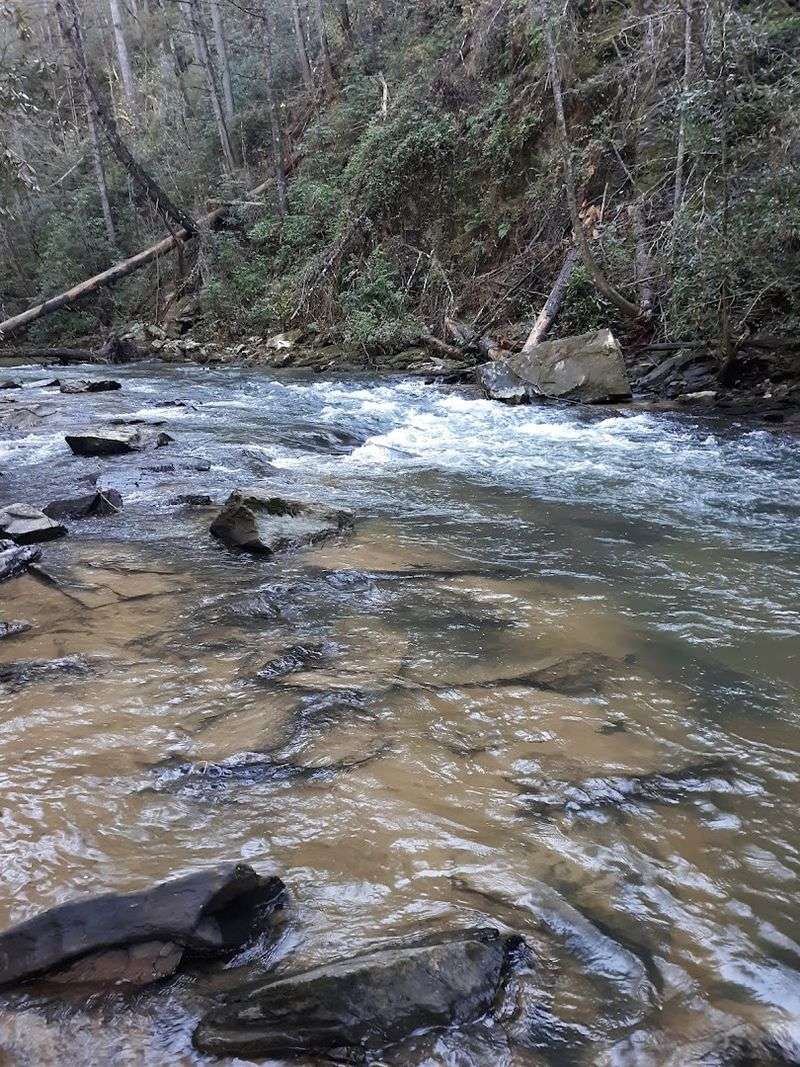
The name Mountain Rest is not just poetic, it is genuinely accurate, because this tiny community in Oconee County feels like the state took a deep breath and decided to slow everything down.
Perched in the upper reaches of the Blue Ridge, the area sits at elevations that keep summer highs comfortably below what the rest of South Carolina endures.
Chattooga River runs nearby, drawing kayakers and fly fishermen who appreciate both the challenge of the water and the cool shade of the surrounding forest canopy.
The Foothills Trail passes through this area as well, offering serious hikers access to some of the most remote and rewarding terrain in the Southeast.
Accommodations here lean toward rustic cabins and small retreats rather than chain hotels, which means your stay feels more like borrowing a piece of the mountains than checking into a room.
I always leave Mountain Rest feeling like I actually rested, which sounds obvious but is rarer than you might think.
3. Long Creek
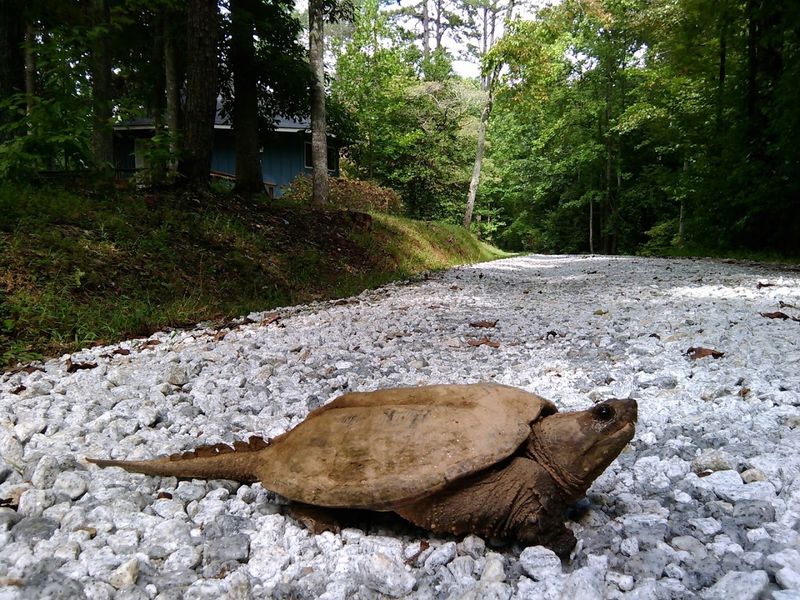
Long Creek sits in the far northwestern corner of Oconee County, so close to the Georgia and North Carolina borders that it feels like the state is sharing it reluctantly.
The elevation here contributes to temperatures that can feel refreshingly mild even during July and August, when the rest of South Carolina is at its most oppressive.
The Chattooga River, which forms the border between South Carolina and Georgia at this point, is one of the most celebrated whitewater rivers in the eastern United States and runs practically through the community’s backyard.
Sumter National Forest wraps around Long Creek on multiple sides, giving the area a deeply forested character that filters sunlight into dappled, cool patches even at midday.
Small farms and homesteads dot the surrounding landscape, giving Long Creek a genuinely rural texture that feels authentic rather than curated for tourists.
For anyone who wants mountain cool without crowds, Long Creek delivers the kind of quiet that you can actually hear.
4. Salem
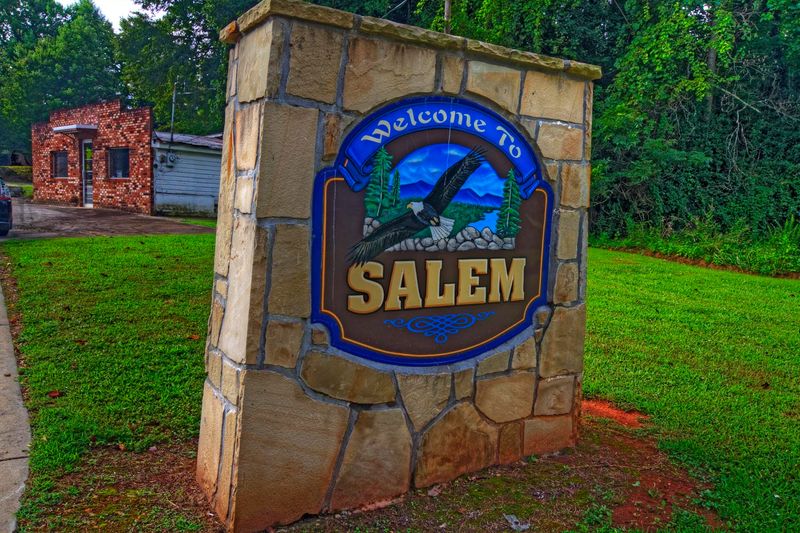
Salem is one of those towns where the scenery does most of the talking, situated between Lake Keowee and the Blue Ridge foothills in Oconee County at elevations that take the edge off summer heat.
The lake itself is one of the clearest in the region, fed by cold mountain streams and managed carefully enough that the water retains a blue-green clarity that photographs almost look fake.
Keowee-Toxaway State Park sits just outside Salem and offers hiking trails that wind through hardwood and pine forest, with overlooks that frame the mountains in a way that makes you want to stay until sunset.
The town is small enough that you will not find a traffic jam here, but there are enough local spots for food and supplies to make a long weekend feel comfortable.
Fall is particularly spectacular in Salem, when the surrounding ridges turn orange, red, and gold while temperatures drop into sweater territory.
Salem rewards the traveler who is willing to slow down and actually look at where they are.
5. Cleveland, South Carolina
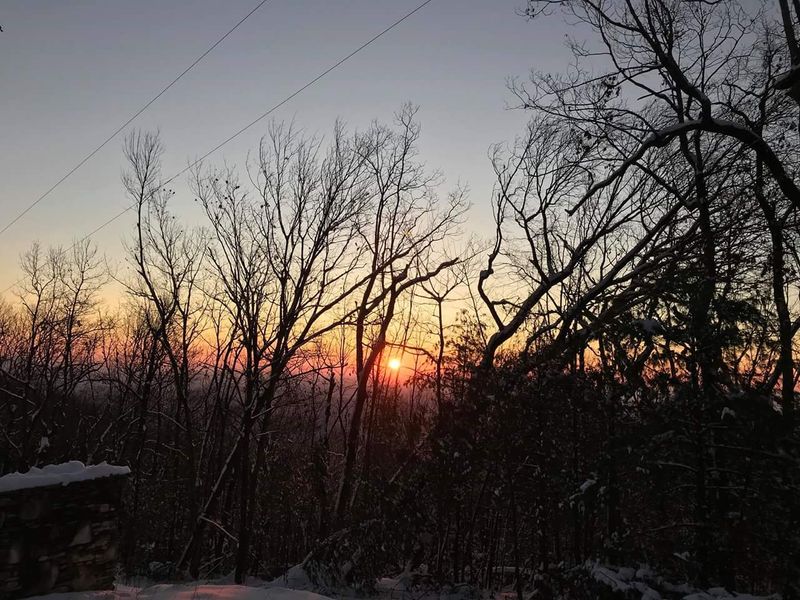
Tucked into the foothills of Greenville County, Cleveland is the kind of place that sneaks up on you, a quiet community where the mountains feel close enough to touch and the temperature reflects that proximity.
The elevation in this area keeps things noticeably cooler than Greenville city, which sits only about 30 miles to the south but can feel like a different climate entirely in August.
Table Rock State Park is the crown jewel nearby, anchored by the unmistakable flat-topped peak of Table Rock Mountain that rises to over 3,100 feet and draws hikers from across the Southeast.
The park’s trails range from easy lakeside walks to demanding ridge climbs, meaning there is a comfortable level of challenge for every type of visitor.
Cleveland itself has a pastoral, unhurried character with farms and orchards that take advantage of the cooler growing season, often producing apples and peaches that taste better for the mountain air they grow in.
Every visit here feels like a small reminder that the best things in South Carolina are not always on the coast.
6. Travelers Rest
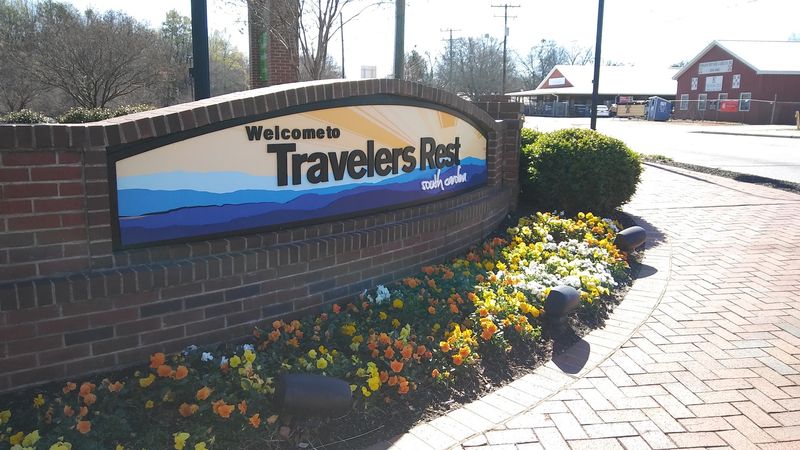
Travelers Rest earned its name from the 19th-century travelers who stopped here to recover before tackling the mountain roads ahead, and the town has been in the business of welcoming people ever since.
Sitting at the base of the Blue Ridge in Greenville County, Travelers Rest enjoys a cooler microclimate than the city of Greenville just to the south, with the mountains acting as a natural air conditioning system on hot summer days.
The Swamp Rabbit Trail, a beloved paved multi-use path, connects Travelers Rest to Greenville and draws cyclists, runners, and walkers who appreciate both the scenery and the relatively mild temperatures along the route.
Downtown has grown into a genuinely lively small-town hub, with local restaurants, coffee shops, and boutiques that feel curated without feeling pretentious.
The Prisma Health Swamp Rabbit Trail trailhead near downtown makes Travelers Rest an easy base for outdoor adventures that extend into the surrounding foothills.
I find it hard to leave Travelers Rest without planning the next visit before I have even reached the highway.
7. Pickens
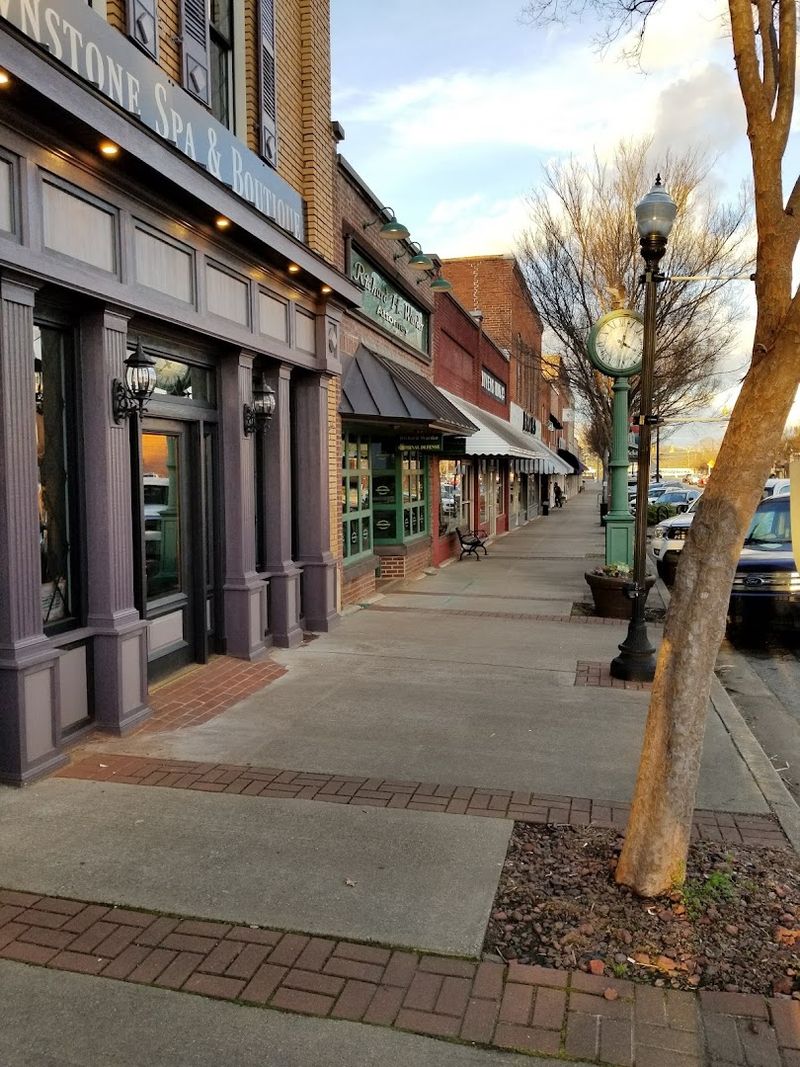
Named for General Andrew Pickens of Revolutionary War fame, the town of Pickens sits at the foot of the Blue Ridge in Pickens County and serves as a practical gateway to some of the best mountain scenery in the state.
The elevation here is modest but meaningful, contributing to summer temperatures that consistently run cooler than the Midlands or the coast, making outdoor activity far more enjoyable.
Hagood Mill Historic Site sits just outside town and offers a fascinating look at 19th-century Upstate life, with a working gristmill and regular living history demonstrations that connect visitors to the region’s past.
The town square has a classic small-city feel, with a courthouse, local shops, and the kind of low-key energy that makes it easy to spend a morning without any particular agenda.
Pickens County Museum of Art and History rounds out the cultural offerings with exhibits that trace the area’s Indigenous, colonial, and modern heritage.
Pickens is the kind of place where history and fresh mountain air make for an unexpectedly satisfying combination.
8. Landrum
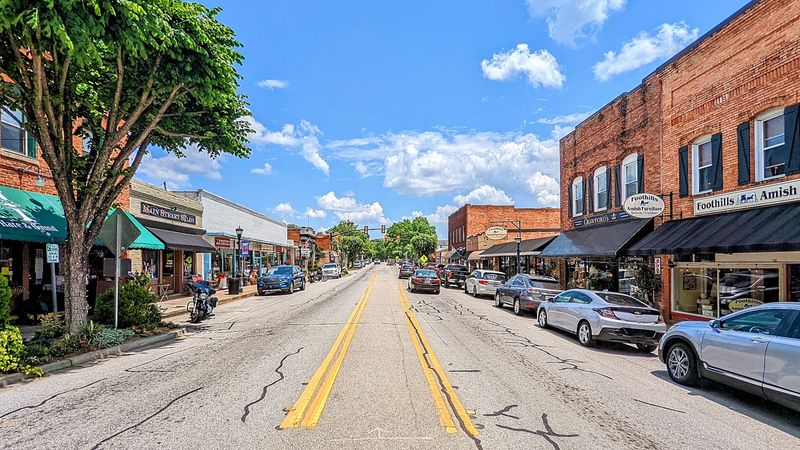
Sitting right on the North Carolina border in Spartanburg County, Landrum occupies a stretch of the Piedmont that tilts decisively toward the mountains, and the cooler temperatures here reflect that geographic tilt.
The town has developed a notable equestrian identity over the years, with horse farms and riding trails woven into the surrounding landscape in a way that gives the community a distinctive, unhurried elegance.
Tryon, just across the state line in North Carolina, shares the same valley and cultural vibe, making this area feel like a single mountain community that just happens to straddle a border.
The Foothills Equestrian Nature Center, known locally as FENCE, hosts events, trails, and educational programs that draw visitors interested in both horses and the surrounding natural landscape.
Landrum’s small downtown has a handful of local eateries and shops that cater to both residents and the steady trickle of visitors who discover the town while exploring the area.
There is a relaxed refinement to Landrum that makes it feel like a well-kept secret even when it is right there on the map.
9. Marietta
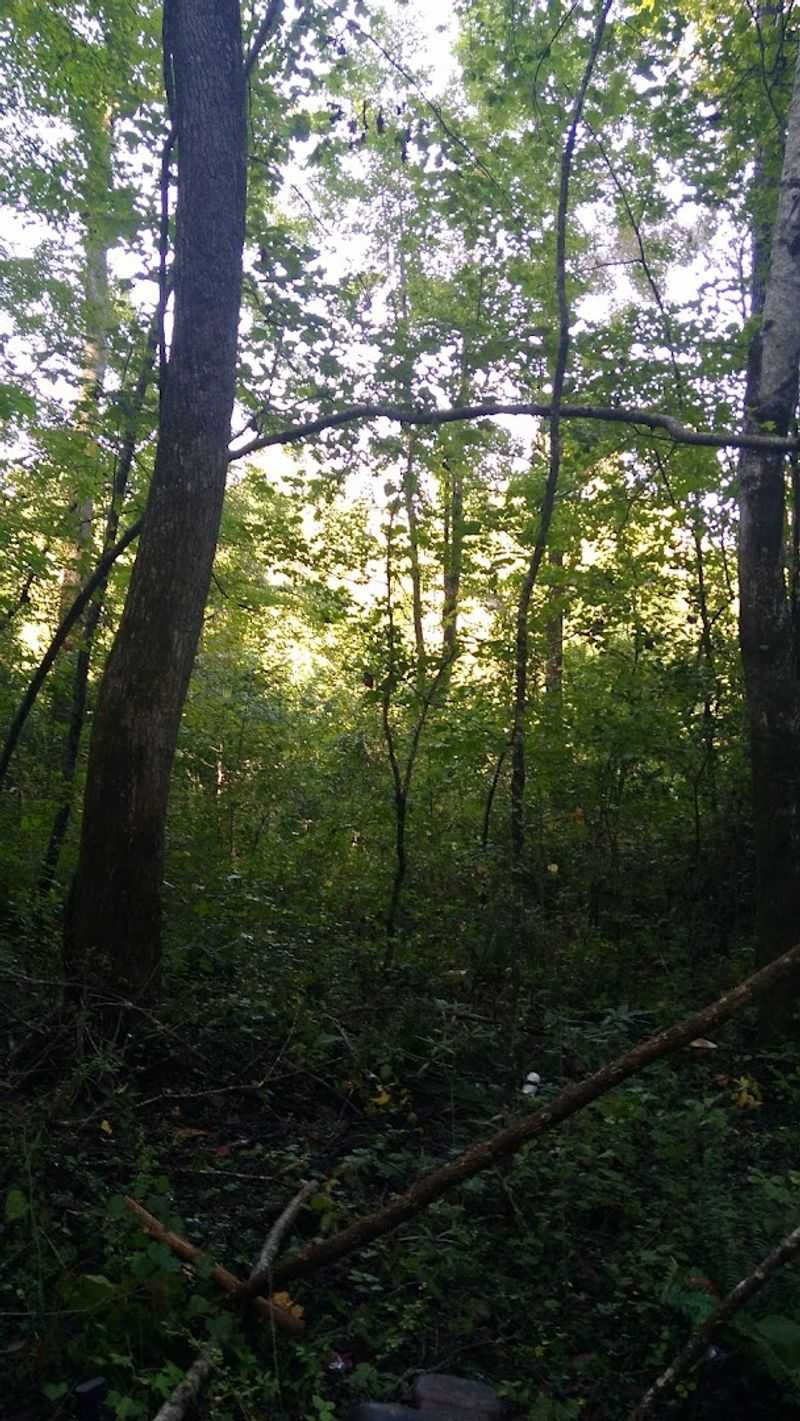
Marietta is a small community in northern Greenville County that most people drive through without stopping, which is exactly the kind of oversight that keeps it feeling genuinely undiscovered.
The area sits at the edge of the Blue Ridge escarpment, where the mountains make a dramatic jump in elevation and the temperature follows suit, dropping noticeably as you drive north through the community.
Caesar’s Head State Park is just a few miles up the road, and many visitors use Marietta as a convenient staging point before heading into the park’s rugged terrain.
The surrounding landscape is a mix of small farms, dense forest, and winding roads that reward slow driving and open windows far more than any highway could.
Middle Saluda River flows through the area, and the valley it carves out is one of the prettier stretches of rural scenery in Upstate South Carolina.
Marietta does not try to impress you, and somehow that is precisely what makes it impressive.
10. Sunset
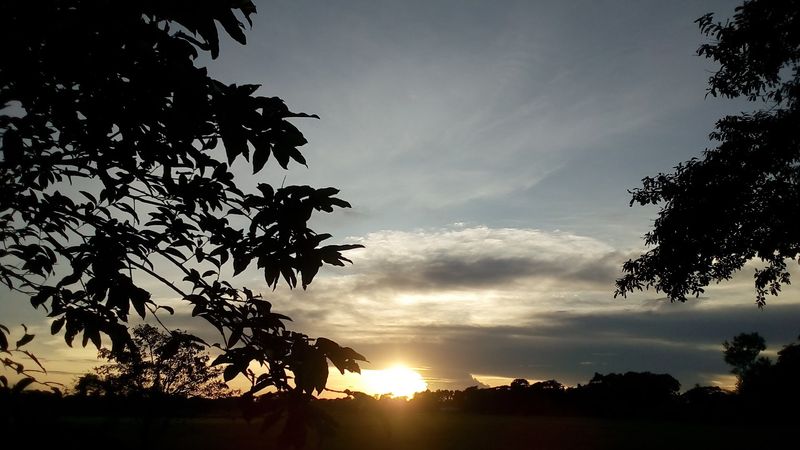
The name Sunset promises something, and this small community in Pickens County delivers on it every single evening when the light hits Lake Keowee and the surrounding hills in a way that makes you stop whatever you are doing.
Situated between the lake and the Blue Ridge foothills, Sunset benefits from both the cooling effect of elevation and the moderating influence of the large reservoir, which keeps temperatures from swinging too wildly.
The Lake Keowee area has become increasingly popular with second-home buyers and retirees, but Sunset itself retains a quiet, residential character that keeps it from feeling overdeveloped.
Fishing, kayaking, and paddleboarding on the lake are the primary draws for warm-weather visitors, and the water temperature stays refreshingly cool well into summer thanks to the mountain streams that feed it.
The surrounding roads offer scenic drives through rolling hills and past the occasional vineyard or farm stand that makes an unplanned stop feel like the best decision of the day.
Sunset is proof that the best endings in South Carolina are sometimes found in the mountains, not on the coast.
11. Tamassee Area (Cashiers Valley)
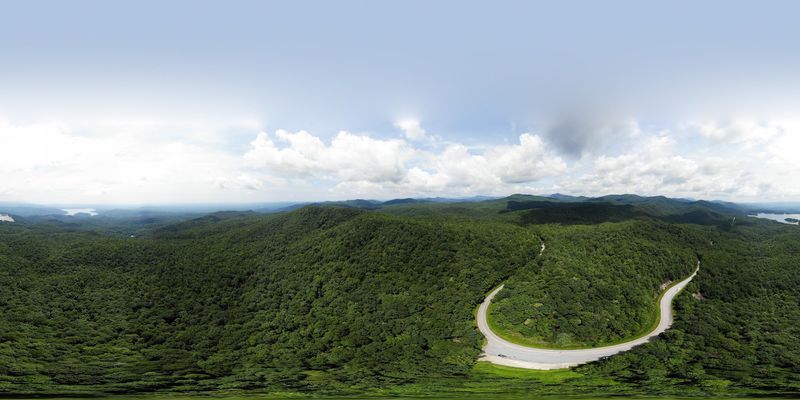
The Tamassee area of Oconee County sits in a valley carved by the Blue Ridge Mountains and the rivers that drain them, creating a pocket of cool, moist air that feels like stepping into a different season even in July.
Tamassee Knob is one of the area’s most rewarding hikes, a trail through hardwood forest that climbs to a bald summit with sweeping views of the surrounding ridges and valleys.
The Cherokee people held this valley as sacred ground for generations, and the name Tamassee itself comes from the Cherokee language, adding a layer of historical depth to what is already a visually striking landscape.
Sumter National Forest covers much of the surrounding terrain, keeping development at bay and preserving the wild character that makes this corner of South Carolina feel genuinely remote.
Primitive camping is available in the national forest, offering the rare opportunity to sleep under a sky full of stars with almost no light pollution to compete with them.
The Tamassee area is the kind of place that recalibrates your sense of what South Carolina can actually look like.
12. Caesars Head
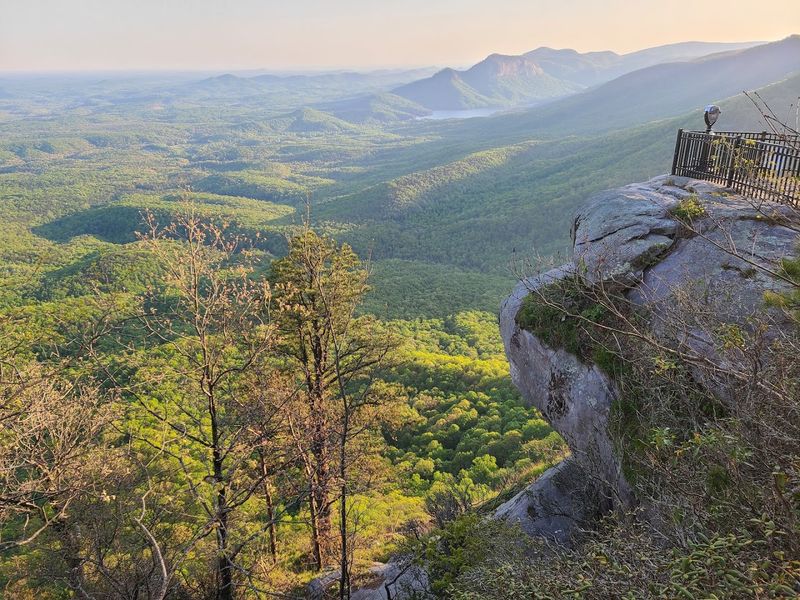
Standing at the Caesars Head overlook at 3,208 feet above sea level, you are looking out over a view that genuinely earns the word breathtaking, with the Blue Ridge spreading out in every direction and the valley floor far below.
Caesars Head State Park, located in northern Greenville County near the North Carolina border, is one of the highest accessible points in South Carolina, and the temperature at the summit can run 15 degrees cooler than Greenville on a summer afternoon.
The park is famous among birders for its annual hawk migration in September and October, when thousands of broad-winged and sharp-shinned hawks ride the thermal currents above the escarpment in a spectacle that draws observers from across the country.
Raven Cliff Falls, accessible via a trail from the park, drops 420 feet in a series of cascades that make it one of the tallest waterfalls in the eastern United States.
The park connects to Jones Gap State Park via the Middle Saluda River corridor, creating a contiguous stretch of protected mountain land that hikers can explore for days.
Caesars Head is the kind of place that makes you rethink everything you thought you knew about what South Carolina has to offer.