
13 Massive Florida Lakes That Feel More Like Oceans Than Inland Waters
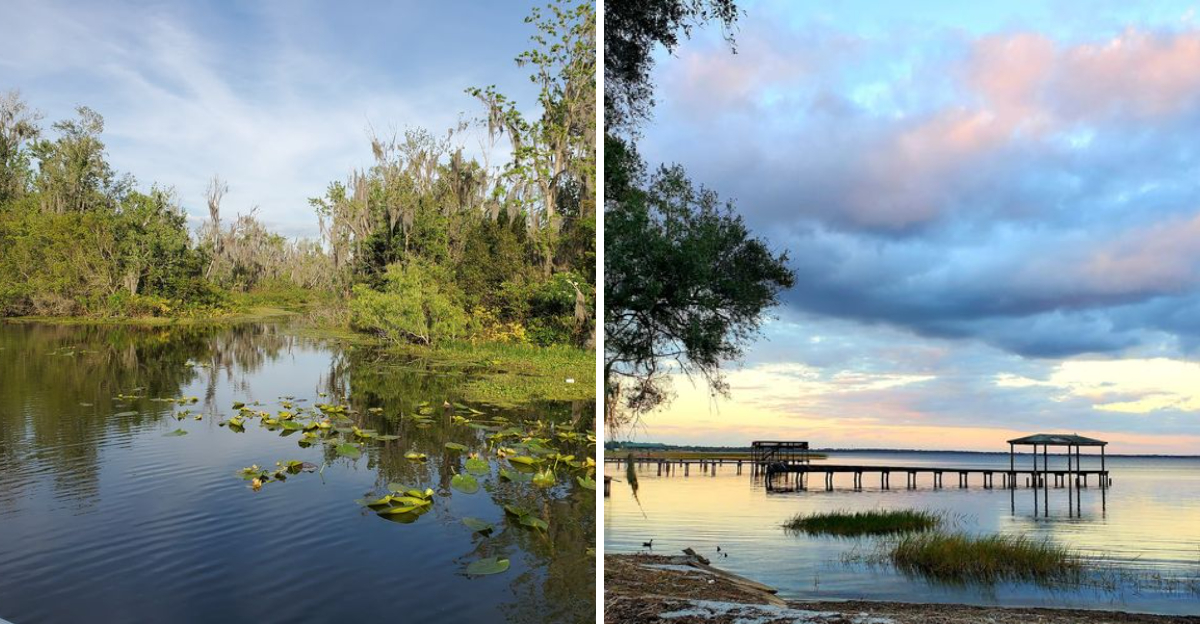
Florida has a habit of making water look endless.
Usually, everyone assumes the ocean deserves the credit.
Then you reach one of these lakes.
The shoreline stretches away. Waves move across open water.
The opposite bank disappears so completely that your beach towel may start feeling useful.
That is when the map becomes necessary.
Across Florida, massive inland waters offer wide horizons, quiet coves, fishing grounds, and wildlife habitats that feel far removed from coastal towns.
Some host tournaments. Others invite slow boat rides, birdwatching, or afternoons spent doing absolutely nothing with commitment.
The contrast is surprising.
These places feel peaceful, but they are anything but small. Their size can change weather, challenge boaters, and make an inland sunset look almost oceanic.
Florida may sell itself through beaches.
Its lakes quietly offer another version of the state.
No salt. Fewer umbrellas.
And enough water to make your GPS question everything.
1. Lake Okeechobee, Okeechobee
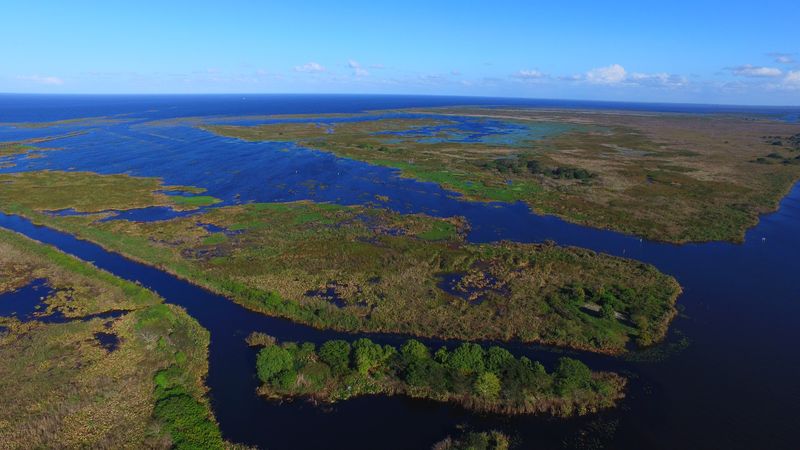
Standing on the Herbert Hoover Dike at 10430 State Road 78 W in Okeechobee, FL 34974, I genuinely felt my brain struggle to process how much water was in front of me.
Lake Okeechobee is the largest lake in Florida and the second largest freshwater lake in the continental United States, covering roughly 730 square miles.
Locals call it the “Big O,” and once you see it, the nickname makes perfect sense.
Bass fishing here is legendary, drawing anglers from across the country who chase trophy largemouth bass through the thick hydrilla beds near the lake’s edges.
The 110-mile Okeechobee Scenic Trail wraps around the dike and offers hikers and cyclists a route with sweeping water views on one side and farmland on the other.
Birdwatchers find the surrounding marshes packed with snail kites, herons, anhingas, and roseate spoonbills that feed along the shallows at sunrise.
No other lake in Florida gives you this much sky, this much water, and this much wild energy all at once.
2. Lake Kissimmee, Lake Wales
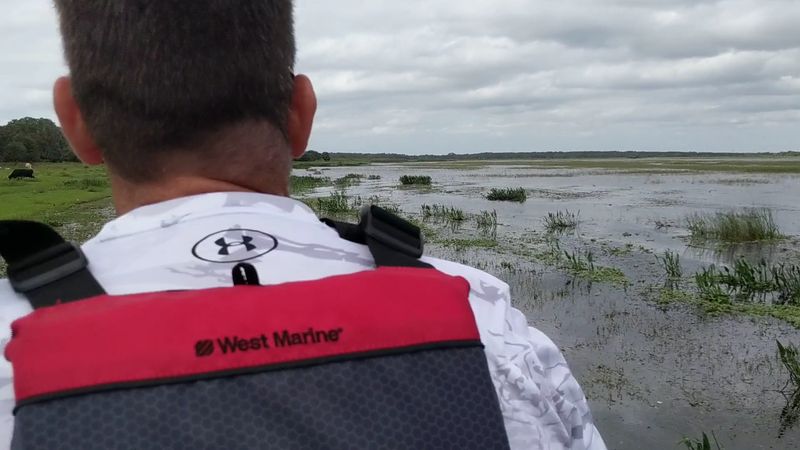
Covering about 35,000 acres in Polk County, Lake Kissimmee near Lake Wales, FL 33898 is the kind of place where the water seems to stretch all the way to the horizon without apology.
Lake Kissimmee State Park, located at 14248 Camp Mack Rd, is one of Florida’s best-kept outdoor secrets, offering camping, hiking, and some of the most productive bass fishing in the state.
The lake is part of the Kissimmee Chain of Lakes, a connected series of waterways that eventually feeds into Lake Okeechobee to the south.
Ospreys and bald eagles are a constant presence overhead, circling the open water and diving for fish with remarkable precision.
The park also runs a living history cow camp on weekends, where costumed interpreters demonstrate what Florida cattle ranching looked like in the 1870s.
Sandhill cranes and white-tailed deer wander the oak hammocks just steps from the water’s edge.
Mornings on Lake Kissimmee have a quiet, almost meditative quality that makes every sunrise feel like something worth waking up early for.
3. Lake Apopka, Apopka
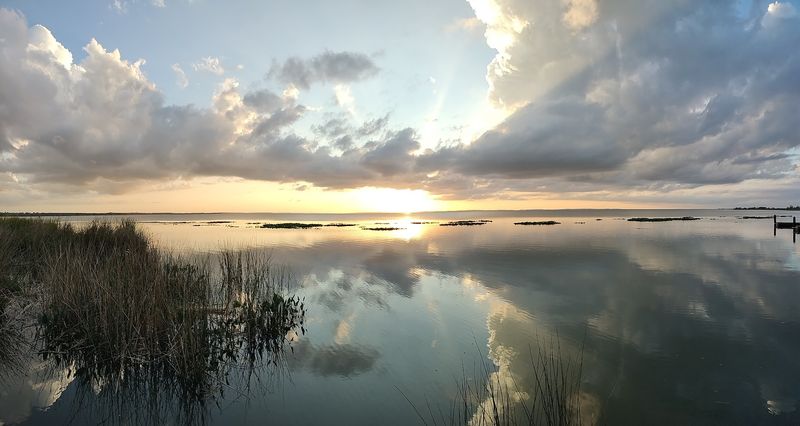
Lake Apopka near Apopka, FL 32703 has one of the most remarkable comeback stories in Florida’s environmental history, and the view from the Wildlife Drive at 2850 Lust Rd proves the recovery is real.
At roughly 30,000 acres, it is the fourth largest lake in Florida and was once so polluted by agricultural runoff that wildlife nearly vanished from its shores entirely.
Decades of restoration efforts have transformed the surrounding marshes back into a thriving habitat for hundreds of bird species.
The Lake Apopka Wildlife Drive is one of the top birding destinations in the southeastern United States, drawing photographers and naturalists who line up before dawn to catch the spectacle.
On a single morning drive, I counted egrets, ibis, anhingas, wood storks, and a pair of sandhill cranes all within the first mile.
The lake itself sits just northwest of Orlando, making it a surprisingly accessible escape from the theme park crowds.
What Lake Apopka lacks in crystal clarity it more than makes up for in raw ecological energy and wide-open sky.
4. Lake Istokpoga, Lake Placid
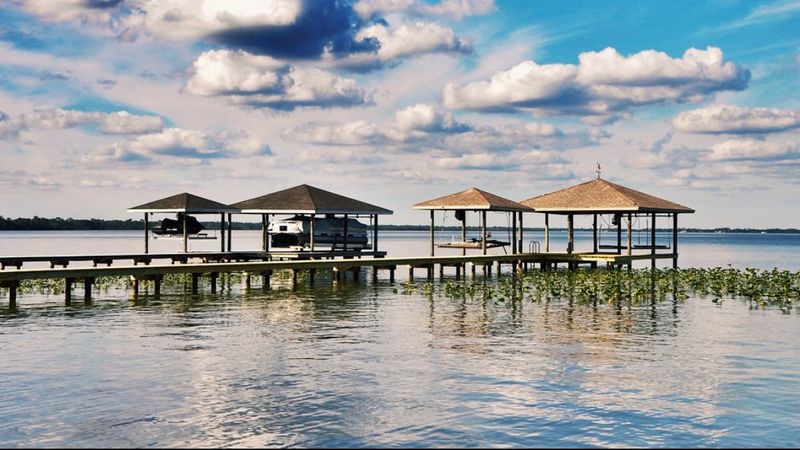
The name sounds like it belongs in a mystery novel, and Lake Istokpoga near Lake Placid, FL 33852 delivers an atmosphere that matches the intrigue.
At around 27,692 acres, it ranks as the fifth largest lake in Florida and one of the top bass fishing destinations in the entire country.
The lake sits in Highlands County, a region of south-central Florida that feels genuinely off the beaten path even though it is only a couple of hours from Miami or Tampa.
Shallow water depths averaging just six to eight feet make the lake ideal for wading birds and juvenile fish, which in turn attract larger predators like bass and gar.
The address at 720 Lake Blvd in Lake Placid gives you a good launching point to explore the lake’s western shoreline by boat or kayak.
Locals describe the early morning fog that settles over the water as something almost otherworldly, turning the lake into a soft gray mirror before the sun burns it away.
Istokpoga rewards patience and quiet, which is exactly the kind of energy this lake seems to run on.
5. Lake Tohopekaliga, Kissimmee
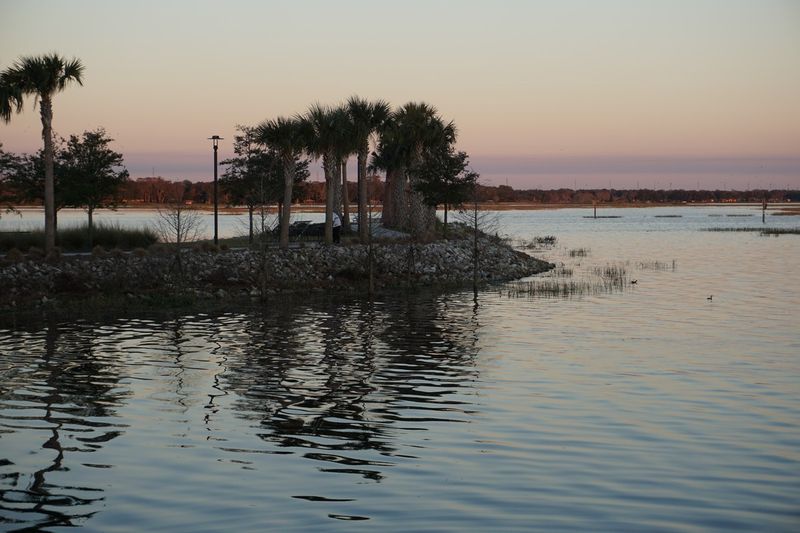
Known affectionately as Lake Toho, this 22,700-acre body of water in Kissimmee, FL 34741 is the kind of place that makes Central Florida feel surprisingly untamed.
Kissimmee Lakefront Park at 201 Lakeview Dr puts you right at the water’s edge, with a marina, boat ramps, a splash pad, and a paved trail that runs along the shoreline for easy access.
The lake is part of the Upper Kissimmee Chain and connects to a network of waterways that flows all the way south to Lake Okeechobee.
Bass fishing on Lake Toho is consistently ranked among the best in the state, and the lake regularly hosts major professional bass tournaments that draw competitors from across North America.
Airboat tours operate from the marina and give visitors a fast, thrilling way to scan the grassy marshes for alligators, herons, and nesting ospreys.
The sunsets here are genuinely spectacular, painting the broad water surface in shades of orange and violet that no filter could improve.
Lake Toho proves that some of Florida’s best views have nothing to do with salt water.
6. Crescent Lake, Crescent City
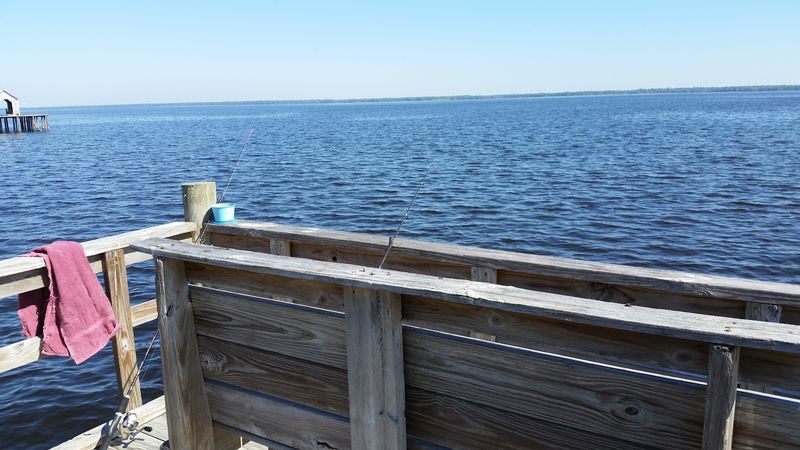
There is something poetic about a lake that actually looks like its name, and Crescent Lake near Crescent City, FL 32112 delivers exactly that satisfying shape when viewed from above.
The lake stretches about 15 miles long and covers roughly 15,960 acres, making it one of the larger lakes in Putnam County in Northeast Florida.
Access near 100 N Summit St puts you close to the water in the heart of Crescent City, a small historic town that has been drawing sportsmen and nature lovers since the 1800s.
The lake sits between Lake George to the north and the St. Johns River system to the west, positioning it within one of Florida’s most scenic freshwater corridors.
Largemouth bass fishing on Crescent Lake has been a tradition here for generations, and the dark tannin-stained water gives the lake a moody, atmospheric quality that photographers love.
Cypress trees draped in Spanish moss line much of the shoreline, creating a classic Florida scene that feels like something from a painting.
Crescent City itself has the kind of unhurried pace that makes you want to stay a day longer than planned.
7. Lake Griffin, Fruitland Park
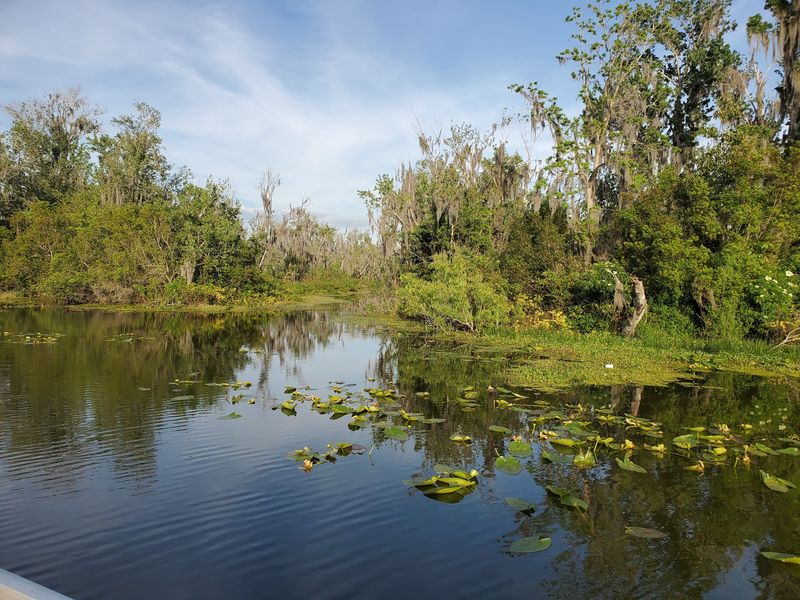
Tucked into Lake County along US-441 near Fruitland Park, FL 34731, Lake Griffin covers about 10,460 acres and connects directly to the Harris Chain of Lakes via the Palatlakaha River.
Lake Griffin State Park, located at 3089 US-441, sits right on the lake and offers camping, kayaking, and a boat ramp that makes exploring the water straightforward for visitors of any experience level.
The park is also home to a remarkable collection of live oak trees, some of the largest in Florida, which shade the picnic areas and campgrounds beautifully.
The lake earned a reputation for producing trophy-sized largemouth bass, and local fishing guides know these waters well enough to put clients on fish almost every trip.
American lotus flowers bloom across parts of the lake in summer, creating yellow and white floral displays that cover the surface like a living carpet.
Bald eagles nest in the tall trees near the shoreline and are frequently spotted perched or soaring low over the open water.
Lake Griffin is the kind of place that rewards visitors who slow down long enough to actually look around.
8. Orange Lake, Hawthorne
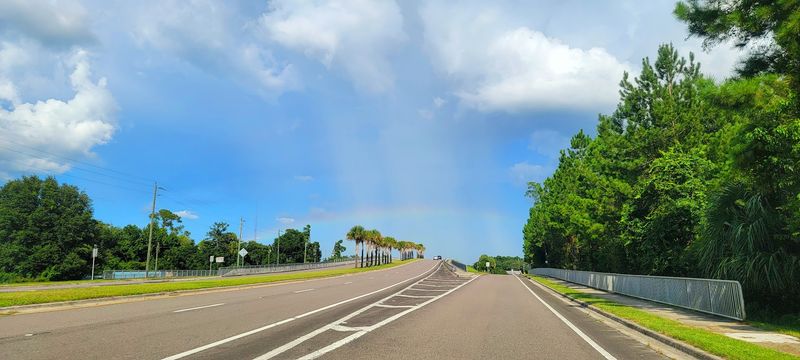
Orange Lake near Hawthorne, FL 32640 is one of those places that feels like a wildlife documentary unfolding in real time the moment you arrive at the water’s edge.
At around 12,600 acres, the lake sits in Alachua County in North Central Florida and is recognized as one of the most ecologically important lakes in the state.
Access near 20225 N US Hwy 301 brings you to a region where the lake’s shallow, vegetation-rich waters support an extraordinary concentration of wading birds, waterfowl, and alligators year-round.
The lake is particularly famous among birders for its large populations of sandhill cranes, which gather in impressive flocks during the winter months.
Largemouth bass thrive in the hydrilla and lily pad fields that cover much of the lake’s surface, and kayak fishing has become increasingly popular here in recent years.
The Cross Florida Greenway runs nearby, connecting outdoor enthusiasts to a broader trail network that includes paddling routes through the surrounding wetlands.
Orange Lake has a raw, unpolished beauty that feels refreshingly far from any tourist crowd.
9. East Lake Tohopekaliga, St. Cloud
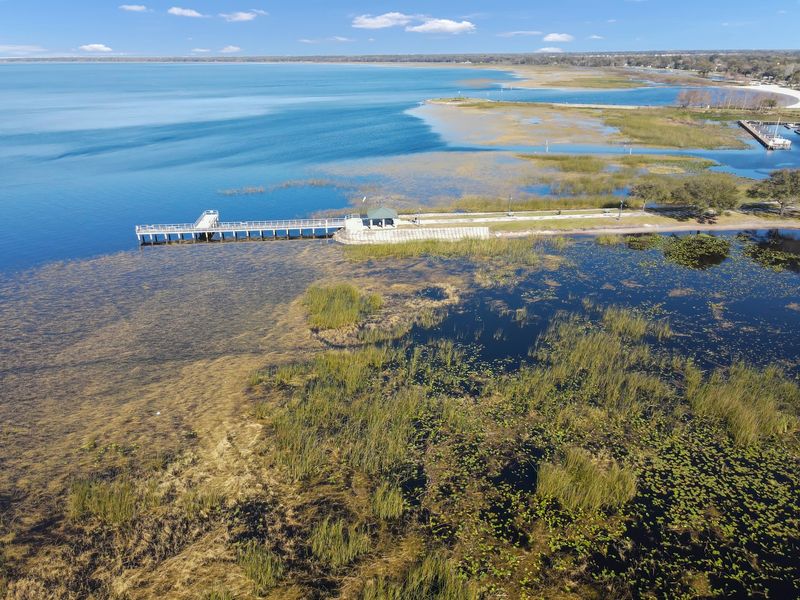
East Lake Tohopekaliga in St. Cloud, FL 34769 sits just a few miles from its more famous sibling, Lake Toho, but it has built its own loyal following among anglers and paddlers who prefer a slightly quieter scene.
Covering approximately 11,968 acres, the lake is accessed easily from 1402 Lakeshore Blvd, where a public boat ramp and nearby park give visitors a clean entry point to the water.
The lake is part of the Upper Kissimmee Chain and shares the same interconnected waterway system that defines so much of Osceola County’s outdoor character.
Grass beds and submerged vegetation near the lake’s southern end create productive habitat for bass, speckled perch, and bluegill that keep local anglers coming back reliably.
St. Cloud itself has a friendly, unpretentious small-city vibe, and the lakefront area has been gradually improved with walking paths and green spaces that make it pleasant to visit even without a boat.
Wading birds are a constant fixture along the marshy edges of the lake, especially in the early morning hours before motorized traffic picks up.
East Lake Toho is proof that the quieter option is often the more rewarding one.
10. Lake Seminole, Sneads
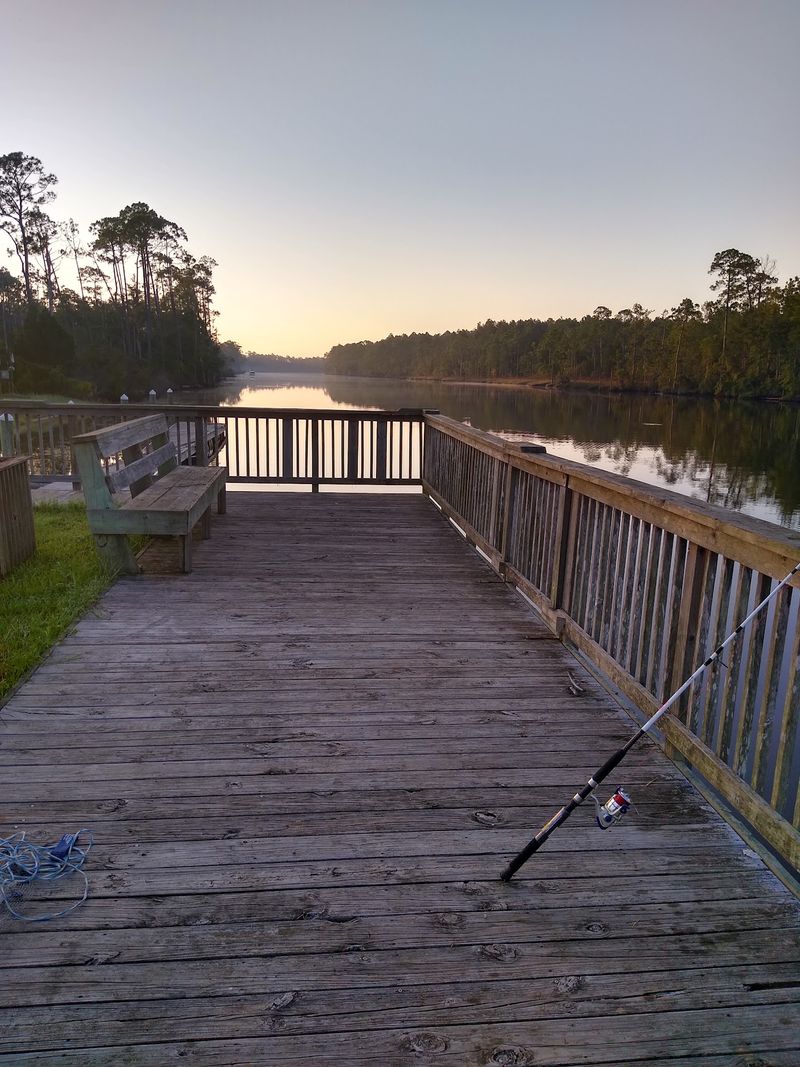
Created by the construction of Jim Woodruff Lock and Dam in 1957, Lake Seminole near Sneads, FL 32460 is a 37,500-acre reservoir that sits right at the corner where Florida, Georgia, and Alabama meet.
Three Rivers State Park at 7908 Three Rivers Park Rd puts you at the confluence of the Flint and Chattahoochee Rivers, which join here to form the Apalachicola River flowing south.
The sheer size of the lake combined with its northern Florida location gives it a character that feels distinctly different from the more tropical lakes further south in the state.
Striped bass, largemouth bass, and catfish are the main targets for anglers, and the lake produces some genuinely impressive catches throughout the year.
The surrounding forests of pine, oak, and hickory give the shoreline a lush, almost Appalachian quality that surprises visitors expecting typical flat Florida scenery.
Camping at Three Rivers State Park puts you close enough to hear the water at night, which is the kind of detail that sticks with you long after you drive home.
Lake Seminole rewards the traveler willing to make the drive to Florida’s quieter northwest corner.
11. Lake Weohyakapka, Lake Wales
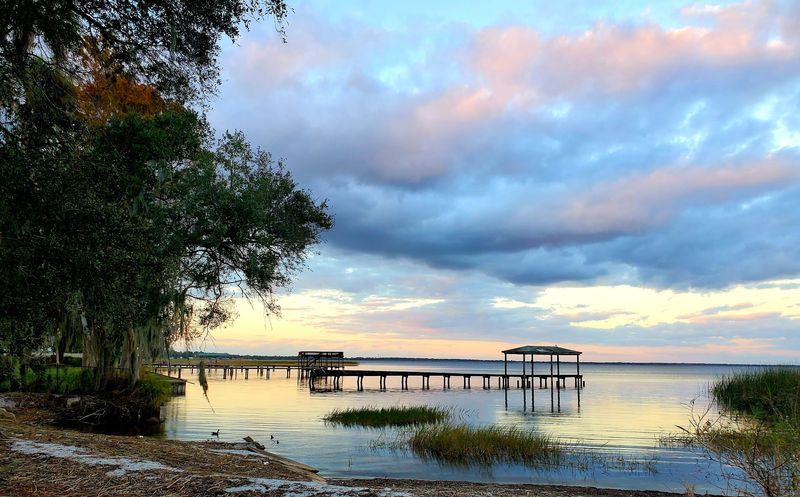
The name Lake Weohyakapka is a mouthful, which is why most locals simply call it Lake Walk-in-Water, a name that carries a certain barefoot Florida charm all on its own.
Located near Lake Wales, FL 33898, with access near 2300 Walk In Water Rd, this lake covers approximately 7,528 acres and sits in the heart of Polk County’s ridge lake region.
The lake is part of the Kissimmee Chain and drains northward into Lake Hatchineha, connecting it to the broader chain of waterways that eventually reaches Lake Okeechobee.
Fishing on Lake Weohyakapka is considered some of the best in Polk County, with largemouth bass growing to impressive sizes in the lake’s deep, clear water.
The surrounding landscape is dotted with citrus groves and cattle pastures, giving the drive to the lake a distinctly old-Florida agricultural feel that is increasingly rare to find.
Ospreys and great blue herons are reliable companions along the shoreline throughout the year, adding a steady soundtrack of bird calls to the otherwise peaceful setting.
Walk-in-Water is the kind of lake that earns its nickname every single time you visit.
12. Lake Hatchineha, Haines City
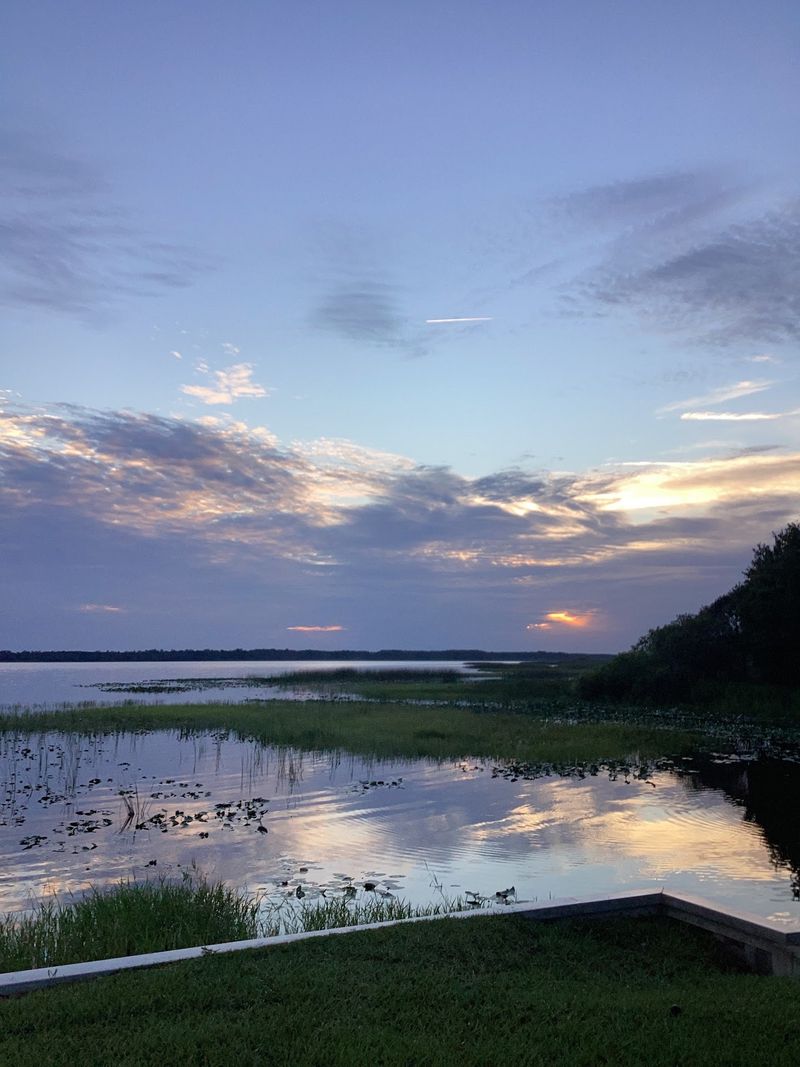
Sandwiched between Lake Kissimmee to the south and Lake Cypress to the north, Lake Hatchineha near Haines City, FL 33844 plays a quiet but essential role in the Kissimmee Chain of Lakes.
The lake covers about 6,656 acres and is accessed near 15050 Lake Hatchineha Rd, a rural route that winds through cattle country before opening up to the water.
Bass fishing on Hatchineha is consistently productive, and many anglers treat it as a bonus stop during a multi-lake fishing trip through the chain.
The lake’s shallow, vegetation-heavy areas near the inlet from Lake Kissimmee attract large concentrations of wading birds, particularly during the dry season when fish become more concentrated in deeper channels.
Airboat operators working out of nearby fish camps use Hatchineha as a gateway to explore the vast marsh systems that connect the chain’s southern lakes.
The scenery here is flat, wide, and unapologetically wild, with no major development crowding the shoreline in most areas.
Hatchineha has a low-key personality that serious anglers and paddlers tend to appreciate far more than casual visitors ever expect.
13. Blue Cypress Lake, Fellsmere
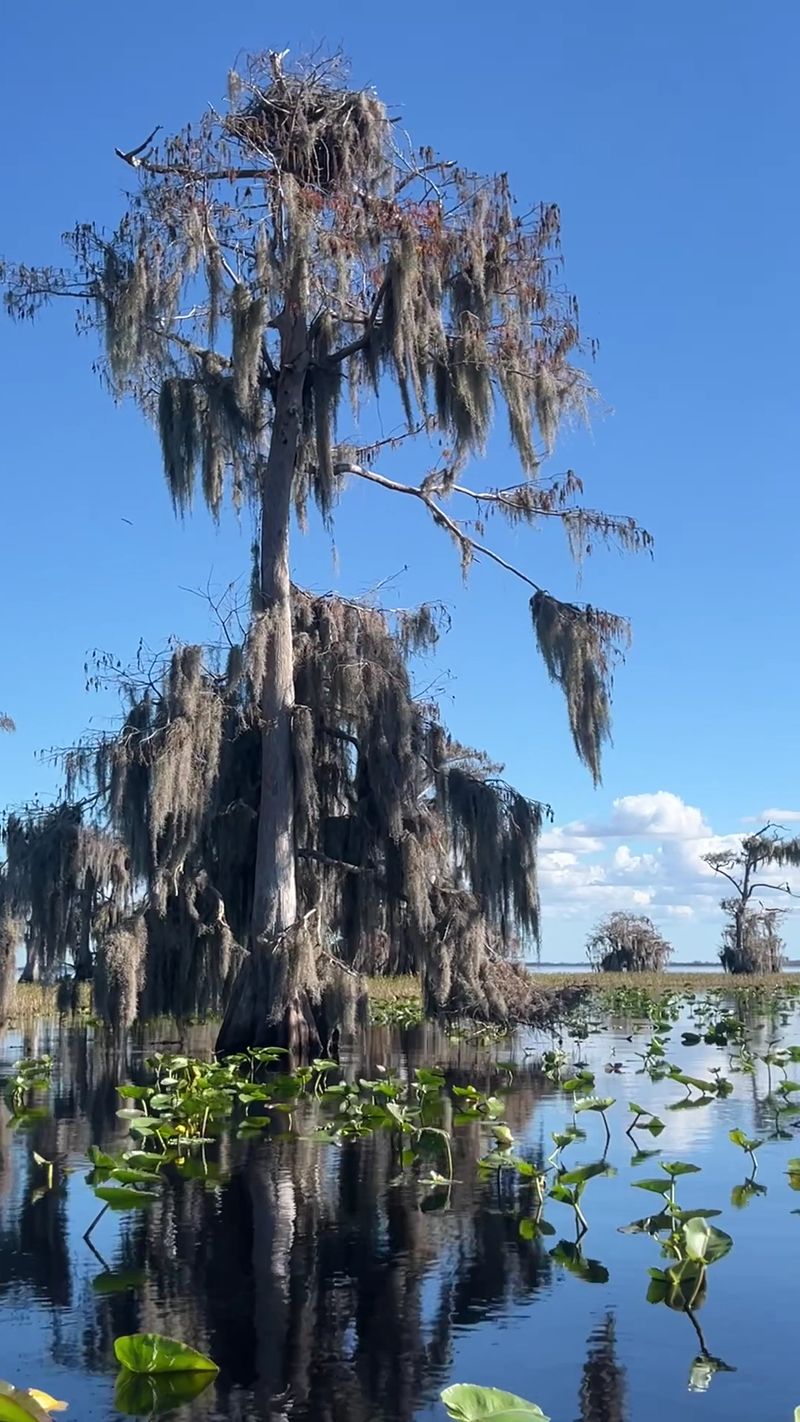
Blue Cypress Lake near Fellsmere, FL 32948 is the kind of place that makes photographers forget about their schedules entirely, and I completely understand why the moment I first paddled in among the cypress trees.
Covering about 6,555 acres in Indian River County, it is the largest lake in that county and one of the most visually dramatic lakes in the entire state.
The lake is accessed near 7400 Blue Cypress Lake Rd, and the cypress trees that rise from the water here are ancient, their knobby knees and draped Spanish moss creating a cathedral-like atmosphere.
Bass fishing on Blue Cypress is excellent and has been for decades, with the lake’s clean, relatively undeveloped character helping maintain strong fish populations.
The lake feeds into the Blue Cypress Conservation Area, a vast wetland preserve that stretches across tens of thousands of acres in St. Lucie and Indian River Counties.
Sunrise on Blue Cypress is a full sensory event, with mist rising off the dark water, herons calling from the treetops, and the cypress silhouettes reflecting perfectly in the still surface.
If you visit only one Florida lake purely for the scenery, make it this one.