
14 Local Food Traditions In Louisiana You Can Still Experience Today
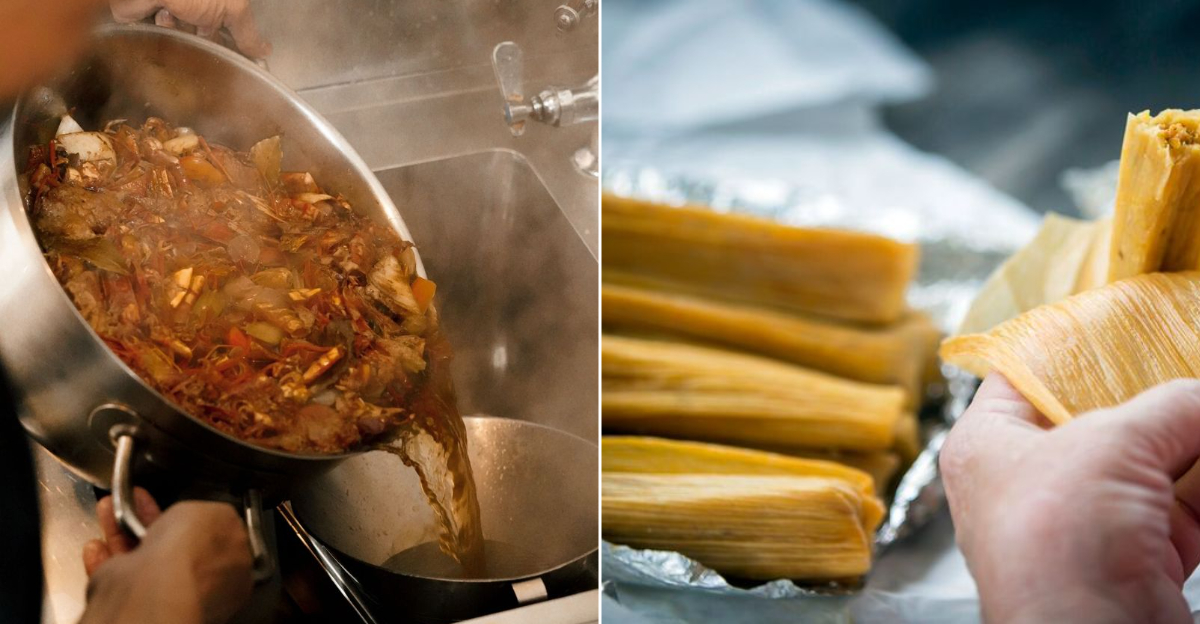
Caution, reading this while hungry is a terrible idea. Louisiana doesn’t believe food should stay in the kitchen. It throws it into parades, festivals, family reunions, roadside stands, and just about every excuse people can invent to celebrate.
Here, dessert gets a season. Meat pies get festivals. Ice becomes legendary.
Even a simple roast turns into an all-day event where leaving early feels slightly illegal. The strange part? Nobody seems surprised.
That’s just Tuesday. Louisiana has mastered a delicious trick. It disguises culture as comfort food, then lets your taste buds do the sightseeing. So forget souvenir shopping for a moment.
The best thing you’ll take home from these local food traditions isn’t something you’ll pack in a suitcase. It’s the irresistible urge to come back for one more bite.
1. Gathering Around A Spring Crawfish Boil
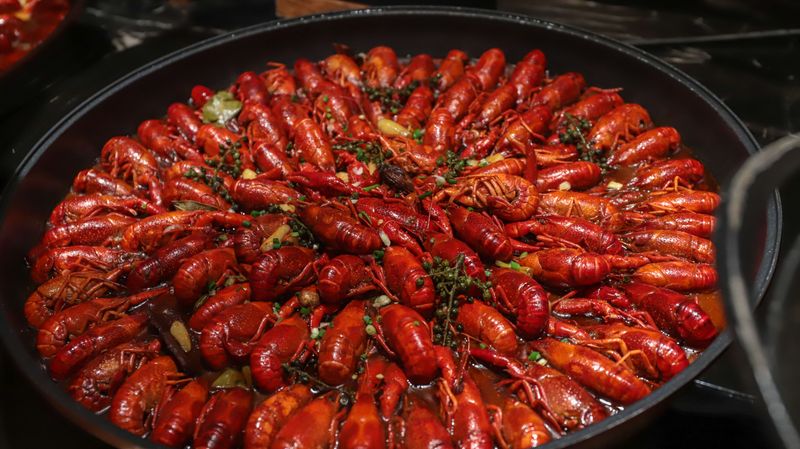
Picture this: a massive steaming pot, a table covered in newspaper, and a mountain of bright red crawfish piled high like edible treasure.
That is the Louisiana crawfish boil, and it is one of the most joyful food rituals you will ever witness. Spring is prime season, running roughly from February through May, when the crawfish are plump and the weather is just right for outdoor gatherings.
The seasoning is serious business here. Crawfish get boiled with potatoes, corn, sausage, onions, and enough spice to make your lips tingle in the best possible way.
Every cook has their own blend of seasonings, and debates about the right recipe are deeply passionate. Some swear by soaking the crawfish after boiling to let the spice really sink in.
You do not need a fancy restaurant reservation to experience this tradition. Head to any neighborhood gathering, festival, or backyard party in the spring and you will find one.
Louisiana crawfish boils are less about the food and more about the pure, unscripted joy of sharing a meal together.
2. Eating Red Beans And Rice Every Monday
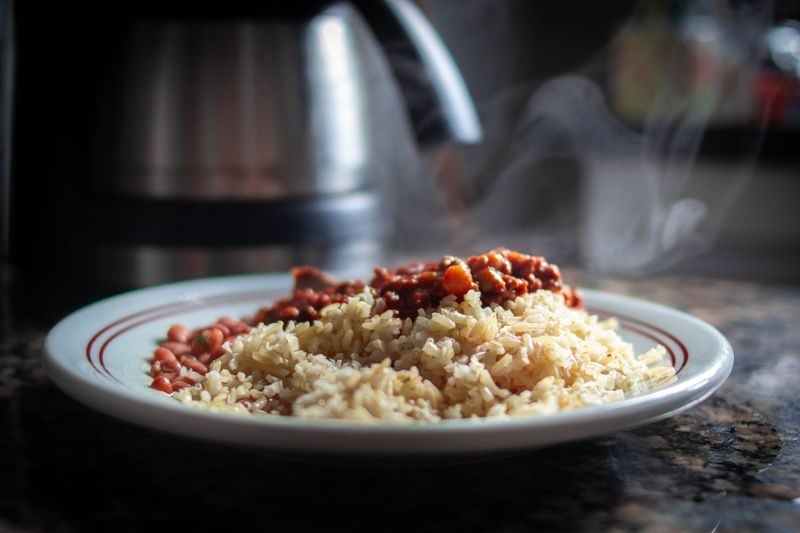
Monday in Louisiana carries a very specific and deeply comforting aroma. Red beans and rice has been a Monday staple in New Orleans since the 1800s, and the tradition is so embedded in the culture that it practically functions as a weekly holiday.
The origins are practical and clever: Monday was traditionally laundry day, meaning cooks needed a dish that could simmer unattended for hours.
A ham bone or smoked sausage went into the pot with dried kidney beans, the holy trinity of onion, celery, and bell pepper, and generous seasoning. By dinnertime, you had a deeply rich, creamy pot of beans that made the whole house smell incredible.
The dish reflects the beautiful layering of African, Creole, and French culinary traditions that define New Orleans cooking.
You can find red beans and rice on nearly every local restaurant menu in the city on Mondays. Some spots serve them all week because demand never really drops off.
Comfort food this good does not need a day off.
3. Sharing King Cakes Throughout Carnival Season
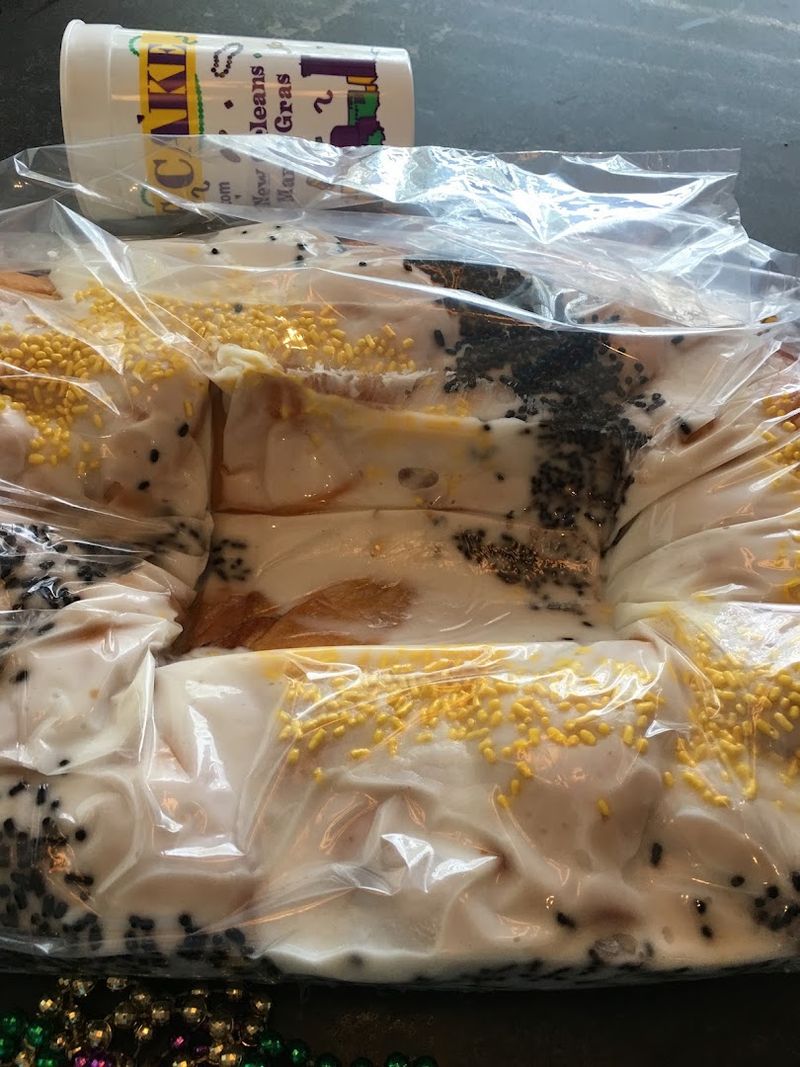
From January 6th straight through to Fat Tuesday, Louisiana transforms into one giant King Cake party. This sweet, brioche-style pastry decorated in purple, gold, and green is basically the official snack of Carnival season.
The colors are not just pretty choices either. Purple represents justice, gold symbolizes power, and green stands for faith.
Hidden somewhere inside every King Cake is a tiny plastic baby. Find it in your slice and you are crowned the unofficial royalty of the party, with the not-so-secret catch that you are also now responsible for bringing the next cake.
It is a delicious cycle of sugary accountability that nobody seems to mind.
Bakeries across New Orleans and Acadiana start rolling them out the moment Epiphany hits, and the flavors have exploded over the years.
Traditional cinnamon is still beloved, but now you can find King Cakes stuffed with cream cheese, praline, strawberry, and even savory boudin fillings. King Cake season is short, sweet, and absolutely worth planning a trip around.
4. Making Community Gumbo After The Courir De Mardi Gras
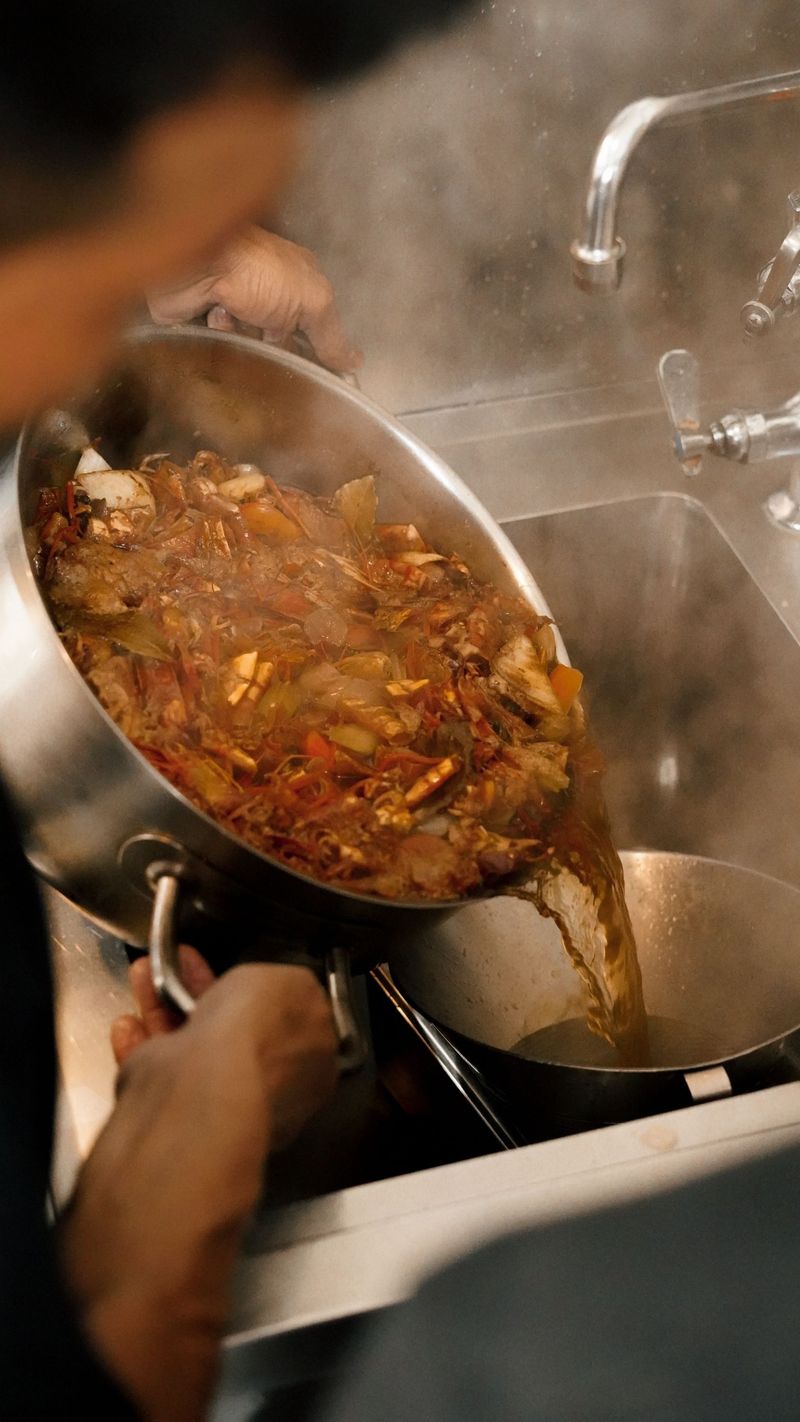
The Courir de Mardi Gras is one of the most wonderfully chaotic and joyful traditions in all of rural Louisiana. Masked and costumed riders on horseback travel through the countryside, stopping at farms to beg for ingredients.
They might chase a live chicken, collect vegetables, or gather rice, all with tremendous energy and laughter. It looks like absolute mayhem, and it is completely intentional.
Everything collected throughout the day gets combined into a massive communal gumbo at the end of the procession. The whole community gathers around to eat together, celebrating the season and the harvest in the most delicious way imaginable.
Towns like Eunice and Mamou are famous for keeping this tradition alive and vibrant.
The gumbo itself is deeply symbolic. Every ingredient was earned through collective effort, making each bowl taste like something more than just food.
It tastes like community, tradition, and the kind of shared experience that you carry with you long after the bowl is empty. This is Cajun culture at its most raw and beautiful.
5. Attending An Old-Fashioned Cajun Boucherie
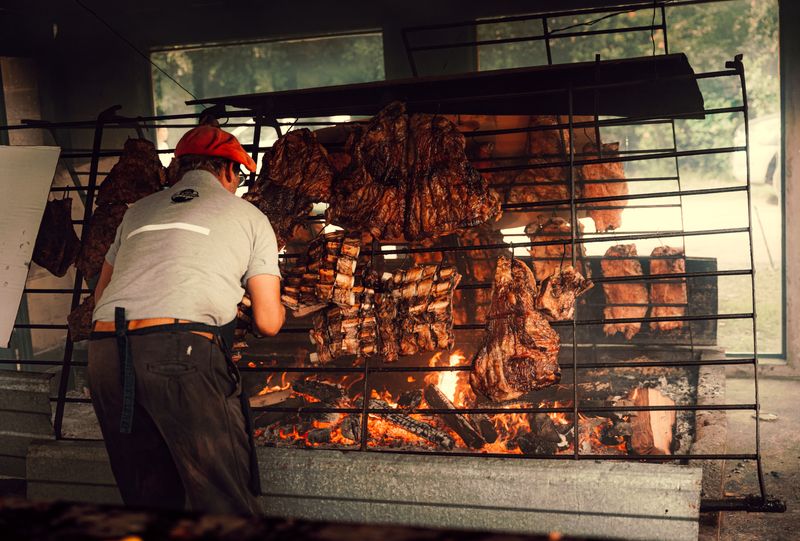
Long before grocery stores made everything convenient, the boucherie was how Cajun communities survived winter.
Neighbors gathered to butcher a hog together, sharing the labor and splitting the meat so nothing went to waste. Every single part of the animal was used, from the cracklins fried up from the skin to the boudin stuffed with rice and organ meat.
Cajun ingenuity at its absolute finest.
Today, boucheries have made a beautiful comeback as cultural celebrations rather than necessities. Events like the Vermilionville Boucherie in Lafayette invite the public to witness and participate in this nose-to-tail tradition.
You can watch boudin being made from scratch, taste fresh cracklins straight from the pot, and learn about the culinary techniques that have been passed down through generations.
There is something genuinely moving about watching a whole community work together around food. The boucherie is not just a cooking event.
It is a living history lesson wrapped in incredible flavors, and it reminds you that the best meals are always the ones made with other people by your side.
6. Celebrating With A Traditional Cochon De Lait Roast
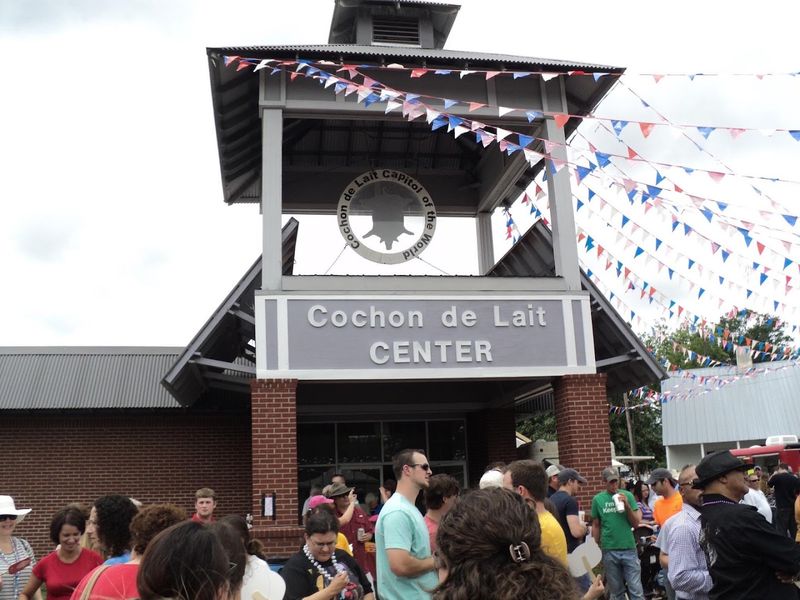
Cochon de Lait literally translates to suckling pig in French, and the moment you catch a whiff of one roasting over an open hardwood fire, you will understand exactly why this tradition has lasted for over a century.
A whole young pig, marinated with Cajun spices, gets slowly pit-roasted until the skin turns crackling golden and the meat becomes impossibly tender. The aroma alone is enough to stop traffic.
The town of Mansura, Louisiana hosts one of the most famous Cochon de Lait Festivals in the state each May.
Thousands of people show up just to taste the slow-roasted pork served thin-sliced with rich brown gravy over rice. It is the kind of dish that makes you close your eyes and just appreciate the moment.
What sets this tradition apart is the patience it requires.
A proper Cochon de Lait takes hours of careful tending over the fire. That slow, deliberate process is a statement about Louisiana food culture: good things are worth waiting for, and great things are worth gathering your whole community to celebrate properly.
7. Stopping For Boudin And Cracklins Across Acadiana
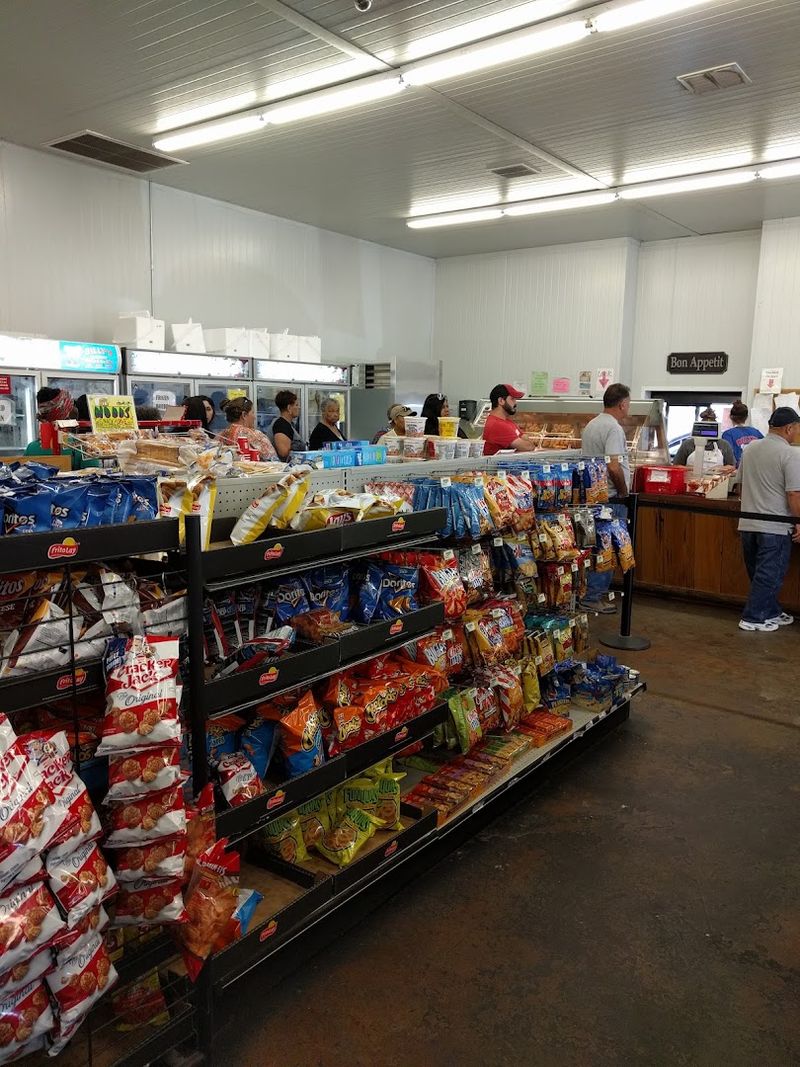
There is an unwritten rule in Louisiana: if you are driving through Acadiana and you do not stop for boudin and cracklins, did you even really go? These two roadside staples are practically a religion in the region, and the debate over which gas station or meat market makes the best version is a conversation that could fill an entire afternoon.
Boudin is a pork and rice sausage seasoned with Cajun spices and stuffed into a natural casing. You squeeze the filling straight out with your teeth, and yes, it is as satisfying as it sounds.
Cracklins are thick, seasoned pieces of fried pork skin with a layer of fat still attached, giving them a richness that regular pork rinds simply cannot match. Scott, Louisiana even calls itself the Boudin Capital of the World.
Places like Billy’s Boudin and Cracklins in Krotz Springs or Johnson’s Boucaniere in Lafayette have earned legendary status among food lovers.
Pull off the highway, order a link and a bag of cracklins, and eat them in the parking lot like a true Louisiana local. No apologies, no regrets.
8. Ordering A Daily Louisiana Plate Lunch
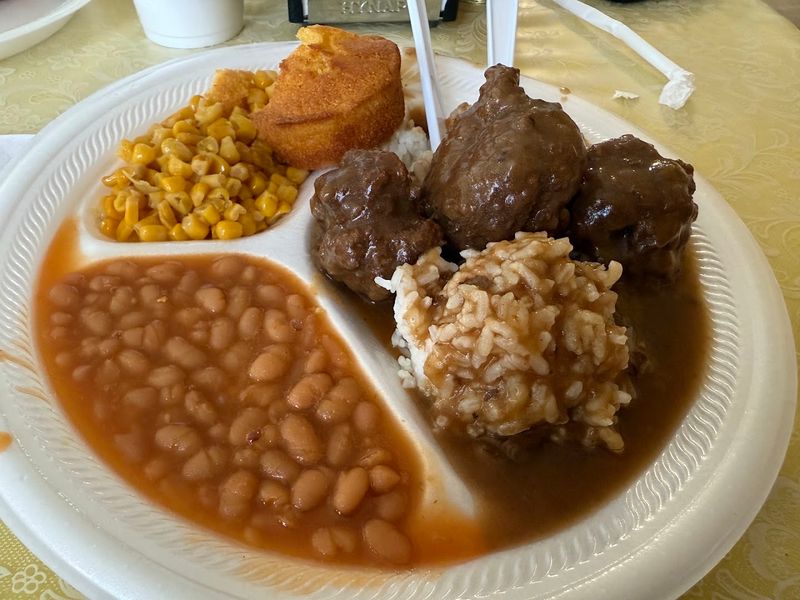
The Louisiana plate lunch is the working person’s love letter to Creole and Cajun cooking. Walk into any local cafeteria-style joint around noon and you will be greeted by a steam table loaded with smothered meats, etouffee, stewed okra, dirty rice, macaroni, and enough gravy to make a grown adult weep with happiness.
The menu changes daily, which means regulars plan their week around whatever is cooking.
This tradition traces back to the late 19th century when rural meat markets began feeding workers midday meals from the day’s butchered cuts.
Over time, it evolved into a beloved institution found in church halls, small diners, and family-run cafeterias across the state. Portions are generous, prices are honest, and pretension is absolutely nowhere to be found.
Dooky Chase’s in New Orleans and Lasyone’s Meat Pie Restaurant in Natchitoches both carry the spirit of this tradition forward in their own unique ways.
The plate lunch is not fancy, but it is deeply, unshakably satisfying. It is Louisiana on a tray, and every single bite earns its place.
9. Eating Natchitoches Meat Pies During Festival Season
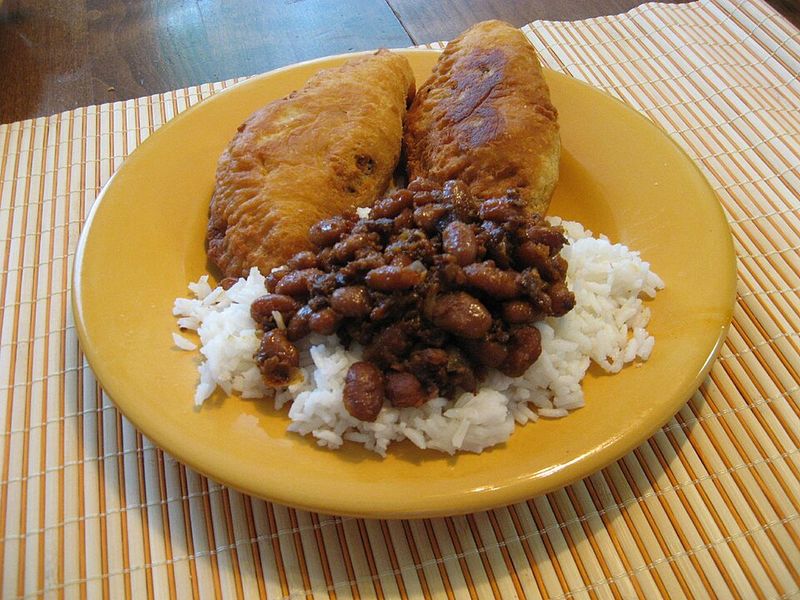
Natchitoches is the oldest city in the Louisiana Purchase territory, and it has been making its famous meat pies for well over two centuries.
These golden, crescent-shaped pastries are filled with a boldly seasoned mixture of beef and pork, then deep-fried to a perfect crisp. They look a little like empanadas, but the Cajun spice profile gives them a personality that is entirely their own.
Every September, the Natchitoches Meat Pie Festival draws thousands of visitors to the historic brick-paved downtown along the Cane River.
The festival celebrates this regional specialty with cooking competitions, live music, and enough meat pies to satisfy an entire army of hungry travelers. Local restaurants like Lasyone’s Meat Pie Restaurant have been serving them since 1959, and the recipe has barely changed.
The magic of the Natchitoches meat pie is its simplicity. Seasoned meat wrapped in buttery pastry dough and fried golden.
No elaborate sauces, no fancy garnishes. Just honest, punchy flavor that has stood the test of time and earned its place as one of Louisiana’s most beloved regional specialties.
10. Celebrating Zwolle’s Tamale-Making Heritage
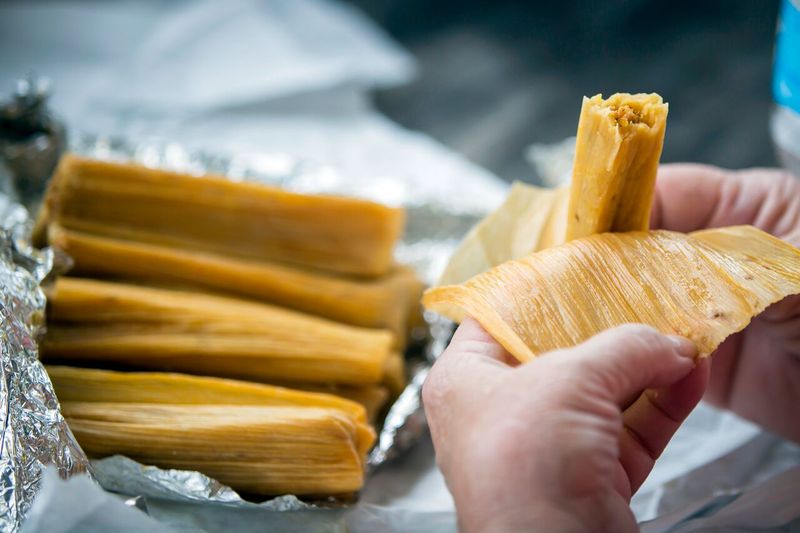
Zwolle, Louisiana might not be the first place you think of when tamales come up in conversation, but this small town in Sabine Parish has one of the most fascinating and layered food stories in the entire state. The tamale tradition here traces directly back to the Choctaw-Apache Tribe, blended with Spanish colonial influence, creating a style of tamale that is distinctly Louisiana and unlike anything you would find elsewhere.
Every October, the Zwolle Tamale Fiesta celebrates this heritage with tamale-making contests, cultural performances, and food vendors serving up the local style.
Zwolle tamales feature seasoned cornmeal masa packed around slow-simmered, spiced pork, then wrapped in corn husks and steamed until perfectly tender. The result is earthy, rich, and deeply satisfying.
What makes this tradition extraordinary is how it survived and thrived through generations of a small, tight-knit community.
The fiesta is not just a food festival. It is an act of cultural preservation, a way of saying that this story matters and these flavors deserve to be celebrated loudly and deliciously every single year.
11. Visiting St. Joseph’s Day Food Altars
On March 19th each year, New Orleans neighborhoods transform into something genuinely breathtaking. St. Joseph’s Day altars appear in churches, homes, and community centers, piled high with elaborate food offerings as a gesture of gratitude to Saint Joseph.
The tradition was brought to Louisiana by Sicilian immigrants in the 19th century and has since woven itself into the fabric of New Orleans culture in a uniquely Creole way.
The altars are extraordinary displays of edible artistry. Breads shaped like religious symbols, fig cookies, pasta dishes, fresh vegetables, and towering cakes are arranged with incredible care and devotion.
Many altars are built to fulfill a promise made during a time of hardship, making each one deeply personal and spiritually meaningful.
After the blessing, the food is typically shared with anyone who comes to visit.
Churches like St. Joseph Church in New Orleans open their altars to the public, and the experience is one of the most moving and visually stunning food traditions you will encounter anywhere in the South. It is gratitude made edible.
12. Booking A December Reveillon Dinner
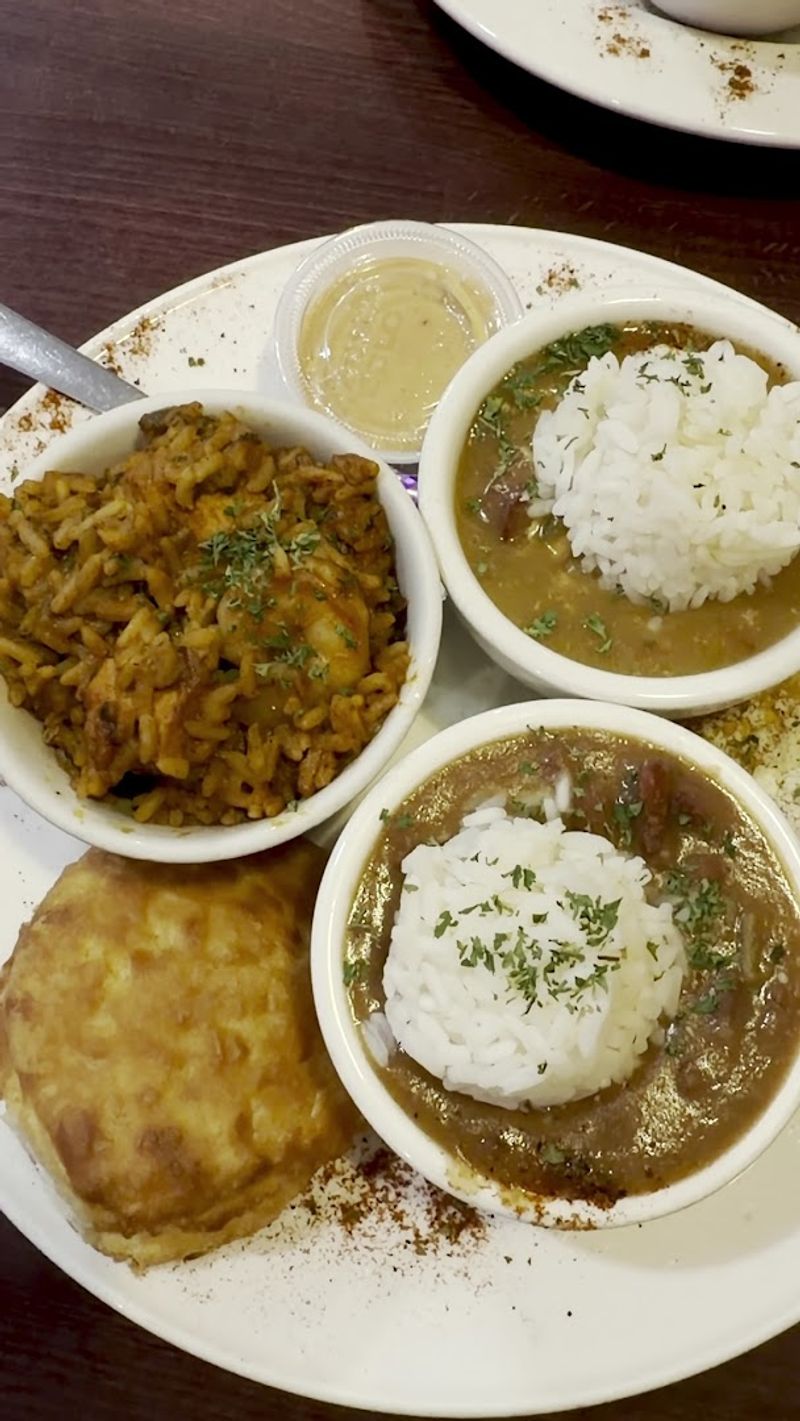
Reveillon means awakening in French, and if there is one meal that lives up to that name, this is absolutely it.
Originally a multi-course feast served after midnight mass on Christmas Eve and New Year’s Eve, the Reveillon dinner has evolved into one of New Orleans’ most celebrated December dining traditions. Restaurants across the city now offer special Reveillon menus throughout the entire month.
The New Orleans Convention and Visitors Bureau organizes an official Reveillon dining program each year, with dozens of participating restaurants crafting exclusive holiday menus that showcase the best of Creole cuisine.
Expect dishes like oyster soup, turtle soup, roasted duck with mirliton dressing, and bread pudding soaked in praline sauce. Every course feels like a small celebration on its own.
Booking a Reveillon dinner is the ultimate way to experience New Orleans in its most festive and elegant form.
The city dresses up beautifully in December, and sitting down to a candlelit multi-course meal in a historic dining room is the kind of experience that stays with you. Some memories are best measured in courses.
13. Cooling Down With A Summer Snoball
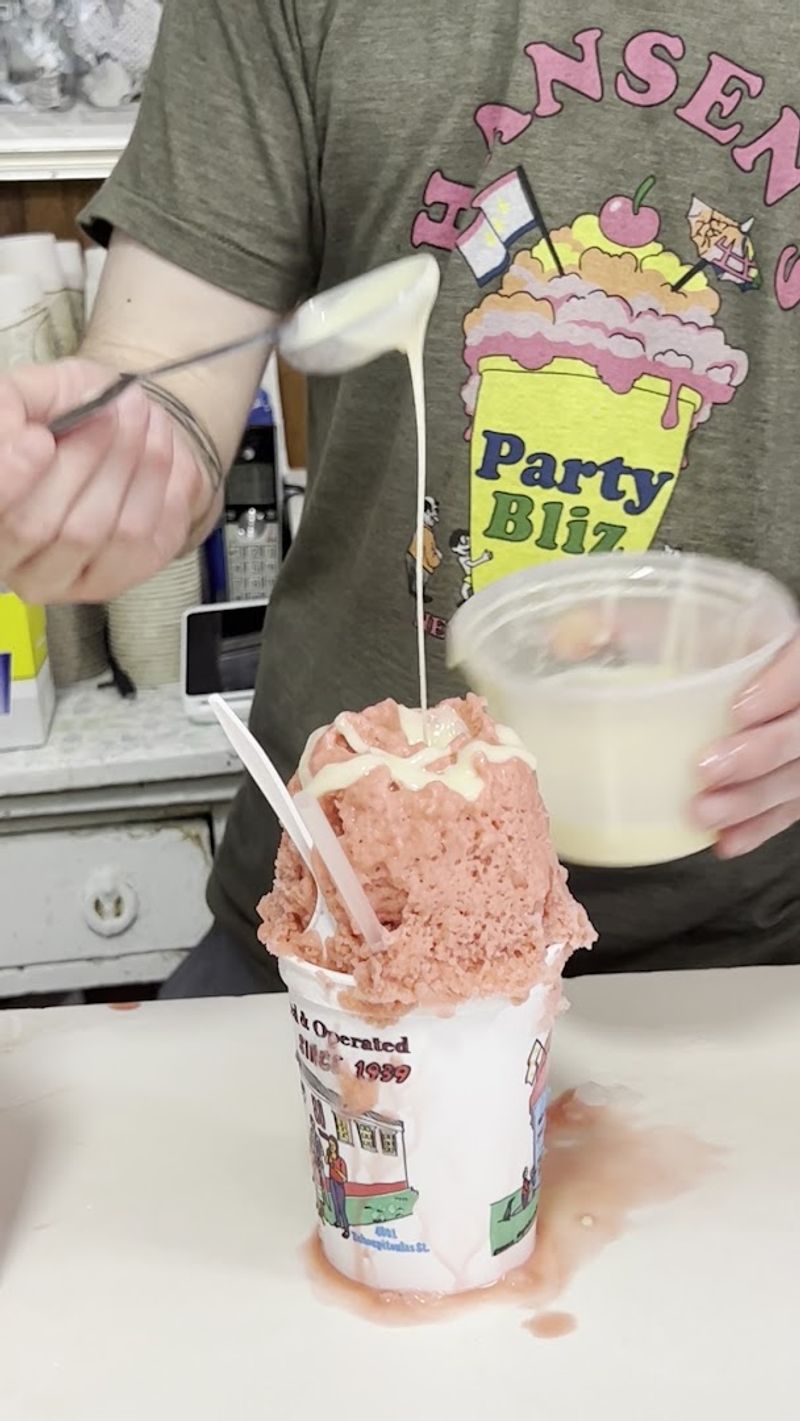
When a Louisiana summer hits, and it hits hard, the only reasonable response is a snoball. Not a snow cone, because that comparison will earn you some serious side-eye from any local.
A true Louisiana snoball is made from ice so finely shaved it resembles fresh powder snow, and it absorbs syrup in a way that chunky snow cone ice simply cannot.
The texture is the whole point.
Snoball stands pop up across New Orleans and the surrounding parishes every spring and stay busy straight through the sweltering heat of September.
Flavor options are wild and wonderful, ranging from classic strawberry and spearmint to cream of wedding cake, tigers blood, and condensed milk drizzled over the top. Hansen’s Sno-Bliz in New Orleans has been operating since 1939 and is a James Beard America’s Classic award winner.
There is something perfectly uncomplicated about a snoball. No reservations needed, no dress code required.
Just finely shaved ice, a syrup flavor chosen with great personal conviction, and a moment of pure, sugary relief from the Louisiana heat. Summer here has never tasted so good.
14. Pairing Hot Beignets With Chicory Cafe Au Lait
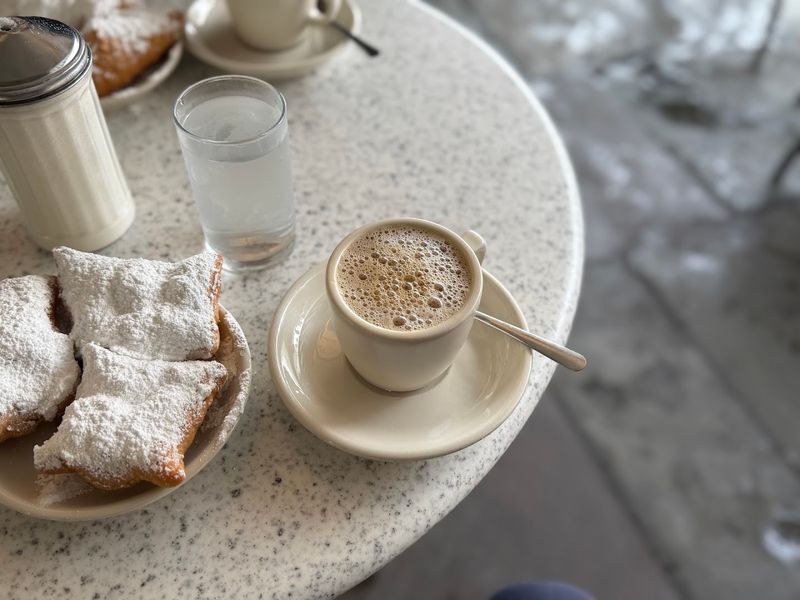
Few food pairings in the world carry as much cultural weight as a hot beignet and a cup of chicory cafe au lait at Cafe Du Monde in New Orleans. Beignets are pillowy squares of fried dough buried under an avalanche of powdered sugar.
T
hey are crispy on the outside, airy on the inside, and absolutely guaranteed to dust your entire outfit white before you even finish the first one. It is a rite of passage.
The chicory cafe au lait alongside it is equally iconic.
Chicory root, roasted and blended with coffee, gives the drink a slightly bitter, earthy depth that cuts through the sweetness of the beignet beautifully. Served with steamed milk in a classic ceramic cup, it is smooth, warming, and completely addictive.
The combination has been a New Orleans morning ritual for well over a century.
Cafe Du Monde operates 24 hours a day on the edge of Jackson Square, making this pairing available at literally any hour you feel the craving strike.
Midnight beignets after a French Quarter stroll? Absolutely.
There is no wrong time to sit down, sip slowly, and let New Orleans do its thing.