
2026 Guide To Hunting Morel Mushrooms Across Michigan This Spring
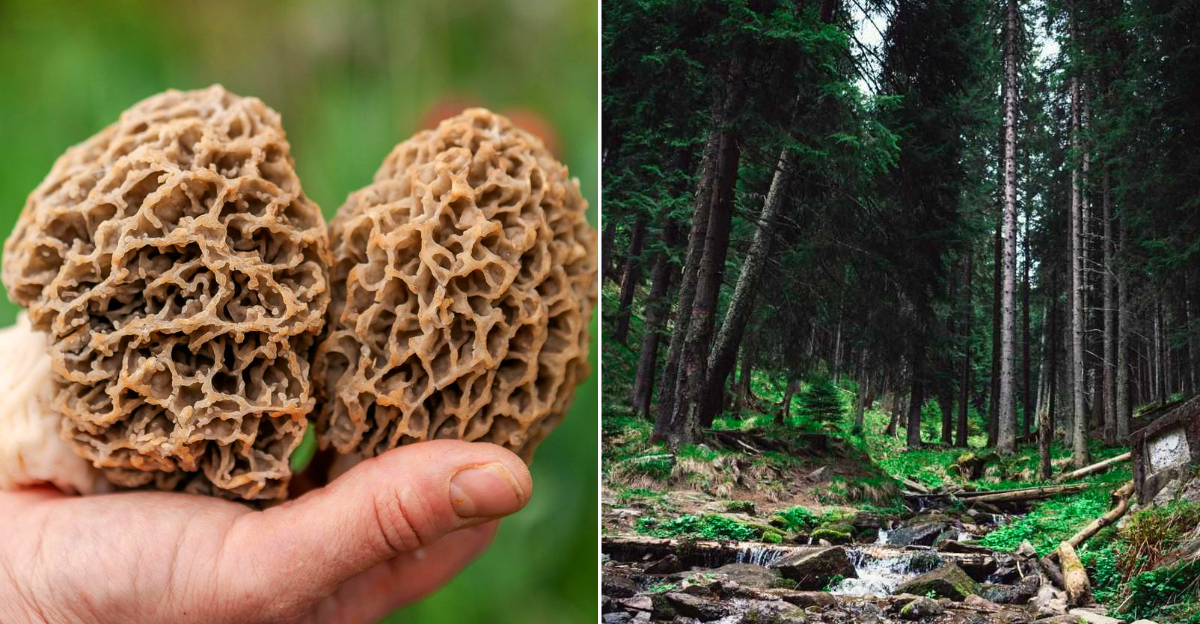
My Grandpa used to say that if you could smell the dirt waking up, you were already halfway to a full basket. He’d lead me into the hardwoods with nothing but an old wooden stick and a mesh bag, teaching me that the woods don’t give up their secrets to people in a hurry.
Finding your first morel of 2026 isn’t just about luck, but about reading the land the way he taught me. In the southern counties, I start my search around dying elms and old apple orchards, looking for that tell-tale “honeycomb” texture peeking through the gray leaf litter.
As the season marches north toward the cedar edges of the U.P., the strategy shifts toward burned-over ground. Michigan morel mushroom hunting in 2026 offers the ultimate spring adventure for foragers chasing the legendary earthy flavors of the Great Lakes timber.
Catch The Warm-Wet Window
Early warmth after rain is the drumbeat morels follow across Michigan. Daytime temperatures around sixty degrees with nights above forty tease the soil into the sweet spot, often between 47 and 55 degrees.
Watch a two to three day stretch after steady showers, because caps tend to appear as the forest exhales humidity. Start on south facing slopes in April, then drift toward shadier aspects as May matures. Carry a simple soil thermometer to confirm guesses before committing miles.
If storms pass, return within forty eight hours and scan slowly, letting your eyes soften until the honeycomb texture resolves from leaf litter. Bring a mesh bag to keep finds dry while spreading spores along your path. Patience makes patterns visible.
Learn The Trees’ Clues
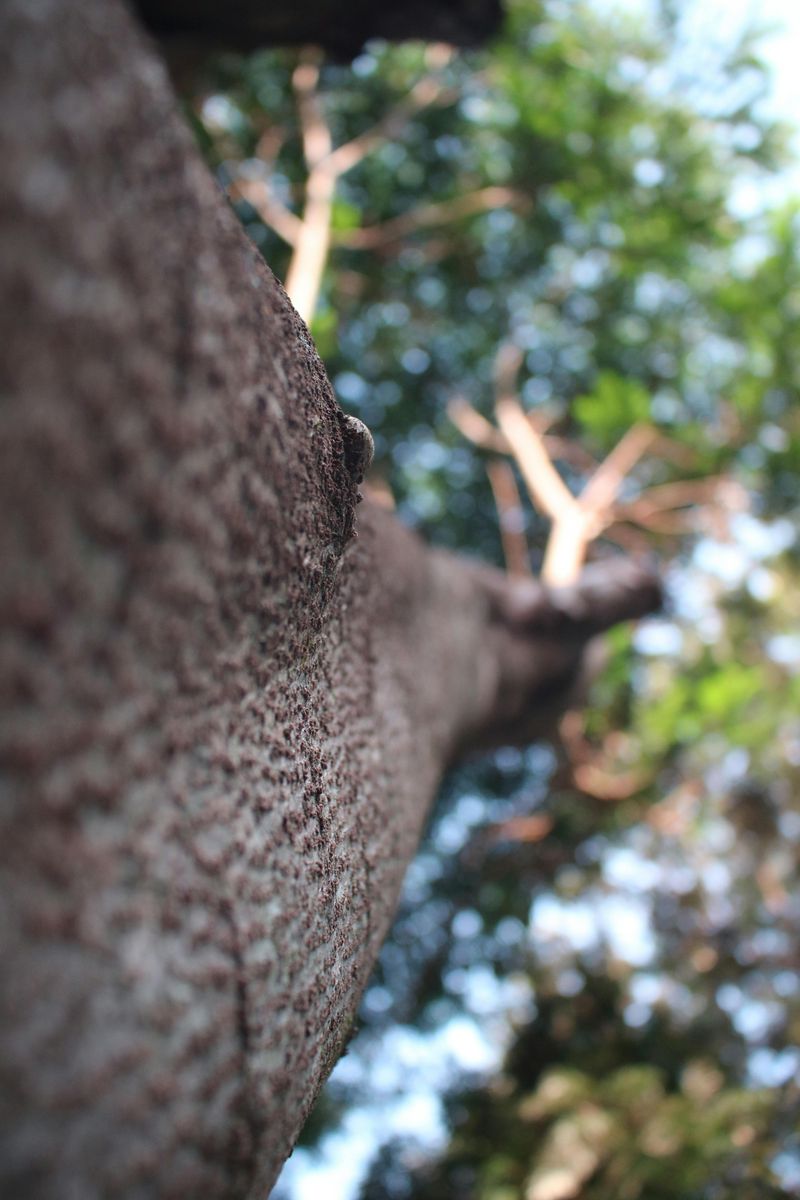
Elms in decline, old apple orchards, ashes, and poplars create reliable company for morels in Michigan. Look for bark sloughing on elms and sparse crowns that hint at recent stress. Around historic farmsteads, gnarled apple rows often hold fruiting surprises beneath mossy windfalls.
Early season, explore sunny edges near these hosts, then track cooler north facing pockets as the canopy thickens. Map promising trees in winter, when silhouettes and bark are easy to read.
Bring pruning shears to snip intrusive brambles, never live branches, and move slowly in crescents around trunks, eyes tuned for the honeycomb cap and attached stem that signal the real thing. Avoid treated orchards and request permission, since private land rules are enforced across Michigan counties.
Master True-From-False ID
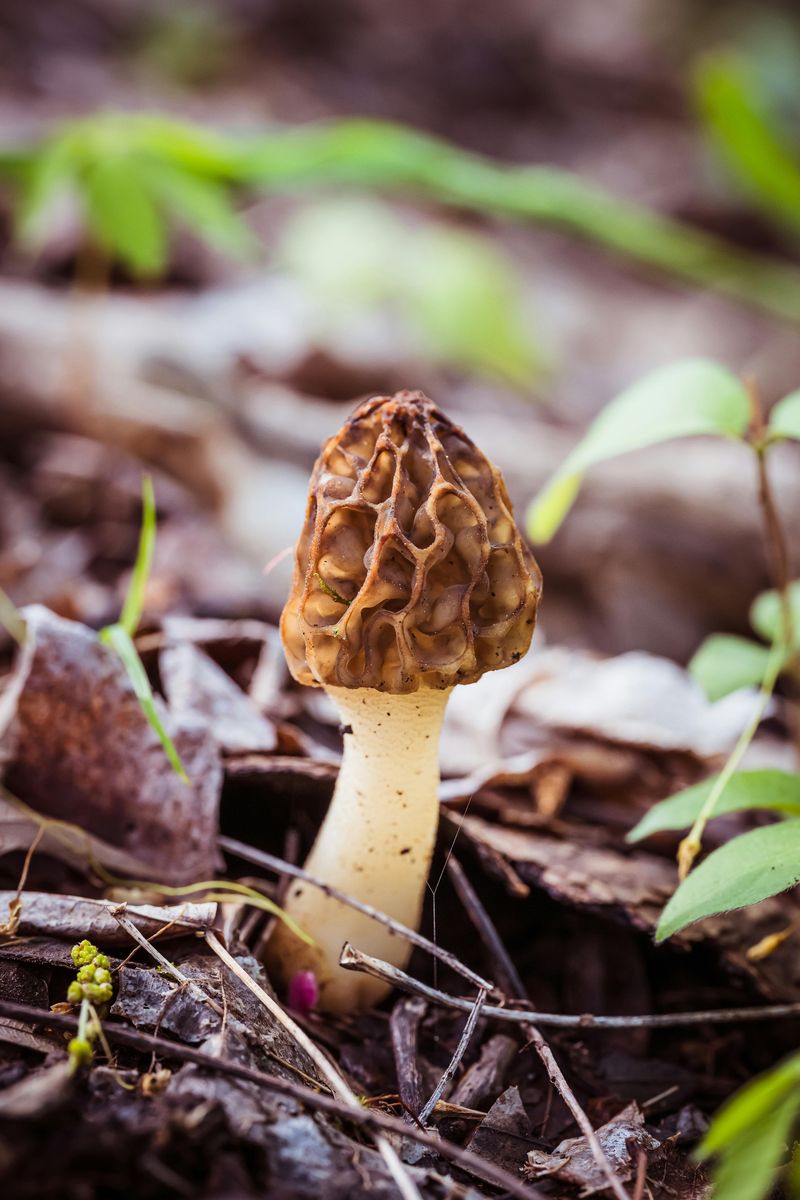
The safest morel in Michigan is the one you identify twice. True morels have a honeycomb cap with pits and ridges, fully attached to the stem, and a continuous hollow interior from tip to base. False morels often show lobed, irregular caps, cottony interiors, or caps that hang free like a skirt.
A careful eye matters more than confidence, especially when spring excitement makes every wrinkled mushroom look promising from a distance. Carry a reliable field guide or consult Michigan DNR resources before any pan sizzle.
Slice lengthwise on site to confirm the hollow chamber, and skip anything that seems off. When unsure, leave it in the woods, photograph the find, and crowdsource identification later through trusted clubs instead of your dinner plate.
Cooking is essential, since raw morels can cause illness even when correctly identified. Always test small servings first cooked. That extra caution may feel slow in the moment, but it is far better than learning the hard way.
Cut Clean, Carry Mesh
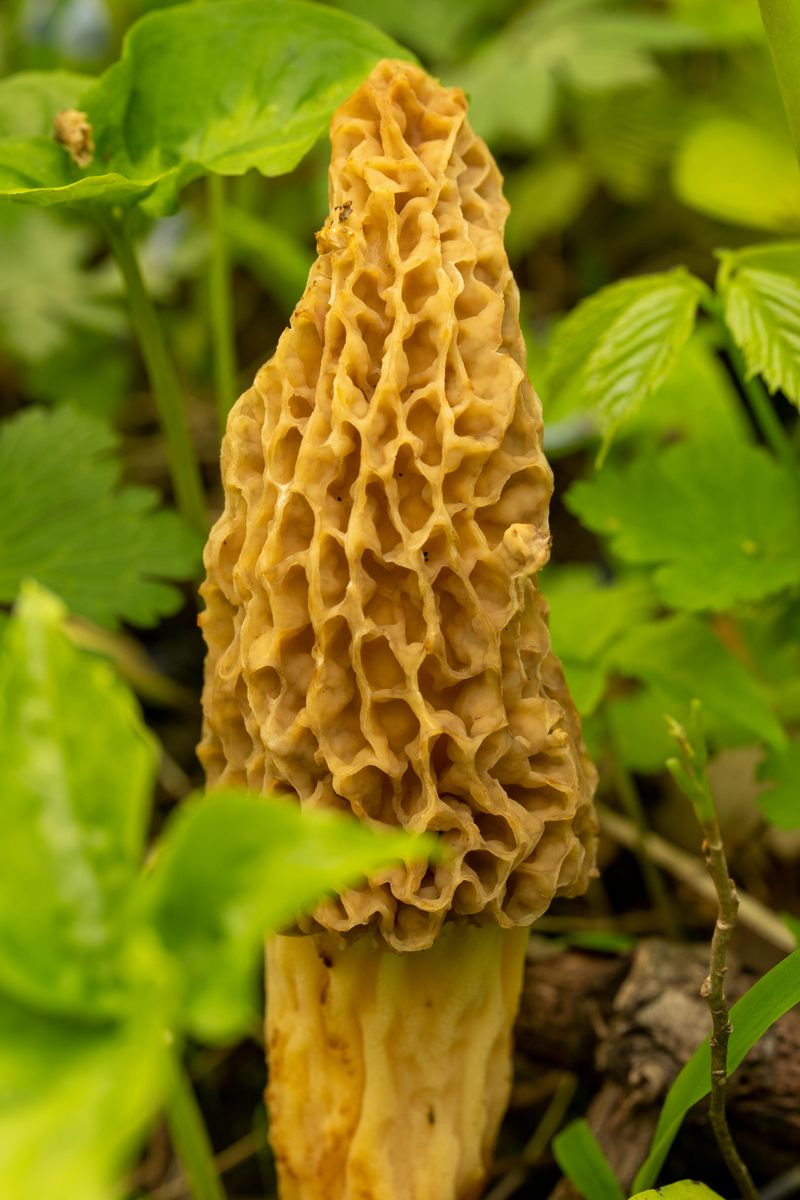
Leave the underground network intact by cutting or pinching stems at ground level. A quick, clean cut keeps grit away from the hollow interior and speeds up dinner prep later. Mesh bags help the harvest breathe while potentially letting spores drift as you walk.
I clip mushrooms over leaf duff, tap them gently to shake debris, and stage them cap up in the bag. Separate mud heavy finds in a second sack to protect delicate ones. Back home, swish briefly in cool water, blot dry, and cook soon, because morels fade quickly in the fridge.
Rinse only if gritty, otherwise brush, since excess soaking can leach flavor and darken color in the pan. Work in small batches for even browning.
Track Weather Like A Cook
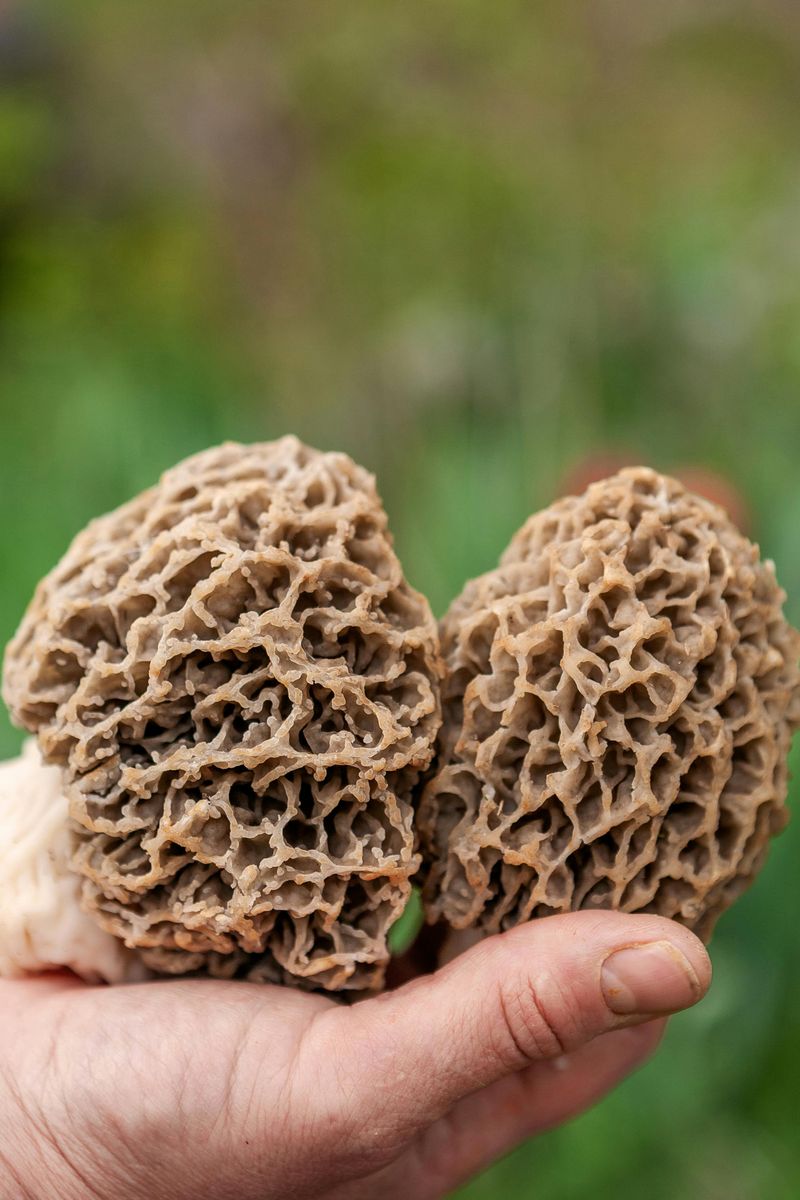
Kitchen instincts transfer outdoors. Think temperature, moisture, and timing, because morels respond to precise conditions rather than luck. Day highs near sixty with mild nights, plus recent rain and warming soils, set the table across much of Michigan in May.
It is less about random wandering and more about reading the landscape the way a cook reads a pan. Watch radar for slow moving systems, then plan a loop forty eight hours after steady precipitation. Soil thermometers or local gardening reports can confirm the 47 to 55 degree zone.
If an unexpected cold snap visits, pause, then resume scouting when nights climb back above forty degrees and the leaf litter loosens.
Wind can dry shallow soils quickly, so prioritize sheltered gullies and the lee sides of ridges after breezy fronts. Morning light reveals texture best on tan leaf backgrounds. Small shifts in weather can change a patch overnight, so staying observant often matters more than covering extra ground.
Scout Burn Scars Carefully
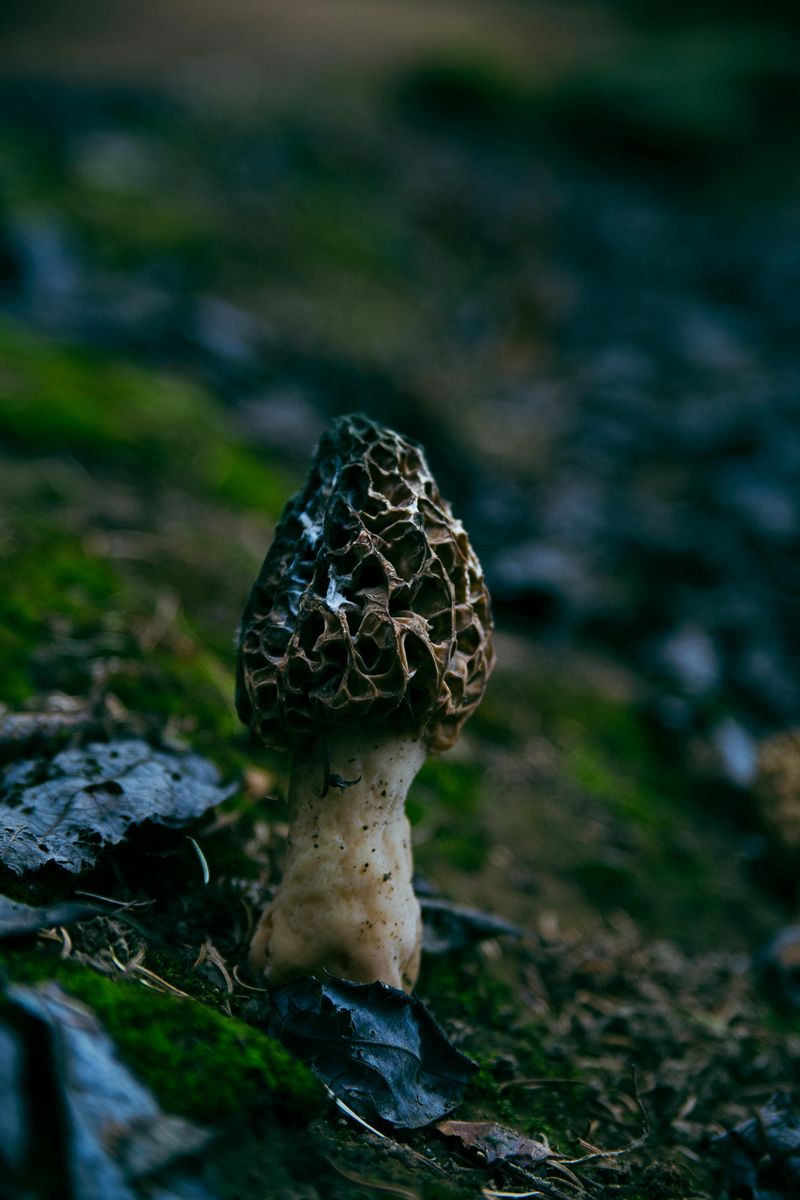
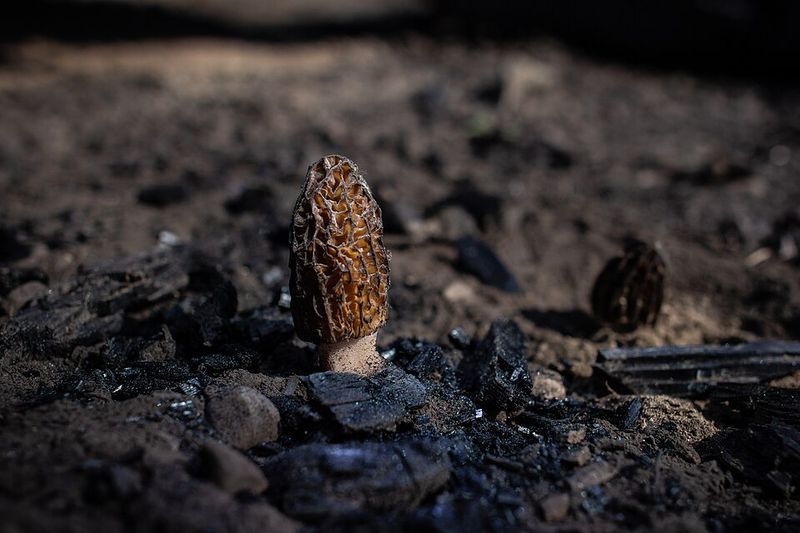
Year after a wildfire or managed burn, morels can flush dramatically, especially around conifers and aspen. Blackened ground warms fast, ash adds minerals, and competition thins, creating a brief window of abundance. Scan where char is patchy and needles remain as a rust colored thatch.
Study current closure maps and respect rehabilitation zones before stepping in. Wear light gloves and kneepads, since charcoal stains and snags are constant.
Focus on the burn perimeter first, then move inward methodically, cutting cleanly and checking each morel for the attached cap and hollow interior that confirm a true find. Pack extra water and a mesh bag, and flag your route to avoid circling through fragile sprouts. Exit softly to protect recovering soil structure.
Join The Festival Circuit
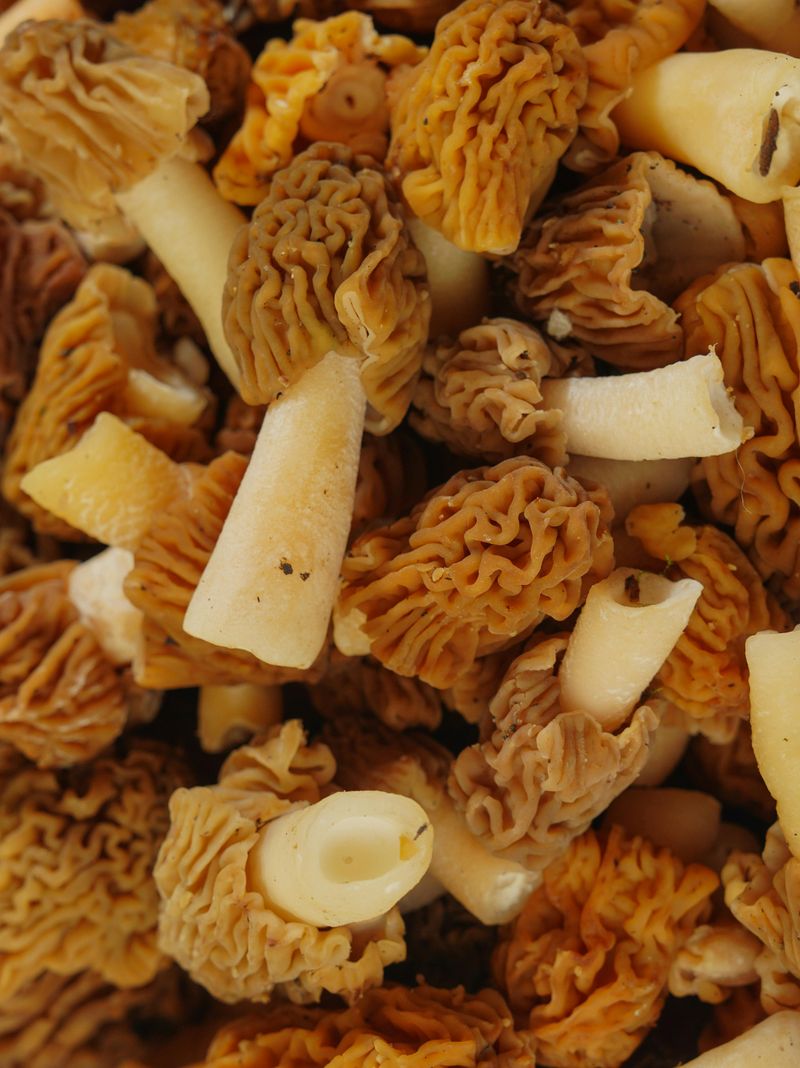
Community accelerates learning, and Michigan’s spring festivals make classrooms out of woods and fairgrounds. Mesick calls itself the Mushroom Capital of the United States, with guided hunts and skill contests that welcome beginners.
Boyne City’s National Morel Mushroom Festival layers seminars, tastings, and friendly competition along the lakeshore. I like to attend a walk, then practice solo the next morning while the instruction is fresh. Ask vendors about tree associations, carry local maps, and sign up early because slots fill quickly.
Treat festival grounds as introductions, not secret spot dispensers, and thank organizers who keep education and conservation stitched together. Volunteer for cleanup, learn regulations from DNR booths, and bring cash for field guides and mesh bags, plus knife sheaths.
Cook With Respect

Morels shine when cooked, not raw. Rinse briefly if gritty, slice lengthwise, and saute in butter or oil until edges brown and scent deepens to roasted hazelnut. Salt late to keep moisture from flooding the pan. A roomy skillet helps, because crowding traps steam and softens the texture before any real browning can begin.
Pair with eggs, spring asparagus, or toasted grains that let their woodland character stay center stage. For food safety, cook thoroughly, then try a small portion first, since some people are sensitive even to true morels.
Store chilled in breathable containers, and eat within a couple days to preserve texture and perfume. Avoid aluminum foil wraps, which trap steam and turn caps soggy. High heat in short bursts builds crisp edges without toughness. Finish with chives or lemon zest to brighten earthy depth gently.
A splash of cream also works well, but use restraint so the mushrooms still taste like themselves.
Respect Land And Law
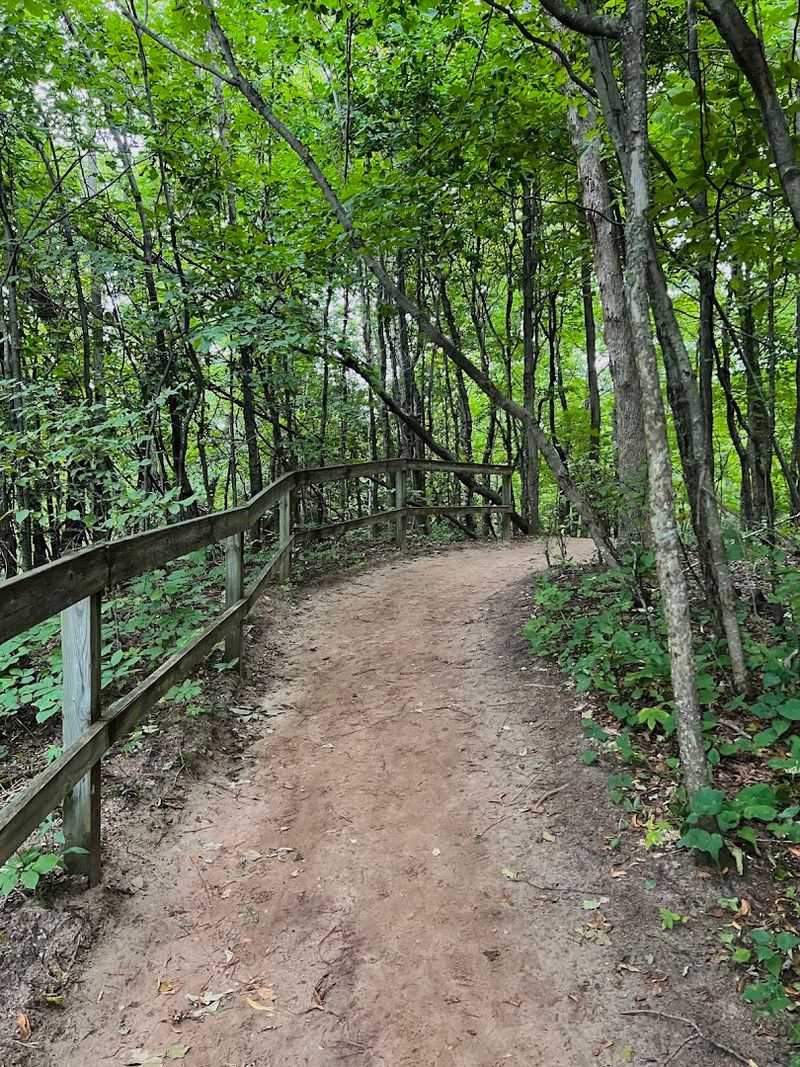
Ethical foraging ensures tomorrow’s flush. Know property boundaries, ask permission on private land, and review each park’s rules before lacing boots. Some state lands allow personal collection, while research areas and posted sites restrict harvest entirely.
Carry out every scrap, step lightly around wildflowers, and avoid raking leaf litter that shelters insects and seedlings. Take only what you will cook soon, leaving small or clustered mushrooms to mature. If a rare plant or nesting bird claims the space, pivot and thank the woods by walking away.
Use bright clothing during turkey season for visibility, and keep dogs leashed where required to protect ground nesters. Check local burn advisories, respect closures, and skip sensitive dunes or restoration plots even when mushrooms tempt.
Build Your Map And Circle Back
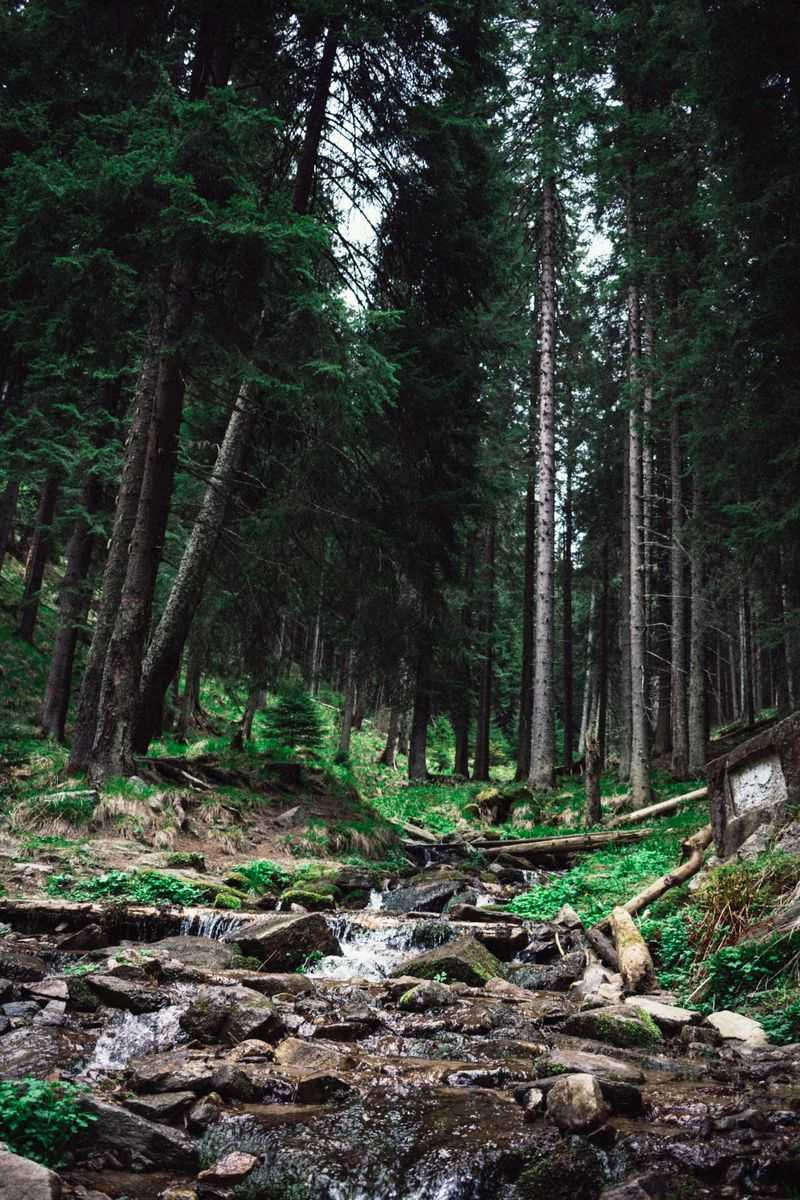
Great days usually start with thoughtful scouting. Mark elms, ash stands, fencerows, and orchards in a notebook or app during winter hikes, then revisit after spring rains. Photographs of bark, slope, and ground cover become a breadcrumb trail when memory blurs.
I return to promising places two or three times as temperatures rise, because emergence can stagger by a week. When you score, record soil temperature, shade, and nearby species, then check similar habitat across the county.
Over seasons, patterns appear, and your circles tighten until a hopeful walk turns consistently fruitful. Share non specific notes with local clubs to strengthen community knowledge without exposing private parcels or delicate sites. Backup maps offline for service dead hills and forest edges.