
9 Florida Counties Seeing Increased Black Bear Activity This Fall
Fall in Florida comes with cooler mornings, football weekends, and black bears behaving as though somebody opened an unlimited buffet in the woods.
As seasonal feeding activity increases, these powerful animals travel farther in search of an easy meal. Forest trails, neighborhood edges, and unsecured trash cans can suddenly become surprisingly interesting destinations.
What should you do when the rustling near the garbage sounds far too large to be a raccoon?
The answer begins with awareness, not panic. Bears usually want food rather than company, and simple precautions can help prevent a curious visitor from turning into a dangerous encounter.
Across these counties, autumn sightings offer a fascinating reminder that wild Florida exists much closer to everyday life than many people realize. Each area has its own natural spaces, local patterns, and reasons residents are paying closer attention.
Keep your distance, secure anything that smells edible, and enjoy wildlife responsibly. The best bear story is the one told safely from far away.
1. Seminole County
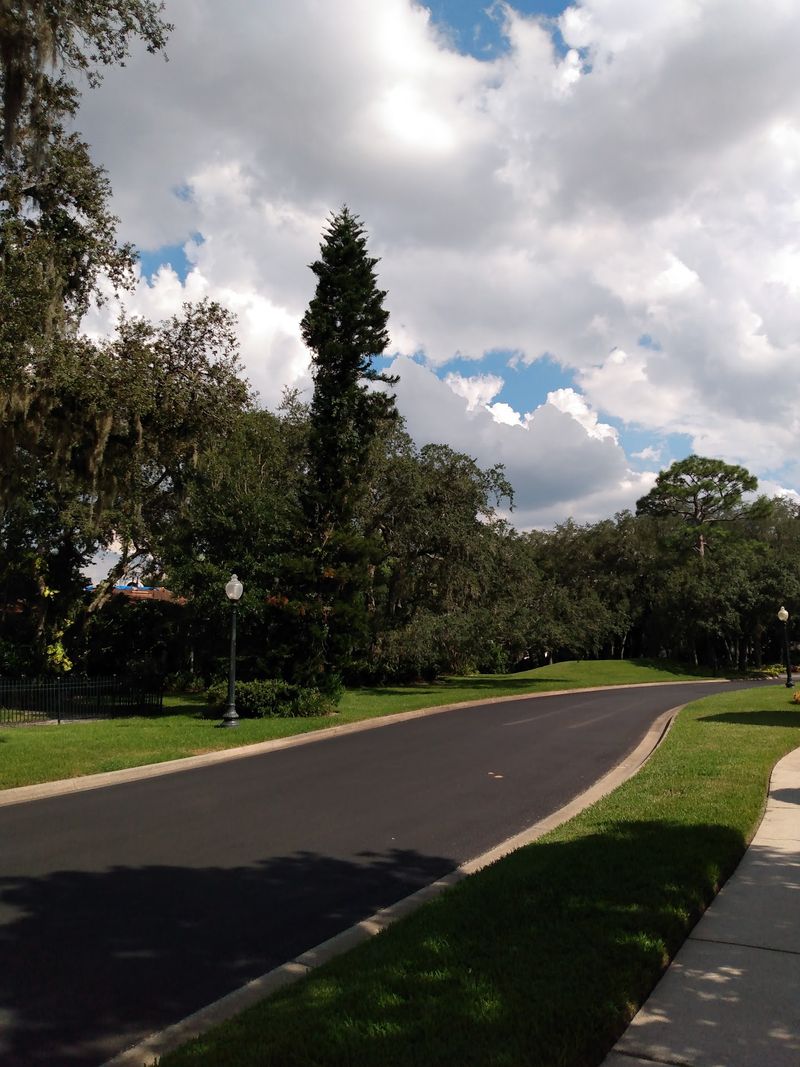
Right in the heart of Central Florida, Seminole County has become something of a bear hotspot, and the locals have the wildlife cameras to prove it. Neighborhoods near the Wekiva River basin see the most action, especially when hungry bears go hunting for an easy snack.
Autumn cranks up the appetite for these furry residents. Bears here can eat up to 20,000 calories a day during fall, which explains why your neighbor’s garbage can keeps mysteriously tipping over.
Acorns from the county’s many oak trees are a favorite bear buffet.
Folks living near Longwood and Lake Mary have learned to bring pet food indoors and lock down their trash. It is not that the bears are troublemakers, they just follow their noses straight to the nearest meal.
Wildlife officers suggest keeping bird feeders empty during peak season. A little planning goes a long way toward peaceful bear-human relations.
If you spot one, admire from a distance and never run. Seminole County proves that wild neighbors and suburban life can share the same zip code, as long as everyone respects the rules of the woods.
2. Volusia County
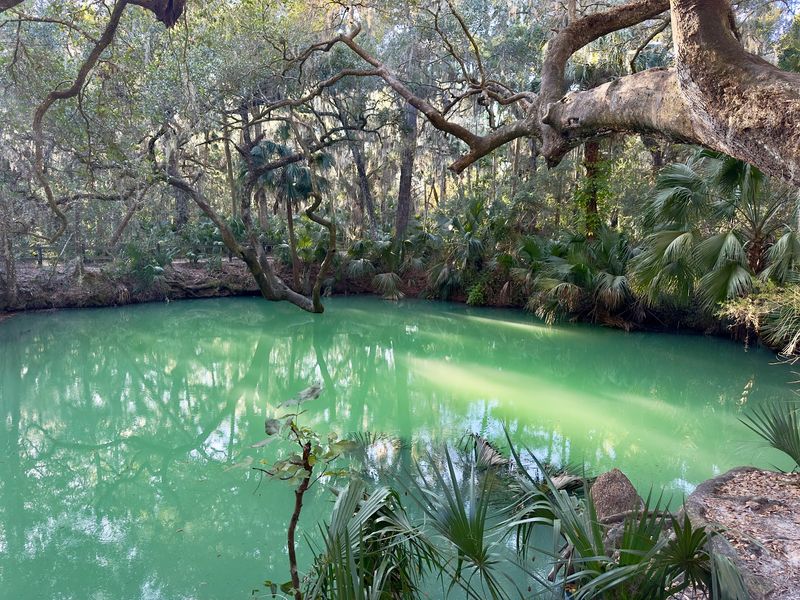
Volusia County wears many hats, beach town, speedway central, and now unofficial bear country. Communities near the Ocala National Forest see plenty of these dark-furred visitors wandering out of the trees each fall.
Bears here are practically part of the scenery in places like Deltona and DeBary. As the weather cools, they roam farther in search of berries, acorns, and whatever tasty leftovers humans forget to secure.
One interesting tidbit: Volusia consistently ranks among Florida’s leaders in bear calls to wildlife agencies. That is not a bad thing, it just means people are paying attention and reporting what they see.
Residents have gotten clever, using bear-resistant trash cans that latch tight. These sturdy containers keep curious paws from turning garbage day into an all-you-can-eat event.
Drivers should stay alert on rural roads at dawn and dusk, when bears are on the move. Slowing down protects both you and the wildlife.
Volusia County shows that living close to nature comes with responsibility and reward. Spotting a bear ambling across a backyard is a story worth telling, provided everyone stays calm and keeps a safe, respectful distance.
3. Collier County
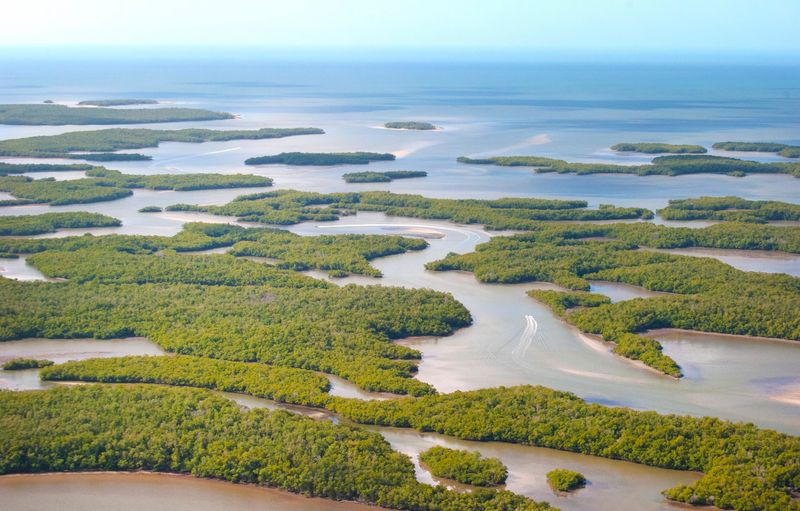
Down in southwest Florida, Collier County blends fancy Naples living with genuinely wild backcountry. Bears here roam the fringes of the Everglades and Big Cypress, occasionally strolling into golf course communities like it is no big deal.
Autumn draws them closer to people as natural food gets harder to find. A bear ambling past a manicured lawn is an odd sight, but residents are learning to take it in stride.
What makes Collier special is its enormous stretch of protected land. That gives bears room to roam while occasionally bringing them nose to nose with suburban conveniences like open trash bins.
Neighborhoods near the preserve boundaries have started using locking dumpsters and motion lights. These small steps discourage bears from settling in for a long, comfy stay.
Bears in this region tend to be shy, preferring quiet swamps over noisy neighborhoods. Still, curiosity gets the best of them when food is easy to reach.
Collier County proves that even in a place famous for luxury, wild Florida is never far away. Keeping your distance and securing snacks means both you and the bears can enjoy this beautiful corner of the state.
4. Bay County
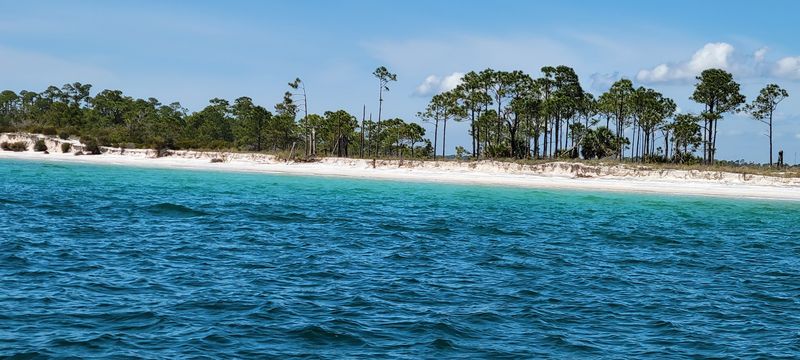
Over in the Panhandle, Bay County offers sugar-white beaches and, surprisingly, a solid population of black bears just inland. As fall arrives, these creatures wander closer to Panama City neighborhoods hunting for their next big meal.
The forests around here are thick with pine and scrub, perfect bear real estate. When acorns and berries run short, bears follow scents toward homes where trash and pet food wait unguarded.
Residents near the county’s wooded edges have grown used to occasional visitors lumbering through at dusk. Most sightings end peacefully, with the bear moving along after realizing there is no easy dinner to grab.
Local wildlife officers encourage folks to secure attractants before bear season peaks. A latched can and a clean grill make a huge difference in keeping bears wild and wary.
Fun fact: Panhandle bears are part of the same species found statewide, but they roam some of Florida’s least crowded forests.
Bay County shows that beach paradise and bear country can share the map. Whether you are chasing waves or watching wildlife, staying alert ensures both people and bears enjoy this scenic stretch of the Gulf Coast safely.
5. Santa Rosa County
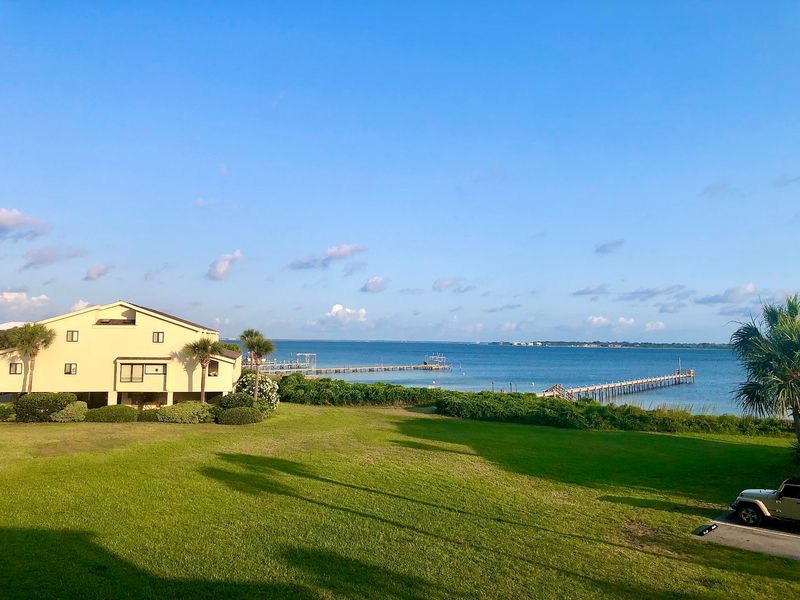
Santa Rosa County, tucked into the western Panhandle, is a place where forests stretch wide and bears feel right at home. Come fall, these big animals get bolder, showing up near Milton and Navarre as they bulk up for cooler months.
The rolling pinelands and river bottoms give bears plenty of cover and food. When natural snacks thin out, they wander toward rural homes where an unlocked shed or trash pile smells too tempting to resist.
People living out here often trade bear stories like fishing tales, each one bigger than the last. The truth is most encounters are brief, with the bear more startled than the human.
Wildlife specialists recommend keeping livestock feed and beehives protected, since bears love a sweet or grainy treat. A little electric fencing works wonders around chicken coops.
Santa Rosa’s low population density means bears have room to roam without much conflict. That balance keeps both sides happy most of the time.
This corner of Florida reminds us that wild country still thrives beyond the tourist trail. Respecting a bear’s space and securing your goodies means Santa Rosa County stays a peaceful home for people and wildlife alike.
6. Walton County
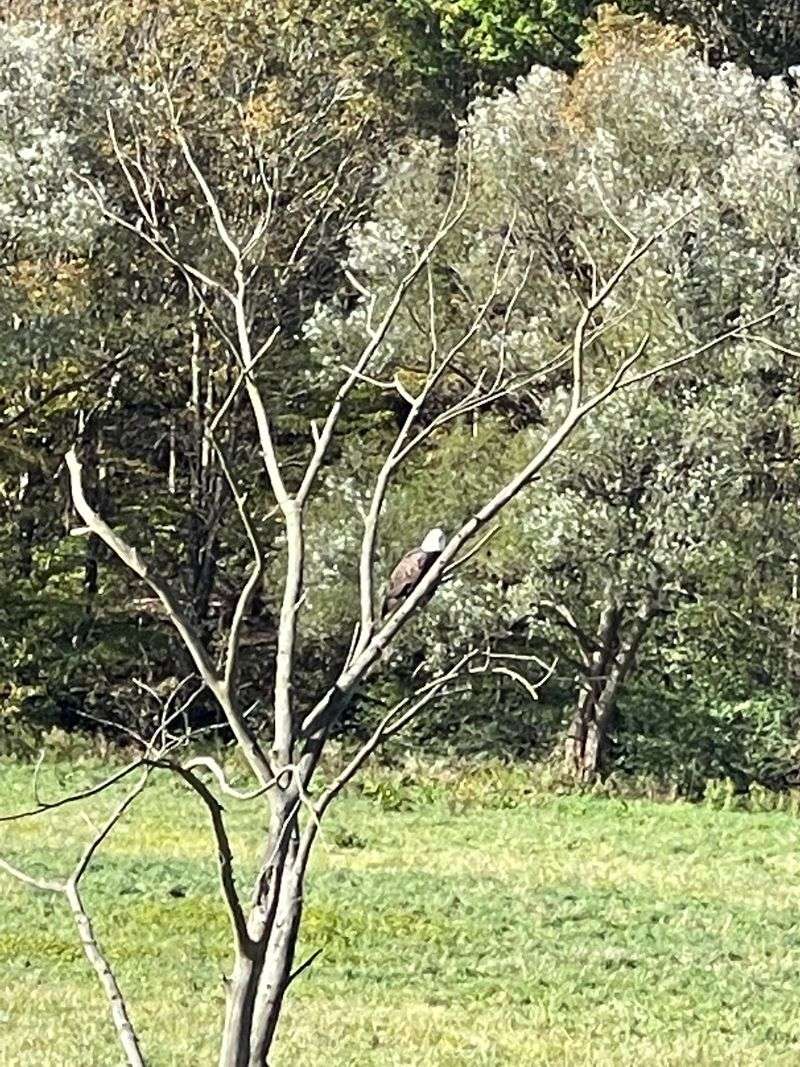
Walton County dazzles visitors with its emerald waters and charming beach towns, but venture inland and you will find bears calling the shots. Autumn brings more sightings as these animals prep for winter with serious snacking sessions.
The county’s northern forests are prime bear territory, full of acorns, palmetto berries, and quiet places to nap. As those foods dwindle, bears drift toward developed areas along the 30A corridor and beyond.
Vacation rentals sometimes surprise guests with a bear casually crossing the driveway. It makes for an unforgettable photo, snapped safely from behind a closed window, of course.
Property managers here now stress securing garbage between pickups. Bears have long memories, and a rewarding trash raid brings them back again and again.
One neat fact: Walton blends beach glamour with genuine wilderness in a way few places manage. That mix is exactly why bears and beachgoers occasionally cross paths.
Keeping food locked up and giving bears plenty of room keeps the peace on both sides. Walton County stands out as a spot where you can sip coffee by the shore in the morning and marvel at wild Florida just up the road.
7. Okaloosa County
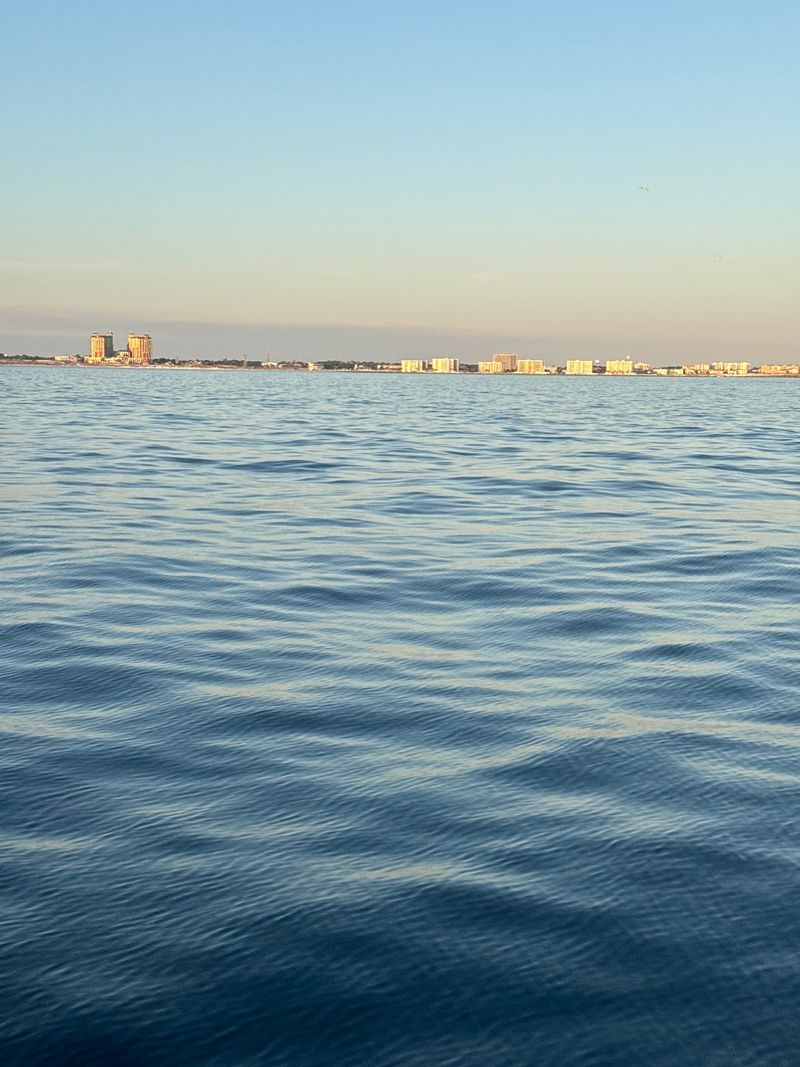
Okaloosa County pairs military bases and busy beaches with surprisingly bear-friendly backwoods. When fall rolls in, these shaggy locals get more adventurous, nosing around neighborhoods near Crestview and Niceville for a bite to eat.
The northern reaches of the county are blanketed in forest, giving bears space to roam and forage. As their favorite wild foods fade with the season, they follow tempting smells toward human territory.
Residents have swapped stories of bears strolling through yards at twilight, pausing to sniff a grill before wandering off. These moments feel wild and thrilling, especially from a safe indoor perch.
Officials remind everyone to stash trash securely and rethink leaving pet food outdoors. Bears are smart, and a single easy meal teaches them to keep coming back.
Here is a fun nugget: Okaloosa’s mix of coast, forest, and military land creates pockets of true wilderness right beside busy communities.
Staying bear-aware means simple habits like locking cans and cleaning up after cookouts. Okaloosa County shows that even in a bustling part of the Panhandle, black bears still find room to thrive, and respectful neighbors help keep those encounters positive.
8. Franklin County
Franklin County, home to the famous oyster town of Apalachicola, sits right beside one of Florida’s wildest forests. Bears thrive here in big numbers, and fall sends them roaming closer to small coastal communities in search of food.
The Apalachicola National Forest looms large over this county, offering bears endless acres to explore. When natural snacks grow scarce, these animals investigate campgrounds, cabins, and the occasional unattended cooler.
Anglers and campers sometimes spot bears along quiet forest roads, a reminder that this land belongs to wildlife too. Most of these bears want nothing more than a peaceful meal and a quick exit.
Locals here take pride in coexisting with their wild neighbors. Securing food at campsites and keeping trash locked up are second nature to longtime residents.
A cool fact: Franklin County boasts some of the least developed land in the state, making it a true bear stronghold.
Visitors exploring the forest should hang food properly and never leave scraps behind. Franklin County offers a rare chance to experience wild Florida up close, where black bears roam free and respectful humans get to witness nature the way it was meant to be.
9. Highlands County
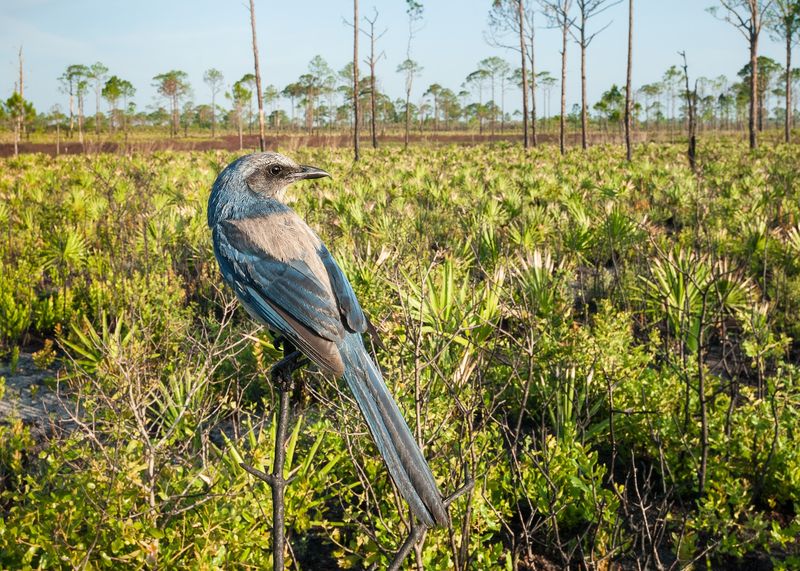
Rounding out our list, Highlands County brings something unique with its ancient sandy ridges and rare scrub habitat. Bears here navigate a landscape unlike anywhere else in Florida, and fall gets them moving toward towns like Sebring and Avon Park.
The famous Lake Wales Ridge cuts through this county, creating dry, scrubby terrain full of oaks and berries. When those foods run low, bears expand their search toward citrus groves and residential edges.
People living near the wild areas occasionally spot a bear ambling across a country road or backyard. These sightings spark excitement and a healthy dose of respect for the local wildlife.
Farmers and ranchers here protect feed and beehives to avoid unwanted bear visits. A determined bear will happily raid a hive for honey if given the chance.
Interesting note: Highlands County’s scrub is one of the oldest ecosystems in Florida, home to many species found nowhere else.
Keeping attractants secured and staying alert during dawn and dusk helps everyone share the space. Highlands County closes our journey by showing that even in Florida’s oldest wild places, black bears still roam, reminding us to treasure and protect these remarkable creatures.