
9 Haunted Cemeteries In Michigan That Locals Swear Are Too Creepy To Visit Alone
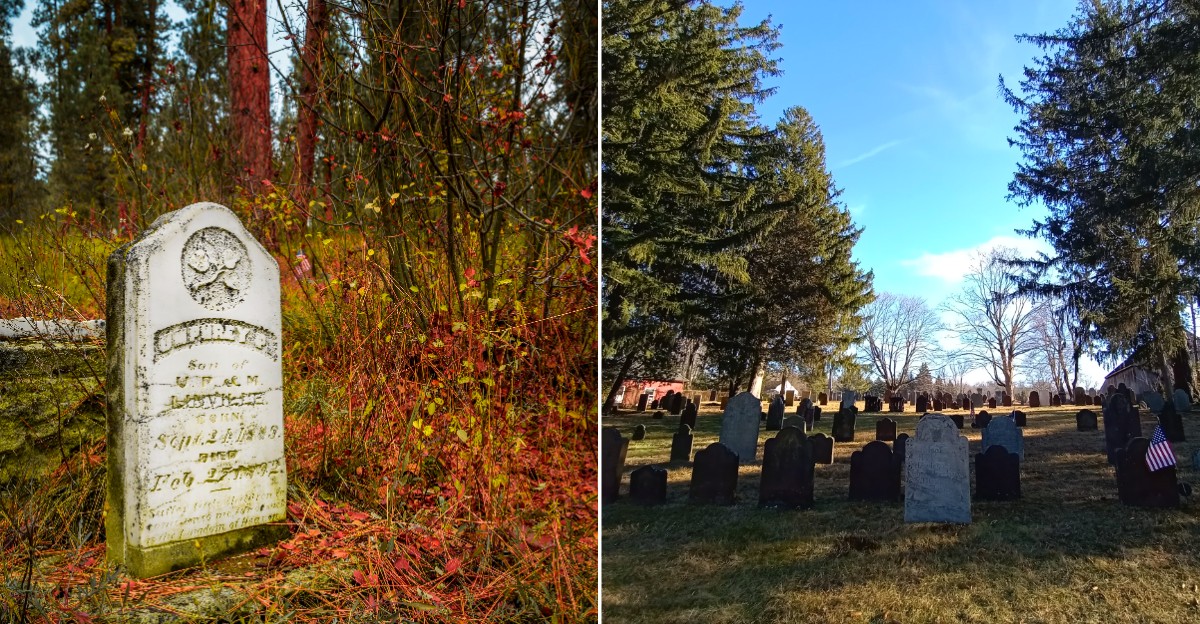
Old cemeteries can turn a quiet fall drive into something much stranger. Weathered stones, overgrown paths, and names half-lost to time give these places an atmosphere before the ghost stories even begin.
Across the state, burial grounds are tied to vanished towns, unsolved crimes, strange lights, wandering figures, and sounds with no obvious source. Folklore may add the chill, but the real histories often hit harder.
For travelers drawn to eerie places, haunted cemeteries in Michigan offer a fascinating mix of local legend, forgotten history, and genuinely atmospheric scenery.
That balance is what keeps me curious. One stop might lead you into a documented tragedy, while another survives mostly through stories passed down for generations.
Check visiting rules, bring a friend, and leave every grave exactly as you found it. The best visits are not about proving ghosts exist; they are about noticing how memory, mystery, and place can overlap.
9. Pere Cheney Cemetery And The Vanished Lumber Town
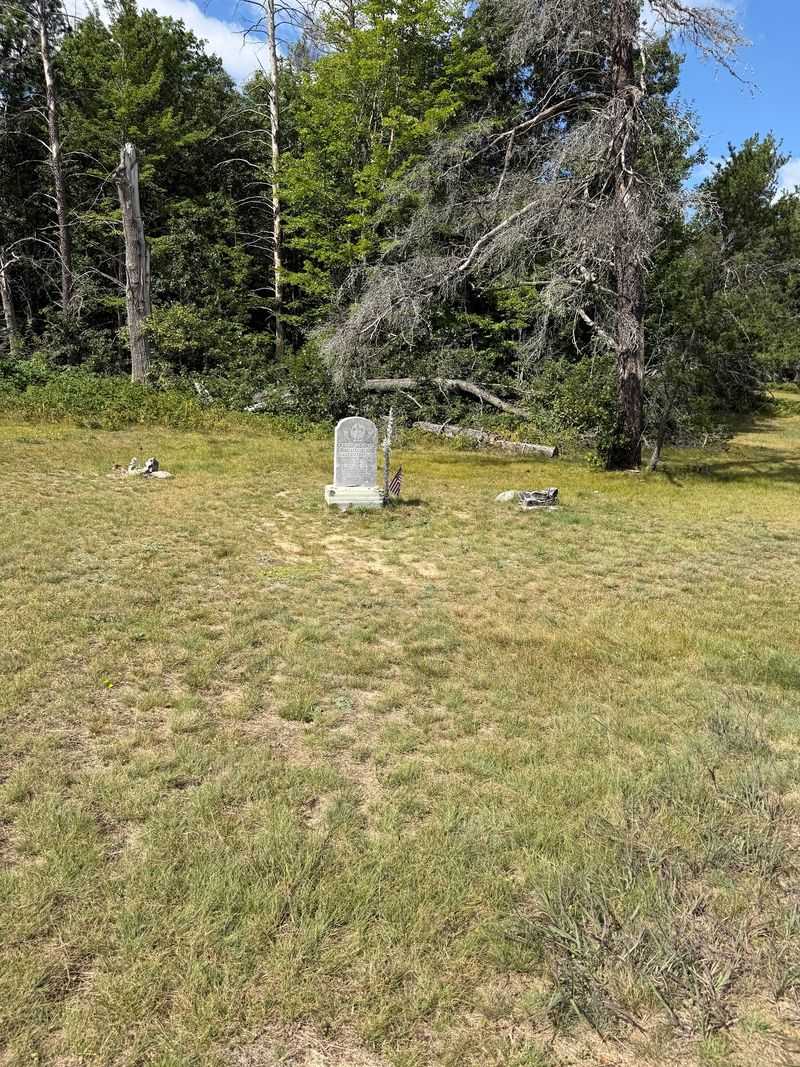
Deep woods surrounding a handful of aging graves make it remarkably easy to understand how this place accumulated ghost stories. Pere Cheney Cemetery survives southeast of Grayling as one of the last visible remnants of a lumber settlement founded in 1874 and eventually abandoned after disease, fires, economic decline, and the disappearance of the timber industry that had sustained it.
One popular legend claims a woman accused of witchcraft cursed the community after residents drove her away. Historical evidence for that story is lacking, but it has grown into a larger collection of tales involving children laughing among the trees, mysterious lights, apparitions, and handprints supposedly appearing on parked cars.
The documented history is already bleak enough. Pere Cheney lost residents to outbreaks of diphtheria and other hardships, and the community dwindled until virtually nothing remained beyond roads, forest, and the cemetery.
Reaching the burial ground requires leaving the kind of paved tourist route where help is always close. Road conditions around Center Plains Trail and the forest approach can vary, particularly after wet weather.
Go during daylight and bring another person for practical reasons rather than paranormal ones.
8. Reynolds Cemetery Holds A Mystery
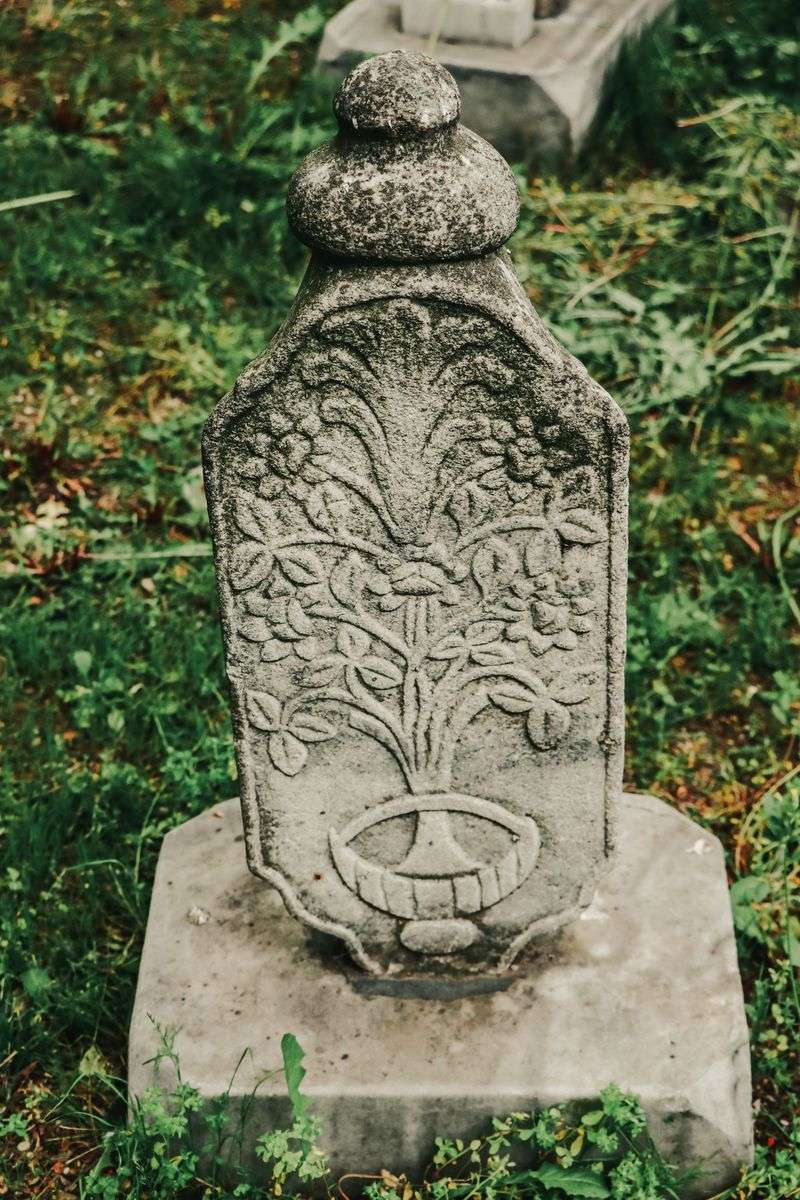
An unsolved crime gives this cemetery something considerably darker than an invented ghost tale. Reynolds Cemetery in Spring Arbor Township is connected to the Crouch family homicides of November 21, 1883, when four people were found dead inside a farmhouse in one of Jackson County’s most notorious historical crimes.
Jacob Crouch, his daughter Eunice White, her husband Henry White, and Moses Polley all died that night. Despite investigations, arrests, family disputes, and decades of speculation, nobody was ever convicted of the killings.
Local folklore eventually added a supernatural continuation to the story. One tale claims Eunice returns around the anniversary of the homicides, sometimes appearing as a pale mist moving between burial grounds or revisiting her father’s grave.
There is no evidence that such an apparition exists, but the persistence of the story shows how an unresolved crime can remain active in local memory long after witnesses and investigators are gone. Real uncertainty often produces better folklore than a neatly solved tragedy.
A daytime visit keeps the focus where it belongs. Look for the older family markers, read what is actually carved into the stones, and avoid treating November 21 like an invitation for a midnight vigil.
7. Climb Into Lake Forest Cemetery’s Folklore
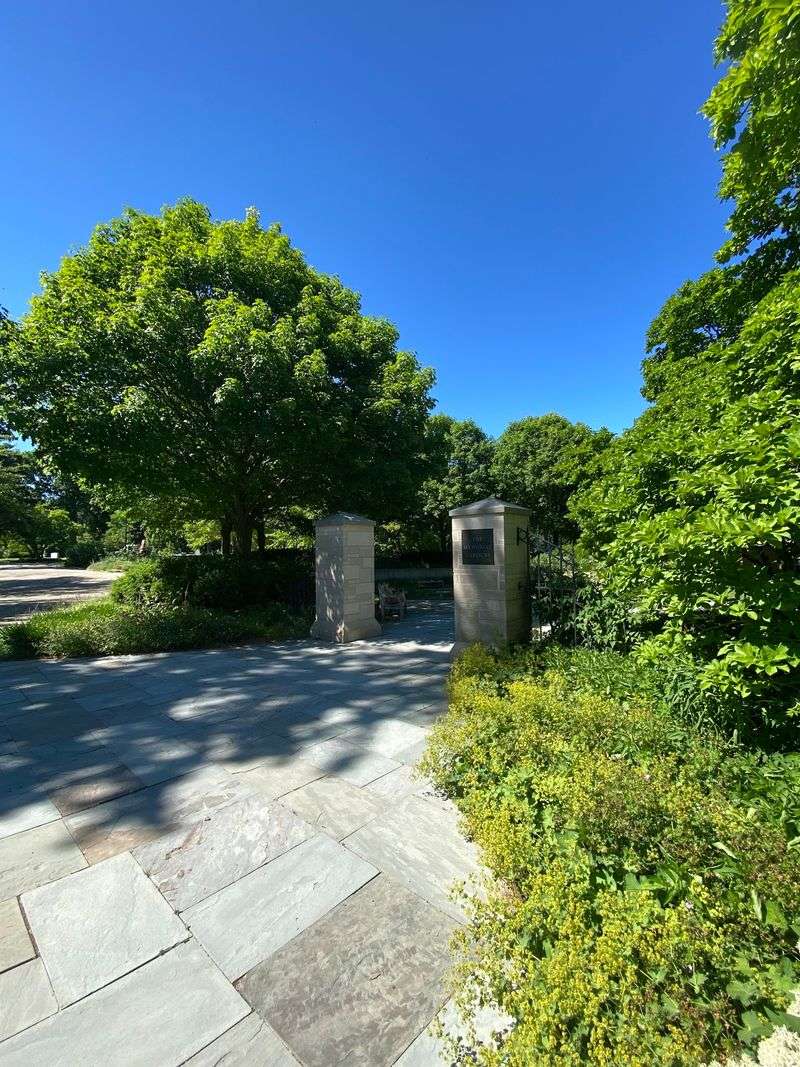
A long staircase rising through an old cemetery would probably collect legends even without a mysterious blue light added to the story. Lake Forest Cemetery at 1304 Lake Avenue in Grand Haven was developed after the city began moving graves from its earlier burial ground, with the first burial at the new site recorded in 1873.
The cemetery adjoins the historic Ferry family property, connecting it with Reverend William Montague Ferry, one of Grand Haven’s most influential early settlers. Local folklore claims a blue light associated with Ferry sometimes appears around the hill or cemetery as though he continues watching over the community.
The staircase toward the elevated area around Ferry’s grave has attracted its own dramatic stories. Different versions give the steps ominous names or claim something about a visitor’s fate can be learned while climbing them, although those ideas are folklore rather than cemetery history.
What is real is an unusually varied landscape. Hills, old trees, historic sections, later burial areas, and the Lee Chapel make the grounds feel closer to a park than a flat municipal cemetery.
The city continues to operate and maintain Lake Forest Cemetery, so this is an active burial place rather than an abandoned attraction.
6. Mouth Cemetery’s Stories Among The Trees
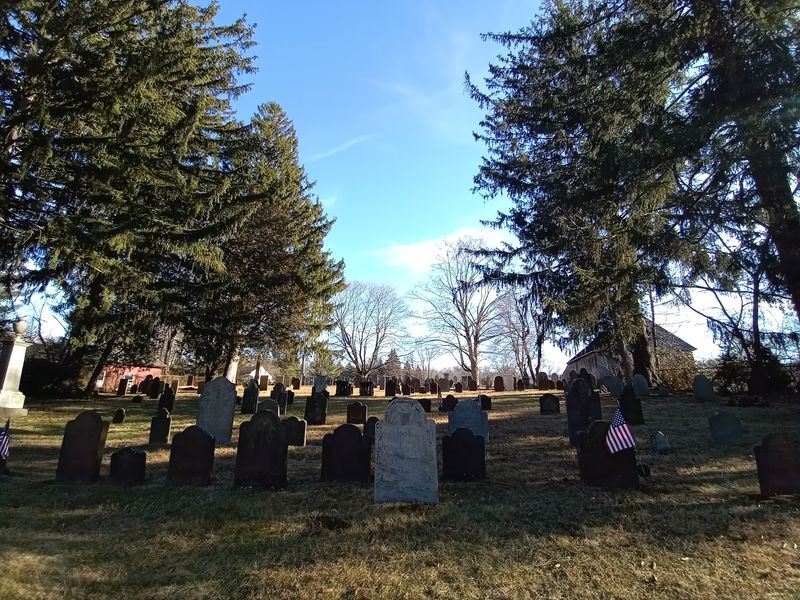
The name sounds sinister until you realize it comes from geography rather than anatomy. Mouth Cemetery near Montague in White River Township takes its name from the nearby mouth of the White River, although generations of ghost stories have made the explanation considerably less memorable than the folklore.
The burial ground contains graves dating back to the nineteenth century, with one of the oldest marked burials commonly identified from the early 1850s. Its wooded setting and isolated feel have helped produce stories involving footsteps, unexplained mist, and a girl in an old-fashioned white dress wandering near the graves.
Another legend reaches beyond the cemetery itself. Tales of “Sadony’s Chair” describe a supposedly cursed object hidden somewhere in the surrounding area, with various versions claiming sitting in it can predict death or bring terrible luck.
Evidence for the supernatural claims is absent, and the chair stories vary enough to reveal how quickly a local tale can mutate. Searching neighboring woods for an object from the legend is also a poor reason to wander onto property where visitors may not belong.
Mouth Cemetery is reached around Sunset Lane near the White Lake area. Confirm the route and any local access expectations before heading out.
5. Nunica Cemetery Keeps Its Secrets In Daylight
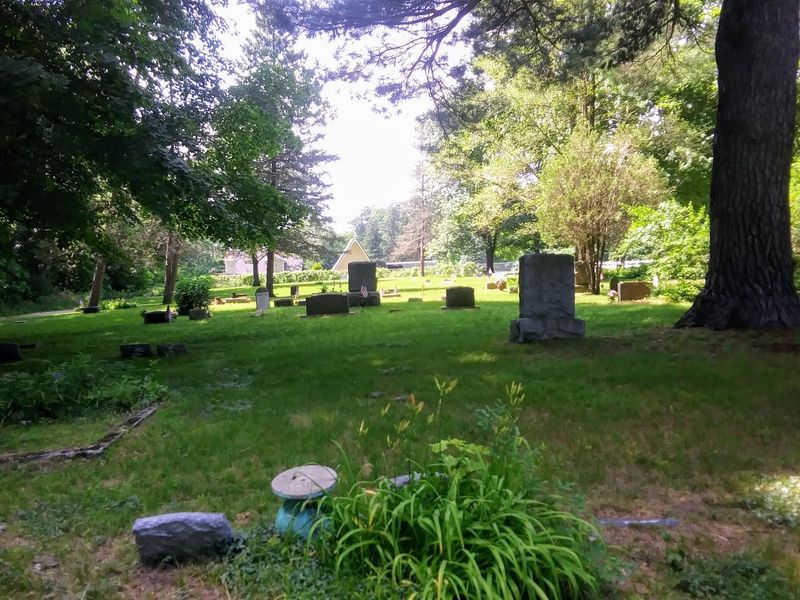
Rows of nineteenth-century stones beside newer graves make this feel like a continuing community record rather than a forgotten burial ground. Nunica Cemetery in Crockery Township dates to the nineteenth century and includes veterans, early local families, and generations whose names remain tied to the surrounding Ottawa County community.
The paranormal stories are much less tidy. Visitors have reported childlike figures, unexplained smells, footsteps, strange lights, and a watchful presence sometimes linked in online retellings to Joel A.
Bond.
Those accounts should be treated as folklore rather than biographical facts about people buried here. Claims that the cemetery occupies an earlier Indigenous burial ground also circulate online, but repeating that as established history without supporting archaeological or documentary evidence would be irresponsible.
The township still actively manages the cemetery. Local government records show ongoing maintenance decisions and regulations covering decorations and grave sites, which is a useful reminder that this is not an abandoned paranormal destination.
Visit during reasonable daylight hours and respect any posted cemetery rules. Do not leave toys, coins, food, or other objects simply because an internet ghost story suggests doing so.
4. Findlay Cemetery And The Ada Witch
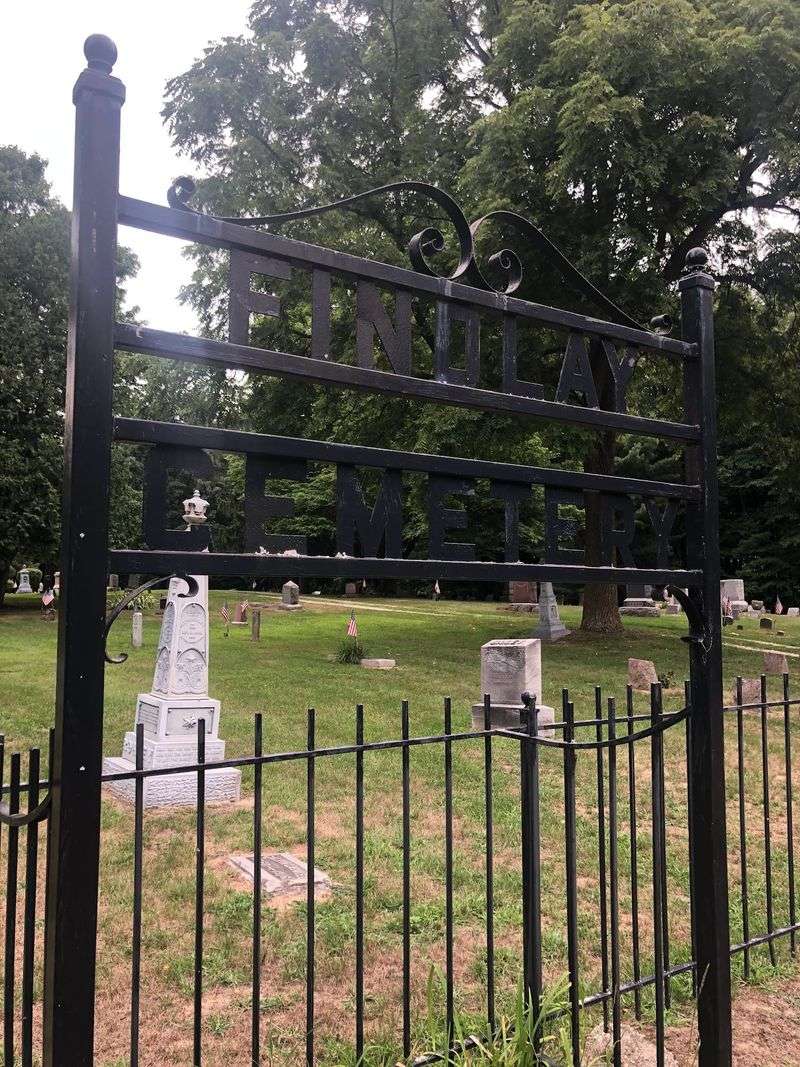
A woman in white wandering between graves has become one of West Michigan’s most persistent supernatural images. Findlay Cemetery in Ada Township is closely associated with the legend of the Ada Witch, a story repeated so often that the ghost sometimes seems better known locally than the actual people buried there.
The most dramatic version describes a married woman meeting another man near the area before her husband discovered them. A violent confrontation supposedly followed, leaving all three dead and the woman’s spirit condemned to wander the cemetery and nearby roads.
That makes for excellent campfire storytelling but weak historical biography. Researchers have struggled to connect the sensational murder narrative with solid documentation, so describing a real woman as an adulterer, murderer, or witch on the basis of folklore would turn an entertaining legend into an unsupported accusation.
The cemetery itself dates to the nineteenth century and contains older markers that offer a much more reliable connection to Ada’s past. Visitors interested in history should pay attention to names, dates, military service, and family relationships rather than hunting for whichever grave a website has attached to the legend.
3. Eloise Cemetery Deserves More Than A Scare
Small numbered blocks instead of elaborate names make the emotional weight of this place immediately obvious. Eloise Cemetery on Henry Ruff Road in Westland contains thousands of people connected with the enormous Wayne County institution once known simply as Eloise.
The institution began with the Wayne County Poor House in 1839 and eventually expanded into hospitals, psychiatric care, tuberculosis treatment, and other county services. Many residents were poor, ill, socially isolated, or without relatives able to claim their bodies.
Between 1910 and 1948, thousands were buried in the cemetery, often beneath simple numbered concrete markers rather than personalized monuments. That visual anonymity has helped fuel ghost stories about voices, apparitions, and restless patients, but it should also encourage visitors to think about why so many people were buried without conventional headstones.
The cemetery is frequently confused with the commercial haunted attraction associated with surviving portions of the former Eloise complex. They are not the same thing, and a real burial ground should never be treated like an extension of an entertainment venue.
Public access conditions should be confirmed before traveling, especially because the surrounding property and former institutional sites have changed considerably over time. Stay within permitted areas and leave every marker untouched.
2. Frost Cemetery’s Country Quiet And Dark Tales
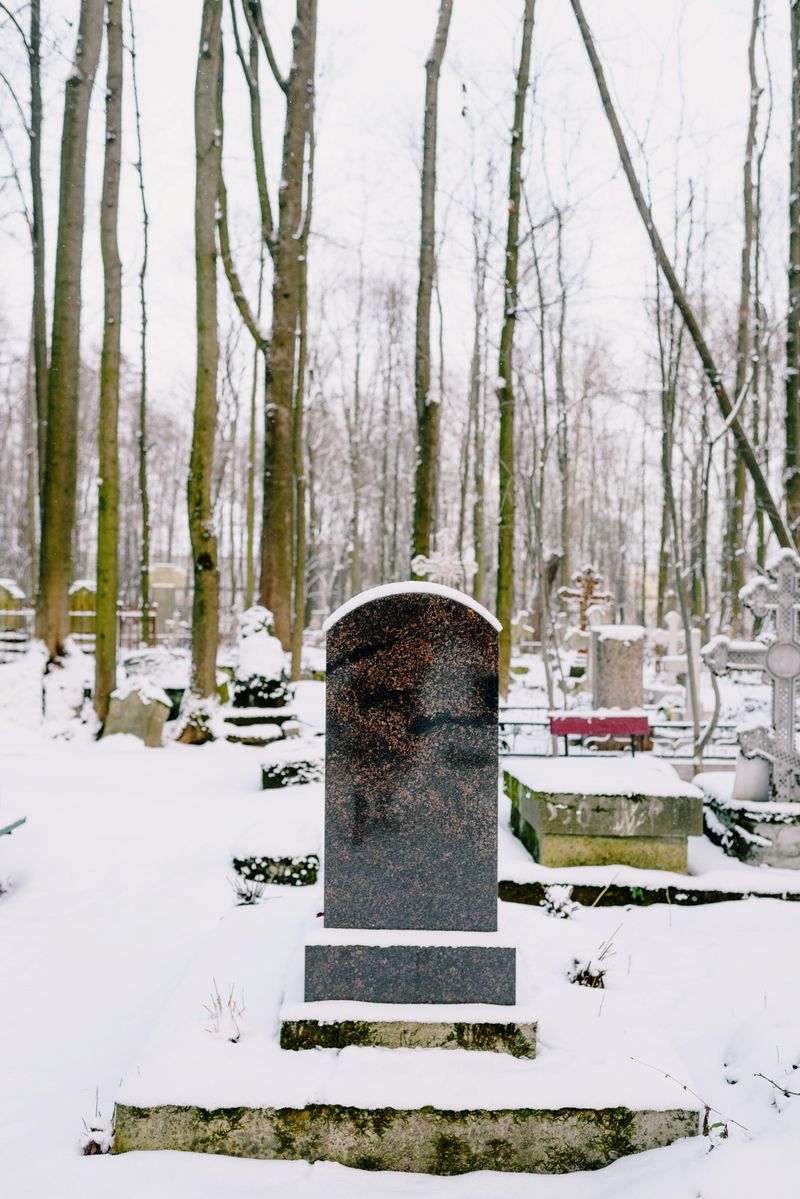
A quiet rural cemetery becomes much easier to fear once somebody gives it a nickname like Munchkin Land. Frost Cemetery in Berrien County, also known as Franklin Church Cemetery, sits near the historic Franklin Church and has accumulated a collection of local stories involving children’s spirits, strange lights, and ominous activity after dark.
The church dates to the nineteenth century, with local historical accounts placing its origins around 1855. That gives the site genuine pioneer-era history without relying on anything supernatural.
The darker folklore claims a pastor murdered children and buried them around the cemetery, sometimes using that story to explain reports of small figures or voices. Evidence supporting that accusation is extremely weak, and repeating it as fact would unfairly attach a violent crime to real clergy and a real congregation without documentation.
A glowing grave or marker also appears in some versions. Like many cemetery legends, the details change from storyteller to storyteller, which is part of the fun as long as the distinction between legend and history stays visible.
The rural location around Frost and Brush Lake roads can feel more isolated than it appears on a map.
1. Kitchie Cemetery At The Forest’s Edge Of Memory
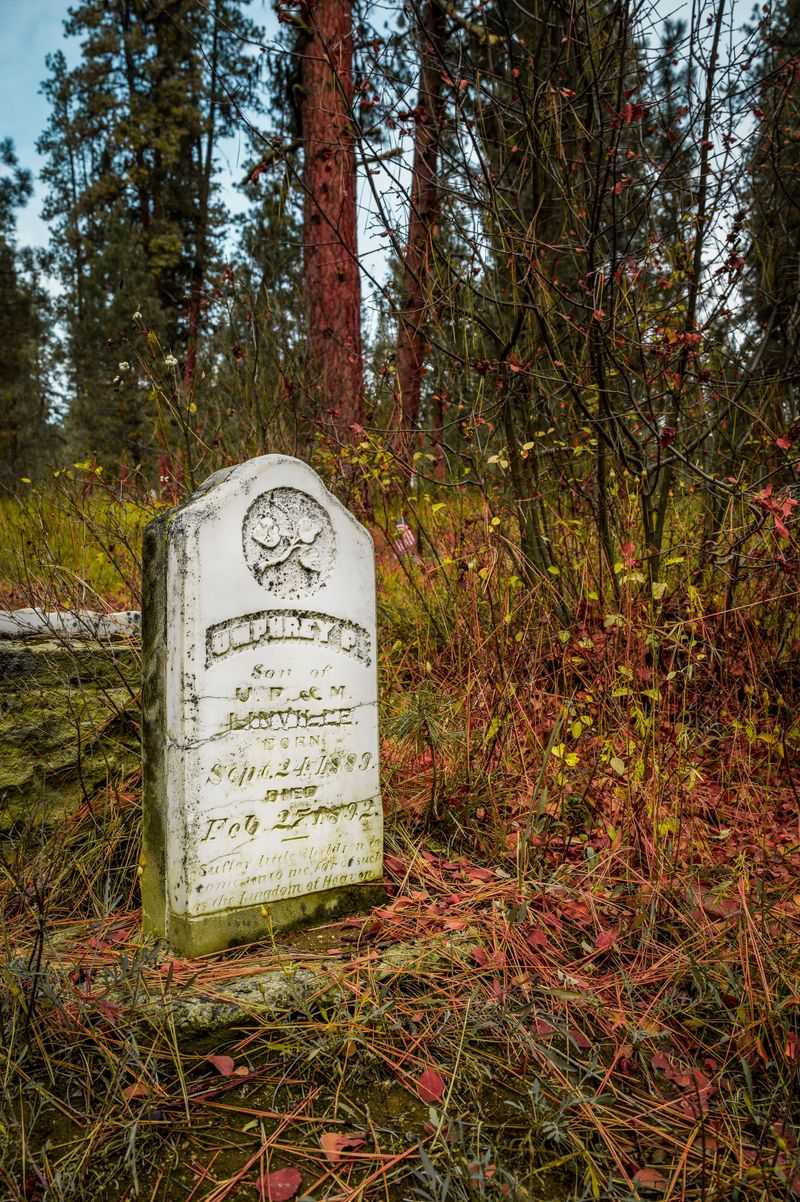
A handful of graves surrounded by Upper Peninsula forest can feel almost impossibly far from the communities that once placed them there. Kitchie Cemetery, east of Kenton in the Ottawa National Forest, preserves one of the few remaining traces of a small lumber settlement that disappeared as the industry moved on.
A sign at the cemetery gives 1889 as its establishment date. Records and local accounts draw particular attention to the number of children among the known burials, a reminder of how dangerous disease, accidents, isolation, and limited medical care could make life in remote nineteenth-century settlements.
Folklore adds a grieving woman, strange lights, unexplained sounds, and phantom horses along the approach. The image of a woman weeping beside children’s graves is certainly effective, although there is no need to pretend the story has been scientifically verified for it to remain memorable.
The setting requires more practical preparation than most entries on this list. Roads in and around national forest land can vary dramatically with season, rain, snow, and maintenance, while cellular coverage should never be assumed.
Download maps before leaving, carry water, and let somebody know where you are going. Daylight also makes finding the correct route considerably easier.