
How To Navigate A California Taco Stand Like You Grew Up There
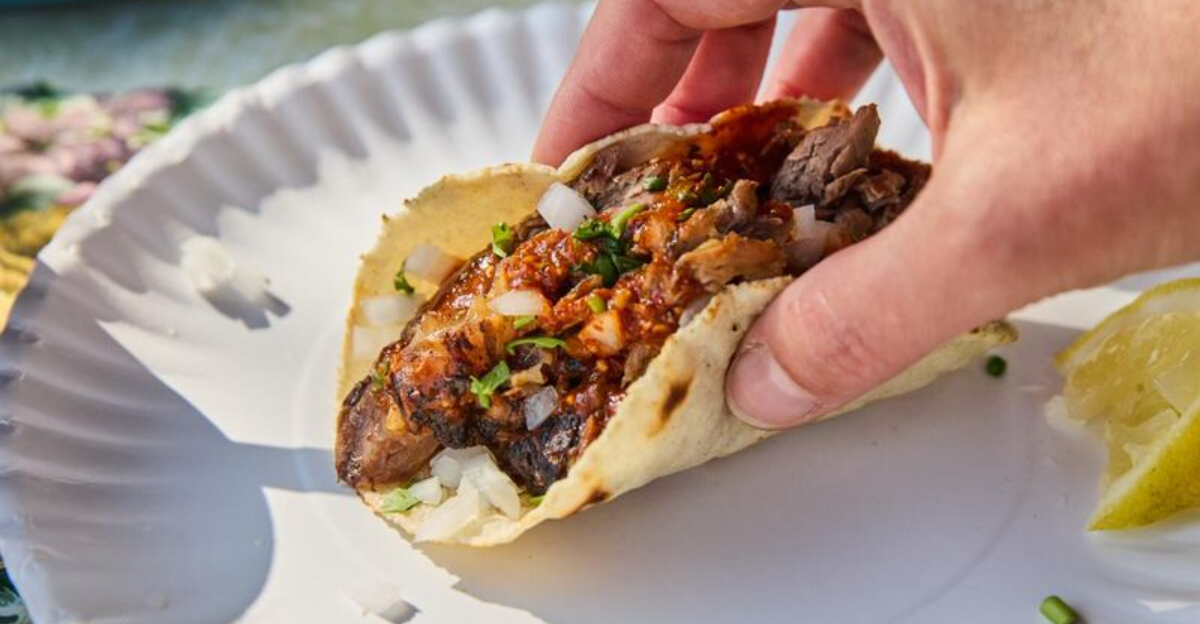
There’s something magical about California taco stands – those colorful, bustling corners of culinary heaven where locals gather for authentic Mexican flavors.
My first visit to a taco stand in San Diego left me confused and intimidated, watching regulars effortlessly order while I fumbled through the menu.
After years of taco adventures across the Golden State, I’ve mastered the unwritten rules of taco stand etiquette.
Here’s how you can order and eat like a true Californian, no matter where you’re from.
Master The No-Nonsense Ordering Style
The first time I ordered at a legendary East LA taco stand, I rambled about “wanting something authentic” while the line behind me grew. The taquero’s face said it all – I was doing it wrong.
California taco pros keep it simple and direct. State exactly how many tacos and which meat you want: “Three asada tacos” or “Two carnitas and one lengua.” Skip the unnecessary explanations or questions about what’s popular. The menu is usually displayed above or painted on the side of the truck for a reason.
When it’s busy (and good stands always are), have your full order ready when you reach the front. This earns respect from both the staff and locals standing behind you who just want their post-work taco fix.
Speak The Meat Language Fluently
“What’s lengua?” I whispered to my friend during my taco stand initiation. The woman behind me chuckled and said, “Tongue, honey. It’s delicious!” That day I learned that meat vocabulary is essential taco stand currency.
Carne asada (grilled beef) and pollo (chicken) are starter choices, but true locals venture deeper. Al pastor features marinated pork cooked on a vertical spit with pineapple. Carnitas offers tender, slow-cooked pork with crispy edges. Lengua (beef tongue) delivers rich flavor when properly prepared.
Cabeza (head meat, usually beef cheek) is buttery and delicious, while tripas (tripe) provides a crispy, chewy texture when well-fried. Don’t fake knowledge – it’s perfectly fine to ask what something is, but do it with genuine curiosity rather than disgust.
Navigate The Salsa Bar Like A Pro
My worst taco stand mistake happened at a Venice Beach taqueria when I doused my carnitas in what turned out to be their nuclear-level habanero salsa. The cook laughed as I gulped down three horchatas in rapid succession.
Smart taco enthusiasts always sample salsas before committing. The green salsa (verde) typically contains tomatillos and jalapeños, offering tanginess with moderate heat. Red salsa (roja) usually packs more punch with various chili peppers. Some stands offer creamy avocado salsas or smoky chipotle varieties.
Use the tiny sample cups or dip a chip corner to test before applying. And remember the unspoken rule: return salsa ladles to their proper containers. Nothing marks you as an outsider faster than cross-contaminating the salsa bar!
Perfect The Taco-Holding Technique
“You’re holding it all wrong!” my Mexican-American roommate exclaimed during our late-night taco run in San Francisco. He demonstrated the proper technique that prevented the precious fillings from escaping with each bite.
California street tacos come on small corn tortillas, often doubled up to prevent breakage. Hold the taco with your thumb and middle finger along the bottom curve, using your index finger on top to create a U-shaped cradle. Slightly tilt your head sideways to meet the taco – never tilt the taco toward you, unless you want salsa on your shirt.
Keep the taco relatively level while eating from one end to the other. This maintains structural integrity and prevents the dreaded mid-bite collapse that separates the amateurs from the veterans.
Customize With The Classic Toppings
During my first authentic taco experience in San Diego’s Barrio Logan, I asked for cheese and sour cream. The taquero’s raised eyebrow taught me an important lesson about California street taco traditions.
Authentic California tacos come with minimal but crucial toppings: diced onion, fresh cilantro, and lime wedges. These aren’t just garnishes – they’re essential flavor components that balance the savory meat. Squeeze lime over everything; the acidity cuts through fattier meats and brightens the overall flavor profile.
Radishes, when offered, provide a crisp, peppery crunch. Pickled jalapeños or carrots (escabeche) add tangy heat. Guacamole or crema might be available for an upcharge, but requesting cheese often signals your tourist status faster than wearing socks with sandals.
Follow The Unwritten Taco Stand Etiquette
The line at my favorite Oakland taco truck moves with military precision. I once watched a newcomer try to place his order while still deciding, creating a ripple of barely concealed frustration among the regulars who value the stand’s efficient rhythm.
Successful taco stand navigation requires understanding the cultural choreography. Have cash ready – many stands don’t accept cards. Know what you want before reaching the counter. Move to the side after ordering to make room for others, and collect your food promptly when your number or name is called.
Most importantly, respect the space. Don’t hog tables during busy periods, and clean up after yourself. These unwritten rules maintain the democratic spirit of taco stands, where laborers, office workers, and everyone in between shares space in pursuit of delicious tacos.
Embrace The Full Taco Stand Experience
“Try the horchata,” insisted my friend’s abuela at a family-run stand in Boyle Heights. That sweet rice drink changed my taco experience forever, teaching me that authentic stands offer more than just tacos.
Complete your meal with traditional beverages like Jamaica (hibiscus tea), horchata (cinnamon-rice drink), or Mexican Coca-Cola (made with real sugar). Many stands also serve exceptional quesadillas, mulitas (meat and cheese between two tortillas), or vampiros (crispy tortillas with melted cheese and meat).
Weekend stands might offer special items like menudo (tripe soup) or barbacoa (slow-cooked meat). Listen for Spanish conversations around you – if locals are excitedly discussing a specific dish, it’s probably worth trying. The most memorable California taco experiences come from embracing the full cultural immersion, not just the tacos themselves.