
19 Reasons Philly Cheesesteaks Will Always Be Iconic
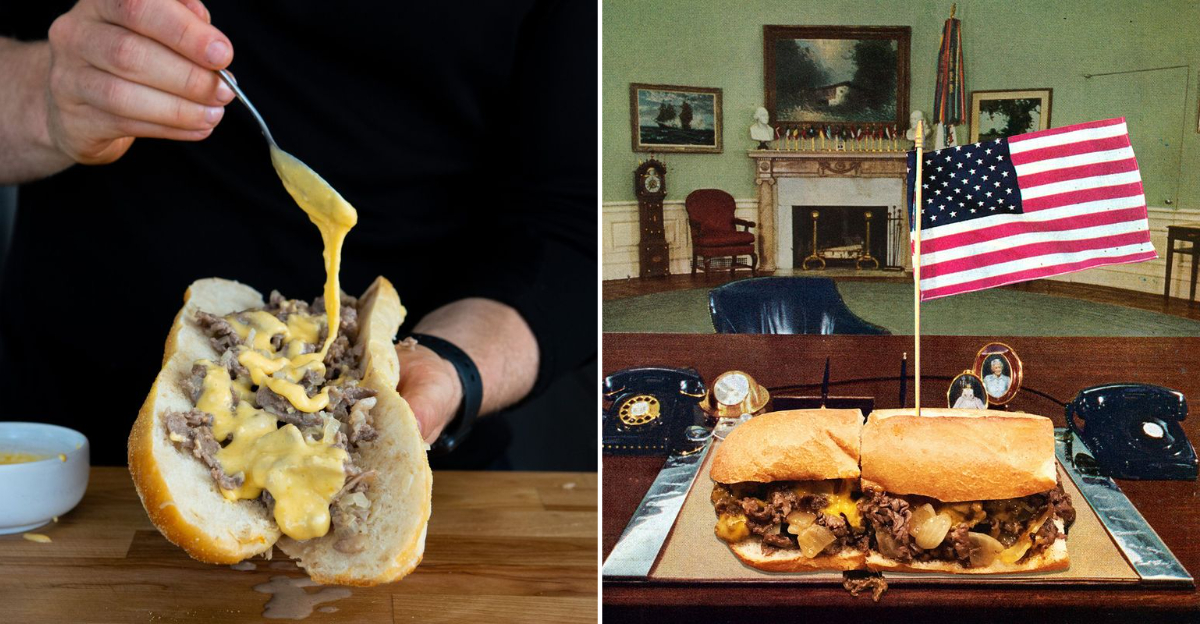
When I’m craving pure comfort food, nothing beats a Philly cheesesteak.
These legendary sandwiches have been part of Philadelphia’s identity since the 1930s, transforming from a simple street food into a national treasure.
I still remember my first authentic cheesesteak experience – standing in line at Pat’s, nervously practicing my order, and finally biting into that perfect combination of thinly sliced beef, melted cheese, and soft roll.
Let me share why these sandwiches have earned their permanent place in American food culture.
1. The Accidental Birth Of Greatness
The humble cheesesteak wasn’t born in some fancy test kitchen. Pat Olivieri, a hot dog vendor, simply tossed some beef on his grill one day in 1930 when he got bored with his own lunch. A passing cab driver caught a whiff, demanded one for himself, and history began unfolding right there on the streets of South Philly.
Word spread like wildfire among the cabbie community, and soon Pat had a line of drivers waiting for his steak sandwich. I love how something so iconic started as just a guy trying to switch up his lunch routine!
Pat eventually opened Pat’s King of Steaks, which still operates at the original location. No business plan, no marketing strategy—just delicious food that spoke for itself.
2. Cheese Came Fashionably Late
Surprise! The original “cheesesteak” didn’t actually have cheese. For nearly a decade after its creation, Pat’s served plain steak sandwiches. The cheese revolution didn’t happen until the 1940s when Pat’s manager (some say it was Pat’s brother Harry) had the brilliant idea to add provolone to the mix.
Cheez Whiz, now considered by many purists as the authentic choice, didn’t even enter the picture until the 1950s! My grandfather swears the sandwich improved tenfold when that gooey orange cheese entered the scene.
This evolution shows how culinary icons develop organically over time. The cheesesteak wasn’t born perfect—it grew into greatness through experimentation and happy accidents.
3. The Roll Makes The Sandwich
Ask any Philadelphian about cheesesteak secrets, and they’ll tell you: it’s all about the roll! Most authentic shops use Amoroso’s hearth-baked rolls, which strike that magical balance between crusty exterior and soft, slightly chewy interior. The roll has to be sturdy enough to hold up to the juicy meat without becoming soggy.
During my college years in Philly, I watched tourists focus on the meat while locals debated roll quality. A friend’s mom would drive 30 miles just to get Amoroso rolls for homemade cheesesteaks!
The ideal roll has a slight chew that gives way to softness, absorbing some meat juice while maintaining structural integrity. Without the right roll, you just have a steak sandwich—not a Philly cheesesteak.
4. The Art Of The Order
“Whiz wit” might sound like nonsense to outsiders, but in Philly, it’s sacred language. The first time I ordered, I fumbled through “Cheesesteak with Whiz and onions” while locals behind me groaned. A friendly regular pulled me aside: “Just say ‘Whiz wit’ next time, kid.”
This shorthand ordering system—cheese type followed by “wit” (with onions) or “witout” (no onions)—became part of the cultural experience. At high-volume shops like Pat’s and Geno’s, hesitation earns you the “back of the line” treatment.
The ordering ritual creates a sense of belonging. Once you’ve mastered it, you’re no longer just a tourist; you’ve joined a tradition that connects you to generations of cheesesteak lovers.
5. The Great Cheese Debate
The three contenders—Cheez Whiz, American, and provolone—each have passionate defenders ready to stand firm on their respective hills.
My uncle Tony, a South Philly native, refuses to acknowledge any cheesesteak without Whiz as legitimate. “That processed goop gives you the perfect distribution of cheese in every bite,” he insists. Meanwhile, my cousin swears provolone offers a more sophisticated flavor profile.
American cheese fans argue it provides the perfect melt without overwhelming the meat. This three-way cheese rivalry has divided families, ended friendships, and created neighborhood allegiances that run generations deep—and somehow makes the sandwich even more beloved.
6. Pat’s Vs. Geno’s: The Rivalry
At the intersection of 9th Street and Passyunk Avenue stands the most famous food rivalry in America. Pat’s King of Steaks and Geno’s Steaks face each other across the street like boxers in opposite corners, their neon signs glowing like championship belts in the night.
The rivalry began in 1966 when Joey Vento opened Geno’s directly across from Pat’s, an audacious move that created instant tension. Tourists flock to try both in the same visit, while locals typically declare unwavering loyalty to one establishment.
I’ve watched heated debates erupt at family dinners when someone dares suggest Geno’s might be better than Pat’s. This rivalry transcends food—it’s about identity, tradition, and the beautiful stubbornness of Philadelphians who refuse to change their minds once they’ve chosen sides.
7. Working-Class Hero Sandwich
The cheesesteak emerged from Philadelphia’s blue-collar neighborhoods, feeding factory workers who needed affordable, filling meals they could eat quickly. Unlike fancy cuisine that required utensils and etiquette, the cheesesteak was designed to be eaten with your hands, often while standing.
My grandfather worked at the Navy Yard in the 1960s and told stories of the entire shift lining up at the cheesesteak cart during lunch break. “We’d stand there in our work clothes, sauce dripping down our arms, talking about the Eagles. Those were some of the best moments of the day.”
This working-class heritage explains why the sandwich remains unpretentious despite its fame. The cheesesteak reminds us that some of the world’s greatest culinary creations come not from high-end restaurants but from ordinary people solving everyday problems.
8. The Perfect Meat Technique
The art of the cheesesteak lies in the meat preparation. Authentic shops use ribeye (though some now use top round), sliced paper-thin and chopped with metal spatulas while cooking on a flat-top grill. The rapid chopping creates those signature small pieces that distribute evenly throughout the sandwich.
I once watched a veteran grill master at Jim’s Steaks chop so quickly his spatulas became a blur. When I asked about his technique, he just winked: “Twenty years of practice, kid.”
The meat should be cooked until just slightly browned—never charred or overly crispy. This technique creates the tender, juicy texture that defines the authentic experience. Chain restaurants often miss this crucial detail, serving steak that’s either too thick, too tough, or not chopped finely enough.
9. Presidential Approval
When politicians campaign in Pennsylvania, a cheesesteak photo-op becomes mandatory political theater. Barack Obama stopped at Pat’s during his 2008 campaign, while John Kerry created a mini-scandal by ordering his with Swiss cheese (a major faux pas in Philly).
My politics professor loved telling us how Bill Clinton’s 1992 visit to Jim’s Steaks on South Street helped solidify his “man of the people” image. Clinton allegedly ate two full sandwiches while chatting with locals, earning major points with the Philly crowd.
Even beyond campaign season, presidents continue the tradition. Joe Biden, a Pennsylvania native, reportedly keeps a stash of Amoroso rolls in the White House freezer for cheesesteak cravings. When a sandwich achieves this level of political importance, you know it’s transcended mere food status.
10. Global Recognition, Local Heart
Cheesesteaks have conquered the world while remaining distinctly Philadelphian. You’ll find “Philly cheesesteak” on menus from Tokyo to Paris, yet locals insist nothing compares to the authentic experience in the sandwich’s hometown.
During my backpacking trip across Europe, I stumbled upon a “Philadelphia Cheesesteak” in Barcelona that used manchego cheese and chorizo. While tasty, it made me homesick for the real thing. The global versions serve as ambassadors for Philadelphia’s food culture, even when they miss the mark on authenticity.
This worldwide recognition hasn’t changed how fiercely Philadelphia protects its culinary treasure. The city embraces the sandwich’s international fame while maintaining that true cheesesteak enlightenment can only happen within city limits—preferably at a cash-only joint with faded photos on the walls.
11. The Cheesesteak Economy
Cheesesteaks fuel a mini-economy within Philadelphia. Beyond the famous spots like Pat’s and Geno’s, hundreds of delis, food trucks, and corner shops sustain themselves primarily through cheesesteak sales. My friend’s family has operated a small shop in Northeast Philly for three generations, putting multiple kids through college on cheesesteak profits alone.
The ripple effect extends to suppliers—local bakeries, meat processors, and even the manufacturers of those metal spatulas used for chopping. During the 2020 pandemic, my neighborhood rallied to keep our local cheesesteak shop afloat through takeout orders.
Tourism dollars flow heavily toward cheesesteak destinations, with visitors spending an estimated $5 million annually just at the top cheesesteak establishments. This sandwich doesn’t just feed stomachs—it feeds families and communities.
12. Celebrity Endorsement Power
When celebrities visit Philadelphia, their cheesesteak choices become headline news. Oprah created a sensation at Pat’s, while hometown hero Will Smith regularly brings Hollywood friends to Ishkabibble’s on South Street. These star sightings confer additional legitimacy on already-popular establishments.
During filming of “Creed,” Sylvester Stallone took Michael B. Jordan on a cheesesteak tour that sparked renewed interest in the classic Rocky-era spots. My cousin’s shop saw business double after Eagles quarterback Jalen Hurts mentioned it in a post-game interview last season.
What fascinates me is how these celebrities often become genuinely passionate about their cheesesteak preferences. Bradley Cooper, a Philly native, once spent 10 minutes on a talk show passionately defending John’s Roast Pork as the city’s best cheesesteak, demonstrating how this sandwich creates evangelists regardless of fame level.
13. The Best Late-Night Recovery
Philadelphians have long known what science is just catching up to: a cheesesteak might be the world’s most effective late-night remedy. The magical combination of protein, fat, carbs, and salt creates the perfect storm of recovery-boosting nutrients.
During my college years at Temple University, our Sunday morning ritual involved dragging ourselves to Tony Luke’s, no matter how rough the previous night had been. Within minutes of that first greasy bite, headaches would start to subside and the world would begin to make sense again.
Local bartenders often point patrons toward nearby cheesesteak shops at closing time as a preemptive strike against tomorrow’s misery. This restorative quality adds another layer to the sandwich’s beloved status—it’s not just delicious; it’s occasionally lifesaving after a night sampling Philadelphia’s equally famous beer scene.
14. Seasonal Stability
While many foods have their moment—summer’s ice cream, fall’s pumpkin spice, winter’s hot chocolate—the cheesesteak maintains unwavering popularity year-round. I’ve stood in line at Pat’s during January snowstorms and July heat waves, watching the same steady stream of customers in all weather conditions.
This consistency speaks to the sandwich’s perfect design. In winter, the hot, hearty sandwich provides warming comfort. During summer, the quick preparation time means you’re not stuck in a hot kitchen, and the sandwich is substantial without being heavy like traditional winter fare.
Local shops report remarkably stable sales patterns throughout the year, with only slight increases during tourist season. Unlike trendy foods that spike and fade, the cheesesteak has achieved that rare status of being both special enough for a celebration and normal enough for a random Tuesday lunch.
15. Vegetarian Versions That Don’t Suck
Normally, vegetarian versions of meat classics are sad imitations, but Philly has somehow cracked the code on meatless cheesesteaks that actually satisfy. My vegetarian sister dragged me to Blackbird Pizzeria years ago, and their seitan cheesesteak blew my mind—I genuinely couldn’t believe there wasn’t meat in it.
Several shops now offer mushroom-based versions that capture the umami of the original. The key innovation was focusing on texture and seasoning rather than trying to perfectly mimic beef. These veggie versions maintain the essential cheesesteak experience: the gooey cheese, the soft roll, the proper ratio of ingredients.
This adaptability ensures the cheesesteak tradition continues even as dietary preferences evolve. Rather than becoming a relic of meat-eating culture, the sandwich has found ways to remain relevant to younger, more plant-focused generations without losing its soul.
16. The Sports Connection
Nothing pairs better with Philadelphia sports than a cheesesteak. The sandwich has become so intertwined with game day that Eagles, Phillies, Sixers, and Flyers all offer versions at their stadiums—though fans debate whether these arena versions deserve the name.
My dad and I have a tradition of grabbing cheesesteaks before heading to Eagles games. He swears the sandwich brings luck, pointing to the 2018 Super Bowl season when we ate at the same shop before every playoff game. When the Eagles won it all, that shop had a line around the block for weeks!
Sports broadcasters visiting Philadelphia inevitably feature cheesesteak segments during game coverage, further cementing the connection. The sandwich has become shorthand for Philadelphia sports culture itself—unpretentious, sometimes messy, but fiercely beloved by its defenders.
17. Family Legacies Built On Beef
Many of Philadelphia’s beloved cheesesteak shops have remained in the same families for generations. Pat’s is still run by the Olivieri family nearly a century after Pat’s first griddle sizzle. Tony Luke Jr. learned the business from his father before launching his own empire.
I befriended the grandson of a South Philly shop owner who showed me faded photos of his grandfather serving cheesesteaks in the 1950s. “I started working the grill at 12,” he told me. “My son’s 11—he starts next summer.”
These multi-generational businesses preserve techniques and recipes that might otherwise be lost. Each family guards their specific methods—the meat supplier they’ve used for decades, the precise cooking time, the way they layer ingredients. This family stewardship ensures that authentic cheesesteaks remain available despite chain restaurant competition.
18. The Ultimate Comfort Food
Some foods you appreciate intellectually, but cheesesteaks speak directly to your soul. During my first brutal Philadelphia winter, I discovered the profound emotional comfort of biting into a hot, juicy cheesesteak after trudging through snow and slush.
There’s something about the combination—savory meat, melty cheese, soft bread—that activates pleasure centers in the brain like few other foods. Scientists might point to the perfect fat-to-protein ratio or the textural contrasts, but Philadelphians just call it love on a roll.
When I moved away from Philly, cheesesteaks became my homesickness cure. During particularly nostalgic moments, I’d attempt to recreate them, never quite matching the original but finding comfort in the ritual. The sandwich doesn’t just feed hunger—it satisfies something deeper, connecting us to places, people, and memories.
19. Immigrant Innovation Story
The cheesesteak represents the classic American immigrant success story. Pat Olivieri, an Italian-American, created something entirely new by combining elements from his heritage with American ingredients and entrepreneurial spirit. His innovation transformed his family’s prospects and enriched American food culture.
Many of Philadelphia’s best cheesesteak shops continue this immigrant tradition. Greek, Korean, and Vietnamese families have opened acclaimed shops, each adding subtle influences while respecting the sandwich’s core identity. My favorite spot is run by a Vietnamese family who adds the perfect hint of fish sauce to their meat seasoning.
This continual reinvention by new Americans keeps the tradition vibrant rather than static. The cheesesteak demonstrates how immigrant cultures don’t just assimilate into American life—they actively shape and improve it, creating new traditions that become quintessentially American.