
Michigan’s Secret Pierogi Joints That Outsiders Rarely Discover
Growing up in Michigan, I discovered a delicious secret hiding in plain sight: incredible pierogi joints tucked into small towns and tight-knit neighborhoods.
These golden dumplings—tender pockets of dough filled with everything from potato and cheese to hearty meats and tangy sauerkraut—tell the story of Michigan’s proud immigrant heritage, especially its deep Polish roots.
While most tourists flock to the Great Lakes, bustling cities, and scenic trails, locals know that the true soul of the state can often be found at these humble eateries. Passed down through generations, Michigan’s pierogi spots remain cherished treasures that visitors rarely stumble upon.
Family Legacy Lives On at Lost Village Pierogi
The first time I wandered into Lost Village Pierogi in Petoskey, I watched in awe as Mike and Holly Kotz transformed simple ingredients into edible art. Their hands moved with practiced precision, pinching perfect half-moons of dough around fillings both traditional and innovative.
On busy days, this husband-wife team produces over 500 dozen pierogi! Beyond the classic potato and cheese varieties, they’ve created culinary adventures with pulled pork and sweet corn fillings that make regulars drive hours just for a taste.
The cozy northern Michigan setting feels like visiting a relative’s kitchen – warm, welcoming, and filled with the irresistible aroma of buttery dumplings that transport you to simpler times.
Legs Inn’s Pierogi Pilgrimage Along the Tunnel of Trees
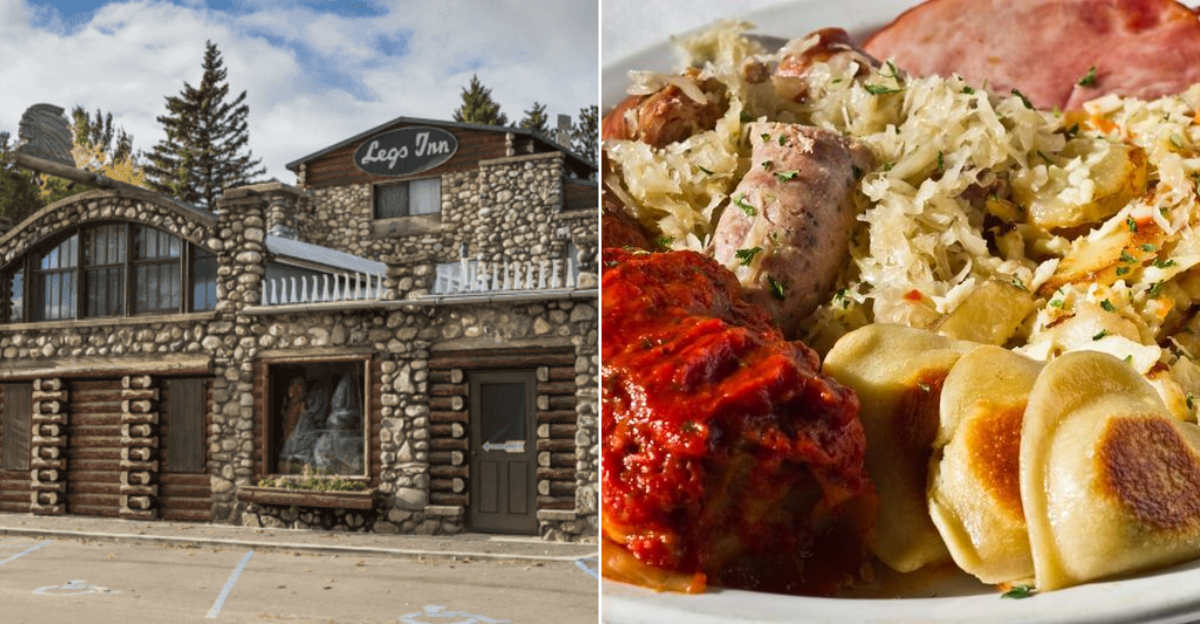
“You haven’t really experienced Michigan until you’ve eaten pierogi at Legs Inn after driving the Tunnel of Trees,” my grandmother always said. She wasn’t exaggerating.
Perched dramatically on Lake Michigan’s shore in Cross Village, this stone-walled wonder looks like something from a fairytale. Folk art and driftwood decorate every corner, creating an atmosphere as memorable as the food.
Their pierogi recipe hasn’t changed in generations – plump dumplings served alongside kielbasa and potato pancakes. What makes this place magical isn’t just the food but the journey. Driving the winding M-119 through a cathedral of trees before arriving at this Polish haven creates memories that flavor every bite.
Krzysiak’s House Restaurant: Where Pierogi Traditions Never Die
My Polish grandfather wept actual tears the first time he bit into a pierogi at Krzysiak’s in Bay City. “Just like my mother made,” he whispered.
From the outside, this unassuming restaurant doesn’t scream for attention. No flashy signs or tourist traps here – just generations of Polish-Americans gathering around tables that have hosted countless family celebrations.
What keeps locals returning isn’t trendy fusion or Instagram-worthy plating. It’s the pierogi – tender pockets filled with perfectly seasoned potato and cheese, sauerkraut, or meat, all pan-fried with onions until golden. The recipes haven’t changed because they’ve never needed to. This is food that speaks directly to the soul.
Little Pierogi & Crêpe Kitchen: Where Tradition Meets Innovation
Stumbling upon this Wyandotte gem changed my understanding of what pierogi could be. “Try the buffalo chicken filling,” urged the woman behind the counter, her eyes twinkling with the confidence of someone who knows she’s about to blow your mind.
Since 2014, this family-owned spot has balanced reverence for tradition with playful experimentation. One bite of their daily handmade creations explains why locals line up out the door.
What I treasure most is their dedication to accessibility – grab fresh pierogi to enjoy on their cozy patio or take uncooked ones home to impress dinner guests. Their willingness to evolve while honoring Polish heritage creates a magical middle ground where both purists and adventure-seekers leave satisfied.
Polish Village Cafe: Hamtramck’s Underground Pierogi Paradise
Descending the steps into Polish Village Cafe feels like entering a time portal to 1950s Warsaw. The basement location in Hamtramck adds to the speakeasy vibe – you need to be in-the-know to find this pierogi paradise.
Holiday visits here became our family tradition after discovering their Thanksgiving pierogi stuffed with turkey and cranberry. The waitresses, often sporting traditional dress, remember regulars’ orders and won’t hesitate to recommend seasonal specialties.
What amazes me is how this place balances between worlds – respected by Polish grandmothers for authenticity while delighting younger generations with creative seasonal offerings. Detroit visitors rarely venture into this neighborhood gem, leaving more dumplings for grateful locals who guard this secret jealously.
Dobre Pierogi: The Farmers Market Phenomenon
Saturday mornings changed forever when I discovered Dobre Pierogi’s stand at Shelby Township’s farmers market. Their name means “good pierogi” in Polish – a humble understatement that makes me smile every time.
Unlike restaurant experiences, watching the family work together at their market booth connects you directly to their craft. Their pierogi-making demonstrations hypnotize market-goers as dough transforms into perfect pockets before your eyes.
My freezer is perpetually stocked with their take-home varieties. During pandemic lockdowns, these became my ultimate comfort food – a taste of Michigan’s Polish community when we couldn’t gather in person. The grandmother who started the business still oversees quality control, ensuring every dumpling meets her exacting standards.
Busia’s Pierogi: The Fairground Secret Worth Planning Around
“When will Busia’s be at the fairgrounds again?” This text circulates among my friends whenever Croswell’s seasonal events approach. We’ve literally planned road trips around their schedule.
Unlike permanent restaurants, this pop-up pierogi operation appears like culinary magic at specific events. The term “Busia” – Polish for grandmother – perfectly captures the homestyle authenticity that makes these dumplings extraordinary.
Their limited availability creates an almost mystical quality. I’ve witnessed people purchasing dozens to freeze, hoarding like squirrels preparing for winter. What makes Busia’s special isn’t fancy technique or rare ingredients – it’s the pure, undiluted taste of Polish home cooking, served without pretense from a humble stand that outsiders would walk past without a second glance.