
Why Locals Say This San Diego Taco Stand Is The Best In California
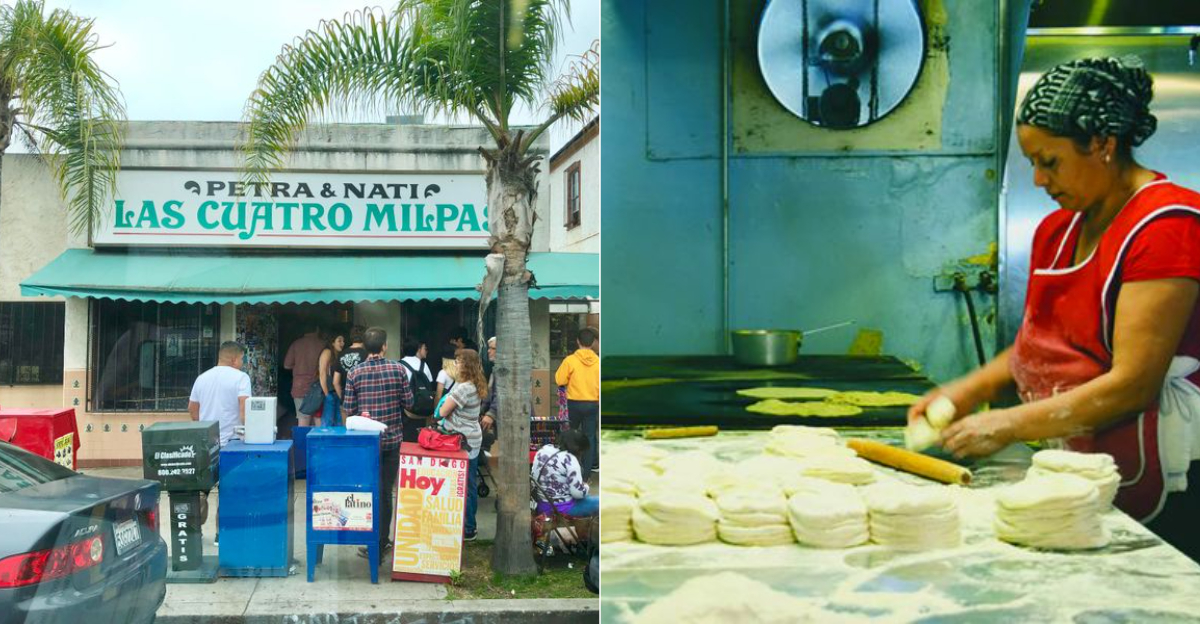
Tucked away in the heart of Barrio Logan, Las Cuatro Milpas has become my personal taco sanctuary ever since I moved to San Diego five years ago.
The very first bite of their handmade tortilla told me everything I needed to know about why locals have been lining up here since 1933. There are no flashy signs, no trendy gimmicks, and no need for modern marketing—the food speaks entirely for itself.
Every taco, every tortilla, every perfectly seasoned bite carries with it nearly a century of tradition, making Las Cuatro Milpas a cornerstone of San Diego’s authentic food culture.
Handcrafted Tortillas That Transform Every Bite
I still remember watching the women behind the counter patting masa into perfect circles, the rhythmic slap-slap-slap like a heartbeat of tradition. These aren’t your store-bought imposters – they’re cloud-soft canvases that cradle each filling with tender respect.
The tortillas arrive warm, with those beautiful brown spots that whisper of proper technique and patient hands. What makes them extraordinary isn’t fancy ingredients but generations of muscle memory passed down through family.
One morning, I watched an elderly gentleman close his eyes as he took his first bite. “This,” he told me with a knowing smile, “is what California tasted like before anyone cared about being Instagram-worthy.”
No-Nonsense Fillings That Honor Tradition
“What meat do you want today?” The question is beautifully simple at Las Cuatro Milpas, where options don’t overwhelm but satisfy. Their carnitas – my personal weakness – pulls apart in tender strands that somehow remain crispy at the edges.
Unlike trendy spots that pile on exotic toppings until you can’t taste the meat, here the proteins are the undisputed stars. The carne asada carries a perfect char, seasoned just enough to enhance its natural flavors.
A food critic friend once scoffed at the simplicity until his first bite. His eyebrows shot up in surprise before he mumbled through a full mouth, “Sometimes the classics become classics for good reason.”
The Legendary Line That Builds Anticipation
Rain or shine, weekday or weekend, the line stretches down Logan Avenue. Tourists often balk at the wait, but locals know better – we chat with neighbors, catch up on community news, and let the anticipation build like a slow-cooking broth.
Cash only. No reservations. No shortcuts. These little inconveniences aren’t bugs but features of the experience. They filter out those seeking instant gratification and reward the patient.
My favorite Tuesday morning ritual involves bringing my laptop to work while in line. I’ve edited entire articles, made friends with regular customers, and even scored a job lead once – all before reaching the counter. The wait isn’t just worth it; it’s part of the magic.
Rolled Tacos That Redefine Crispy Perfection
The first time my teeth shattered through the crispy shell of their rolled tacos, the sound was almost as satisfying as the flavor. These aren’t the soggy, over-sauced flautas found elsewhere – they’re architectural marvels of texture.
Golden-brown cylinders arrive piping hot, the outside crackling like autumn leaves while protecting a steaming core of seasoned potato or shredded beef. A light crown of lettuce, a dollop of sour cream, and their house salsa complete this masterpiece.
“These ruined me for all other rolled tacos,” my sister complained on her visit from Chicago. She now ships their dried chile sauce to her home, a distant echo of the real experience but better than nothing at all.
Family Legacy That Flavors Every Dish
Stepping into Las Cuatro Milpas feels like entering someone’s home kitchen from 1933. Faded family photos line walls that have absorbed decades of cooking aromas, creating an atmosphere no designer could replicate.
The recipes haven’t changed because they’ve never needed to. When the current owners’ grandmother perfected these dishes, she created something timeless. You can taste the heritage in every bite – a direct connection to San Diego’s culinary past.
Last summer, I watched three generations of a family working side by side behind the counter. The youngest couldn’t have been more than sixteen, learning the same techniques her great-grandmother might have used. In a world of constant reinvention, this commitment to continuity tastes remarkably fresh.