
10 Illinois Neighborhood Bakeries That Haven’t Changed in 50 Years
Growing up in Illinois, Saturday mornings were never complete without a trip to our local bakery.
The moment we stepped inside, the warm smell of fresh bread wrapped around us like a hug, the little bell on the door chimed its familiar greeting, and the same friendly faces behind the counter made us feel right at home.
These neighborhood bakeries are more than shops—they’re keepers of tradition, surviving the rise of chain stores and changing food fads while continuing to serve recipes passed down through generations. Join me on a tour of Illinois bakeries where time feels like it has wonderfully stood still.
1. Roeser’s Bakery: Chicago’s Sweetest Time Capsule
Walking into Roeser’s Bakery feels like stepping through a portal to 1911. Four generations of the same family have been frosting cakes and kneading dough in this Humboldt Park landmark for over a century!
The glass cases display the same cream-filled kolaczki and butter cookies that Chicagoans have been enjoying since the Titanic was still being built. Even their vintage neon sign has remained unchanged, glowing with the same warm promise of something sweet inside.
When I bit into their signature German chocolate cake recently, my grandfather nodded knowingly and said, “Tastes exactly the same as it did when I was your age.”
2. Weber’s Bakery: Where Southwest Siders Find Comfort
The moment you push open Weber’s door on Chicago’s Southwest Side, the aroma of fresh-baked goods wraps around you like a grandmother’s hug. Since the 1920s, this family treasure has been serving preservative-free breads and pastries that taste like they were made just for you.
I remember my first paczki from Weber’s during grade school – the perfect balance of sweetness and dough that modern bakeries just can’t replicate. Their recipes haven’t changed because they’ve never needed to.
Locals line up before dawn on holidays, knowing some traditions are worth preserving – including the patience required to wait for Weber’s legendary coffee cakes.
3. Dinkel’s Bakery: Lakeview’s Slice of Old-World Charm
“Save room for stollen!” my grandmother always insisted when we visited Dinkel’s. Joseph and Antonie Dinkel brought their German baking secrets to Chicago in 1922, and thankfully, not much has changed since then.
The wooden floors still creak under your feet as you approach the counter where their famous butter cookies sit in neat rows. Third and fourth-generation bakers still shape pretzels by hand and frost cakes using techniques passed down through whispers and watchful eyes.
During Christmas, their stollen – a fruit-studded holiday bread – sells faster than they can make it, with some families maintaining unbroken purchase streaks going back decades.
4. Trefzger’s Bakery: Peoria’s 160-Year Sweet Tradition
My first thumbprint cookie from Trefzger’s ruined all other cookies for me forever. Established in 1861 when Abraham Lincoln was president, this Peoria Heights institution has survived world wars, depressions, and countless food fads without changing their recipes one bit.
The current owners still use the original wooden rolling pins and butter cutters that their predecessors wielded generations ago. Their strawberry pie – my personal weakness – follows the exact recipe that made them famous during the Civil War era.
“We don’t fix what isn’t broken,” the baker told me with a wink as he slid a fresh tray of those famous thumbprint cookies into the display case.
5. Kruta’s Bakery: Collinsville’s Eastern European Treasure
The Kruta family fled Czechoslovakia after World War I, bringing nothing but their precious family recipes. Setting up shop in Collinsville in 1919, they created a slice of Eastern Europe that still transports you across the Atlantic with one bite.
Their kolaches – fruit-filled pastries that melt in your mouth – remain untouched by modern shortcuts. Last summer, I watched in awe as the current generation of Krutas folded dough using the exact same motions their great-grandparents used a century ago.
During Christmas, locals know to order their traditional povitica (a walnut swirl bread) weeks in advance – the handwritten ticket system hasn’t changed since the bakery opened its doors.
6. B&Z Pastry Shop: Springfield’s Wedding Cake Legacy
My parents’ wedding cake came from B&Z in 1975, and when I got married last year, there was never a question where we’d order ours. Since 1935, this Springfield institution has been creating European-inspired masterpieces that taste as good as they look.
The whipped cream cakes that made them famous during the Great Depression still use the same recipe – light as air and not too sweet. Current owner Maria still uses her grandfather’s original piping bags for decorating, insisting that “new tools make different cakes.”
The glass case near the register displays a photo album of wedding cakes spanning decades, with some families appearing in four or five different generations of celebrations.
7. Flesor’s Candy Kitchen: Tuscola’s Sweet Revival
Technically, Flesor’s closed for a while – but when the founder’s granddaughters reopened it in 2004, they painstakingly restored everything to its 1901 glory. Walking in feels like time travel: marble counters, wooden booths, and candy recipes unchanged since Theodore Roosevelt was president.
The hand-dipped chocolates still use the original copper kettles and marble slabs for tempering. I watched in fascination as Devon Flesor Story used her grandfather’s tools to create turtle candies exactly as he did a century ago.
The soda fountain still serves phosphates and ice cream sodas mixed by hand – complete with the original squeaky stools where generations of Tuscola residents have spun while waiting for their treats.
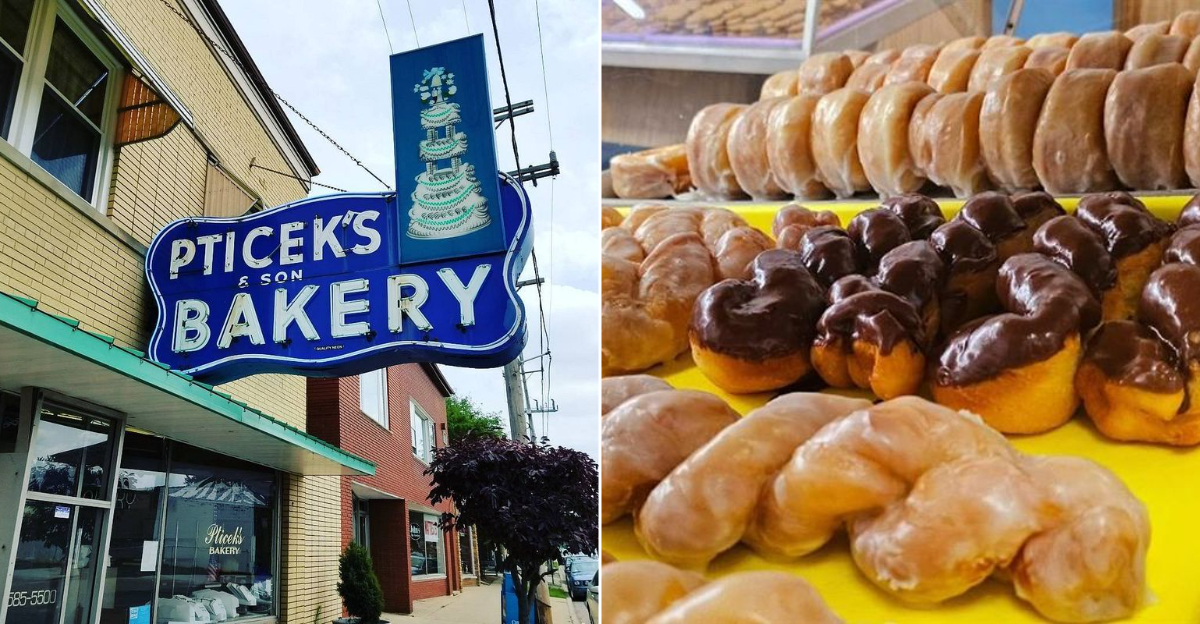
8. Pticek & Son Bakery: Chicago’s South Side Time Machine
The screen door at Pticek’s still slams with the same satisfying bang I remember from childhood visits with my grandmother. Since 1949, this South Side gem has been turning out Croatian potica, breads, and cookies that taste like they’re straight from the old country.
Nothing has been computerized here – every loaf is shaped by hand and baked in the original brick ovens that give their crusts that distinctive crackle. Last Christmas Eve, I stood in line for two hours alongside neighbors who’ve been making this pilgrimage for decades.
“My father would recognize everything we make today,” owner Bob Pticek told me while wrapping my rye bread in the same white paper they’ve always used – no plastic, no barcodes, just tradition.
9. Jarosch Bakery: Elk Grove Village’s Generational Sweet Spot
“Take a number and wait your turn” – the system at Jarosch hasn’t changed since 1959, and neither have their recipes. Three generations of the Jarosch family have been creating European-style pastries, breads, and cakes that locals plan their weekends around.
The butter cookies that first made them famous still use the same cookie press that founder Herbert Jarosch brought from Germany. During my recent visit, I spotted handwritten recipe cards yellowed with age but still in active use.
Their signature almond horns – my personal addiction – require three days to make properly, a timeline that hasn’t been shortened despite modern bakery trends toward quick turnover. Some things simply can’t be rushed.
10. Sweet Dreams Bakery: Carbondale’s Hidden Gem
College students at Southern Illinois University have been fueling late-night study sessions with Sweet Dreams’ massive cinnamon rolls since 1968. The tiny shop tucked between modern storefronts looks almost exactly as it did when it opened – right down to the handwritten menu board and cash-only policy.
Owner Martha Wilson still arrives at 2 AM to start the day’s baking, using the same mixers that her parents purchased when they opened. The recipe books – splattered with five decades of ingredients – remain the bakery’s most valuable possession.
When I asked about adding credit card machines, Martha laughed and said, “We’ve survived this long without them!” Their stubborn commitment to doing things the old way keeps customers coming back for more.