
15 Scandinavian Treats Still Found In North Dakota Kitchens
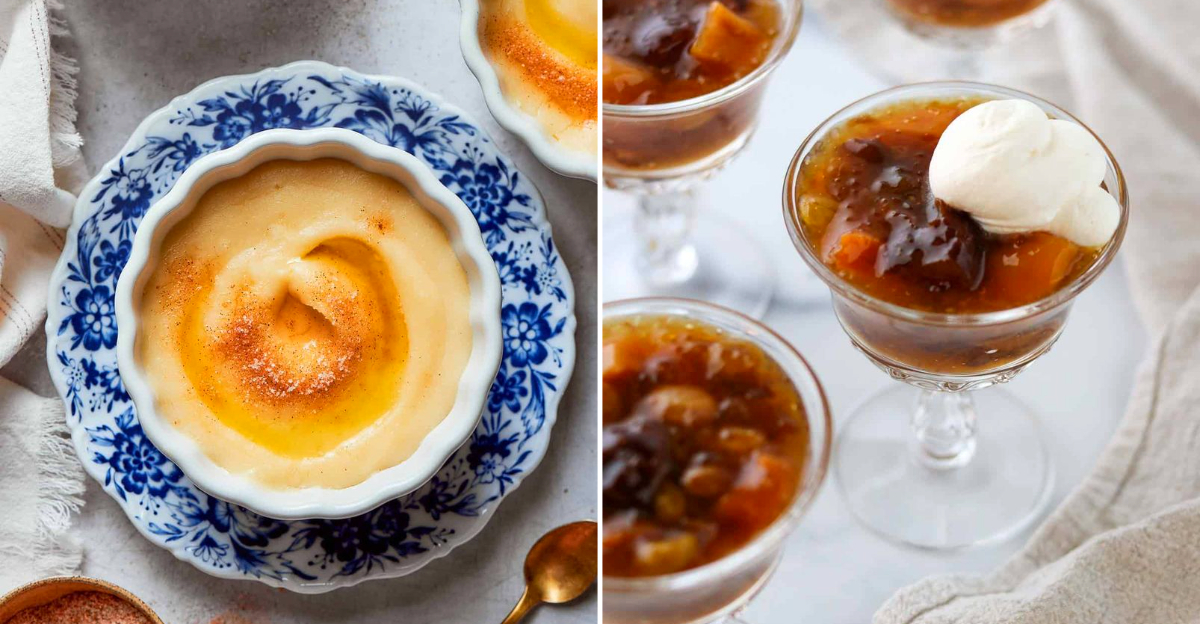
North Dakota’s kitchens hold delicious secrets passed down through generations of Scandinavian immigrants. When Norwegian, Swedish, and Danish settlers arrived in the late 1800s, they brought recipes that have become woven into the state’s food traditions.
These sweet and savory treats appear at church suppers, holiday gatherings, and family celebrations, keeping cultural connections alive with every buttery bite.
1. Lefse: The Potato Flatbread Everyone Fights Over
Grandmas across North Dakota still roll out this paper-thin potato flatbread on special cloth-covered boards. The delicate rounds cook quickly on a hot griddle before getting slathered with butter and sprinkled with cinnamon sugar.
My own grandmother could roll lefse so thin you could read a newspaper through it. She’d laugh when we kids would sneak pieces before dinner, pretending not to notice the sugar trails on our shirts.
Nowadays, lefse-making demonstrations draw crowds at Høstfest in Minot, where the buttery aroma fills exhibition halls as visitors line up for a taste of this beloved Norwegian staple.
2. Krumkake: Delicate Cones of Crispy Perfection
These intricate Norwegian cookies require special irons that imprint beautiful patterns onto paper-thin batter. While still warm, the cookies are quickly wrapped around a wooden cone to create their distinctive shape.
Making krumkake is something of a competitive sport among North Dakota bakers. The thinner and more perfectly patterned, the better your reputation at the church bake sale.
Filled with whipped cream or simply dusted with powdered sugar, these fragile treats demand careful eating techniques to avoid what locals jokingly call “krumkake shower” – when they shatter at first bite.
3. Rosettes: Fried Snowflakes That Melt in Your Mouth
Creating these delicate fried cookies requires special iron molds dipped in batter, then submerged in hot oil. The result? Crisp, lacy treats that resemble snowflakes or flowers, perfect for North Dakota winters.
Each family guards their rosette recipe like treasure. Some swear by adding a splash of brandy to the batter, while others insist on pure vanilla extract.
I remember watching my aunt make these every Christmas, her kitchen counter lined with paper towels catching the excess oil as she dusted each golden rosette with powdered sugar before carefully arranging them in tins.
4. Sandbakkels: Tiny Tart Shells With Big Flavor
These buttery, almond-scented cookies are pressed into fluted metal tins to create perfect little tart shells. The name translates to “sand tarts” because of their crumbly, sandy texture that practically dissolves on your tongue.
North Dakota bakers often fill them with jam, lemon curd, or whipped cream, though purists insist they’re best enjoyed plain. The distinctive tins are treasured family heirlooms, passed down through generations.
You’ll find these at holiday cookie exchanges across the state, where they’re always among the first to disappear from the table.
5. Fattigmann: The “Poor Man’s Cookie” That’s Rich in Flavor
Don’t let the humble name fool you – these cardamom-spiced, diamond-shaped cookies require skill to make. The dough is rolled thin, cut into diamonds, and then a slit is made in the center through which one end is pulled to create their signature knot shape.
After a quick bath in hot oil, they’re dusted with sugar while still warm. The cardamom aroma fills North Dakota kitchens during the Christmas baking season.
Back in my college days, my roommate’s Norwegian grandmother shipped us a tin of these cookies every December. We’d ration them carefully, making them last until finals were over.
6. Rømmegrøt: Cream Porridge That Sticks to Your Ribs
This rich porridge looks deceptively simple but requires patience and technique. Made from sour cream, butter, flour, and milk, it’s cooked slowly until velvety smooth. North Dakotans serve it topped with melted butter, cinnamon, and sugar.
At Minot’s Høstfest, volunteers make hundreds of gallons to meet demand. The hearty dish was originally created to celebrate special occasions like weddings and christenings.
A single bowl can warm you through the harshest prairie winter, though locals joke you might need a nap afterward due to its rich, comforting heaviness.
7. Fruktsuppe: Sweet Soup That Confuses First-Timers
North Dakota children often remember their first encounter with this curious dish – is it soup? Dessert? Both? This sweet medley of dried fruits simmered with cinnamon sticks and tapioca pearls appears at holiday tables across the state.
Served warm or chilled, fruktsuppe features prunes, raisins, apricots, and sometimes apples. The deep ruby-colored broth carries hints of cinnamon and vanilla.
Church suppers throughout the state still feature this traditional dish, especially in communities with strong Norwegian roots. Some modern cooks add a splash of red wine for depth, though they might not admit it to their Lutheran pastor!
8. Kransekake: The Towering Ring Cake of Celebration
Nothing says “special occasion” in North Dakota’s Scandinavian communities like this showstopping tower of graduated almond ring cookies. The rings are stacked from largest to smallest, creating a cone-shaped masterpiece held together with royal icing.
Making kransekake requires precision – each ring must hold its shape while baking. Traditional decorations include tiny Norwegian flags and sometimes sparklers for wedding celebrations.
I watched my cousin’s wedding kransekake collapse in slow motion when the air conditioning failed during a July reception. Everyone laughed, grabbed pieces from the fallen tower, and declared it the best they’d ever tasted.
9. Julekake: Christmas Bread Scented With Cardamom
The aroma of this festive bread baking signals holiday preparations in many North Dakota homes. Studded with candied citrus peel, raisins, and sometimes almonds, julekake’s distinctive flavor comes from cardamom – the signature spice of Scandinavian baking.
Sliced thin and served with butter or brunost (brown cheese), this slightly sweet bread appears at breakfast tables throughout December. Some families serve it toasted on Christmas morning.
Local bakeries across the state start taking orders for julekake weeks before Christmas, though many insist homemade versions from yellowed family recipe cards taste infinitely better.
10. Kringle: The Pretzel-Shaped Pastry That Takes Days to Make
This labor-intensive Danish pastry has found a permanent home in North Dakota. Many Danish-style kringle makers build up to 36 buttery layers over roughly three days, resulting in a flaky oval pastry filled with almond paste or fruit preserves and topped with icing.
While some North Dakotans still make kringle from scratch, others gratefully accept shipments from Wisconsin bakeries famous for the treat. The pastry pairs perfectly with coffee during long winter afternoons.
Fargo’s Sons of Norway lodge serves kringle at special events, where slices disappear faster than volunteers can cut them. The pretzel shape symbolizes the baker’s guild in Denmark, though most American versions are oval.
11. Norwegian Waffles: Heart-Shaped Breakfast of Champions
Unlike their American counterparts, these tender, cardamom-scented waffles are heart-shaped and much thinner. North Dakota families serve them with sour cream and lingonberry jam or the polarizing brown cheese called brunost.
The distinctive irons that create the heart pattern are treasured kitchen tools, often brought from Norway by immigrant ancestors. The batter contains sour cream, giving the waffles a tender texture and slight tang.
Fargo’s Kringen Lodge hosts regular Norwegian Waffle Nights where these treats are served hot off the iron. One elderly gentleman told me he’d driven 60 miles just for a taste that reminded him of his grandmother’s kitchen.
12. Pepperkaker: Spice Cookies That Hang From Trees
These thin, crisp gingerbread cookies pack a flavorful punch with ginger, cinnamon, cloves, and black pepper. North Dakota bakers roll the dough paper-thin before cutting it into hearts, stars, and traditional Nordic shapes like horses and pigs.
Many families string pepperkaker with red ribbon to hang on Christmas trees, a tradition brought directly from Norway. The spicy aroma fills homes throughout December.
Some North Dakota schools still teach children to make these cookies as part of cultural heritage lessons. The dough must be chilled thoroughly – a lesson in patience for eager young bakers waiting to cut out their favorite shapes.
13. Scandinavian Almond Cake: The Simple Loaf With Devoted Fans
This humble, ridged loaf cake has a cult following across North Dakota. Made in a distinctive scalloped pan, the dense, buttery cake features almond extract that perfumes each slice. Its simplicity is precisely what makes it special.
Served with coffee during afternoon fika breaks, this cake needs no frosting or fancy decoration. The traditional pan creates elegant ridges that make each slice look more sophisticated than the simple recipe suggests.
Stabo Scandinavian Imports in Fargo can barely keep the special pans in stock before Christmas, as they’ve become popular gifts for new brides and anyone with Scandinavian heritage.
14. Riskrem: Rice Pudding Dressed Up for the Holidays
Cold winter evenings in North Dakota call for this festive dessert that transforms leftover rice porridge into something special. Chilled rice pudding gets folded with whipped cream, then topped with a vibrant red berry sauce made from strawberries or raspberries.
Traditionally, one almond is hidden in the riskrem bowl. Whoever finds it receives a small gift – and good luck for the coming year.
The contrast of cold, creamy pudding with warm berry sauce creates the perfect finale to holiday meals. Many families serve it in their best crystal bowls, making the humble rice dessert feel truly special.
15. Spritz: The Cookie Press Masterpiece
North Dakota grandmothers can produce hundreds of these buttery little cookies in a single afternoon using a cookie press. The special tool forces dough through decorative discs, creating perfect flowers, trees, and wreaths that hold their shape while baking.
Flavored with almond extract or vanilla, spritz cookies are often tinted green or red for Christmas. Some bakers add colored sugar or a single red hot candy as decoration.
The name comes from the German word “spritzen,” meaning “to squirt” – exactly what happens when using the press. These cookies are a staple at every holiday cookie exchange across the state, prized for their melt-in-your-mouth texture.