
10 North Carolina BBQ Terms That Outsiders Always Get Wrong
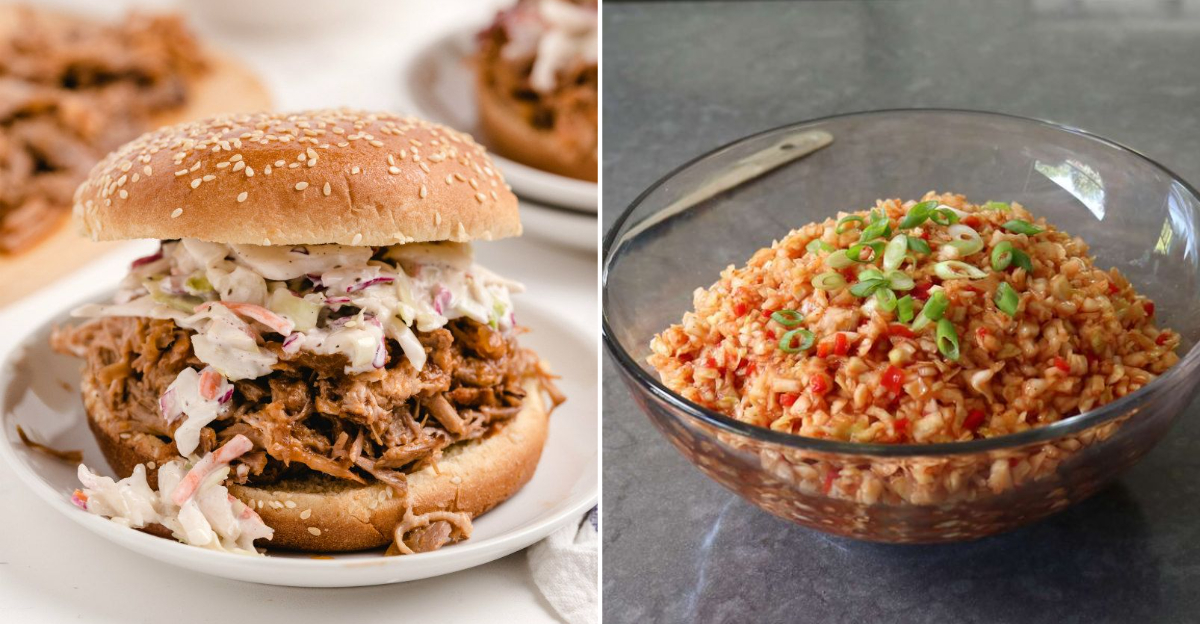
North Carolina takes barbecue seriously, and the language around it can trip up even seasoned food lovers. From sauce styles to serving methods, each term carries decades of tradition and regional pride.
Getting these words wrong at a local joint might earn you some puzzled looks from the pitmaster. Master these ten essential terms and you’ll sound like a true Carolina barbecue insider.
1. Lexington-Style
Most folks think all North Carolina barbecue tastes the same, but Lexington-style tells a different story entirely. This western Carolina tradition focuses on pork shoulder instead of whole hog cooking.
The signature touch comes from that tangy vinegar-tomato dip that gets brushed on during cooking. People often call it sauce, but locals know better than that simple mistake.
Real Lexington joints serve this style with red slaw and hushpuppies for the complete experience every time.
2. Eastern-Style
Eastern Carolina barbecue purists will tell you that anything less than whole hog isn’t real barbecue at all. This traditional method uses every part of the pig for maximum flavor and authenticity.
The sauce stays simple with just vinegar, salt, pepper, and red pepper flakes mixed together perfectly. No tomato products ever make it into this sacred recipe that’s been passed down for generations.
White slaw typically accompanies this style instead of the red version found out west.
3. Dip
Calling it sauce will immediately mark you as an outsider in Lexington barbecue circles across the region. Dip describes that magical vinegar-tomato mixture that makes western Carolina barbecue so special and distinctive.
Pitmasters brush this dip directly onto the meat while it cooks low and slow. Some joints serve extra dip on the side for those who want more tangy flavor.
The consistency stays thinner than typical barbecue sauce, making it perfect for soaking into chopped pork.
4. Red Slaw
Forget everything you know about creamy coleslaw because red slaw plays by completely different rules in Lexington. This cabbage creation gets its color and tang from that same vinegar-tomato dip used on the meat.
No mayonnaise appears anywhere in this recipe, making it lighter and more acidic than regular slaw. The red color comes naturally from mixing cabbage with the tomato-based dip that defines western style.
Many barbecue trays include this slaw as the standard accompaniment to chopped pork.
5. White Slaw
Eastern Carolina keeps things traditional with mayonnaise-based coleslaw that most people recognize from summer cookouts everywhere. This creamy version provides a cooling contrast to the vinegar punch of eastern barbecue sauce.
The white color comes from good old-fashioned mayo mixed with shredded cabbage and seasonings. Some places add a touch of sugar or vinegar to balance the richness perfectly.
This familiar slaw style helps newcomers ease into the bold flavors of authentic Carolina barbecue traditions.
6. Hushpuppies
These golden cornmeal spheres aren’t just random fried food, but an essential part of any proper Carolina barbecue meal. Deep-fried until crispy outside and fluffy inside, hushpuppies soak up barbecue juices beautifully.
The batter typically includes cornmeal, flour, and seasonings mixed with liquid to form small balls. Some joints add onions or other secret ingredients to make their hushpuppies stand out from competitors.
Eating barbecue without hushpuppies feels incomplete to most North Carolina natives who grew up with this combination.
7. Barbecue Sandwich
Simple yet perfect describes this Carolina classic that puts chopped pork on a soft bun with slaw on top. The meat gets chopped fine rather than pulled into long strands like other regional styles prefer.
Most joints automatically add slaw to barbecue sandwiches unless you specifically request otherwise from the server. The cool, crunchy slaw balances the warm, smoky pork in every single bite you take.
Some places offer both white and red slaw options depending on their regional barbecue style and customer preferences.
8. Tray
Lexington barbecue joints serve trays as the ultimate way to experience their chopped pork without any bread getting in the way. This plate presentation lets the meat shine as the true star of the meal.
A proper tray includes chopped pork, red slaw, and either hushpuppies or french fries as standard sides. The absence of a bun means you taste the barbecue and dip combination more intensely with every forkful.
Many locals prefer trays over sandwiches because they get more meat for their money this way.
9. Chopped Vs. Pulled
The great debate between chopped and pulled pork divides Carolina barbecue lovers into passionate camps with strong opinions. Chopped pork gets cut into small, uniform pieces using cleavers or knives for consistent texture throughout.
Pulled pork gets hand-shredded into longer strands that maintain more of the meat’s natural grain and fiber. Eastern joints typically favor chopped, while some western places offer both preparation styles to customers.
Each method creates different sauce absorption and eating experiences that loyal fans defend fiercely.
10. Skin Or Cracklin’
Crispy pork skin mixed into chopped barbecue adds texture and flavor that separates amateur joints from the real deal operations. These golden bits come from the outer layer of the pig that gets crispy during long smoking sessions.
Eastern-style places especially pride themselves on including skin pieces throughout their chopped pork offerings. The contrast between tender meat and crunchy skin creates an amazing textural experience in every bite you enjoy.
Some customers specifically request extra skin while others prefer their barbecue without these traditional additions completely.