
The Forgotten Florida Resort That Locals Swear Was Once Paradise
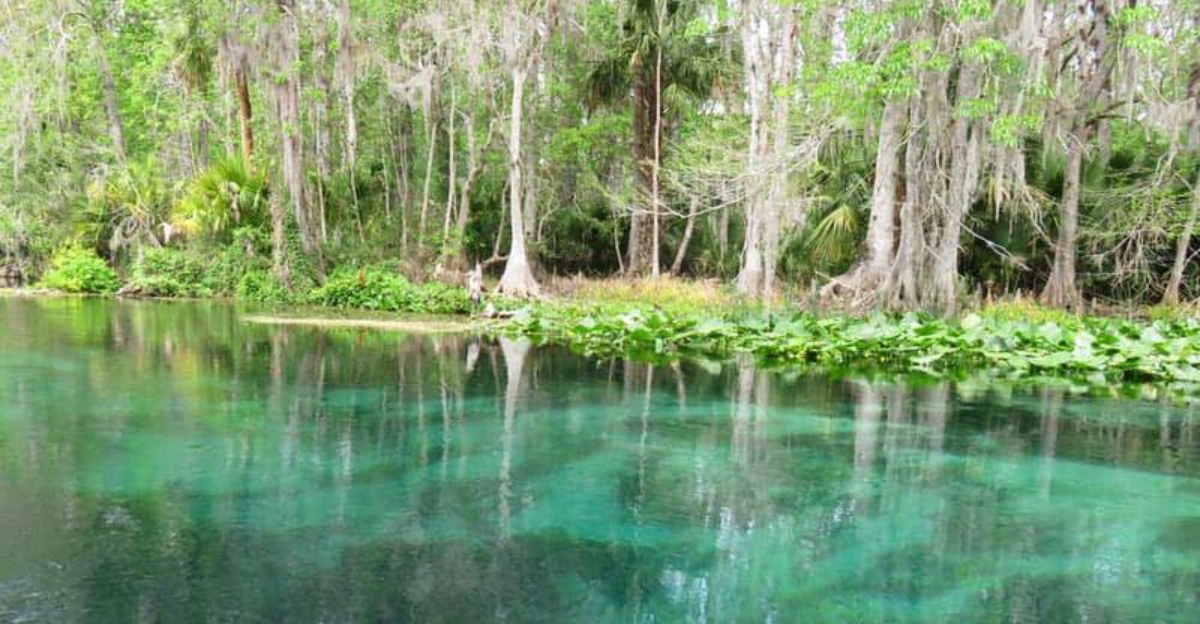
Nestled along the crystal-clear waters of Silver Springs, Paradise Park once stood as a haven for Black Americans during segregation. From 1949 to 1969, this enchanting resort offered a rare escape where families could enjoy Florida’s natural beauty without constant shadows of discrimination.
I discovered this forgotten landmark while gathering my grandparents’ stories about places that shaped their youth—spaces where joy flourished despite narrow boundaries. Glass-bottom boat rides, picnic groves, and music on summer evenings stitched memories that shimmer.
Remembering Paradise Park honors resilience, preserves history, and reminds us that wonder, when shared freely, can become an act of courage.
Magical Boat Tours Over Pristine Waters
I’ll never forget the sparkle in my neighbor Mrs. Johnson’s eyes when she described those glass-bottom boats gliding over Silver River. “Like floating on air above another world,” she told me, clutching her lemonade with both hands.
Visitors marveled at silvery fish darting between underwater plants and sunlight dancing through the crystal-clear springs. These weren’t just boat rides – they were windows into Florida’s aquatic soul.
Children would press their faces against the glass, pointing excitedly at turtles and occasional rays. For many Black families in the 1950s and 60s, it represented their first chance to experience Florida’s underwater wonders up close.
A Sandy Oasis When Beaches Were Off-Limits
The beach at Paradise Park wasn’t just sand and water – it was freedom in its purest form. Black families who were barred from most Florida beaches found their own slice of paradise here.
Picture it: children building sandcastles while parents relaxed under shade trees, everyone breathing easier away from the tension of segregated spaces. The carefully landscaped grounds featured picnic pavilions where multiple generations gathered for Sunday meals.
My barber still chuckles about how he proposed to his wife right there on that sandy shore in 1962. “Best decision I ever made,” he says, “in the prettiest place we were allowed to swim.”
Entertainment Beyond Just Swimming
Who needs Disney when you’ve got jungle cruises and exotic animals right in your backyard? Paradise Park wasn’t content just offering swimming – it created a full-day experience that rivaled any attraction in Florida!
Jungle-cruise boat rides transported visitors through lush, winding waterways where guides pointed out wildlife and told tall tales. A mini-zoo housed creatures that made children’s eyes widen with wonder.
Community events transformed ordinary weekends into celebrations. Beauty pageants crowned local queens, baptisms blessed souls in the sacred waters, and holiday concerts filled the air with music that seemed to make even the cypress trees sway in rhythm.
A Destination That Drew Visitors From Afar
License plates from Georgia, Alabama, and even New York lined the parking area on summer weekends. Paradise Park wasn’t just some local swimming hole – it was a landmark on the map of Black America during segregation.
Families planned entire vacations around visiting this oasis. They packed station wagons with coolers and suitcases, driving hundreds of miles for the chance to experience what locals already knew was special.
My aunt still has the souvenir postcard she sent her cousin in 1956: “Wish you were here in ACTUAL paradise! The water is so clear you can count the scales on the fish. Worth every mile of our journey.”
The Bittersweet Impact of Desegregation
Progress came with an unexpected price tag attached. When desegregation finally opened the doors to Silver Springs for Black visitors, Paradise Park faced a cruel irony – the very freedom people had fought for ultimately led to the park’s decline.
Attendance numbers dropped as families explored newly accessible attractions. The bitter truth? Integration expanded options but sacrificed this cultural sanctuary in the process.
Mrs. Taylor, who worked at the snack bar for 15 years, told me with misty eyes: “We celebrated when segregation ended, of course we did. But we also mourned what we lost – a place that was truly ours, built for us, where we never felt like second-class citizens.”
Nature Reclaiming What Once Was Ours
Mother Nature doesn’t care about human history. She simply takes back what was always hers when we turn our backs.
After closing in 1969, Paradise Park quickly surrendered to Florida’s relentless greenery. Buildings that once echoed with laughter now crumbled quietly under vines and roots. The dance pavilion where countless couples fell in love disappeared beneath a blanket of palmettos and pine needles.
Walking those grounds today feels like trying to hear whispers from another era. I traced what might have been a pathway to the beach, finding only hints of human touch – a fragment of concrete, the phantom outline of a foundation barely visible beneath the undergrowth.
The Living Legacy in Local Memory
“That place saved my childhood.” Mr. Washington doesn’t mince words when he speaks of Paradise Park. At 87, his memories remain technicolor-vivid while the physical place has faded to gray.
Local elders transform into storytellers when Paradise Park enters the conversation. They describe baptisms where the river seemed to glow with divine light. They recall beauty contests where young women showcased talents and dreams beyond what society expected of them.
The 2016 historical marker stands as a small victory against forgetting. But the true monument exists in stories passed down, in community archives of photographs, and in the fierce pride of those who remember when a segregated paradise proved that joy could flourish even in the shadow of injustice.