
This Old Pennsylvania Steel Town Still Shows The Scars Of The Past
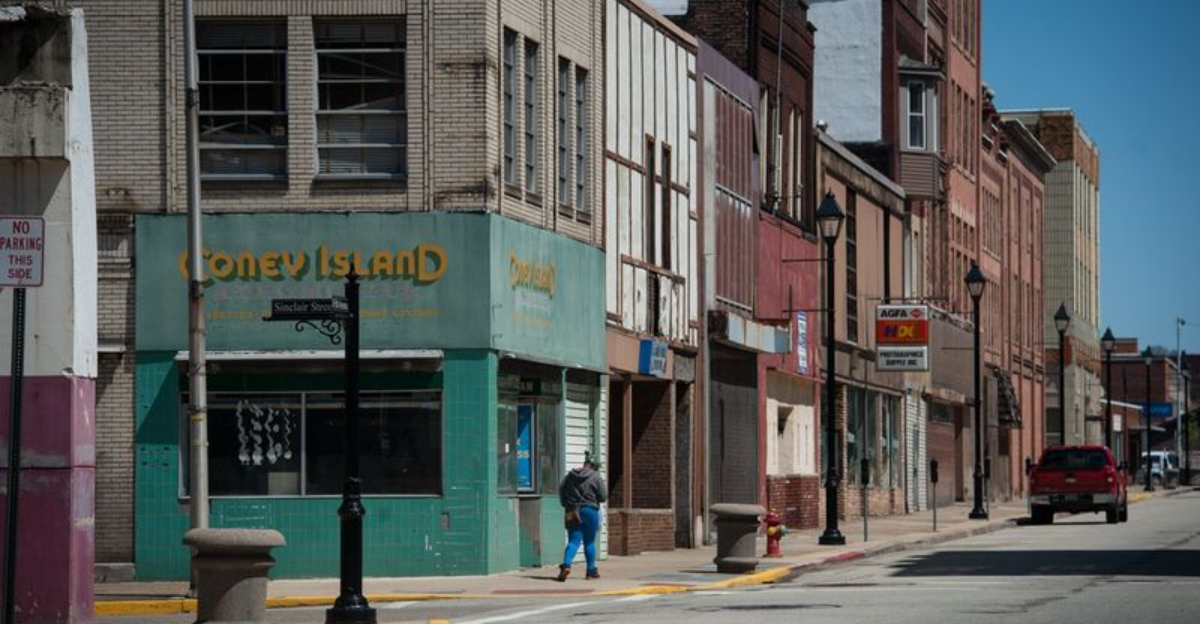
Growing up near McKeesport, I watched a once-mighty steel town transform before my eyes. The massive mills that employed thousands now stand silent, their rusted skeletons casting shadows over neighborhoods that remember better days.
What happened wasn’t merely an economic shift; it was a rupture in identity, a severing of purpose for generations of hardworking Pennsylvanians.
Paychecks disappeared, corner bars emptied, Friday night lights dimmed, and family stories began to sound like folklore. Yet pride lingers in porch conversations and union jackets saved in closets. We carry the grit forward, honoring the past while searching, stubbornly, for what comes next.
A Town Forged in Steel: McKeesport’s Rise
Walking McKeesport’s streets today, I can still feel echoes of its industrial heartbeat. The town flourished along the Monongahela River, perfectly positioned near abundant coal and iron deposits.
National Tube Works once employed over 10,000 workers here, producing steel pipes that built America. Families flocked to find good-paying jobs, building tight-knit neighborhoods where mill whistles marked the rhythm of daily life.
During WWII, McKeesport’s furnaces blazed around the clock, supplying critical materials for the war effort. The population peaked at nearly 55,000 in the 1940s – triple what it is today.
When the Boom Faded: Deindustrialization’s Blow
My grandfather still talks about the day the mill gates closed for good. Foreign competition hit McKeesport like a sledgehammer in the late 1970s. Cheaper steel flooded American markets while outdated equipment made local production increasingly costly.
The numbers tell a heartbreaking story. Nearly 15,000 steel jobs vanished within a decade. Families who’d worked the mills for generations suddenly faced unemployment lines.
I remember Main Street’s transformation – from bustling storefronts to plywood-covered windows. The economic ripples spread fast: hardware stores, diners, and clothing shops shuttered as purchasing power evaporated.
Rusted Landmarks: Industrial Ghosts Haunt the Landscape
Massive concrete foundations stand like ancient ruins where mills once roared. During my last visit, I photographed the skeletal remains of the National Works – twisted metal and crumbling brick monuments to a vanished era.
The old Carnegie Library still watches over downtown, its grandeur a reminder of philanthropic wealth generated by steel. But turn any corner and you’ll find vacant lots where worker housing once stood, now reclaimed by nature.
Most haunting are the railway spurs – tracks to nowhere that once carried raw materials and finished products. They now disappear into overgrown brush, rusted rails pointing toward prosperity that left decades ago.
Environmental Wounds That Never Healed
The riverbanks tell stories of industrial excess. Brownfields – contaminated former industrial sites – dot McKeesport’s map like environmental scars. My cousin’s environmental science class tests soil samples here, consistently finding heavy metal concentrations above safe levels.
Old-timers remember when the Monongahela ran orange with iron oxide discharge. While visibly cleaner today, decades of pollution remain trapped in river sediment.
The health consequences linger too. McKeesport’s cancer rates exceed state averages, particularly for respiratory ailments. Many attribute this to years of breathing air filled with particulates from mill operations that ended decades ago.
Population Exodus: The People Left Behind
Mrs. Kowalski, my childhood neighbor, refuses to leave her century-old home despite being surrounded by vacant properties. McKeesport’s population has plummeted from 55,000 to barely 19,000 today – a staggering 65% decline.
Young people graduate and immediately leave. My high school reunion last year had just fifteen attendees; everyone else scattered across America seeking opportunity.
Those who remain are predominantly elderly or lack resources to relocate. The median age has climbed to 45 – significantly above Pennsylvania’s average. This demographic shift created a spiral of challenges: shrinking tax base, reduced services, and fewer businesses seeing McKeesport as viable.
Economic Aftershocks: Poverty’s Persistent Grip
The corner store where I bought penny candy now serves as an impromptu community center. With unemployment hovering around 12% – double the state average – McKeesport’s economic pain remains acute.
Housing values tell the story clearly. My parents’ modest three-bedroom home, purchased for $65,000 in 1982, sold last year for just $42,000. Nearly 30% of residents live below the poverty line, struggling with food insecurity and limited healthcare access.
Public services strain under diminished resources. The police force operates with half the officers it had in the 1970s despite rising crime rates. Schools consolidate as enrollment drops, leaving historic education buildings abandoned.
Resilient Spirits: Community Fighting for Revival
Despite overwhelming challenges, McKeesport refuses to surrender. The Community Garden Project transformed an old mill site into productive green space where I volunteer monthly. Neighbors grow fresh vegetables while teaching children about sustainability and healthy eating.
Local entrepreneurs like Maria Delsante inspire hope. She converted her grandfather’s old hardware store into a thriving café that showcases regional history through photographs and artifacts.
The RIDC industrial park represents larger-scale revival efforts, attracting smaller manufacturing operations to repurposed facilities. While not matching steel’s former economic might, these initiatives provide crucial employment opportunities and demonstrate McKeesport’s unyielding determination to forge a new identity from its industrial ashes.