
12 Tiny Islands In Maine That Feel Like A World Away
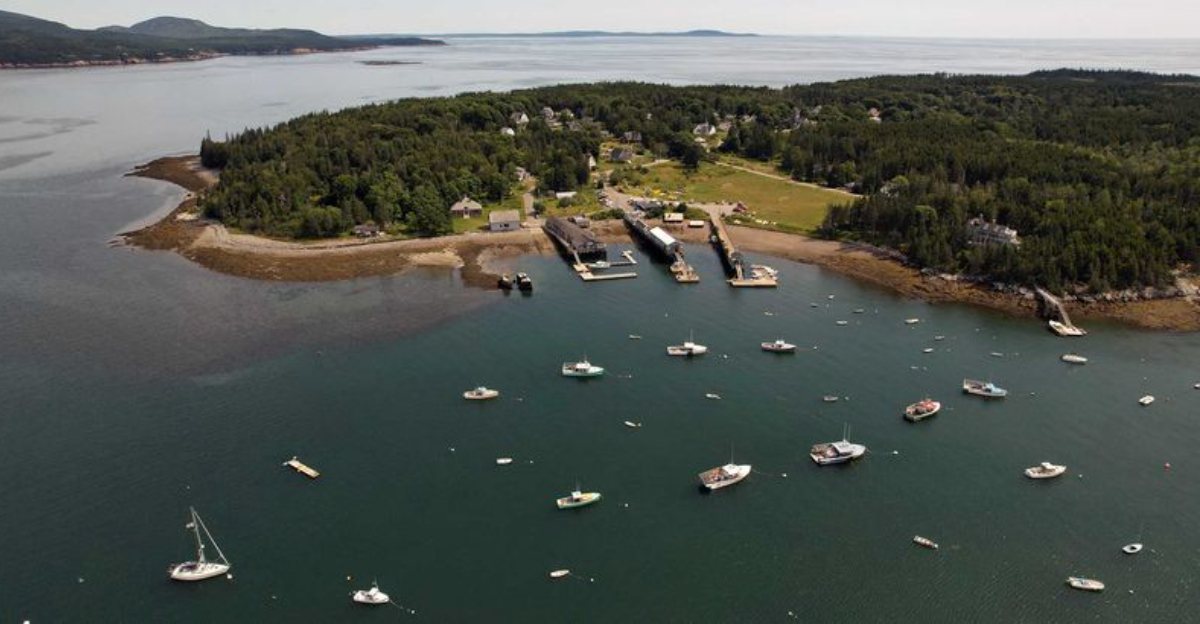
Maine’s jagged shoreline is dotted with small islands that feel like worlds of their own, perfect for stepping away from the rush of daily life. Some are wild stretches of rock and forest swept by sea winds, others hold lighthouses that have guided sailors for generations.
Getting there might mean hopping on a ferry, chartering a boat, or paddling out by kayak, but the reward is worth it – quiet trails, seabird colonies, salty breezes, and the kind of calm you won’t find in crowded spots on the mainland.
1. Monhegan Island
Artists have flocked to this rugged paradise for over a century, drawn by dramatic sea cliffs and ever-changing light. Located ten miles off the mid-coast, Monhegan feels like stepping back in time with its car-free roads and weathered fishing shacks.
Miles of rocky footpaths wind through wild landscapes maintained by dedicated island stewards. The trails demand sturdy boots and patience, but reward hikers with breathtaking ocean vistas and hidden coves.
Plan your visit carefully since rocky terrain makes exploring slower than expected, but the peaceful atmosphere makes every careful step worthwhile.
2. Isle au Haut (Acadia National Park)
Wild shoreline and quiet woods make this Acadia outpost feel completely untamed compared to Mount Desert Island’s busier trails. Reaching this remote section requires a seasonal ferry ride from Stonington, adding to its sense of isolation.
Limited park infrastructure means fewer crowds but also fewer amenities, so self-sufficient adventurers thrive here. The backcountry campground at Duck Harbor offers overnight stays for those wanting extended wilderness time.
Bring everything you need since services are practically nonexistent, but the pristine landscapes and solitude make the extra planning absolutely worth the effort.
3. Matinicus Island
Twenty-three miles offshore sits Maine’s most remote ferry-served community, where big ocean horizons stretch endlessly in every direction. The infrequent ferry schedule from Rockland adds to the island’s mystique and requires careful trip planning.
Year-round residents form a tiny but resilient community that has weathered countless storms and seasons. Visitors quickly understand why independence and self-reliance are essential island virtues here.
Bring all necessary supplies since island amenities are minimal, but the authentic maritime atmosphere and endless seascapes create memories that last forever.
4. Frenchboro (Long Island)
Tucked off Mount Desert Island’s southwest corner, this 1,159-acre preserve offers some of Maine’s most peaceful headland hiking. The Maine State Ferry runs select days from Bass Harbor, making timing crucial for visits.
Long, quiet trails wind through diverse landscapes, leading to remote cobble beaches where waves create natural music. Advanced trail sections challenge experienced hikers while rewarding them with spectacular coastal views.
Plan full-day outings since the island’s size and trail complexity deserve unhurried exploration, plus ferry schedules limit your window for thorough adventure.
5. Little Cranberry Island (Islesford)
This charming fishing village just off Mount Desert Island maintains an authentic coastal character despite its proximity to popular destinations. Multiple passenger ferries from Northeast and Southwest Harbor make access relatively easy during operating seasons.
The excellent Islesford Historical Museum showcases fascinating maritime heritage and island life stories. Small-town atmosphere pervades every corner, from weathered docks to tidy island homes.
Museum and facilities operate seasonally, so timing visits properly ensures you experience the island’s cultural treasures alongside its natural beauty and peaceful village charm.
6. Damariscove Island
Private boat or kayak access keeps this land-trust preserve wonderfully uncrowded, rewarding adventurous visitors with pristine meadows and abundant seabird life. The tiny rustic museum adds historical context to your island exploration.
Over two miles of trails wind through diverse habitats where nature thrives undisturbed. Seabirds nest and feed in protected environments that showcase Maine’s coastal ecosystem at its finest.
Day-use only policies and no-pet rules protect the island’s delicate balance, but these restrictions ensure future generations can enjoy this special place exactly as nature intended.
7. Seguin Island
A historic lighthouse station crowns this lonely, windswept isle near the Kennebec River mouth, creating one of Maine’s most atmospheric destinations. Friends of Seguin arrange seasonal charter trips when weather permits safe landings.
The lighthouse’s powerful beam has guided mariners for generations through these treacherous waters. Wind-sculpted landscapes and crashing waves create drama that photographers and nature lovers find irresistible.
Short operating seasons and weather dependence require flexible planning, but confirmed visits reward travelers with lighthouse history and raw coastal beauty that few places can match.
8. Baker Island (Acadia)
Uninhabited and mysterious, this offshore gem near Mount Desert Island offers lighthouse views and historic homestead remnants for intrepid explorers. Tricky landings and no public moorings mean only experienced private boaters should attempt visits.
Strict low-impact policies protect the island’s fragile ecosystems and archaeological features. Historic structures tell stories of past island life while nature slowly reclaims abandoned settlements.
Rangers no longer offer public cruises as of 2025, making private boat access the only option for experiencing this pristine island’s haunting beauty and fascinating history.
9. Appledore Island (Isles of Shoals)
Located in Maine within the Isles of Shoals, this remote research island hosts the renowned Shoals Marine Laboratory with its cutting-edge ocean studies. Public walking tours run by UNH offer rare glimpses into active marine research.
Rocky shores and seabird colonies create natural laboratories where scientists study coastal ecosystems. The island’s isolation makes it perfect for research while providing visitors with pristine wildlife viewing opportunities.
Limited tour capacity and select dates require advance booking, but these educational day trips combine scientific discovery with spectacular island scenery and seabird watching.
10. Eagle Island State Historic Site (Harpswell)
Admiral Robert Peary’s preserved summer home sits majestically in Casco Bay, offering fascinating glimpses into polar exploration history. Water access only adds adventure to visiting this unique state historic site.
Trails wind through the property, providing open-ocean views that inspired one of America’s greatest Arctic explorers. The historic house contains artifacts and exhibits celebrating Peary’s remarkable achievements and island life.
As of 2025, access is limited due to storm damage (no dock; a few moorings); the house/museum remains closed, and trails open later in the season. Leashed pets are permitted.
11. Cliff Island (Casco Bay)
The farthest “down-bay” destination from Portland, this year-round community embraces island simplicity with unpaved roads and minimal commercial development. Casco Bay Lines provides reliable ferry service to Maine’s most remote bay island.
Conserved land and lack of commercial bustle create peaceful environments where island time moves at nature’s pace. The smallest year-round Casco Bay community maintains an authentic coastal character.
Minimal services mean packing snacks and water is essential, but the genuine island atmosphere and conserved landscapes provide authentic Maine coast experiences without tourist crowds.
12. Malaga Island (Phippsburg)
Near the New Meadows River mouth, this Maine Coast Heritage Trust preserve protects both the natural beauty and powerful history of a former fishing community. Private boat or seasonal guided paddles provide the only access to this special place.
Quiet trails reveal stories of resilience and community while showcasing pristine coastal habitats. The island’s history adds depth to natural exploration, creating meaningful connections between past and present.
Leave-no-trace principles and landing at the designated north shell beach ensure this preserve remains protected for future generations to experience and learn from its important legacy.