
7 Cajun And Creole Restaurants In Louisiana Where Gumbo And Jambalaya Still Shine
Louisiana’s culinary heritage isn’t just something you taste—it’s something you feel the moment you step into a kitchen steeped in Cajun and Creole tradition.
In New Orleans, the air itself carries the scent of roux slowly darkening on the stove, mingling with spices that hint at centuries of cultural blending. These restaurants are more than places to eat; they are living testaments to the state’s history, passing down recipes and rituals like heirlooms.
Every bowl of gumbo, every plate of jambalaya, and every po’boy tells a story of resilience, community, and flavor that defines the soul of Louisiana.
1. Dooky Chase’s Restaurant: Where History Meets Flavor
Walking into Dooky Chase’s feels like entering a living museum where food and civil rights history intertwine. Since 1941, this Tremé landmark has served as both restaurant and cultural institution, with walls adorned by African American art collected by the legendary Leah Chase herself.
The Creole gumbo here changed my understanding of depth – dark roux, perfectly seasoned, with just enough heat to make you notice without overwhelming. Their jambalaya strikes that impossible balance between individual flavors and harmonious blend.
Presidents and celebrities have dined here, but locals know it as the place where comfort and excellence share the same plate. Miss Leah’s legacy continues through recipes that speak of struggle, celebration, and perseverance.
2. Cochon: Bayou Cuisine Reimagined
Chef Donald Link’s Cochon transformed my understanding of what Cajun cooking could be. Housed in a renovated warehouse with exposed brick and wooden beams, this restaurant brilliantly bridges rural bayou traditions with modern culinary techniques.
Their gumbo arrives with a scoop of potato salad – the way many Cajun families serve it at home. The andouille sausage, made in-house, delivers that authentic smoky snap that grocery store versions never quite capture.
Last summer, I watched my skeptical Northern relatives fall silent upon tasting their wood-fired cochon de lait. The restaurant’s name means ‘pig’ in French, and their mastery of pork preparations proves they’ve earned the right to claim it.
3. Commander’s Palace: Elegant Creole Traditions
The aqua Victorian mansion in the Garden District had me enchanted before I even tasted the food. Commander’s Palace isn’t just a restaurant – it’s a New Orleans institution that has launched culinary legends like Emeril Lagasse and Paul Prudhomme.
Their seafood gumbo arrives with ceremony, poured tableside from a silver tureen. What struck me was how something so refined could still taste so authentically homespun. The turtle soup represents the pinnacle of Creole sophistication.
Jazz brunch here remains one of my fondest memories – bread pudding soufflé with sauce while a brass band weaves between tables. Commander’s proves that sometimes the most memorable meals come with a side of pageantry.
4. Acme Oyster House: French Quarter Staple
The line outside Acme Oyster House might seem daunting, but trust me – good things come to those who wait. This casual French Quarter mainstay has been serving up unpretentious Cajun and Creole classics since 1910.
Raw oysters may be their claim to fame, but their seafood gumbo stole my heart. Loaded with shrimp, crab and oysters, it delivers that perfect coastal flavor that reminds you exactly where you are. Their jambalaya packs enough andouille punch to wake up your taste buds without setting them on fire.
Sitting at the bar watching shuckers work their lightning-fast magic remains one of New Orleans’ great free shows. The neon sign promises “Oysters R In Season,” and at Acme, satisfaction is always guaranteed.
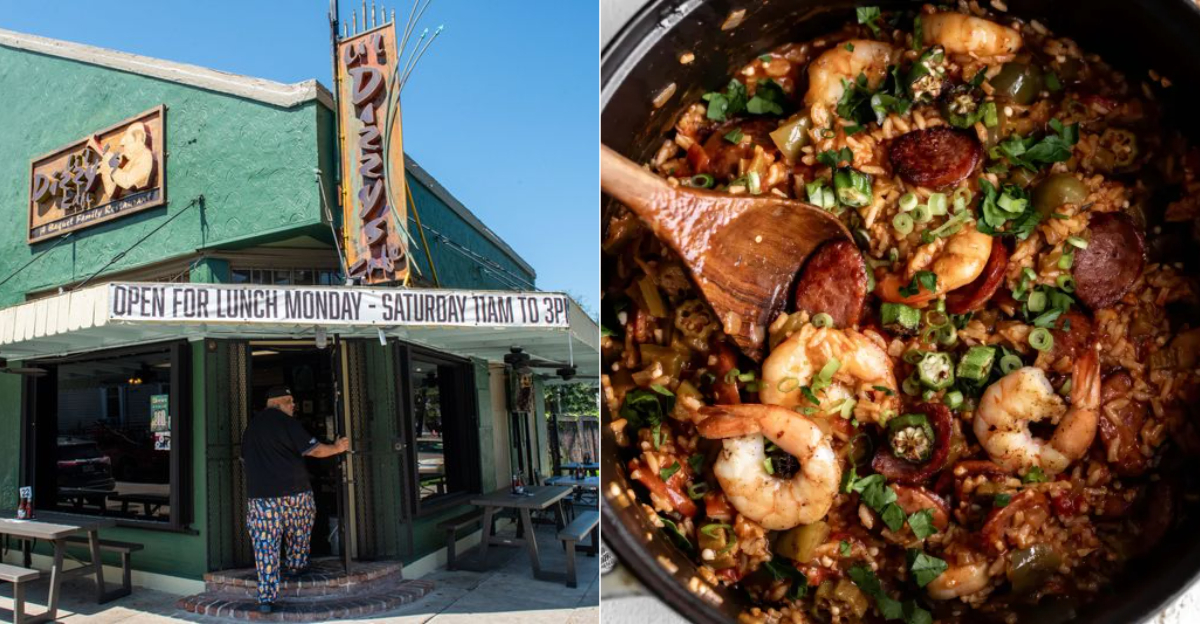
5. Li’l Dizzy’s Café: Tremé’s Hidden Treasure
Sometimes the most memorable meals happen in the most unassuming places. Li’l Dizzy’s Café doesn’t boast fancy decor or tourist crowds – just soul-satisfying Creole cooking that makes locals line up for Sunday brunch.
My first spoonful of their seafood gumbo revealed the careful attention that goes into every pot. Plump shrimp, tender crab, and that perfect roux that can only come from patience and tradition. Their jambalaya arrives steaming hot, with each grain of rice infused with layers of flavor.
Family photos line the walls, and you might spot the owner chatting with regulars who’ve been coming for decades. When a neighborhood restaurant survives in New Orleans, you know they’re doing something extraordinarily right.
6. Zesty Creole: Small Restaurant, Big Flavors
Tucked away on a quiet street far from the tourist maps, Zesty Creole became my personal discovery during a rainy afternoon in New Orleans. The modest storefront belies the culinary magic happening inside this family-owned gem.
Their jambalaya arrives fragrant with the holy trinity of Creole cooking – bell peppers, onions, and celery – sautéed to sweet perfection before meeting the rice. I watched a local firefighter at the next table close his eyes in appreciation with each bite of his gumbo, a testament to authentic flavor.
The chef emerged from the kitchen to check on everyone personally, explaining how her grandmother’s recipes form the backbone of everything they serve. In a city of culinary giants, this intimate spot proves that heart often trumps size.
7. Mother’s Restaurant: No-Frills New Orleans Legend
The faded sign and cafeteria-style line at Mother’s Restaurant might not scream culinary destination, but locals know better. Since 1938, this downtown institution has been serving honest, unfussy New Orleans fare that keeps generations coming back.
Jerry’s Jambalaya became my go-to comfort food – hearty, perfectly seasoned, and generous enough to fuel a full day of French Quarter wandering. Their seafood gumbo achieves that elusive balance between thickness and fluidity, with enough seafood to make each spoonful a treasure hunt.
The walls covered in newspaper clippings and photos tell the story of a restaurant that’s weathered hurricanes, depressions, and changing culinary trends without ever compromising its soul. At Mother’s, you’re not just eating history – you’re participating in it.