
11 Maryland Foods That Outsiders Always Mispronounce (But Locals Know Instantly)
Maryland has its own flavorful language, and newcomers often trip over the words before they ever taste the food. Locals, on the other hand, rattle off these names as smoothly as butter melting on a crab cake.
Think century-old cookies with tricky spellings and iconic seafood seasonings that outsiders can never quite say right.
These tongue-twisters aren’t just treats – they’re a quick way to tell who’s truly earned their Maryland stripes.
1. Berger Cookies
Baltimore’s sweetest secret comes topped with thick chocolate fudge that locals have been savoring since 1835. Newcomers often add an extra ‘s’ when ordering, but true Baltimoreans simply ask for ‘a Berger cookie.’
These shortbread treats pack more fudge than cookie, creating a messy but magical eating experience. You’ll find them stacked high in grocery stores across the region.
The DeBaufre Bakeries company keeps the tradition alive, ensuring each cookie maintains that signature fudge-to-cookie ratio that makes hearts skip a beat.
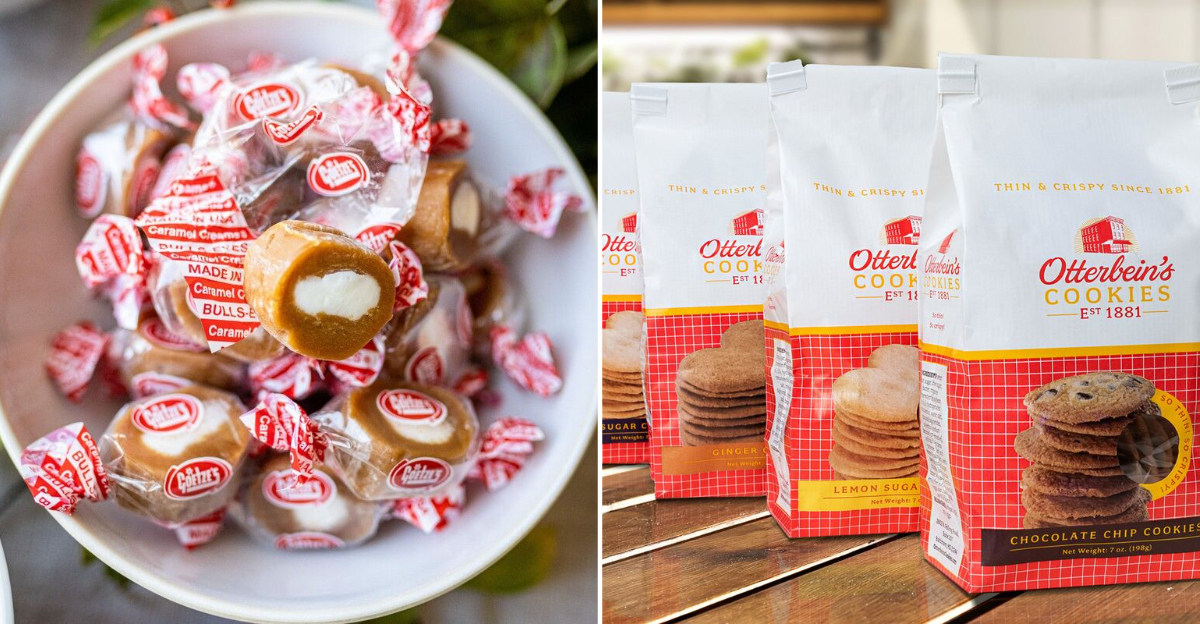
2. Goetze’s Caramel Creams
For 125 years, this Baltimore candy company has been crafting sweet treats that trip up tongues nationwide. The German surname throws people off, but locals know it sounds like ‘gets’ with an ‘iz’ ending.
Their famous Caramel Creams, nicknamed ‘bull’s-eyes,’ feature vanilla cream centers wrapped in chewy caramel. Cow Tales stretch the same concept into rope form.
From corner stores to baseball stadiums, these candies appear everywhere in Maryland. The company even prints pronunciation guides on their packaging to help confused customers.
3. Coddies
These cod-and-potato fritters represent old Baltimore at its finest, though many contain more potato than fish these days. Traditionally served cold on saltine crackers with yellow mustard, they’re an acquired taste that locals cherish.
My grandmother used to buy them by the dozen from Lexington Market every Friday. She’d line them up on crackers like little golden soldiers.
Old-school delis and seafood markets still carry them, though some modern crab houses are bringing them back for adventurous diners seeking authentic Baltimore flavors.
4. Faidley’s Crab Cakes
Inside Baltimore’s rebuilt Lexington Market stands the city’s most famous crab cake counter, where visitors often stumble over the family name. The ‘ai’ combination confuses outsiders who might say ‘FADE-lee’s’ or ‘FIDDLE-ee’s.’
These jumbo lump crab cakes contain minimal filler, letting sweet Chesapeake crabmeat shine through every bite. Lines form early as locals and tourists alike queue for Maryland’s gold standard.
The Faidley family has been serving seafood since 1886, perfecting recipes that put other crab cakes to shame throughout the region.
5. J.O. Spice
While Old Bay gets most of the attention, serious crab houses often steam their catches with J.O. #2 seasoning blend. Founded in Baltimore in 1945, this company supplies the secret behind many restaurant successes.
Pronouncing it ‘Joe’ immediately marks you as an outsider who doesn’t know Maryland’s spice game. The letters stand alone, crisp and clear like the seasoning itself.
You’ll find retail tins in local shops, but most go wholesale to establishments that know the difference between good crabs and great ones.
6. Choptank Oysters
Raw bars across Maryland feature Choptank Sweets and other varieties named for this Chesapeake tributary. The name seems straightforward, but visitors sometimes add extra syllables or stress the wrong parts.
This river system produces some of the region’s finest oysters, each carrying the brackish water’s distinctive flavor profile. Restaurants proudly list their Choptank offerings on seasonal menus.
The Choptank restaurant chain also bears this name, serving seafood that celebrates the waterway’s bounty.
Both the river and the eateries deserve proper pronunciation respect from appreciative diners.
7. Patuxent River Rockfish
Menu items featuring this river’s name challenge even confident diners who attempt various creative pronunciations. The stress falls on the middle syllable, with a soft ending that flows like the waterway itself.
Patuxent River rockfish and oysters appear on upscale restaurant menus throughout the region. Local fisheries and sauce makers also use this geographic designation to highlight their products’ origins.
During a recent dinner, I watched a server gently correct three different table attempts at saying ‘Patuxent.’ The patient explanation helped everyone order with confidence and proper Maryland pronunciation.
8. Kohr Brothers Frozen Custard
Ocean City boardwalks wouldn’t be complete without this creamy treat that visitors often mispronounce as ‘KOHR’ with a hard ‘h’ sound. The German surname simply sounds like the center of an apple.
Since 1919, the Kohr family has been serving frozen custard, and their Ocean City boardwalk stands have become Delmarva staples. Their rich, dense custard beats regular ice cream in both texture and flavor intensity.
Boardwalk windows display the distinctive orange and white signage that promises cool relief from summer heat. Each cone delivers childhood memories wrapped in perfect pronunciation lessons.
9. Baugher’s Farm Market
Westminster’s century-old farm operation confuses visitors who might say ‘BOW-gerz’ or ‘BAG-erz’ when reading the signs. The family name rhymes with Los Angeles’ baseball team, making it easier to remember.
Pick-your-own orchards, fresh market goods, homemade ice cream, and comfort food fill this agricultural destination. Four generations of Baughers have welcomed families seeking farm-fresh experiences.
Their restaurant serves hearty meals that taste like grandma’s cooking, while the market overflows with seasonal produce.
Everything bears the Baugher name, pronounced with that distinctive ‘aw’ sound that locals know by heart.
10. Old Bay Seasoning
Maryland’s most famous spice blend seems simple enough, but newcomers sometimes slur it into ‘old-bye’ or mishear it as ‘obey.’ The two words stand distinct and proud like the red tin itself.
Created in Baltimore in 1939, this celery salt and spice mixture appears on everything from crab boils. True Marylanders sprinkle it on French fries, popcorn, and even chocolate.
Each word gets equal emphasis when ordering, ensuring your server knows you understand Maryland’s most sacred culinary tradition.
Clear pronunciation shows proper respect for this iconic seasoning.
11. Otterbein’s Cookies
Since 1881, this Baltimore bakery has produced thin, crisp cookies that challenge pronunciation skills across generations. The German surname splits local opinion between ‘bines’ and ‘been’ endings, though both sound authentically Baltimorean.
Their delicate sugar cookies and ginger snaps fill gift tins throughout Maryland, representing old-world baking traditions. Unlike thick modern cookies, these maintain paper-thin profiles that snap satisfyingly between teeth.
Grocery shelves stock various Otterbein’s varieties, each package bearing the family name that serves as a pronunciation test for cookie lovers seeking genuine Baltimore treats.