
9 Colorado Farmers Markets Locals Love (But Tourists Rarely Find)
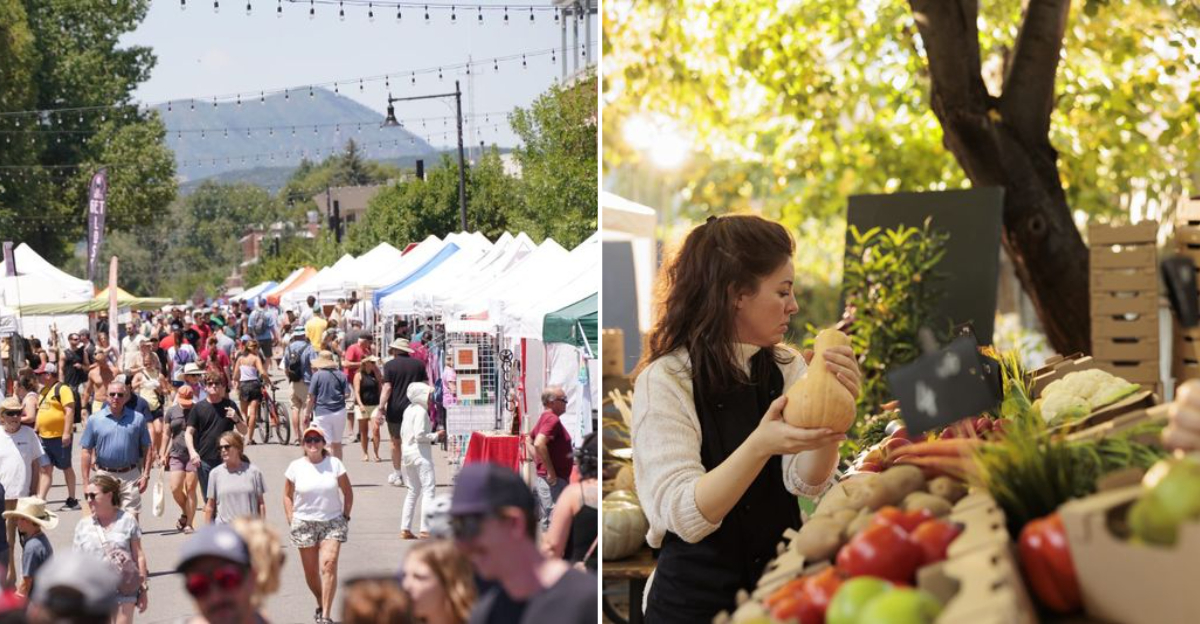
Colorado’s farmers market scene goes way beyond the tourist hotspots you’ll find in travel guides.
As a longtime Colorado resident, I’ve spent years discovering the markets where locals actually shop for their farm-fresh goods.
These hidden gems offer the freshest produce, authentic local crafts, and a true taste of Colorado community spirit that most visitors never experience.
Ready to shop like a local? Here are nine farmers markets that Coloradans treasure but tourists rarely discover.
1. Alamosa Farmers’ Market: San Luis Valley’s Best-Kept Secret
My first visit to the Alamosa Farmers’ Market felt like stumbling upon a neighborhood block party. Local farmers proudly display their San Luis Valley potatoes – famous among Colorado chefs but relatively unknown to outsiders. The altitude here (7,500 feet) produces vegetables with intensely concentrated flavors you won’t find elsewhere.
Every Saturday from July through October, this market transforms the town’s main street into a vibrant celebration of rural Colorado life. I always make a beeline for the roasted green chile vendors who fill the air with that unmistakable smoky scent.
Fun fact: The San Luis Valley is home to some of North America’s oldest continuously farmed land, dating back to the 1600s!
2. Crested Butte Farmers Market: Alpine Bounty At 9,000 Feet
Nestled between wildflower-covered mountains, Crested Butte’s Sunday market amazed me with what can grow at such high elevations. Unlike the tourist-packed ski town center, this market sits in a quiet corner where locals trade gardening tips while shopping for impossibly sweet carrots and hearty greens.
Last summer, I chatted with a third-generation beekeeper whose high-altitude honey tasted like liquid sunshine with hints of wildflower. The market runs Sundays from June through September, rain or shine – though at this elevation, you might even see August snowflakes occasionally!
The backdrop of Paradise Divide makes this possibly the most scenically stunning farmers market in America, yet somehow it remains off most visitors’ radars.
3. Palisade Sunday Market: Orchard Treasures Beyond The Trail
“You haven’t tasted a real peach until you’ve had one from Palisade,” my neighbor insisted before sending me to this Sunday gem. While tourists flock to Saturday’s bigger market, locals know Sunday’s intimate gathering is where fourth-generation orchardists bring their premium picks – often harvested that very morning.
The market sits in the shadow of Mount Garfield, surrounded by orchards and vineyards that benefit from this microclimate’s magic. I’ve become friends with a lavender farmer who creates small-batch soaps that capture Colorado’s sunshine in scent form.
The real treat? Fresh-pressed cider made on-site from heritage apple varieties you’ll never find in stores. Come August through October for the juiciest stone fruits you’ll ever experience!
4. Main Street Steamboat Farmers Market: River Valley Treasures
Steamboat Springs conjures images of ski slopes for most visitors, but locals like me head to this Yampa River Valley market for something completely different. Arriving early one Saturday, I watched ranchers unload grass-fed beef while foragers arranged wild mushrooms harvested from secret mountain locations.
What makes this market special is its dedication to true local agriculture – everything comes from within 100 miles. The market’s location along the babbling Yampa River creates a peaceful soundtrack for weekend shopping.
My personal ritual involves grabbing a cup of locally roasted coffee and a still-warm pastry before hunting for ingredients for dinner. The market’s strict “grown not flown” policy means you’re getting authentic Colorado flavors that big tourist markets can’t match.
5. Durango Farmers Market: Southwest Colorado’s Indigenous Harvest
Tucked away from Durango’s tourist-heavy Main Avenue sits this Saturday morning treasure trove where I first discovered Anasazi beans – an ancient crop grown by indigenous farmers for over 1,500 years. The market perfectly blends southwestern Colorado’s diverse cultural influences, from Hispanic to Native American.
Navajo shepherds sell wool and handspun yarn alongside farmers offering heirloom corn varieties in stunning purples and blues. One rainy morning, I sheltered under a tent with a Ute Mountain farmer who explained how their traditional dry-farming techniques produce especially flavorful squash.
The market’s location at the fairgrounds means plenty of parking – a rarity in tourist-packed Durango. Look for the chile ristras (hanging red chile pepper strands) that make perfect souvenirs and will flavor your soups all winter long.
6. Evergreen Farmers’ Market: Mountain Community Gathering
Hidden beneath towering pines, Evergreen’s Tuesday market saved my dinner party last summer when I needed last-minute local ingredients. While tourists zoom past on their way to more famous mountain towns, locals park at Evergreen Country Day School to shop from farmers who’ve mastered the art of growing in our challenging mountain climate.
A retired botanist sells the most extraordinary alpine strawberries – tiny bursts of flavor that put grocery store berries to shame. The market’s smaller size creates an intimate atmosphere where vendors remember your name and preferences week after week.
The market’s commitment to zero waste impressed me immediately – everything from food containers to promotional materials is compostable or recyclable. I always bring home a bunch of high-altitude herbs that seem to concentrate their essential oils in response to the intense mountain sunshine.
7. Highlands Square Farmers Market: Denver’s Neighborhood Secret
“Where do actual Denverites shop?” my out-of-town friends always ask. I point them to this Sunday morning market in the historic Highlands neighborhood, where locals gather between Victorian homes and modern eateries. Unlike the massive downtown markets that appear in tourist guides, this intimate gathering feels like stepping into a neighbor’s garden party.
Urban beekeepers sell honey collected from hives scattered throughout Denver’s neighborhoods, each with subtly different flavors based on the flowering plants nearby. I’ve become addicted to a particular vendor’s fermented hot sauce made from peppers grown in community gardens just blocks away.
The market’s dog-friendly policy means plenty of canine companions, making it a perfect spot for people-watching with your morning coffee. The street musicians create a laid-back soundtrack that perfectly captures Denver’s relaxed weekend vibe.
8. Larimer County Farmers’ Market: Fort Collins’ Historic Heart
Wandering through this Saturday market in Fort Collins feels like taking a crash course in Colorado’s agricultural heritage. Located in the historic courthouse square, this market has operated continuously since 1975, making it one of the state’s oldest. I stumbled upon it while avoiding the tourist crowds on College Avenue.
What sets this market apart is the multi-generational farming families who’ve been selling here for decades. I regularly chat with a grandmother who remembers when sugar beets, not craft beer, dominated the local economy. Her granddaughter now runs their family farm stand, offering heritage vegetables grown from seeds passed down for generations.
The market’s strict producer-only policy means everything is grown, raised, or made by the person selling it – no resellers allowed. Their heirloom tomato selection in late summer provides colors and flavors I never knew existed!
9. Market on Main – Grand Junction’s Desert Oasis
Grand Junction’s Thursday evening market transformed my understanding of what can grow in Colorado’s western desert climate. While tourists visit the area’s wineries, locals gather downtown as the summer heat fades, shopping for desert-adapted produce that thrives in this unique microclimate.
Stone fruits from nearby Palisade steal the spotlight, but don’t miss the desert-adapted melons with flavor concentrated by hot days and cool nights. My favorite vendor grows fifteen varieties of garlic, each with distinct flavor profiles perfect for different cooking applications.
The market’s evening hours (5:30-8:30pm) make it perfect for grabbing dinner from food trucks while live bands play. I always leave with a bag of lavender shortbread cookies from a baker who grows her own lavender using minimal water – a testament to the region’s sustainable farming innovations in this drought-prone region.