
20 Foods You’ve Likely Missed If You’re Not From Florida
Florida’s culinary scene goes way beyond the oranges it’s famous for. The Sunshine State’s mash-up of cultures, coastlines, and crops creates flavors you can’t find anywhere else.
From citrus-kissed desserts to seafood that tastes like it came straight off the boat, these dishes tell the story of Florida’s rich heritage and diverse communities.
You’ll taste Cuban, Caribbean, Southern, and Latin influences bumping elbows on the same plate and somehow it all works. Ready to eat your way through the real Florida? Let’s dive in.
1. Key Lime Pie
Nothing says Florida like a slice of authentic Key lime pie. Made with tiny limes from the Florida Keys, this dessert balances tangy and sweet with its creamy filling and graham cracker crust.
Locals know real Key lime pie should be pale yellow, not green. The original recipe dates back to the 1800s when fresh milk wasn’t available, so sweetened condensed milk became the base ingredient.
My grandmother’s version included a touch of lime zest on top, creating an aromatic experience before the first bite even touched your lips. Some debate continues about meringue versus whipped cream topping, but true Floridians often prefer it naked.
2. Cuban Sandwich
Florida’s Cuban sandwich rivalry between Tampa and Miami is legendary. This pressed sandwich combines roasted pork, ham, Swiss cheese, pickles, mustard, and sometimes salami, all on Cuban bread.
The bread makes all the difference, baked with a palmetto leaf on top that creates a distinctive spine. Tampa’s version includes Genoa salami, reflecting the Italian influence in Ybor City, while Miami purists consider this addition sacrilege.
The sandwich originated with Cuban immigrant workers in Florida’s cigar factories and has evolved into an iconic street food. The perfect Cuban should be pressed until crispy outside while remaining soft inside.
3. Stone Crab Claws
Florida’s sustainable seafood treasure appears on menus from roughly October 15 through May 1. Harvesters typically remove one legal-sized claw and return the crab to regenerate it, though regulations allow taking one or both claws if each meets size requirements.
These sweet, meaty claws are usually boiled soon after landing and served chilled with a zesty mustard sauce. The flavor recalls lobster but keeps its own delicate sweetness.
I remember my first stone crab feast at a waterfront spot in the Keys: the server showed us how to crack the shell cleanly at the table so the meat stayed in big, perfect chunks, proof that with stone crab, careful technique (and fresh claws) makes all the difference.
4. Conch Fritters
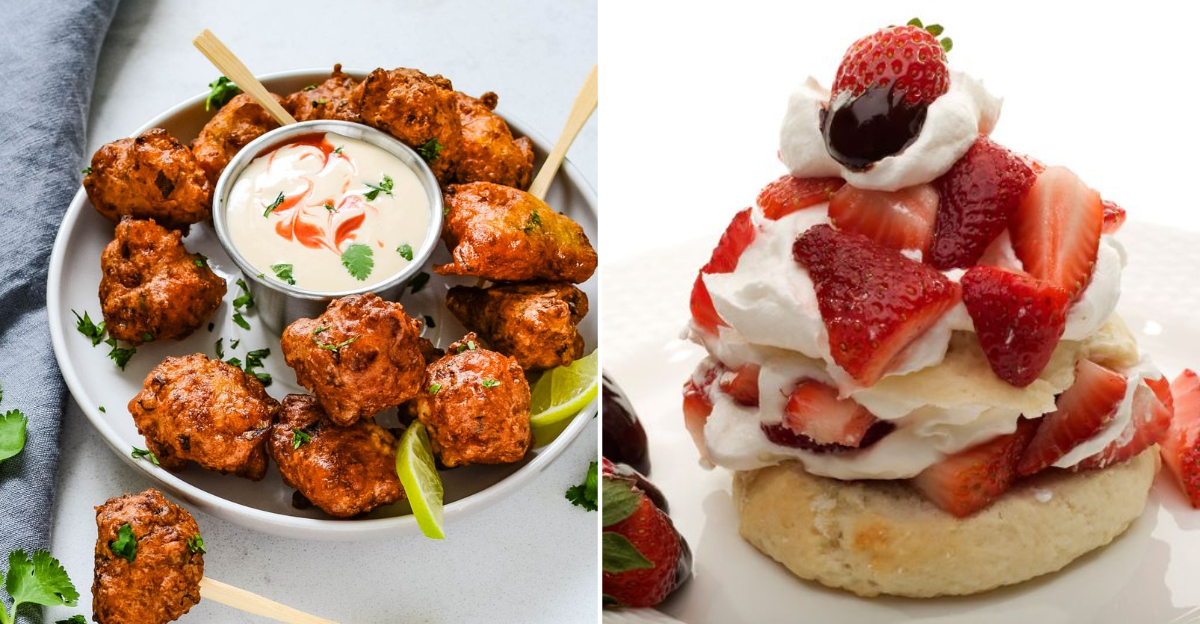
Golden-brown spheres of Caribbean flavor, conch fritters bring a taste of the islands to Florida’s southernmost points. These savory bites combine diced conch meat with peppers, onions, and spices in a batter that’s deep-fried to perfection.
The chewy texture of conch provides a unique contrast to the crispy exterior. Traditionally served with a spicy dipping sauce, these fritters appear on menus from casual beach shacks to upscale restaurants.
The conch itself has become increasingly rare in Florida waters, so many restaurants now import it from the Bahamas or other Caribbean locations. The best fritters achieve the perfect balance between seafood flavor and seasoning without being greasy.
5. Fried Gator Tail
Alligator meat transforms from intimidating to irresistible when prepared Florida-style. Typically harvested from the tail section, the meat gets marinated, breaded, and fried until golden brown.
The flavor falls somewhere between chicken and fish with a firm texture. Restaurants throughout the state serve this conversation-starting appetizer with various dipping sauces, from spicy remoulade to sweet honey mustard.
Gator farming has become a sustainable industry in Florida, with the meat appearing on more menus each year. The practice helps maintain healthy wild alligator populations while providing this unique protein source. First-timers are often surprised by how tender and mild the meat tastes.
6. The Pub Sub
Publix supermarket’s chicken tender sub has achieved cult status among Floridians. This seemingly simple sandwich combines the store’s famous fried chicken tenders with cheese, toppings, and condiments on a fresh-baked roll.
College students plan road trips around Pub Sub stops, and Florida natives living out-of-state often list it among things they miss most. The bread is baked in-store daily, and the chicken is prepared fresh rather than frozen.
My roommate in college would drive 30 minutes just to get his hands on one of these legendary sandwiches. The customization options are endless, but purists keep it classic with mayo, mustard, pickles, lettuce, tomato, and a sprinkle of Parmesan cheese.
7. Smoked Mullet Dip
Florida’s Gulf Coast fishermen have transformed the humble mullet fish into a smoky, creamy spread that appears at gatherings across the state. The fish gets slow-smoked over wood, then mixed with mayo, cream cheese, and spices.
Traditionally served with saltine crackers, this dip represents Old Florida cuisine at its finest. The smoky flavor comes through without overpowering the delicate fish taste.
Local fish camps and seafood markets often have their own closely guarded recipes. The best versions balance smokiness, creaminess, and a hint of heat from ingredients like hot sauce or horseradish. Though it might not look impressive, this spread has converted countless fish-skeptics into believers.
8. Minorcan Clam Chowder
St. Augustine’s signature soup tells the story of Minorcan settlers through its distinctive red broth. Unlike New England’s creamy version, this tomato-based chowder gets its kick from datil peppers, grown almost exclusively in this region.
The pepper’s heat builds slowly, complementing the briny clams and hearty vegetables. Local restaurants serve the chowder year-round, though it tastes best on rare chilly Florida evenings.
Walking through St. Augustine’s historic district, I stumbled upon a tiny restaurant where the owner proudly explained his family had been making this chowder for generations. Each spoonful carries the legacy of Florida’s oldest city and its unique cultural blend of Spanish, Minorcan, and Southern influences.
9. Datil Pepper Sauce
Florida’s secret hot sauce comes from the datil pepper, a fiery little fruit primarily grown around St. Augustine. Similar in heat to habaneros but with a sweeter, fruitier profile, these peppers create distinctive sauces found on tables throughout Northeast Florida.
Local families pass down sauce recipes through generations. The heat level varies widely, but all showcase the pepper’s unique flavor profile that starts sweet before delivering its signature burn.
The pepper’s origins remain debated, with some claiming Minorcan settlers brought them from Spain in the 1700s, while others suggest African or Caribbean roots. Whatever their history, datil peppers have become firmly embedded in Florida’s culinary identity.
10. Grouper Sandwich
Florida’s prized reef fish makes the perfect sandwich filling when fresh-caught and simply prepared. Typically grilled, blackened, or fried, this mild white fish needs little embellishment beyond a squeeze of lemon and quality toppings.
Coastal restaurants compete for the title of best grouper sandwich, with each offering their own twist. The fish should flake easily while remaining moist, a testament to its freshness and proper cooking.
The first time I tasted a real Florida grouper sandwich at a weathered beach shack, I understood why locals are so protective of this specialty. Many establishments now specify “genuine Florida grouper” on menus to differentiate from imported substitutes that can’t match the flavor of the local catch.
11. Strawberry Shortcake
Plant City’s strawberry fields produce the sweetest berries imaginable, making Florida’s version of this classic dessert something special. The annual Florida Strawberry Festival celebrates these ruby gems that grow during winter months when the rest of the country relies on imports.
The perfect shortcake uses biscuit-style cake rather than sponge, providing a sturdy base for the juice-laden berries. Topped with fresh whipped cream, this simple dessert showcases the berries’ natural sweetness.
Florida designated strawberry shortcake as the official state dessert in 2022, recognizing its cultural importance. The warm climate allows for early harvesting, meaning Florida strawberries hit markets nationwide when local options aren’t available elsewhere.
12. Key West Pink Shrimp
Sweet and tender, these coral-hued crustaceans are prized by chefs for their distinctive flavor and firm texture. Harvested from the clean waters around the Florida Keys, these shrimp retain a pink hue after cooking.
The sweetness comes from the shrimps’ diet of coral and seagrass in the Gulf of Mexico. Local restaurants prepare them simply, often peel-and-eat style with just a touch of Old Bay seasoning.
Sustainability practices ensure these delicacies remain available for future generations. Look for the “Fresh from Florida” label to ensure authenticity. The best way to enjoy them is at a dockside restaurant where they’re served just hours after the boats return with the day’s catch.
13. Lobster Reuben
The Florida Keys reinvented the classic Reuben by swapping corned beef for local spiny lobster. This luxurious sandwich layers sweet lobster meat with Swiss cheese, sauerkraut, and Thousand Island dressing on grilled rye bread.
Florida’s spiny lobsters differ from Maine lobsters, lacking the large front claws but offering sweet tail meat. The combination of flavors sounds unusual but works surprisingly well, with the tangy sauerkraut complementing the rich lobster.
During a weekend trip to Key West, I stumbled upon a tiny deli where the owner claimed to have invented this sandwich decades ago. Whether that’s true or not, the lobster Reuben has become a signature Keys specialty that perfectly represents the region’s blend of traditional and innovative cuisine.
14. Hogfish Sandwich
Hogfish remains one of Florida’s best-kept seafood secrets, prized by locals for its scallop-like flavor and flaky texture. This reef-dwelling fish gets its name from its pig-like snout used to root through sand for crustaceans.
The most popular preparation is the sandwich, typically blackened or fried and served on Cuban bread with lettuce, tomato, and key lime aioli. The fish’s diet of shellfish gives it a sweet, distinctive taste unlike any other seafood.
Found primarily in the Keys and southern Gulf waters, hogfish are most often spearfished rather than caught with traditional methods. This makes it relatively rare on menus outside Florida. When cooked properly, the delicate white fillets practically melt in your mouth.
15. Croquetas de Jamón
Small cylinders of pure comfort, ham croquetas represent the heart of Florida’s Cuban community. These crispy, golden fritters contain a creamy béchamel filling studded with finely minced ham.
Miami’s ventanitas (little windows) serve these alongside Cuban coffee as the perfect morning or afternoon pick-me-up. The contrast between the crunchy breaded exterior and the soft, molten interior makes each bite a textural delight.
Families guard their croqueta recipes jealously, with subtle differences in seasonings and ham-to-béchamel ratio. While traditionally made with ham, variations include chicken, cod, or cheese. The most authentic versions are traditionally made with finely ground ham, though many Florida adaptations incorporate more readily available varieties.
16. Frita Cubana
Cuba’s answer to the hamburger found a permanent home in Miami’s Little Havana. This distinctive sandwich features a seasoned patty of ground beef mixed with chorizo, topped with crispy shoestring potatoes and served on Cuban bread.
The paprika-infused meat gives the frita its characteristic reddish color and smoky flavor. Traditional fritas include only onions and potato sticks as toppings, though modern variations might add cheese or a fried egg.
Several Miami establishments claim to serve the most authentic version, each with slight variations on the original recipe. My favorite frita spot has a line out the door every weekend, filled with locals who debate the merits of each fritero’s technique while waiting for their fix of this Cuban-American street food classic.
17. Deviled Crab
Tampa’s Ybor City created this spicy crab mixture, shaped into a football, breaded, and fried to golden perfection. Unlike Maryland’s crab cakes, Tampa-style deviled crab includes Cuban bread crumbs, peppers, and a generous dose of seasoning.
Originally sold as inexpensive street food to cigar factory workers, these croquettes reflect the area’s unique blend of Spanish, Cuban, and Italian influences. The traditional preparation uses a shell-shaped metal mold to form the distinctive shape.
Small seafood markets throughout Tampa Bay still make them the old-fashioned way. The filling should contain enough crab to be identifiable but with bread crumbs and seasonings that complement rather than overwhelm the seafood. When done right, the exterior shatters with a satisfying crunch.
18. Cedar Key Clams
Florida’s Gulf Coast produces some of the sweetest, cleanest-tasting clams in the country, with Cedar Key leading production. These farm-raised mollusks grow in the pristine waters where freshwater springs meet the Gulf, creating ideal conditions for flavor development.
Local restaurants serve them steamed, in linguine, or raw on the half shell. The clams’ mild brininess and tender texture make them appealing even to those who typically avoid shellfish.
Cedar Key itself feels like a throwback to Old Florida, with weathered docks and unpretentious seafood shacks. I spent an afternoon there watching clam farmers tend their underwater fields while a restaurant owner explained how the sustainable aquaculture practices have revitalized the town’s economy after commercial fishing declined.
19. Fresh Orange Juice Creamsicle
Roadside citrus stands transform Florida’s famous fruit into refreshing frozen treats. The orange creamsicle combines freshly squeezed juice with vanilla ice cream or soft serve, creating a drinkable version of the nostalgic popsicle.
These stands dot highways throughout central Florida’s grove country, offering travelers a sweet respite from the heat. The best versions use juice pressed minutes before serving, capturing the bright, complex flavor that disappears quickly after squeezing.
The combination of tart juice and sweet cream creates the perfect balance, with natural citrus oils adding aromatic complexity you’ll never find in commercial versions.
20. Pastelito de Guayaba
Flaky, buttery pastries filled with sweet-tart guava paste represent morning rituals in Florida’s Cuban communities. These golden treats feature multiple layers of puff pastry that shatter delicately when bitten, revealing the ruby-red filling inside.
Miami’s bakeries start producing them before dawn, filling the air with the unmistakable aroma of butter and tropical fruit. Classic varieties include plain guava, guava and cheese, or guava and cream cheese, the latter providing a tangy contrast to the sweet filling.
The tops get a light sugar glaze that caramelizes during baking. Locals pair pastelitos with strong Cuban coffee for the perfect breakfast combination. The pastry’s portable nature makes it ideal for grabbing on the way to work, though the flaky layers guarantee you’ll wear some of it on your clothes.