
23 Texas Dinner Table Traditions From The 1960s That Would Surprise Today’s Families
In an era of drive-thrus, dinner-and-a-show, and everyone staring at their own screen, the very concept of a family meal has undergone a dramatic transformation. But what if we told you that just a few decades ago, right here in Texas, dinner was an entirely different beast?
We’ve unearthed 23 dinner table traditions from the 1960s that are so fundamentally different from our modern customs, they’ll leave you scratching your head – and maybe even a little envious. Prepare for a fascinating journey into a bygone era of Texas dining.
1. Jell-O Salads Dominated Side Dishes
Wobbly gelatin creations graced nearly every Texas dinner table in the ’60s. These weren’t just desserts – savory versions contained vegetables, mayonnaise, cottage cheese, or even meats suspended within colorful layers.
Molded into elaborate shapes using specialty pans, these jiggly concoctions were points of pride for many homemakers. The more intricate the mold, the more impressive the presentation.
My grandmother’s signature was a lime Jell-O ring with grated carrots, pineapple chunks, and a dollop of mayonnaise mixed in. A combination that would make most modern kids run for cover.
2. Casserole Queens Ruled Weeknights
One-dish wonders reigned supreme in 1960s Texas kitchens. Tuna noodle, hamburger rice, and the famous King Ranch chicken casserole were weekly staples that stretched budgets and saved time.
Recipes were traded like currency at church gatherings and neighborhood coffee klatches. The more compliments your casserole received, the higher your status among local homemakers.
These hearty dishes typically featured cream of mushroom or cream of chicken soup as binding agents. Casserole dishes were so valued that they were common wedding gifts, often passed down through generations.
3. Television Transformed Dinner Locations
The marriage of TV and dinner revolutionized where Texans ate their evening meals. Folding TV trays became household essentials as families gathered around the television instead of the dining table.
Weekly shows like Bonanza or The Andy Griffith Show dictated dinner schedules in many homes. Aluminum TV dinner trays with separate compartments for meat, vegetables, and dessert made cleanup a breeze.
I remember my father rushing home from work every Thursday just in time for our TV dinner night. He’d settle into his favorite armchair, unfold his personalized TV tray (a Christmas gift from mom), and we’d watch Gunsmoke while eating pot roast with potatoes.
4. Boxed Mix Revolution Changed Cooking
The 1960s Texas kitchen embraced convenience with open arms. Boxed cake mixes, instant puddings, and powdered potatoes weren’t just acceptable – they were celebrated as modern miracles.
Betty Crocker and Duncan Hines became household names as their colorful boxes promised foolproof results. Homemakers often personalized these mixes with secret additions to make them seem homemade.
Magazine advertisements convinced women that these time-savers were actually better than scratch cooking. The ability to whip up a cake or side dish in minutes aligned perfectly with the increasingly busy lifestyles of modern Texas families.
5. Canned Vegetables Considered Modern Marvels
Bright green cans of Del Monte and Libby’s vegetables lined pantry shelves across Texas. Fresh produce was seasonal, but canned vegetables provided year-round consistency that busy homemakers valued.
Creamed corn, green beans, and canned peas were simply heated, buttered, and served. Few vegetables received special treatment beyond perhaps a sprinkle of salt or pat of butter.
Growing up in Amarillo, my mother served canned green beans at least three nights a week. Her special touch was adding a tablespoon of bacon grease saved from breakfast – a flavor enhancer that made even the most basic canned vegetables taste like home.
6. Gelatin Molds Became Edible Art
Aspic and decorative gelatin creations were considered the height of sophistication. Texas hostesses spent hours creating elaborate multi-layered gelatin centerpieces that showcased their culinary artistry.
Savory versions might contain shrimp, chicken, or vegetables suspended within clear tomato or beef-flavored gelatin. These wobbly masterpieces were served on special occasions and holiday gatherings.
Copper molds in various shapes hung on kitchen walls both as decoration and ready tools. The unmolding process was a tense moment – a successful release onto the serving platter brought sighs of relief and admiration from guests.
7. Meatloaf Mondays Set Weekly Rhythms
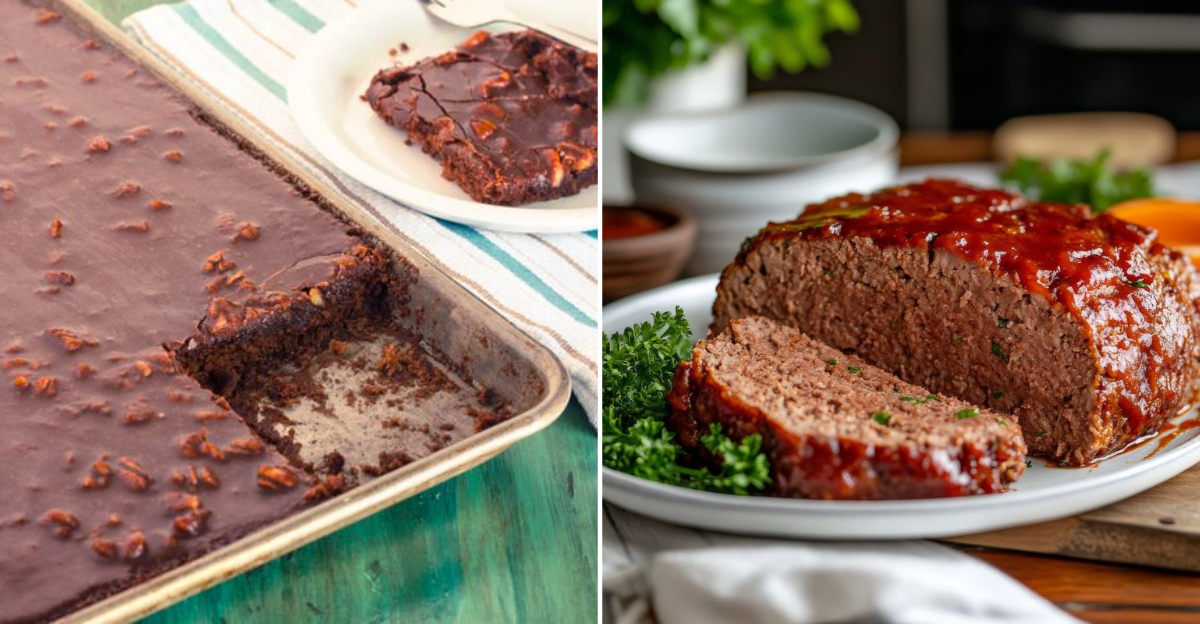
Meatloaf wasn’t just a meal in 1960s Texas – it was a cornerstone of weekly menu planning. Monday meatloaf meant Tuesday sandwiches, establishing a predictable rhythm to the week’s meals.
Family recipes were guarded secrets, with special ingredients like crushed crackers, oatmeal, or even mashed potatoes giving each household’s version its unique character. The loaf was typically topped with a sweet-tangy glaze of ketchup, brown sugar, and vinegar.
Slices were served hot with mashed potatoes and gravy the first night. Cold meatloaf sandwiches packed in lunch boxes the next day were often anticipated more than the original meal.
8. Relish Trays Started Every Gathering
Crystal or cut-glass dishes filled with pickles, olives, and cocktail onions greeted guests before the main meal. These relish trays weren’t just appetizers – they were conversation starters as people gathered around to spear their favorites with tiny wooden picks.
Sweet gherkins, dill spears, black olives, and pickled watermelon rind offered a variety of tangy flavors. Children would often slide black olives onto their fingertips before eating them one by one.
The relish tray tradition reflected Texas hospitality – something ready to nibble the moment guests arrived. Even everyday family dinners might feature a small pickle plate to stimulate appetites.
9. Plastic Tablecloths Provided Practical Protection
Brightly patterned oilcloth or vinyl tablecloths covered most Texas dinner tables. These wipe-clean coverings protected wood surfaces while adding cheerful color to the kitchen.
Bold florals, fruit patterns, and checked designs were popular choices. The practical covering meant spills weren’t disasters – just quick clean-ups with a damp cloth.
During hot Texas summers, these cool-to-the-touch surfaces were particularly appreciated. Special occasions might warrant bringing out the good linen tablecloth, but for everyday meals, these durable covers were considered both sensible and stylish.
10. Sunday Dinners Required Special Formality
While weeknight meals might be casual, Sunday dinners in 1960s Texas homes were elevated affairs. After church, families gathered around tables set with better dishes, proper place settings, and sometimes even fresh flowers.
The menu typically featured a roast, ham, or fried chicken with all the trimmings. Children were expected to use their best manners, with gentle reminders about elbows and napkins.
I still remember my mother’s Sunday table preparations – the careful ironing of her one good tablecloth, the polishing of rarely-used serving pieces, and the special crystal water glasses that only appeared once a week. These meals lasted longer, with conversation and connection as important as the food.
11. Saying Grace Was Non-Negotiable
Before a single fork was lifted, Texas families paused for prayer. This moment of thanksgiving was a universal constant, regardless of how simple or elaborate the meal might be.
The family member who led grace varied – sometimes father, sometimes mother, occasionally a child practicing the family ritual. Some households held hands in a circle while others bowed heads individually.
Standard blessings were common, though many families had their own traditional prayers passed through generations. This pause before eating served as a transition from the busy day to the communal experience of the meal, centering the family around shared values.
12. Mother Served Everyone Individually
The woman of the house rarely sat down at the beginning of a 1960s Texas dinner. Instead, she moved around the table, filling each family member’s plate according to their preferences and appetites.
Father was typically served first, followed by guests, children, and finally herself. This ritual reflected both gender roles of the era and the mother’s intimate knowledge of each family member’s tastes.
Throughout the meal, she would rise to refill glasses, offer seconds, or retrieve forgotten condiments. Her own meal was often interrupted and eaten in stages between serving others – a sacrifice few modern diners would recognize.
13. Children Remained Seated Until Excused
Young Texans learned quickly that dinner tables had rules. The expectation to remain seated until formally excused by a parent was strictly enforced in most households.
Fidgeting was discouraged with a stern look, and requests to leave early were rarely granted. Children were expected to clean their plates – “think of the starving children” was a common reminder.
My father grew up with five siblings in a small East Texas town where this rule was sacred. He often recalled how his mother would quiz them about their school day while they sat, ensuring both nourishment and family connection happened simultaneously. No child dared ask to be excused until every question had been answered.
14. Sweet Tea Flowed Like Water
No Texas table was complete without a sweating pitcher of sweet tea. This wasn’t just a beverage – it was a cultural institution, brewed strong and sweetened while hot for maximum sugar dissolution.
Large glass pitchers were filled with ice and tea, creating that distinctive cloudy appearance as the cold ice met hot liquid. Special long-handled spoons were used to stir the concoction before serving.
Glasses were rarely empty for long, with refills happening continuously throughout the meal. The sweetness level would shock modern palates – diabetes concerns weren’t yet on the radar, and the sweeter the tea, the more hospitable the home was considered.
15. Frozen Foods Symbolized Progress
Freezers in 1960s Texas homes weren’t just for storing food – they were showcases of modernity. Stocking up on frozen vegetables, pot pies, and TV dinners demonstrated a family’s forward-thinking approach to meal preparation.
Advertisements touted these foods as nutritionally equivalent to fresh versions but with added convenience. Busy mothers embraced these time-savers without the guilt that might accompany such choices today.
Frozen food sections in supermarkets expanded dramatically during this decade. The satisfying crack of breaking apart frozen green beans or the perfect squares of mixed vegetables represented a new era of efficiency that aligned with the space age optimism of the period.
16. Meat Plus Three Sides Created The Standard Plate
The architecture of a proper Texas dinner followed a reliable blueprint: one protein surrounded by three distinct sides. This wasn’t just habit – it was considered the correct way to build a nutritionally complete meal.
The meat portion took center stage – a chicken breast, pork chop, or beef patty commanded the most plate real estate. Surrounding this protein fortress were carefully spaced vegetable sides, often including one starchy option like potatoes or rice.
Color balance was surprisingly important, with many homemakers aiming for a visually appealing plate. The green vegetable, yellow corn, and white potatoes created a palette that satisfied both nutritional guidelines and aesthetic standards.
17. Church Suppers Created Community Connections
Wednesday nights across Texas meant church fellowship halls filled with folding tables laden with home-cooked specialties. These weren’t just meals – they were social institutions where recipes were shared, community news exchanged, and relationships strengthened.
Families arrived with covered dishes – casseroles, vegetables, and desserts – creating an abundant potluck feast. The unwritten rule dictated bringing enough to feed your family plus at least four others.
I still remember the excited whispers when Mrs. Henderson arrived with her famous pecan pie at our Baptist church suppers. Everyone strategically positioned themselves in the dessert line to ensure getting a slice before it disappeared – community dynamics revealed through food preferences.
18. Instant Desserts Provided Sweet Finales
The dessert landscape of 1960s Texas was dominated by quick-fix sweets. Instant puddings, boxed cake mixes, and gelatin-based treats offered busy homemakers a way to end meals on a sweet note without hours of preparation.
Banana pudding made with vanilla wafers and instant pudding mix was a perennial favorite. Children might be enlisted to help shake the pudding mix with cold milk in special plastic shakers designed for this purpose.
These desserts were often prepared ahead and waiting in the refrigerator, their presence a promised reward for clean dinner plates. The artificial colors and flavors that might raise eyebrows today were then considered modern improvements over traditional labor-intensive recipes.
19. Elders And Guests Received First Servings
Hierarchy was visible in the serving order at Texas tables. Grandparents and visitors were always served first, followed by father, mother, and finally children in descending age order.
This practice wasn’t just about respect – it was a teaching moment. Children learned patience and consideration by watching adults prioritize others’ needs before their own.
The best cuts of meat, largest portions, and first choice of dessert were reserved for honored guests or family patriarchs. This unspoken system of deference extended beyond food to conversation as well, with young people expected to listen more than speak during mealtime discussions.
20. Leftover Magic Transformed Yesterday’s Meals
Nothing went to waste in a 1960s Texas kitchen. Sunday’s roast became Monday’s hash, Tuesday’s sandwiches, and finally Wednesday’s soup – a cascading transformation that stretched both budgets and creativity.
Dedicated leftover nights were common in weekly meal rotations. These “surprise suppers” challenged homemakers to disguise and elevate remaining ingredients into seemingly new creations.
My aunt Mabel was famous in our family for her mysterious and delicious “end-of-week casseroles” that somehow incorporated bits and pieces from the week’s previous meals. We never knew exactly what we were eating, but her magic touch with seasonings and sauce made these reinvented dishes some of our favorites.
21. Salads Were Hearty, Not Leafy
The word “salad” had a different meaning in 1960s Texas households. Rather than leafy greens, it typically referred to creamy concoctions of potatoes, macaroni, or gelatin served on small side plates.
Mayo-based dressings bound together ingredients like hard-boiled eggs, celery, and pickle relish. These substantial sides were considered perfect complements to sandwiches or main dishes.
Green salads, when they did appear, were simple affairs of iceberg lettuce, tomato wedges, and cucumber slices. The sophisticated mixed greens and vinaigrettes of today would have seemed strange and unsatisfying compared to the hearty, creamy salads that graced most Texas tables.
22. TV Tray Night Was Special Family Time
Once a week, many Texas families designated a special night for dinner on TV trays. This wasn’t just about convenience – it was an anticipated break from routine that children and adults alike looked forward to.
The novelty of balancing plates on folding trays while watching favorite programs created a festive atmosphere. Popular TV tray night meals included hot dogs, hamburgers, or other simple foods that required minimal cutlery.
Each family member typically had their own designated tray, sometimes with personalized designs or colors. These casual evenings offered a relaxed counterpoint to the more structured meals served at the dining table throughout the rest of the week.
23. Cloth Napkins Appeared For Company Only
Paper napkins sufficed for everyday meals, but the appearance of cloth napkins signaled special occasions. Fabric squares, often stored in a special drawer with other “good” items, transformed ordinary dinners into events.
Children received careful instructions on proper napkin placement – on the lap, not tucked into collars. Some families even used napkin rings with each person’s initials for identification.
The laundry involved in washing, starching, and ironing these napkins meant they were reserved for company or Sunday dinners. Their presence at the table immediately communicated to family members that best behavior was expected, creating an atmosphere of formality and respect.