
This California Taco Truck Made Avocado Tacos Into A West Coast Icon
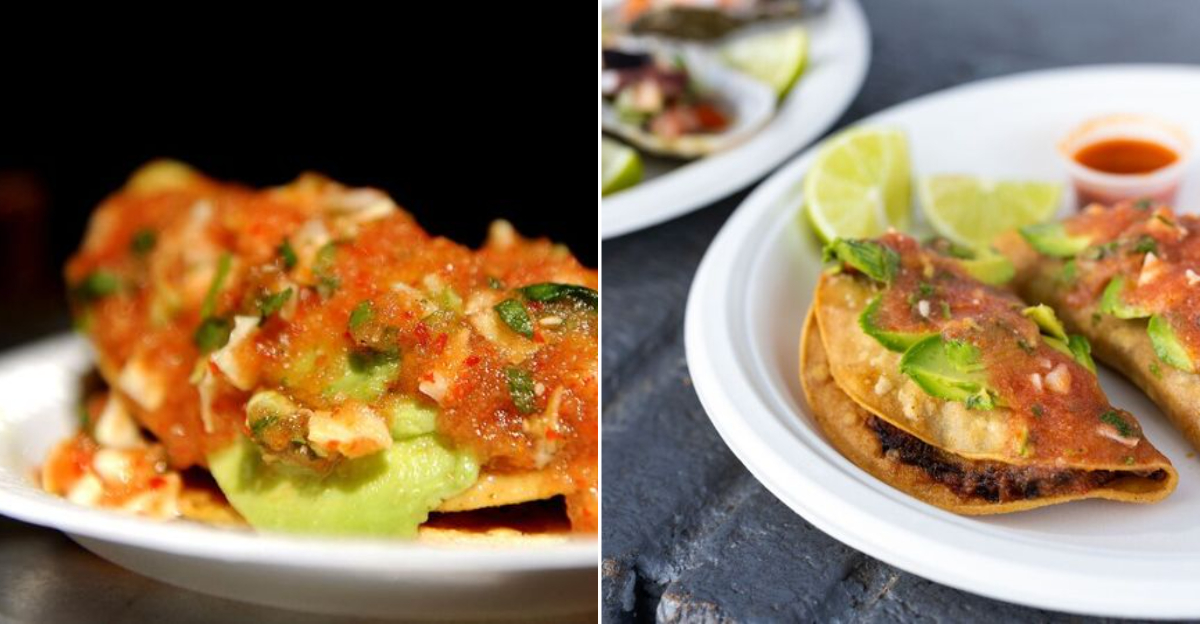
At Mariscos Jalisco, the taco truck that turned a Boyle Heights corner into a pilgrimage site, avocado became destiny. What began as Raul Ortega’s crisp, golden shrimp taco crowned with a slice of green grew into legend.
Food critics circled. Locals lined up. Out-of-towners followed whispers. No gimmicks, no overcomplication, just hot oil, fresh shrimp, and avocado cooling the fire. From LA Times awards to Michelin nods, the truck redefined what a taco could be.
These twelve reasons explain how one truck etched itself into West Coast history.
1. Avocado On Every Taco
That green slice isn’t garnish. It’s gospel. Every taco leaving the truck wears avocado like a crown, cool and creamy against fried crunch.
The slice balances the shrimp’s heat and salsa roja’s bite, turning chaos into harmony. No one argues with it. No one asks for less.
Consistency defines the truck’s fame. Whether it’s Tuesday lunch or Saturday night, you’ll see the same green halo. People trust the avocado’s presence more than traffic lights.
2. Crispy Shrimp Dorado
Oil hisses, tortillas bubble, and shrimp fold inside like secrets in a golden envelope. The taco emerges crisp, structured, and unapologetically hot.
It’s not soft, not flimsy. It crunches like autumn leaves underfoot, yet gives way to shrimp so tender it almost glows. Avocado slides in as mediator.
This single taco is the truck’s anthem, ordered by regulars without words. Visitors take one bite, pause, and order two more. The Dorado makes believers.
3. Raul Ortega’s Original
The man behind the fryers, Raul Ortega, started the truck in 2002 with a recipe that refused to be quiet.
He kept it simple: shrimp, tortilla, salsa, avocado. Four notes, infinite replay. Ortega turned repetition into devotion. Crowds formed without marketing.
Even now, when fame stretches across the city, Ortega’s name sticks to every taco. His recipe stayed firm. Customers know they’re eating the exact vision he rolled out onto Olympic Boulevard.
4. Boyle Heights Roots
The truck parks like it belongs, folding itself into the neighborhood’s heartbeat. Boyle Heights shaped its story long before critics showed up.
Families, workers, students—all lined up together, napkins tucked into pockets, salsa dripping onto sidewalks. The taco became a local bond.
Even with citywide recognition, the spot remains loyal to its corner. Regulars nod at newcomers, half-protective, half-proud. Boyle Heights isn’t backdrop. It’s backbone.
5. LA Times Gold Winner
Awards stack up, but the LA Times recognition struck like a spotlight. Suddenly, a taco truck carried prestige usually reserved for white tablecloths.
The Dorado claimed the honor without fuss, still wrapped in paper, still costing less than a parking ticket.
Locals didn’t need validation, but the plaque meant outsiders came curious. It didn’t change the line. It didn’t change the taco. It only confirmed what Boyle Heights already knew.
6. Michelin Guide Praise
The red guidebook nodded, and the taco truck joined rare company. Critics used words like “essential” and “unmissable,” printed in glossy spreads.
The tacos, however, stayed humble. Crunch, shrimp, salsa, avocado. Still cash-only. Still sidewalk seating. Still perfect in their own way.
Michelin’s praise drew food tourists, but regulars shrugged. They didn’t need stars to know greatness. The taco remained local first, global second.
7. Eater LA Essential
Lists come and go, but Eater LA’s “Essential” badge made the truck part of Los Angeles dining canon. It wasn’t hype. It was reality.
Every bite tasted like the city’s diversity, shrimp kissed by Mexico, avocado grown nearby, tortillas fried on a Boyle Heights corner.
Writers praised. Readers flocked. The truck didn’t change pace. Dorados kept flowing, avocado kept crowning, and Eater’s words became prophecy on paper plates.
8. Jonathan Gold Favorite
When Jonathan Gold wrote about a taco, people listened like students in church. His pen gave the Dorado mythic weight.
He praised its crunch, its heat, its avocado relief. His words elevated the truck without inflating it. He let it stay itself.
Fans came with clippings in hand, following Gold’s map. Each bite felt annotated, like tasting footnotes. The taco carried his blessing into eternity.
9. Affordable Street Classic
A few dollars, a paper plate, a moment under the sun. No credit cards. No luxury. Just shrimp tacos fried crisp and ready.
The price stayed reasonable even as fame climbed. Locals depend on it. Students, workers, and families order stacks without panic.
Affordability doesn’t equal compromise here. It equals loyalty. It equals repeat visits. It equals trust that food greatness can still be accessible.
10. Long Lines Daily
The line forms before you see the truck. A stream of bodies, patient and buzzing, stretching down the block.
Some scroll phones. Some talk quietly. Some watch every Dorado emerge from oil with hungry eyes. Everyone waits without complaint.
The line is ritual. It proves demand, builds anticipation, and creates community. Strangers bond over salsa stains before the first bite even lands.
11. Copycats Everywhere
Crispy shrimp tacos with avocado started showing up on other menus, in other trucks, across neighborhoods.
They try the formula: fry tortilla, add shrimp, finish with avocado. But regulars swear nothing compares. Copycats echo. Originals resonate.
Even imitation proves influence. The Dorado became blueprint. But Ortega’s truck remains the only cathedral, serving tacos too consistent, too storied to duplicate.
12. Icon Of West Coast Tacos
From Boyle Heights pavement to national headlines, this truck carried avocado tacos into icon status.
It isn’t just food. It’s story, culture, and persistence fried into a tortilla. Avocado crowns it like a flag, claiming California pride.
People talk about West Coast tacos now, and Mariscos Jalisco stands as reference. It became more than a truck. It became an icon you can eat in three bites.