
19 California Spots That Quietly Sparked Food Trends
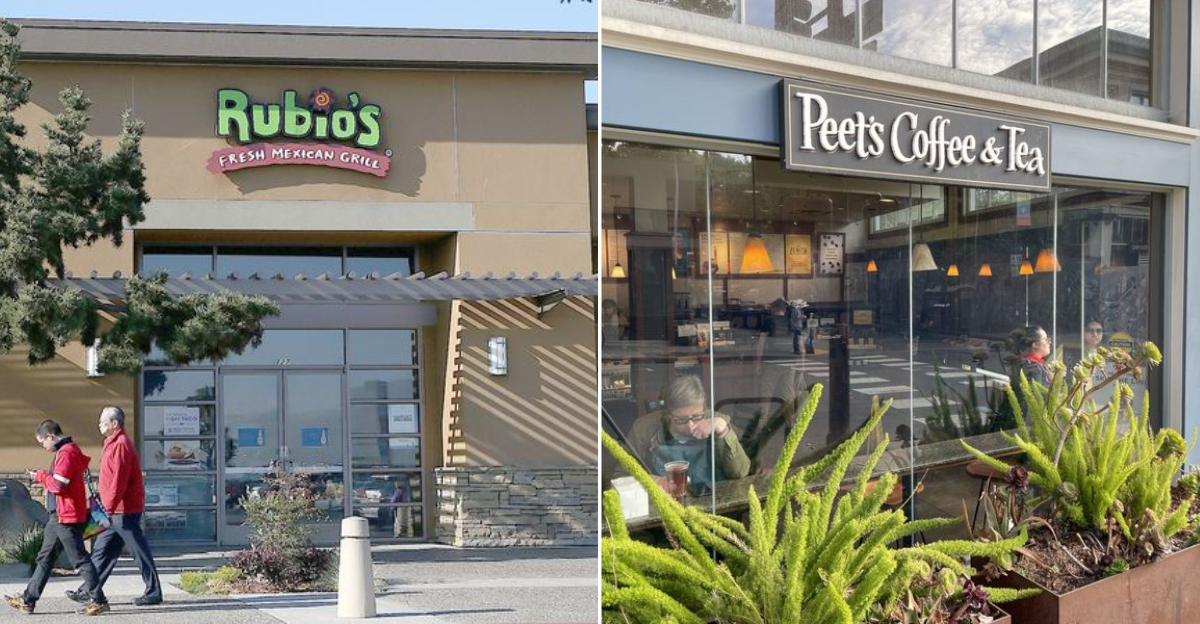
California has long been a playground for culinary creativity, where small restaurants and hidden cafes quietly inspire the next big food craze.
From innovative flavor combinations to clever twists on classic dishes, these spots have shaped what diners crave without anyone realizing it.
Whether it’s a secret ingredient, a unique presentation, or a dish that went viral later, each place has left a lasting mark on California’s vibrant and trendsetting food scene.
1. Chez Panisse: Farm-to-Table Revolution
Alice Waters flipped the restaurant script in 1971 when she opened this Berkeley gem. Rather than starting with recipes, she began with ingredients – specifically what local farmers harvested that morning.
The restaurant’s commitment to seasonal, organic produce sparked America’s farm-to-table movement.
Today’s farmers market obsession? You can thank Chez Panisse for making local, sustainable eating not just acceptable but aspirational.
2. Spago: Celebrity Chef Culture Begins
Wolfgang Puck didn’t just cook for celebrities – he became one. His Beverly Hills hotspot launched in 1982 and quickly turned into Hollywood’s favorite dining room where stars munched on smoked salmon pizza.
Spago revolutionized American dining by blending casual California style with fine-dining techniques.
Before Wolfgang, chefs stayed hidden in kitchens. After him? Cooking shows, merchandise lines, and the entire celebrity chef phenomenon exploded.
3. California Pizza Kitchen: Gourmet Pizza Goes Mainstream
Two attorneys with zero restaurant experience changed pizza forever in 1985. Their wild idea? Topping pizzas with barbecue chicken instead of pepperoni.
The BBQ Chicken Pizza became an instant sensation, proving Americans were ready for pizza beyond traditional Italian flavors.
CPK’s innovative combinations – from Thai chicken to BLT pizzas – created an entirely new category of California-style pizza that swept through suburban malls nationwide.
4. Kogi BBQ: Food Truck Phenomenon
Chef Roy Choi had a brilliant midnight revelation: Korean barbecue + Mexican tacos = culinary gold. His Kogi truck hit LA streets in 2008, sending location updates via this new platform called Twitter.
Lines formed instantly for his Korean short rib tacos. Suddenly, gourmet food from trucks was cool, not just convenient.
Kogi sparked the entire food truck revolution, proving high-quality cuisine didn’t need fancy dining rooms – just wheels and social media savvy.
5. Rubio’s Coastal Grill: Fish Taco Invasion
College student Ralph Rubio tasted his first fish taco in San Felipe, Mexico, and became obsessed. After convincing a local chef to share his recipe, Ralph opened a tiny stand in San Diego in 1983.
His battered fish tacos with white sauce and cabbage became legendary. From that single shack, Rubio built an empire that introduced millions of Americans to Baja-style fish tacos.
The crispy, tangy creation is now standard fare nationwide, but it all started at this little San Diego spot.
6. Philippe The Original: French Dip Sandwich Creator
Accidentally dropping a sandwich roll into meat drippings in 1918 might be the tastiest mistake ever made. Philippe Mathieu claimed this happy accident created the French Dip sandwich at his Los Angeles eatery.
Over a century later, the sawdust-covered floors and communal tables remain, but the sandwich has conquered America.
The restaurant still serves thousands daily, with customers lining up for that signature jus-soaked bread and thinly sliced roast beef that launched countless imitations.
7. Buena Vista Cafe: Irish Coffee Phenomenon
San Francisco’s foggy weather practically begged for a warming drink. In 1952, owner Jack Koeppler and travel writer Stanton Delaplane spent nights perfecting the recipe they’d discovered in Ireland.
Their secret? Floating the cream perfectly atop the whiskey-spiked coffee. The Buena Vista now serves over 2,000 Irish Coffees daily from their Fisherman’s Wharf location.
This cozy spot single-handedly introduced America to the boozy breakfast beverage that’s now a staple on brunch menus everywhere.
8. Boudin Bakery: Sourdough Bread Pioneer
Gold Rush miners called it “sour bread” when Isidore Boudin started baking with wild yeast in 1849.
The tangy loaves became San Francisco’s signature bread, with Boudin’s original mother dough still used today.
Tourists now line up to watch bakers craft those famous animal-shaped loaves through the Fisherman’s Wharf location’s windows.
The distinctive bread bowls filled with clam chowder have become a San Francisco food icon, inspiring sourdough crazes across America.
9. Tartine Bakery: Artisanal Bread Movement
Morning lines stretch down Guerrero Street as bread fanatics wait for Chad Robertson’s legendary loaves. Since 2002, this Mission District bakery has elevated bread from side dish to star.
Tartine’s country loaf – with its crackling crust and perfect open crumb – has inspired countless home bakers and professionals alike.
Their cookbook became the bread bible for a generation. Before Tartine, artisanal bread was European. After Tartine, it became America’s obsession.
10. Tadich Grill: Cioppino’s Birthplace
California’s oldest restaurant has been serving seafood since 1849. This Gold Rush-era establishment perfected cioppino, the tomato-based seafood stew created by Italian immigrant fishermen.
Using the day’s catch and whatever was available, Tadich’s hearty stew became San Francisco’s signature dish.
The restaurant’s commitment to fresh, local seafood – long before it was trendy – influenced countless seafood restaurants across America.
Their white-jacketed waiters still serve the classic recipe to locals and tourists alike.
11. Original Tommy’s: Chili Burger Revolution
Tom Koulax started with a tiny shack and a big pot of chili in 1946. His simple concept – ladle spicy beef chili over everything – created a new LA food category: the chili burger.
The corner of Beverly and Rampart still attracts late-night crowds seeking Tommy’s signature messy burgers.
The chain expanded, but that original stand remains sacred ground for chili burger aficionados. Tommy’s influence extends nationwide through countless “chili size” burgers on diner menus across America.
12. The Apple Pan: Burger Counter Culture
Unchanged since 1947, this tiny West LA burger counter with its U-shaped seating and paper-wrapped burgers created the template for quality fast food.
Their Hickory Burger – smoky sauce, perfect sear, fresh ingredients – showed America that quick didn’t mean low quality.
Johnny Rockets directly copied The Apple Pan’s concept, spreading its influence nationwide.
Even their banana cream pie became legendary. This humble spot proved simple food done perfectly never goes out of style.
13. Pinkberry: Frozen Yogurt Obsession
Shelly Hwang and Young Lee sparked frozen yogurt mania with their tiny West Hollywood shop in 2005. Their tart, tangy yogurt topped with fresh fruit created a sensation unlike anything since Baskin-Robbins.
Lines wrapped around the block for the minimalist treats. Pinkberry’s stark white stores and green leaf logo launched thousands of imitators nationwide.
The frozen yogurt craze they sparked – with self-serve toppings bars and pay-by-weight models – continues to influence dessert trends today.
14. Peet’s Coffee: Specialty Coffee Revolution
Before Starbucks existed, Alfred Peet was teaching Americans about dark-roasted beans in his tiny Berkeley shop. Opening in 1966, Peet’s introduced proper coffee to a nation drinking stale, weak brews.
The Starbucks founders were Peet’s disciples, learning their craft from the Dutch immigrant.
His small Vine Street store sparked America’s entire specialty coffee movement. Without this Berkeley corner shop, your morning artisanal pour-over simply wouldn’t exist.
15. The French Laundry: Tasting Menu Revolution
Thomas Keller transformed American fine dining when he bought this Yountville stone building in 1994. His famous “oysters and pearls” dish exemplified his approach: playful yet technically perfect.
The French Laundry’s multi-course tasting menus, with their tiny, perfect portions, changed how upscale restaurants operate nationwide.
Keller trained a generation of chefs who spread his influence across America. Without this Napa Valley restaurant, the entire concept of chef-driven tasting menus might never have reached mainstream America.
16. La Taqueria: Mission-Style Burrito Birthplace
Miguel Jara created burrito perfection in San Francisco’s Mission District in 1973. His revolutionary approach? Skip the rice, double the meat, and grill the finished burrito for that crucial exterior crunch.
These foil-wrapped flavor bombs – stuffed with pinto beans, your choice of meat, and fresh toppings – defined San Francisco’s signature food style.
La Taqueria’s influence spread nationwide, inspiring everything from Chipotle to countless burrito shops across America. The line still stretches down Mission Street daily.
17. El Faro: Super Burrito Inventor
Feisty debate surrounds Mission burrito origins, but many credit this tiny market’s 1961 creation.
As legend goes, firefighters needed portable meals, so owner Alejandro Oropeza supersized a regular burrito with extra ingredients.
The “Super Burrito” was born – a foil-wrapped monster that became San Francisco’s signature food. While La Taqueria perfected it, El Faro claims to have invented it.
This humble corner shop’s innovation inspired everything from Chipotle to frozen supermarket versions across America.
18. Matsuhisa: Nobu-Style Japanese Fusion
Before becoming a global empire, Nobu Matsuhisa’s original Beverly Hills restaurant quietly revolutionized Japanese cuisine in America.
Opening in 1987, the chef blended Peruvian ingredients with traditional Japanese techniques from his years in South America.
His signature black cod with miso and yellowtail sashimi with jalapeño became the most copied dishes in modern restaurant history.
Every fusion sushi restaurant in America owes a debt to this unassuming strip mall location where Nobu’s culinary vision first captured Hollywood’s attention.
19. Tommy’s Joynt: Hofbrau-Style Dining Pioneer
San Francisco’s colorful hofbrau has been carving hot meats since 1947. The cafeteria-style service, massive portions, and affordable prices made it a blueprint for American casual dining.
Tommy’s pioneered the now-common format: line up, watch your food carved to order, and pay at the end. Their buffalo stew and hand-carved sandwiches influenced countless restaurant chains.
The eccentric decor – animal heads, vintage signs, and beer steins – created an atmosphere that’s been widely imitated but never duplicated.