
19 Hawaiian Dishes Tourists Rave About That Locals Barely Eat
Hawaii’s food scene has treasures that often go unnoticed by locals but leave tourists raving.
From sweet treats to savory plates, these dishes capture the spirit of the islands in unexpected ways.
Each bite offers a taste of Hawaiian culture, flavors, and creativity that may surprise even seasoned visitors.
Exploring these lesser-known favorites lets you experience a side of Hawaii that’s vibrant, delicious, and delightfully off the beaten culinary path.
1. Dole Whip
This famous pineapple soft-serve isn’t even Hawaiian! Created in 1986 by Dole Food Company in California, this frozen treat has somehow become the unofficial dessert of Hawaiian vacations.
Most locals skip the long lines at the Dole Plantation and instead grab local favorites like shave ice with li hing mui powder or haupia.
The dairy-free swirl is tasty, but it’s about as authentically Hawaiian as Mickey Mouse ears.
2. Shave Ice
Before you argue that locals definitely eat shave ice – you’re right, but not the tourist version!
Authentic local-style shave ice comes with unusual flavors like li hing mui (salty dried plum), lychee, or coconut cream.
Tourist versions feature rainbow colors, artificial syrups, and unnecessary add-ons.
Real locals avoid places with “Hawaiian shave ice” signs and sky-high prices. We head to neighborhood spots where ice is shaved paper-thin and toppings include mochi or azuki beans.
3. Hula Pie
Originally created at Kimo’s restaurant in Lahaina, this ice cream dessert has spawned countless imitators across tourist restaurants.
The mountain of macadamia nut ice cream on chocolate cookie crust rarely appears on local dinner tables.
Locals might enjoy it for special occasions, but it’s not regular fare. Many residents can’t even afford to dine at the places serving this $15 dessert!
When locals want ice cream, they’re more likely to grab a pint of Roselani, a Maui-made brand.
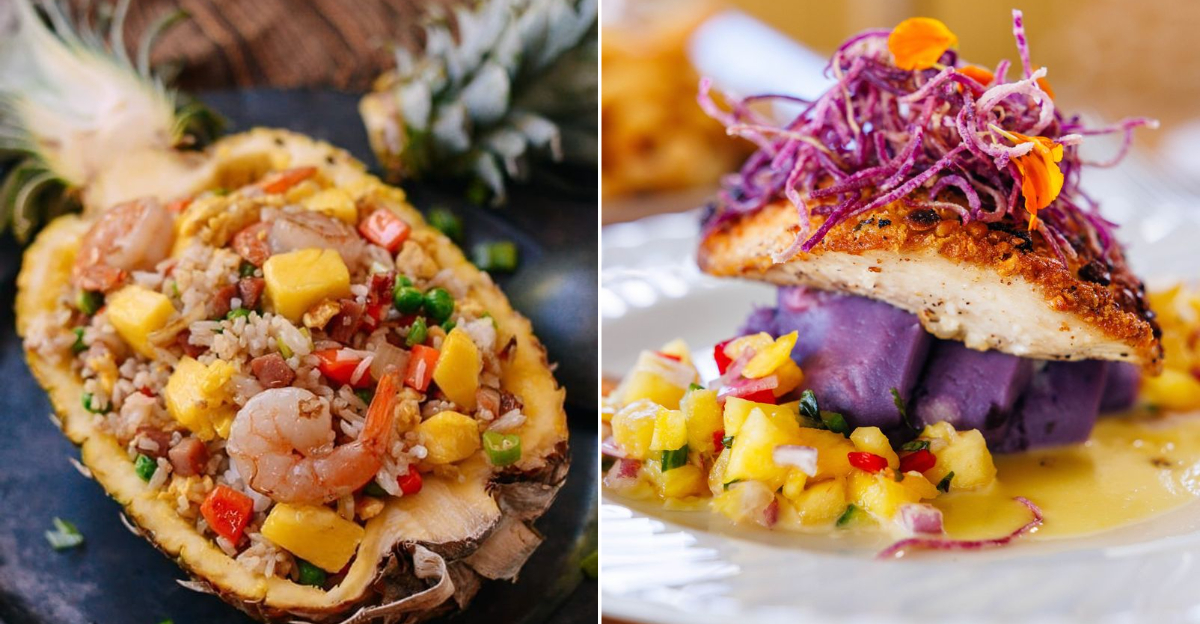
4. Pineapple Fried Rice (served in a pineapple)
Nothing screams “tourist trap” louder than fried rice served in a hollowed-out pineapple!
While the presentation makes for great Instagram photos, most locals would laugh at the idea of paying triple for rice just because it’s in fancy packaging.
Traditional Hawaiian fried rice is typically served on a regular plate and often includes Portuguese sausage.
The pineapple boat version exists almost exclusively in Waikiki restaurants and resort luaus where visitors happily shell out $20+ for the experience.
5. Macadamia Nut–Crusted Mahi Mahi
Found on practically every resort menu across the islands, this fish dish has become the poster child for “fancy Hawaiian cuisine.”
Locals certainly eat mahi mahi, but rarely with this particular preparation that seems designed for mainland palates.
Home cooks and local restaurants more commonly prepare fish with Asian-inspired marinades or traditional Hawaiian methods like poke.
The macadamia crust version, usually drizzled with a too-sweet mango sauce, is mostly reserved for impressing out-of-town relatives at special dinners.
6. Coconut Shrimp
While undeniably tasty, coconut shrimp is more Caribbean than Hawaiian. The sweet, crunchy coating paired with sugary dipping sauce appears on nearly every tourist menu but rarely at local gatherings.
Hawaii residents are more likely to enjoy garlic shrimp from North Shore food trucks or Chinese-style salt and pepper shrimp.
When locals cook shrimp at home, they typically prepare it with butter and garlic or in stir-fries with vegetables, skipping the heavy breading entirely.
7. Pineapple Teriyaki Burger
Slapping a pineapple ring on a teriyaki burger doesn’t make it Hawaiian, despite what tourist menus might suggest!
This mainland creation plays into visitor expectations that everything in Hawaii must involve pineapple. Local burger joints focus on quality beef, often using local grass-fed meat with traditional toppings.
When Hawaii residents want a unique burger, they’re more likely to order one topped with spam, a fried egg, or avocado. The pineapple-topped burger remains firmly in visitor territory.
8. Pineapple Upside-Down Cake
This retro dessert appears on luau buffets and resort menus island-wide, but you’d be hard-pressed to find it at local family gatherings. The vintage cake doesn’t reflect Hawaii’s diverse culinary landscape.
Local families are more likely to bring butter mochi, haupia, or kulolo to potlucks.
Even when pineapple makes it into local desserts, it’s usually in more contemporary forms like pineapple-lilikoi bars or in Filipino-inspired treats that better represent Hawaii’s multicultural community.
9. Poke Nachos
Someone decided to put raw fish on tortilla chips, and tourists can’t get enough!
This fusion monstrosity combines authentic poke with decidedly un-Hawaiian nacho elements like melted cheese, jalapeños, and sour cream.
Traditional poke is a simple dish of cubed raw fish seasoned with salt, limu (seaweed), and inamona (roasted kukui nut).
Locals enjoy poke over rice or by itself, not piled on fried tortilla chips with Mexican-inspired toppings. This creation exists purely for visitors looking for familiar formats.
10. Ahi Tuna Tower
Stacked layers of tuna, avocado, and crab might look impressive on a white plate, but this architectural food feat is purely for tourists.
The tower presentation adds $10 to the price tag without adding flavor. Local poke shops serve fresh ahi in simple plastic containers without the fancy vertical arrangement.
Hawaii residents know that quality fish doesn’t need elaborate presentation gimmicks. When locals want poke, they head to neighborhood markets or fishing docks, not upscale restaurants with food sculptures.
11. Lilikoi Cheesecake
Lilikoi (passion fruit) is definitely beloved in Hawaii, but not typically in cheesecake form! This dessert was created to give tourists a taste of something “exotic” while staying in their comfort zone.
Local families might make lilikoi butter or chiffon pie with backyard fruit. The cheesecake version is primarily found in tourist areas where mainland visitors want familiar desserts with a tropical twist.
Real local desserts featuring lilikoi include crack seed, shave ice toppings, or simple juice drinks.
12. Lilikoi Meringue Pie
Another mainland-friendly twist on Hawaiian flavors, this tropical take on lemon meringue pie rarely appears at local family gatherings.
The fancy presentation and perfectly torched meringue peaks scream “resort dessert.” Hawaii’s plantation history has given us a rich dessert tradition including malasadas, mochi, and haupia pie.
When locals use lilikoi in desserts, it’s more likely to be in butter mochi, as ice cream, or in simple homemade jams. The meringue version exists primarily for tourists seeking familiar formats.
13. Banana Macadamia Nut Pancakes
Tourist brochures love showcasing these decadent pancakes topped with bananas and macadamia nuts, but they’re rarely a local breakfast choice.
The $18+ price tag at resort restaurants keeps most residents away. Local families make simpler pancakes at home, often using Bisquick or Portuguese sweet bread batter.
For special occasions, locals might splurge on local-style breakfast at neighborhood spots serving loco moco or Portuguese sausage with eggs. The fancy pancake stacks remain firmly in visitor territory.
14. Kalua Pork Sliders
Kalua pig is absolutely authentic Hawaiian food, but serving it on tiny buns with coleslaw and BBQ sauce? Pure tourist fare! This miniaturized version transforms a sacred Hawaiian tradition into a handheld appetizer.
Traditionally, kalua pig is prepared in an underground imu (earth oven) and served with poi at luaus and important gatherings.
Local families enjoy leftover kalua pig with cabbage or in fried rice. The slider version exists primarily on pupus (appetizer) menus at bars catering to visitors.
15. Pineapple Chicken
Sweet-and-sour chicken dotted with pineapple chunks is a tourist menu staple that most locals skip entirely.
The overly sweet sauce and canned pineapple pieces represent mainland Chinese-American cuisine more than authentic Hawaiian food.
Local families enjoy chicken prepared with shoyu (soy sauce), garlic, or adobo seasonings reflecting Hawaii’s diverse Asian and Pacific influences.
When eating out, residents are more likely to order mochiko chicken, Korean fried chicken, or huli huli chicken from neighborhood plate lunch spots.
16. Teriyaki Chicken with Pineapple Rings
Adding pineapple rings to teriyaki chicken is a clear giveaway that you’re eating at a tourist spot. Local-style teriyaki (called “teri chicken” by residents) never includes fruit garnishes or rings.
Authentic Hawaiian teriyaki features a shoyu-based marinade with ginger and garlic, typically served with rice and mac salad.
The pineapple-adorned version appears almost exclusively in hotel restaurants and luau buffets. Local plate lunch spots would never waste menu space on this tourist creation.
17. Macadamia Nut–Crusted Ono
Ono (wahoo) is a delicious local fish, but the macadamia crust treatment is primarily for visitors willing to pay premium prices. This preparation method masks the fish’s natural flavor beneath nuts and sweet sauces.
Local fishermen and families typically prepare ono simply – grilled with salt and pepper, in poke, or in fish soup.
The nut-crusted version with papaya-mango salsa appears almost exclusively in oceanfront restaurants where tourists happily pay $40+ per plate for the “Hawaiian” experience.
18. Pineapple Spam Fried Rice
Spam is genuinely beloved in Hawaii, but adding pineapple to Spam fried rice is a tourist-targeted modification.
The sweet and salty combination looks pretty on Instagram but strays from how locals actually enjoy this canned meat product.
Authentic Spam dishes in Hawaii include Spam musubi, Spam and eggs, or Spam fried rice with vegetables. No pineapple necessary!
Local cooks know that Spam’s salty flavor pairs better with seaweed, eggs, or shoyu than with sweet tropical fruit.
19. Pineapple Macadamia Nut French Toast
Vacation breakfast at its most extravagant! This calorie bomb features thick bread soaked in coconut batter, then topped with pineapple, macadamia nuts, and coconut syrup – all for the bargain price of $22.
Local families make simpler French toast using sweet bread or sandwich bread with maple syrup or coconut syrup.
When locals splurge on breakfast, they’re more likely to order loco moco, Portuguese sausage with eggs, or mochi pancakes from neighborhood diners rather than this tourist creation.