
15 Virginia Recipes That Locals Defend Like Southern Traditions
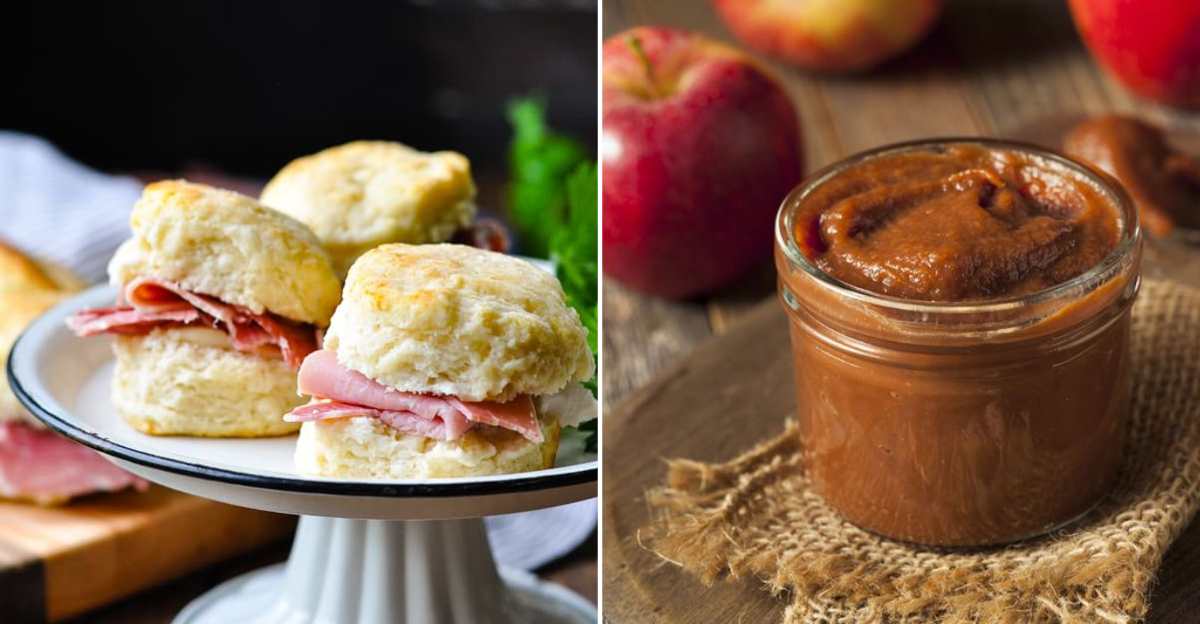
Virginia’s kitchen stories run as deep as the James River, with recipes handed down through generations like treasured family heirlooms.
Across the state, locals fiercely protect their traditional dishes, ready to argue over everything from the perfect Brunswick stew to the flakiest beaten biscuits.
Each recipe carries a piece of history, blending Native American, Colonial, and Southern influences into flavors that define the Old Dominion.
So get ready to taste the dishes that have shaped Virginia’s rich culinary legacy.
1. Country Ham Biscuits with Smithfield Ham
Nothing says Virginia hospitality quite like paper-thin slices of salt-cured country ham nestled between fluffy buttermilk biscuits.
Smithfield’s centuries-old curing tradition is protected by Virginia law, which restricts the “Genuine Smithfield ham” designation to hams cured within the town of Smithfield – often likened to a protected regional designation in France.
Horse country gatherings and holiday parties wouldn’t be complete without platters of these salty-sweet gems. Many families swear by adding a dab of fig jam or stone-ground mustard to balance the ham’s intensity.
The art lies in slicing the ham whisper-thin and pairing it with biscuits that won’t crumble under pressure.
2. Brunswick Stew from the Piedmont
Brunswick County claims bragging rights to this thick, hearty stew that’s been warming Virginia souls since the 1820s. Long-simmered chicken and pork mingle with tomatoes, corn, and lima beans in cast-iron kettles that bubble away for hours.
Church fundraisers across central Virginia rely on this crowd-pleaser, with each congregation guarding their secret spice blend. The texture should be thick enough that a wooden spoon stands upright without toppling over.
Fall weekends mean the smoky aroma of Brunswick stew wafting through small towns, drawing hungry folks from miles around.
3. Colonial Peanut Soup
Colonial Williamsburg may have put this creamy concoction on the map, but Virginia’s peanut belt around Suffolk has been perfecting it for generations. Roasted peanuts get pureed with rich stock and cream, creating a velvety soup that tastes like liquid comfort.
My grandmother always finished hers with a little extra richness, though she’d never admit it at church socials. The key lies in roasting the peanuts just until fragrant, never burnt.
Historic inns serve this as an elegant starter, proving that humble peanuts can be downright sophisticated when treated with respect.
4. Virginia Peanut Pie
Southeast Virginia’s answer to pecan pie swaps Georgia nuts for local peanuts, creating a dessert that’s both familiar and distinctly Virginian. The filling combines roasted peanuts with dark corn syrup or sorghum, eggs, and butter for a custardy center with satisfying crunch.
Church bake sales and farm community gatherings showcase dozens of variations, each baker convinced theirs reigns supreme. The secret often lies in the syrup choice and whether to chop the peanuts coarse or fine.
Served warm with a scoop of vanilla ice cream, this pie converts even the most devoted pecan pie lovers.
5. Traditional Virginia Spoonbread
Forget everything you know about cornbread because spoonbread plays by different rules entirely. This custardy cornmeal pudding rises with beaten eggs and milk, creating a texture so soft it requires a spoon rather than slicing.
Holiday tables across Virginia feature this golden side dish, with families refusing to replace it with store-bought stuffing. Indigenous corn cookery meets Southern baking techniques in this time-honored recipe.
Best served piping hot from the oven with butter melting into every spoonful, followed by a drizzle of honey or sorghum for sweetness that complements any meal.
6. Crab Norfolk Style
Hampton Roads restaurants made this dish famous, but home cooks perfected the art of letting Chesapeake blue crab speak for itself. Lump crabmeat gets gently tossed with butter, fresh lemon juice, and parsley.
The beauty lies in restraint – no heavy fillers or overwhelming spices to mask the sweet crab flavor. Individual casserole dishes or toast points provide the perfect vehicle for this simple yet elegant preparation.
Local watermen’s families have been preparing crab this way for decades, proving that sometimes the simplest preparations showcase ingredients best.
7. Chincoteague Oyster Fritters
Eastern Shore seafood camps have been turning out these crispy morsels for generations, transforming briny Chincoteague oysters into golden fritters that disappear faster than summer tourists. Chopped oysters fold into seasoned batter before hitting hot oil until perfectly crisp.
Firehouse fundraisers and bridge-side gatherings rely on these crowd-pleasers to fill bellies and coffers alike. The batter should be light enough to let the oyster flavor shine through without overwhelming the delicate shellfish.
Served on split rolls with hot sauce or eaten straight from the fryer, these fritters capture the essence of Virginia’s barrier islands.
8. Lynnhaven Oyster Stew
Virginia Beach’s Lynnhaven River once produced oysters so famous they graced presidential tables, and this simple stew celebrates their legendary briny sweetness. Fresh oysters are poached gently in milk and cream with butter, celery salt, and white pepper.
Winter evenings call for this warming bowl that tastes like the Virginia coast in liquid form. Purists insist on keeping it simple – no flour thickeners or fancy additions that might mask the oysters’ natural flavor.
The key lies in gentle heat and perfect timing, cooking just until the oyster edges curl while maintaining their tender texture throughout.
9. Shad Roe with Bacon and Grits
Spring fish runs on Virginia’s rivers bring shad upstream, and their delicate roe signals the season’s arrival to Tidewater families who’ve been celebrating this way for generations. The roe sacs require gentle sautéing in bacon fat to prevent bursting.
Finished with fresh lemon juice and capers, then served over creamy buttered grits, this dish represents Virginia’s river heritage on a plate. The bacon adds smoky richness while the grits provide a comforting foundation.
Timing is everything – too much heat ruins the roe’s delicate texture, while perfectly cooked roe practically melts on the tongue with subtle fishy sweetness.
10. Shenandoah Apple Butter
Blue Ridge orchards provide the raw material for this deeply spiced preserve that turns autumn into edible gold. Long cooking reduces fresh apples to spreadable perfection, traditionally stirred in copper kettles over wood fires.
Fall festivals throughout the Shenandoah Valley feature community ‘stirrings’ where neighbors take turns with the long wooden paddle. The process can take all day, but the rich, caramelized result is worth every minute of stirring.
Church groups and mountain families guard their spice combinations closely, though cinnamon, allspice, and cloves typically make appearances in varying proportions that define each batch’s character.
11. Appalachian Apple Stack Cake
Southwest Virginia mountain weddings wouldn’t be complete without this towering testament to patience and tradition. Multiple thin layers of molasses-sweetened cake sandwich spiced apple butter, creating a dessert that improves with time.
Each family guards their handed-down recipe, with layer count and spicing varying between households. The magic happens as the cake rests – apple butter slowly softens the firm layers until they meld into tender perfection.
Wedding guests often brought layers to contribute, making the final cake a community effort that symbolized support for the new couple’s future together.
12. Chesapeake Oyster Dressing
Thanksgiving tables across coastal Virginia spark passionate debates over this holiday essential that divides families into oyster and non-oyster camps. Bread-based dressing incorporates chopped oysters, onions, celery, and herbs with enough butter to make cardiologists weep.
Peninsula families and Northern Neck households have perfected their versions over generations, each convinced theirs represents the definitive preparation. The key lies in balancing oyster brininess with savory vegetables and herbs.
Shallow pans create the coveted crispy edges while keeping the center moist, and the oyster liquor adds depth that regular stuffing simply cannot match.
13. Fried Blue Catfish
Tidal rivers throughout the Chesapeake watershed teem with blue catfish, and Virginia cooks have turned this invasive species into a delicious solution. Cornmeal coating creates a perfect crunch while the mild, flaky flesh stays tender inside.
Eating these fish actually helps the bay ecosystem while delivering fantastic flavor – a win-win situation that locals embrace wholeheartedly. The fish takes beautifully to lemon juice and hot sauce after emerging golden from the fryer.
Served alongside coleslaw and hushpuppies, this preparation proves that sometimes environmental problems can taste absolutely wonderful when approached with the right cooking techniques and seasonings.
14. Virginia Piedmont Pulled Pork
Central Virginia’s barbecue tradition borrows from Carolina techniques while maintaining its own distinct character through tangy vinegar-pepper sauces that complement rather than overwhelm the pork. Shoulder cuts smoke slowly over oak and hickory until tender enough to pull apart.
County fairs and church fundraisers rely on this crowd-pleaser, with pitmasters guarding their sauce recipes like state secrets. Sweetness stays in check, letting the meat’s natural flavor and wood smoke take center stage.
Served on buns with coleslaw piled high, this represents Virginia’s contribution to the great barbecue traditions of the American South.
15. Baked Chesapeake Rockfish
Striped bass, known locally as rockfish, anchors Sunday suppers throughout Tidewater Virginia with its clean, mild flavor that needs little embellishment. Simple preparations featuring butter, fresh lemon, and herbs allow the fish’s natural taste to shine.
Rivers feeding the Chesapeake Bay provide this prized catch that graces family tables and restaurant menus with equal success. A light breadcrumb topping adds texture without overwhelming the delicate flesh beneath.
The cardinal rule remains simple: don’t overcook. Properly baked rockfish flakes easily while remaining juicy throughout, delivering the pure taste of Virginia’s coastal waters to every bite.