
The Charming Iowa Farm Town Where Harvest Festivals Still Rule The Fall
Nestled among the golden cornfields of northwestern Iowa, Sioux Center shines each autumn as a community deeply rooted in tradition and togetherness.
Here, harvest festivals are more than just seasonal events—they’re heartfelt celebrations of heritage, honoring the labor of farmers while bringing neighbors together in joy and gratitude.
When I visited last fall, I was struck by the authenticity of it all: the homemade pies cooling on tables, the laughter of children playing in pumpkin patches, and the sense of pride woven into every detail. Unlike the polished, commercialized festivals I’d seen elsewhere, Sioux Center offered something rarer—genuine small-town magic.
Farmland Heritage Comes Alive Through Demonstrations
My jaw dropped watching gray-haired farmers operate century-old threshing machines with the precision of concert pianists! Nothing compares to seeing wheat separation methods that built America, performed by folks whose grandparents taught them the technique.
Children gather wide-eyed around blacksmith forges where metal bends to human will. The rhythmic clang of hammers echoes across the festival grounds while sparks dance into the crisp autumn air.
These aren’t actors in costumes—they’re locals sharing genuine skills passed through generations. I tried my hand at rope-making and produced something that looked more like a tangled fishing line, much to everyone’s amusement!
Community Bonds Strengthen Through Shared Harvest Work
Volunteering at the apple cider press station changed my perspective completely. Families worked together, grandparents guiding small hands in turning fruit into sweet amber liquid—no smartphones in sight!
“We’ve pressed cider together for 43 harvests,” whispered Martha, an 80-year-old woman with twinkling eyes, as she handed me a cup of the freshest cider I’ve ever tasted. Her grandson beamed with pride beside her.
The festival transforms strangers into friends through shared labor. I watched city visitors roll up sleeves alongside farmers, laughing over corn-shucking competitions where technique trumps technology every time.
Seasonal Foods Showcase Iowa’s Agricultural Bounty
“Try these corn fritters—recipe hasn’t changed since 1903!” A woman in a homemade apron thrust a plate toward me, and that first bite transported me through a century of Iowa farming tradition. Fresh-harvested ingredients transform simple recipes into extraordinary experiences.
Handwritten recipe cards exchange hands like precious currency at the festival baking contests. I watched judges deliberate over pumpkin pies with the seriousness of Supreme Court justices—the winning recipe apparently featured a secret ingredient passed down five generations!
Farm-to-table isn’t a trendy concept here—it’s simply how meals have always been prepared. The harvest dinner brings everyone together at long wooden tables beneath trees blazing with autumn colors.
Historical Education Preserves Farming Knowledge
Stepping into the recreated one-room schoolhouse felt like time travel! Children today giggled while trying to write with real inkwells under the watchful eye of a retired teacher dressed in period clothing.
“Before computers calculated everything, farmers used these,” explained Tom, showing me hand-calculation methods for predicting yields. His weathered hands moved across antique ledgers with practiced ease, demonstrating farming mathematics that predated digital technology.
What struck me most was how teenagers—usually glued to phones—became fascinated by demonstrations of manual cream separation. The look of wonder when they realized how much knowledge and skill past generations needed just to produce basic dairy products was priceless!
Artisanal Crafts Showcase Rural Ingenuity
Quilts hanging from clotheslines stopped me in my tracks! Each stitch told stories of Iowa winters spent creating beauty from fabric scraps. The quilting circle welcomed me instantly, laughing as I fumbled with my first awkward attempts.
“This loom belonged to my great-grandmother who arrived here in 1888,” shared Ellen, her fingers dancing across wooden shuttles. The woolen scarves she created from local sheep’s wool carried both warmth and history.
Most fascinating was watching corn husks transform into intricate dolls and decorations. Nothing goes to waste in farm culture! I purchased a cornhusk wreath that now hangs in my city apartment—a daily reminder of ingenuity born from necessity rather than trend.
Generational Storytelling Creates Living History
“The drought of ’56 nearly broke us all.” Harold’s voice cracked slightly as he shared tales from the storytelling circle. Children sat cross-legged, mesmerized by firsthand accounts of farming challenges that no textbook could capture.
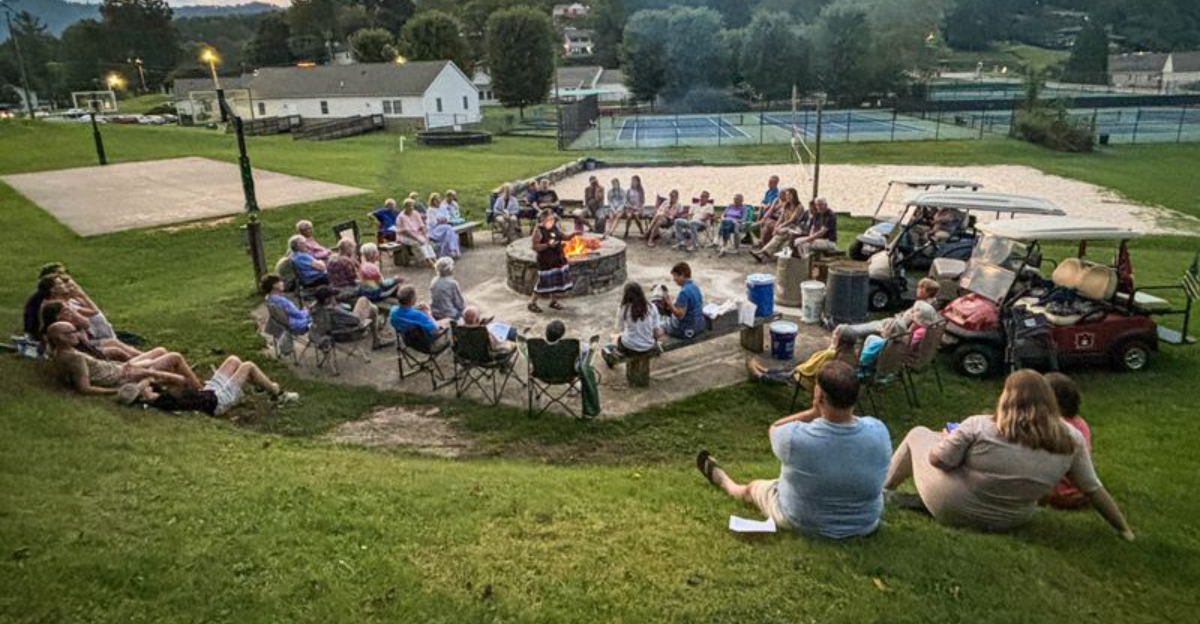
Around crackling bonfires, families exchange memories of harvests past. I watched grandparents point to fields visible from the festival grounds, describing how the same land has transformed over decades while remaining in the same caring hands.
What surprised me most was how these stories weren’t just nostalgic entertainment—they contained practical wisdom about weather patterns, soil conservation, and community support systems that remain relevant today. The oral tradition here isn’t just preserving history; it’s guiding future farmers.
Seasonal Rhythms Connect People to Nature’s Cycles
Morning fog lifted dramatically over golden fields as festival-goers gathered at dawn. “We still plan our lives around what the land needs,” explained farmer Kate, pointing to how even the festival schedule aligns with actual harvesting timelines—not arbitrary calendar dates.
Hay bale mazes aren’t just tourist attractions here. They represent the genuine celebration of successful harvests, with each activity timed to honor natural agricultural cycles that modern life often obscures.
I found myself checking the position of the sun instinctively by day’s end, my body somehow recalibrated to natural rhythms. The festival doesn’t just commemorate harvest—it physically reconnects visitors to seasonal awareness that our ancestors never lost, reminding us that despite technological advances, we remain dependent on nature’s generous timing.