
Chicago Pizza In The 1970s Followed Rules That Would Stun Tourists Today
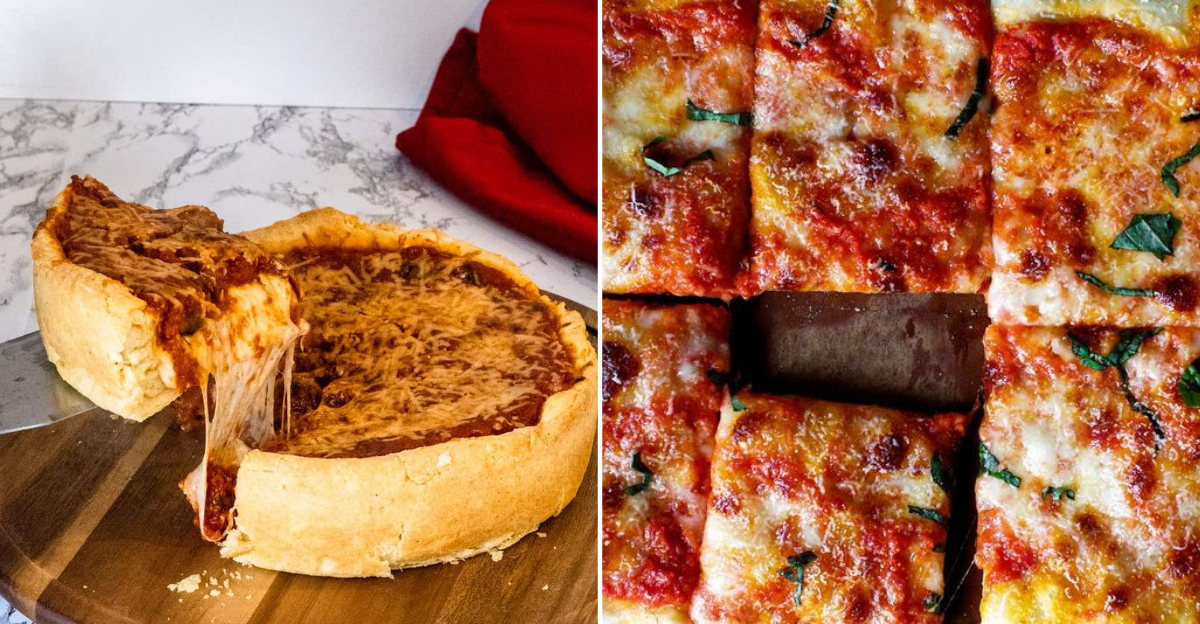
Chicago pizza in the 1970s operated by a completely different playbook than what tourists experience today.
Back then, pizza makers followed strict unwritten rules that shaped how they prepared, served, and enjoyed their pies.
These old-school practices created a unique pizza culture that would seem strange to modern visitors expecting today’s familiar routines.
Marathon Baking Sessions Required Serious Patience
Deep dish pizzas demanded nearly an hour in blazing hot ovens, testing everyone’s patience. Pizza makers cranked temperatures way up, creating intense heat that slowly transformed thick crusts into golden perfection.
Customers learned to order early and find ways to pass time. Some brought books, others played cards, turning pizza nights into social events.
Modern tourists expect quick service, but 1970s Chicagoans understood good things required waiting.
Cornmeal Magic Prevented Kitchen Disasters
Smart pizza makers sprinkled cornmeal generously across pan bottoms before adding dough. This simple trick prevented crusts from welding themselves permanently to metal surfaces during long baking sessions.
The cornmeal also created subtle texture changes that regular customers came to expect. Each bite delivered tiny pops of grittiness that enhanced the overall eating experience.
Today’s tourists rarely notice this detail, but 1970s pizza lovers could taste the difference immediately.
Upside Down Construction Confused Newcomers
Chicago pizza makers built their pies backwards, placing cheese directly against the bottom crust. Toppings got piled on next, creating layers that seemed completely wrong to outsiders.
This reverse engineering method served important purposes during extended baking times. The cheese melted slowly and evenly, while toppings stayed properly distributed throughout the thick creation.
Visitors from other cities often stared in confusion, wondering why everything appeared upside down from normal pizza logic.
Tavern Style Squares Made Perfect Bar Food
My uncle Tony always cut tavern pies into tiny squares, making them ideal for grabbing between conversations. These bite-sized pieces disappeared quickly, encouraging customers to order more rounds throughout their evening.
The square cutting method also prevented messy drips and spills around crowded bar areas. People could easily manage small pieces with one hand while holding conversations.
Modern tourists expect triangular slices, but 1970s bar culture demanded practical, manageable portions that enhanced social drinking experiences.
Simple Toppings Protected Fragile Crusts
Tavern style pizzas carried minimal toppings to prevent structural collapse during eating. Pizza makers understood that paper-thin crusts couldn’t support heavy loads without breaking apart completely.
Sausage, pepperoni, or mushrooms appeared sparingly, distributed carefully across surfaces. Too many toppings would create soggy spots that ruined the crispy texture customers expected from tavern pies.
This restraint required skill and judgment that modern pizza makers sometimes overlook when piling on excessive ingredients.
Protective Sauce Shields Saved Toppings
Sauce went on top of deep dish pizzas, creating protective barriers against intense oven heat. This unusual placement prevented cheese and toppings from burning during marathon baking sessions.
The sauce layer also locked in moisture, keeping ingredients tender and flavorful throughout extended cooking times. Without this protection, expensive toppings would shrivel and char beyond recognition.
Today’s tourists find this arrangement strange, but 1970s pizza science demanded sauce shields for successful deep dish construction.
Pizza Puffs Offered Portable Alternatives
Fried dough pockets stuffed with sauce and cheese provided quick alternatives to full pizza orders. These handheld treats satisfied customers who wanted pizza flavors without committing to entire pies.
Pizza puffs also served as appetizers while waiting for deep dish orders to finish baking. Their crispy exteriors and molten centers delivered instant gratification during long waits.
Modern tourists rarely encounter these local specialties, missing out on authentic 1970s Chicago pizza culture that extended beyond traditional pies.