
20 New York Dinner Table Habits From The 1960s That Would Leave Today’s Kids Staring
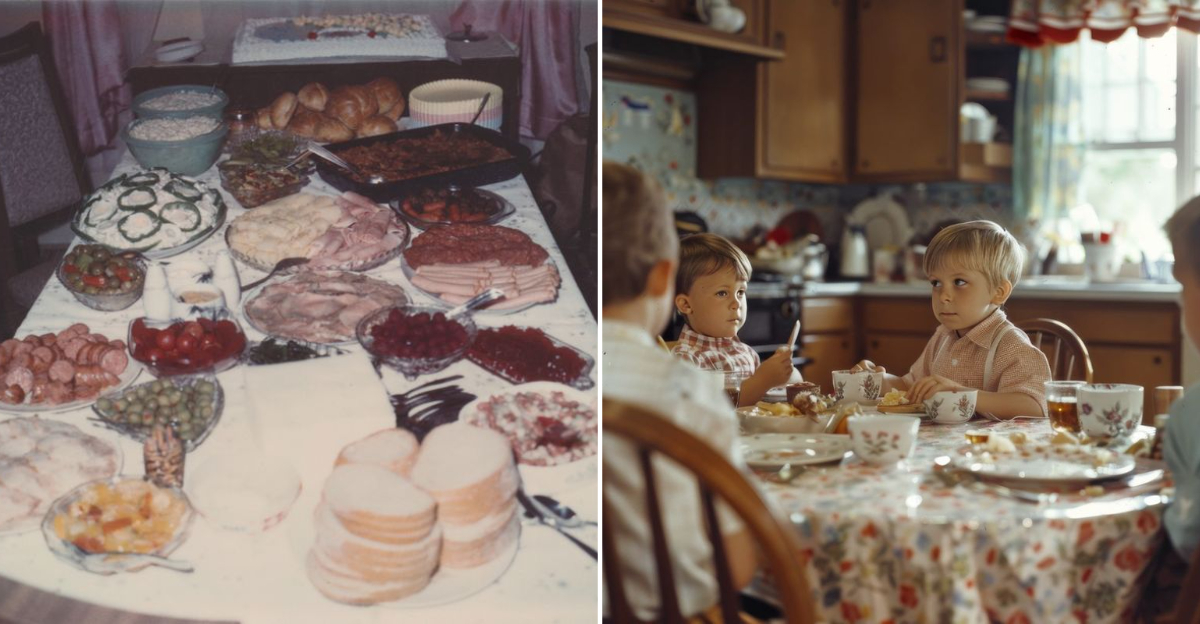
Imagine stepping into a 1960s New York dining room, where kids were expected to finish everything on their plate, milk was the drink of choice, and lighting up a cigarette after dinner didn’t raise an eyebrow.
Family meals followed strict rules, from no elbows on the table to asking permission before leaving your seat. What was once considered good manners might feel completely foreign to kids today.
These old-school table customs offer a fascinating glimpse into how much our mealtime routines have evolved over the years, reflecting a very different era of family life and dining expectations.
1. Milk Was The Only Dinner Drink
Every single child had a tall glass of cold milk sitting next to their dinner plate. Nobody questioned this rule because milk was considered essential for growing bodies.
Parents believed strongly that calcium from milk would build strong bones and teeth. Water during meals was practically unheard of in most households.
Modern kids would probably stare in disbelief at this mandatory milk requirement every single night.
2. Wonder Bread Graced Every Table
Fluffy white bread like Wonder Bread or Silvercup appeared at practically every dinner meal. Families bought multiple loaves weekly because bread accompanied almost everything they ate.
Butter dishes sat nearby so everyone could slather their bread slices generously. Whole wheat bread was considered health food that most kids avoided completely.
Today’s children might wonder why anyone chose such plain bread over the varieties available now.
3. Clean Plate Club Was Serious Business
Leaving food on your plate meant facing parental disappointment and possibly missing dessert entirely. Children learned early that wasting food was absolutely unacceptable in any household.
My grandmother used to remind us about starving children elsewhere whenever we hesitated. This rule created lifelong habits about portion control and food appreciation.
Modern kids might struggle with this rigid expectation when they simply feel full halfway through.
4. TV Dinners On Metal Trays
Swanson TV dinners served on aluminum trays became the ultimate convenience meal for busy nights. Families heated these compartmentalized meals in their ovens for exactly twenty-five minutes.
Each tray contained meat, vegetables, and dessert in separate sections that never mixed together. Kids found these meals exciting because they felt like airplane food or restaurant experiences.
Today’s children would probably laugh at these simple frozen meals compared to current options.
5. Jell-O Molds Filled With Everything
Colorful Jell-O creations containing fruit, vegetables, or even shrimp appeared regularly as side dishes. Mothers spent time creating elaborate molded shapes that wobbled impressively on serving plates.
Lime Jell-O with cottage cheese was surprisingly popular among adults back then. These gelatin concoctions were considered both nutritious and elegant for family dinners.
Modern kids would definitely stare at shrimp suspended in wobbly green gelatin with complete confusion.
6. Canned Vegetables Ruled The Plate
Green beans, corn, and peas came straight from cans and appeared at dinner tables nightly. Fresh vegetables were expensive and required more preparation time than busy mothers could manage.
These soft, slightly mushy vegetables were heated in saucepans with butter and salt. Most children accepted this texture because they knew nothing different existed back then.
Today’s kids accustomed to crisp fresh vegetables might find these soggy versions completely unappetizing.
7. Grace Before Every Single Meal
Families joined hands around the table and said prayers before touching any food whatsoever. This tradition happened regardless of religious denomination or personal beliefs in most households.
Children learned specific prayers by heart and took turns leading the family blessing. Even guests were expected to participate respectfully in this dinner ritual.
I remember my father insisting we hold hands even when friends visited for dinner.
8. Elbows Off The Table Always
Parents constantly reminded children to keep their elbows away from the table surface during meals. This rule was enforced with gentle taps or stern looks whenever anyone forgot.
Good posture and proper manners were considered essential life skills that started early. Children learned to sit straight and use utensils correctly from their earliest dining experiences.
Modern kids might find these strict posture rules unnecessarily formal for casual family dinners.
9. Iceberg Lettuce Salad Bowls
Crisp iceberg lettuce topped with bottled French or Thousand Island dressing appeared before most dinner meals. Salads were simple affairs without fancy greens or exotic ingredients of any kind.
Sometimes families added tomato wedges or cucumber slices for extra variety and nutrition. These basic salads were considered healthy starts to proper family dinners back then.
Today’s children used to mixed greens might wonder why anyone chose such plain lettuce varieties.
10. Butter Dishes Centered On Tables
Round butter dishes with glass covers sat prominently in the middle of every dinner table. Fresh butter was essential for bread, rolls, and vegetables that needed extra flavor enhancement.
Families used special butter knives to spread portions onto their individual bread slices. These dishes were refilled regularly because butter consumption was much higher than today’s standards.
Modern kids might be surprised by how much butter families used during their regular meals.
11. Ashtrays Near The Dining Area
Glass ashtrays sat nearby because smoking after dinner was completely normal and socially acceptable behavior. Parents often lit cigarettes while children finished their desserts at the same table.
Nobody considered secondhand smoke dangerous or inappropriate around family meals back then. These ashtrays were cleaned regularly and considered necessary dining room accessories for most households.
Today’s health-conscious kids would probably stare in shock at cigarettes during family dinner time.
12. Ketchup For Almost Everything
Heinz ketchup bottles appeared on tables because this condiment enhanced nearly every main dish imaginable. Children poured ketchup on meatloaf, chicken, and even some vegetable preparations without question.
Parents encouraged ketchup use because it helped kids eat foods they might otherwise refuse. This sweet tomato sauce made bland meals more appealing to young palates back then.
My mother let us put ketchup on scrambled eggs, which horrifies my own children today.
13. Meat And Potatoes Every Night
Hearty portions of beef, pork, or chicken appeared alongside mashed, baked, or fried potatoes nightly. This combination was considered the foundation of proper American family nutrition and satisfaction.
Vegetables were secondary additions to these protein and starch centered meals always. Families planned their grocery shopping around finding good meat deals for weekly dinner preparations.
Today’s diverse food culture would seem incredibly exotic to kids from this meat-focused era.
14. Dessert Happened Every Single Night
Sweet treats like cake from mixes, homemade pies, or chocolate pudding ended every family dinner. Mothers considered dessert essential for complete meals and happy children at bedtime.
Betty Crocker cake mixes and Jell-O pudding cups made these nightly sweets manageable for busy families. Skipping dessert was punishment reserved for serious misbehavior or incomplete dinner plates only.
Modern parents focused on limiting sugar would find this daily dessert tradition completely overwhelming.
15. Dad Always Claimed The Head Seat
Fathers automatically sat at the head of the dining table while mothers served meals. This seating arrangement reflected traditional family hierarchies that nobody questioned or challenged back then.
Children sat along the sides in age order with the youngest closest to mother. These formal arrangements created structure and showed respect for parental authority during family meals.
Today’s more egalitarian families might find these rigid seating rules unnecessarily patriarchal and outdated.
16. Permission Required For Second Helpings
Children had to ask politely before taking additional portions of any dish during dinner. This rule taught patience and prevented food waste while ensuring everyone got fair shares.
Parents controlled portion sizes and decided whether second helpings were appropriate that evening. Good behavior during the meal was often rewarded with permission for extra servings.
I still remember raising my hand slightly and asking ‘May I have more potatoes please?’ every time.
17. Kool-Aid And Tang Instead Of Soda
Colorful powdered drink mixes like cherry Kool-Aid or orange Tang filled children’s glasses during family dinners. These sweet beverages were cheaper than soda and easier to prepare in large quantities.
Mothers mixed these drinks in glass pitchers and added plenty of sugar for extra sweetness. Soda was reserved for special occasions or restaurant visits rather than regular home consumption.
Modern kids accustomed to endless beverage choices might find these limited options surprisingly restrictive and boring.
18. Food Served In Shared Platters
Large serving dishes filled with food were passed clockwise around the dinner table nightly. Everyone helped themselves to appropriate portions while the dishes made their way around completely.
This family-style serving created opportunities for conversation and sharing during the meal process. Children learned patience while waiting for dishes to reach their seats at the table.
Today’s individually plated meals might seem impersonal compared to this communal serving style from decades past.
19. Casseroles As Weeknight Staples
Homemade casseroles like tuna noodle bake or cheesy baked ziti appeared regularly during busy school nights. These one-dish meals could feed large families economically while requiring minimal preparation time.
Mothers prepared these hearty combinations in large glass baking dishes that went straight to tables. Casseroles stretched expensive ingredients like meat and cheese while providing filling, satisfying family dinners.
Modern kids might find these mixed-together meals less appealing than today’s more separated food presentations.
20. Children Stayed Quiet During Adult Conversations
Kids were expected to eat politely while parents discussed their day and adult topics. Speaking without permission or interrupting grown-up conversations was considered extremely rude behavior that brought immediate correction.
Children learned to listen respectfully and only participate when specifically asked questions by adults. This rule created peaceful dinner environments where parents could connect after long workdays.
Today’s more interactive family discussions might seem chaotic to children raised with these stricter conversation rules.