
These Michigan Sandwich Counters Are Protected By Locals Who Refuse To Share
Growing up in Michigan, I stumbled upon what felt like a secret underground network—a collection of sandwich shops so beloved that locals protect them like family heirlooms.
These spots are not just ordinary delis; they’re community treasures, each with a story layered as richly as the flavors between the bread. Step inside and you’ll find more than just a menu—you’ll feel the pride of generations who’ve kept these places thriving.
The protectiveness Michiganders show isn’t about being exclusive; it’s about safeguarding authenticity in a world crowded with chains and copycats. Here, sandwiches are more than food—they’re cultural touchstones.
Precious Family Recipes Handed Down For Generations
My first bite at Hygrade Deli nearly brought tears to my eyes. The corned beef recipe hasn’t changed since 1972, and locals wouldn’t have it any other way. The owner once told me his grandmother would haunt him if he altered a single spice.
These places aren’t just following recipes—they’re preserving family legacies. The bread at Mike’s Famous Ham Place comes from formulas scribbled in faded notebooks, passed through three generations of bakers.
When recipes survive decades unchanged, they become more than food—they become heritage. That’s something worth protecting from the whims of trendy food movements.
Counter Culture That Can’t Be Replicated
Standing at Ernie’s Market counter last summer, I watched magic unfold. The sandwich artist called everyone ‘Baby!’ while building towering masterpieces with practiced hands. You can’t franchise that kind of character.
The physical counters themselves tell stories—knife marks from decades of service, worn spots where regulars plant their elbows. At Zingerman’s, the counter buzz creates a symphony of community connection impossible to duplicate elsewhere.
These aren’t just places to eat; they’re stages for daily performances of Michigan life. When someone new discovers the show, regulars exchange knowing glances: another convert to protect our sacred space.
Quirky Ordering Systems Only Locals Understand
First time at Mudgie’s, I fumbled through my order like a tourist at the Louvre. The regular behind me gently whispered, “Just say ‘Barrett with extra house sauce’ and they’ll know.” Secret sandwich code!
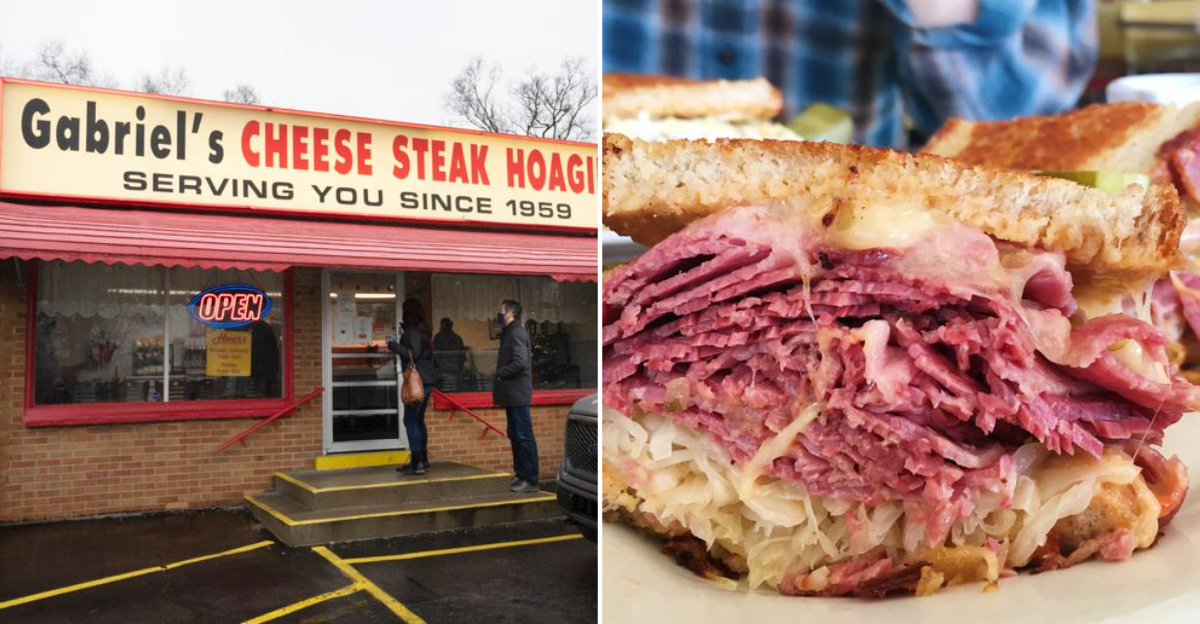
Many Michigan sandwich havens operate with unwritten rules. At Gabriel’s in Ypsilanti, they’ll eyeball you suspiciously if you don’t know to order your Italian sub “all the way” instead of listing toppings. These systems evolved organically over decades.
Mastering the lingo feels like earning a Michigan passport. Why would locals broadcast these codes to the world? The mild confusion of newcomers serves as a natural gatekeeper, preserving the rhythm that makes these places special.
Limited Seating Creates Exclusive Experience
“Only six stools at the counter!” my uncle exclaimed when describing Mike’s Famous Ham Place. This wasn’t a complaint but a badge of honor. The cramped quarters create an intimate experience where you might share elbow space with auto workers, professors, and city officials.
I’ve watched friendships form while strangers wait for these coveted seats. At Hygrade, the small dining area means you’ll likely overhear conversations about Detroit history from folks who lived it.
The limited capacity isn’t a business flaw—it’s the secret ingredient. Mass popularity would destroy this delicate ecosystem. So we guard these addresses, not out of selfishness, but to preserve the magic that happens when just the right number of people gather.
Sandwiches That Tell Michigan’s Story
The Dinty Moore at Hygrade isn’t just corned beef—it’s a time capsule from when Detroit’s Irish communities thrived alongside Jewish delis, creating beautiful culinary fusion. Every bite contains history!
Michigan’s sandwich counters reflect our state’s industrial backbone. The massive portions at Ernie’s Market were designed to fuel factory workers, while Zingerman’s artisanal approach mirrors Ann Arbor’s academic evolution.
When I bring out-of-state friends to these places, I’m not just sharing lunch—I’m giving them a taste of pure Michigan identity. That’s why we’re selective about who gets the tour. These aren’t tourist attractions; they’re living museums of our collective story.
Owners Who Remember Your Name (And Order)
“The usual today, Kim?” Stuart from Gabriel’s called out before I’d fully opened the door last Tuesday. My heart melted faster than the provolone on my sandwich. That personal connection is irreplaceable.
Michigan’s beloved sandwich spots are often run by owners who’ve been behind the counter for decades. They remember not just regular orders but life stories. At Ernie’s, the owner has been known to ask about children by name or remember job interviews he heard about weeks earlier.
This deep community connection creates fierce loyalty. We don’t just protect the sandwiches—we protect the people making them, their livelihoods, and the human touch that corporate chains could never replicate.
The Fear Of Overwhelming Success
Remember what happened to Slow’s Bar BQ? One national TV feature and suddenly two-hour waits became the norm. I’ve seen the panic in a regular’s eyes when a Michigan sandwich counter gets mentioned in a travel blog.
Success can be poison to these beloved institutions. More customers means pressure to speed up, cut corners, or expand beyond sustainable limits. The magic of Ernie’s Market would vanish if suddenly faced with lines around the block.
This protective instinct isn’t elitism—it’s preservation. We’ve watched too many Michigan gems collapse under the weight of sudden fame. So we share our sandwich secrets selectively, like precious family heirlooms, only with those who will appreciate their true value.