
15 Pennsylvania Dinner Table Traditions From The 1960s That Would Baffle Today’s Kids
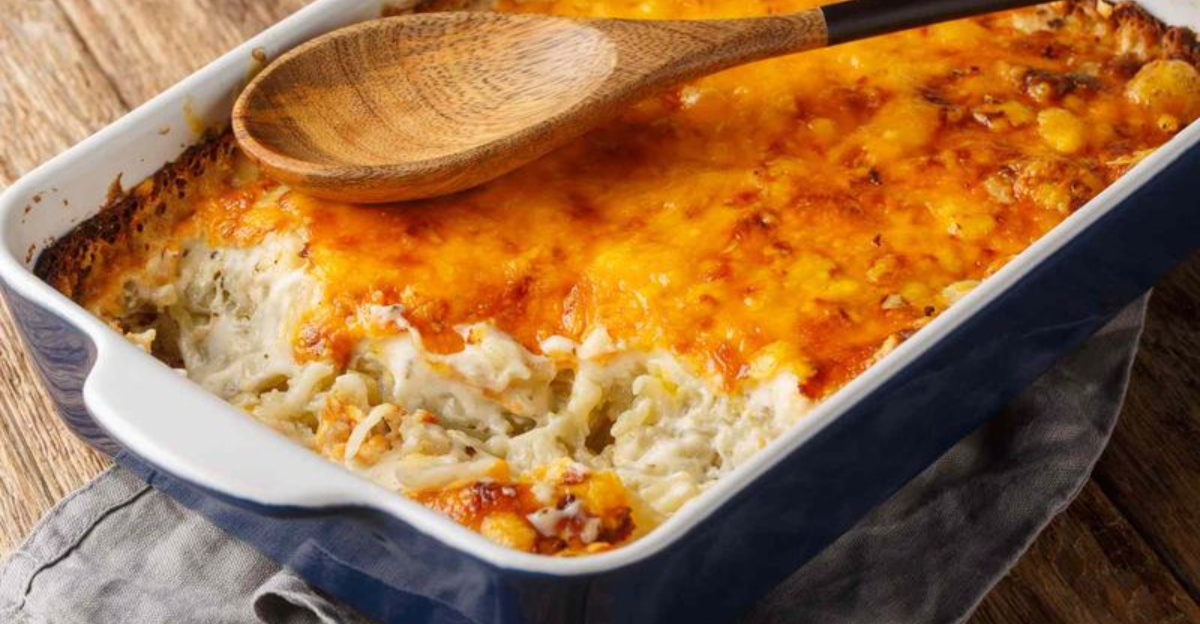
Growing up in 1960s Pennsylvania meant dinner time wasn’t just about eating—it was a ritual with rules stricter than today’s school dress codes!
I still remember my grandmother’s stern look when I reached for seconds before Uncle Phil had his first serving.
Family meals back then were formal affairs with traditions that connected generations but would seem downright bizarre to kids raised on TV dinners and smartphone scrolling at the table.
1. Sunday Potluck-Style Meat & Three Rotation
Every Sunday after church, our family operated like a well-oiled machine. Aunt Mabel always brought her famous pot roast while my mom contributed her buttery mashed potatoes.
Nobody ever showed up empty-handed—it was practically a sin worse than missing church itself! Each family had their specialty, and we’d eagerly anticipate who’d bring what.
The beauty was in the shared responsibility. Nobody shouldered the entire burden of cooking, and everyone felt pride in contributing their signature dish. Modern kids accustomed to DoorDash would find this collaborative approach to dinner puzzling yet heartwarming.
2. Serving “Seconds” Only After the Elders Are Served
Back in our Allentown home, hierarchy ruled the dinner table with an iron spatula. My siblings and I would eye that last pork chop like hungry wolves, but we wouldn’t dare reach for it until Grandpop had declined seconds.
The pecking order was crystal clear—elders first, children last. This wasn’t negotiable or questioned; it simply was.
I remember once when my cousin Tommy grabbed an extra roll before Grandma had her fill. The icy stares around the table taught him more about respect than any lecture could. Today’s kids, used to grabbing snacks whenever hunger strikes, would find this patient deference to elders absolutely mind-boggling.
3. “No Leaning on the Table” (and Plates Must Sit Flat)
Posture police were always on duty during dinner in our Scranton home! Dad would tap my elbow if it dared touch the tablecloth. “Sit up straight, young lady—this isn’t a barn!” he’d remind me with that look that meant business.
Tilting your plate was practically a capital offense. We balanced peas on flat plates like circus performers, using bread as barriers rather than tipping dishes.
Mom had us practice with books on our heads while setting the table, claiming it built character. Children today, hunched over devices or eating off TV trays, would consider our rigid mealtime posture rules absolutely torturous—though our backs certainly thanked us later!
4. Use the “Good China” Only for Special Meals
The mystical cabinet in our Lancaster dining room housed treasures only unveiled on momentous occasions. Mom’s wedding china—delicate porcelain adorned with blue flowers—emerged exclusively for Christmas, Easter, and when the minister came to dinner.
Those dishes signaled transformation. Suddenly, our everyday dining room became a formal banquet hall, complete with cloth napkins folded into fancy shapes.
The ritual of unpacking those dishes created palpable excitement. We children washed our hands twice before touching them! Modern kids, used to disposable everything, would be flabbergasted by the reverence we showed these fragile vessels and the clear distinction between everyday meals and special occasions.
5. No Talking While Everyone Has Their Mouths Full
Silence blanketed our Pittsburgh dinner table during those first precious minutes of eating. The only sounds were the gentle clinks of forks against plates and appreciative murmurs of enjoyment.
We savored those initial bites without conversation, a culinary meditation of sorts. Only after everyone had established their rhythm could casual conversation begin.
My father believed this showed proper respect for the cook—my mother beamed at the focused appreciation of her pot roast. Try explaining this quiet communion to today’s kids who multitask through meals! They’d wonder if our television was broken, never understanding this was deliberate appreciation rather than awkward silence.
6. Passing Dishes Counterclockwise With Both Hands
“Two hands, Jimmy! Use both hands!” My grandmother’s voice still echoes in my memory whenever I pass a dish. In our Erie household, food traveled counterclockwise like clockwork, each dish cradled respectfully between two hands.
Breaking this unwritten rule by passing the wrong direction caused genuine confusion. It was like driving against traffic—simply not done in polite company!
The mashed potatoes might weigh next to nothing, but you’d still use your left hand to support the bottom and right to grip the side. Today’s kids, grabbing individual portions from the fridge, would find this elaborate passing ritual as foreign as rotary phones.
7. Soup Served in a Separate Course Before the Main
Grandma Hilda’s chicken corn soup signaled the official start of dinner in our York County home. Those small, delicate cups—never bowls—arrived while the main course remained mysteriously hidden in the kitchen.
We sipped slowly, savoring the golden broth dotted with rivels (those tiny dumplings that were her specialty). This wasn’t just soup; it was the overture to the symphony of our meal.
The empty cups had to be collected before the main plates appeared—courses never overlapped! This deliberate pacing and separation would mystify modern kids accustomed to having entire meals served simultaneously or, worse yet, eaten straight from delivery containers.
8. Potatoes as a “Table Necessity” Rather than Optional Side
“What do you mean there’s no potatoes?” My father’s bewildered expression when visiting friends in New Jersey still makes me chuckle. In our Harrisburg home, a meal without potatoes was simply incomplete—like a car missing a wheel.
Mashed, boiled, or transformed into the beloved Pennsylvania Dutch “filling” (that heavenly potato-bread mixture), they were the foundation of every proper dinner. We’d sooner have forgotten the vegetables than these starchy staples.
Mom prepared them differently each night—Monday’s mashed, Tuesday’s scalloped, Wednesday’s potato filling—creating a comforting rhythm to our week. Today’s carb-conscious children would be stunned by the potato’s non-negotiable dinner table status.
9. Meat, Stove, & Pot Timing Rituals (Resting the Roasts Before Carving)
Sunday’s pot roast had more rules than a board game! Dad would lift it from the oven with ceremonial precision, then place it on our Reading kitchen counter beneath a tent of aluminum foil. “Don’t you dare peek!” he’d warn as we circled like curious cats.
The roast rested for exactly 20 minutes—not 19, not 21—while Dad sharpened his carving knife with theatrical flourish. This waiting period was non-negotiable, almost sacred.
We children were banished from the kitchen during the actual carving, only allowed to return when thin slices fanned across the serving platter. Modern kids, used to immediate gratification, would find this prolonged preparation ritual absolutely maddening.
10. Dessert Served Only After All Vegetables Are Cleared
Those lima beans on my plate might as well have been tiny green prison wardens. They stood between me and Mom’s apple crumb pie cooling tantalizingly on the Bethlehem kitchen windowsill.
“Clean your plate before dessert” wasn’t just a suggestion—it was immutable law. The table had to be completely cleared of main course dishes, every vegetable consumed, before dessert could make its grand entrance.
I once tried hiding brussels sprouts in my napkin, only to have Mom discover my deception. The punishment? Watching everyone else enjoy pie while I finished my vegetables cold. Today’s kids, with access to snacks anytime, would view this vegetable-before-dessert hostage situation as cruel and unusual punishment!
11. Molasses or Shoofly Pie for Breakfast or Dessert, Not “Just” Dessert
Grandpop Frederick stunned my city cousins when he served them wedges of shoofly pie alongside scrambled eggs. “But that’s dessert!” they protested, while we locals just smiled knowingly.
In our Lebanon County household, the sweet, sticky molasses concoction transcended mealtime categories. We’d enjoy it after dinner with ice cream or in the morning with strong coffee.
The debates between wet-bottom versus dry-bottom shoofly pie lovers could get heated! Grandpop insisted the gooey version was the only authentic style. Modern children, raised with strict food categorization (breakfast foods, dinner foods, desserts), would be thoroughly confused by our flexible approach to this Pennsylvania Dutch classic.
12. Lebanon Bologna (Smoked Sausage) as an “Evening Snack” / Mid-Meal Side
The distinctive tangy aroma of Lebanon bologna permeated our Berks County kitchen like a smoky perfume. Unlike today’s predetermined meal structures, we’d slice this dark, fermented sausage throughout dinner as a palate refresher.
Thin circles appeared between courses or alongside potatoes, never confined to sandwiches or appetizers. Grandma kept a whole bologna in her special ceramic crock, ready for impromptu slicing.
Visiting friends were often perplexed by our casual addition of this cured meat to the dinner rotation. “Just try a piece,” we’d insist. The sweet-tangy flavor was our regional pride! Contemporary children, with their carefully plated meals, would find our spontaneous meat-slicing practice utterly bewildering.
13. “Wet vs Dry Bottom” Shoofly Pie Arguments at the Table
Holiday gatherings in our Montgomery County home inevitably erupted into passionate debates that would baffle outsiders. “That’s not real shoofly pie—it’s too cakey!” Uncle Walter would proclaim, pointing accusingly at Aunt Edith’s contribution.
The battle lines were clearly drawn: wet-bottom devotees versus dry-bottom defenders. Each side claimed authenticity with religious fervor.
These good-natured arguments spanned generations. Grandma maintained that properly made shoofly pie should have a gooey molasses layer beneath a crumb topping, while my father’s side preferred the drier, cake-like consistency. Children today, who might struggle to even identify molasses, would find these impassioned pastry debates completely incomprehensible.
14. Hog Maw (Stuffed Pig Stomach) or Cabbage Rolls Cooked in the Oven, Served as Centerpiece
Thanksgiving had turkey, but January first belonged to the hog maw in our Northampton County farmhouse. Grandma’s stuffed pig stomach—filled with potatoes, sausage, and cabbage—commanded center stage on our table like an edible sculpture.
The adults spoke of it reverently while we children approached with equal parts curiosity and trepidation. “For good luck in the new year,” they’d explain, slicing into the rounded, browned exterior to reveal the savory filling.
The stomach itself was sometimes eaten, sometimes just used as a cooking vessel. Either way, its presence was non-negotiable for holiday gatherings. Today’s children, raised on chicken nuggets and pizza, would likely run screaming from this Pennsylvania Dutch delicacy!
15. Red Beet Eggs or Pickled Eggs as Table Garnish or Salad Component
The brilliant magenta eggs in crystal dishes weren’t just decorative—they were essential to our Lehigh Valley dinner experience. Those vibrant orbs, pickled in beet juice until they developed their signature color and tangy flavor, appeared at nearly every meal.
We’d quarter them atop salads or eat them whole as a zingy side dish. Their presence was so common that I was shocked to learn my school friends didn’t have them at their tables.
Mom prepared them in huge batches, lining our refrigerator with jars of eggs swimming in purple brine. The sweet-sour flavor and striking color would certainly startle today’s kids, who might mistake them for Easter eggs rather than everyday dinner accompaniments!