
18 Florida Citrus Grove Lunches From The 1960s That Kids Today Would Never Understand
Back when Florida citrus groves stretched as far as the eye could see, workers packed lunches that would puzzle today’s kids.
No fancy lunch boxes or organic snacks here. These meals were built for survival under the blazing Florida sun, using whatever ingredients families could afford or preserve without refrigeration.
From today’s perspective, it wasn’t fancy at all, but, believe me, those lunches had a true soul.
1. Swamp Cabbage in a Mason Jar
Hearts of palm might sound fancy now, but back then, we called it swamp cabbage. Workers would slice up the tender center of sabal palm trees and mix it with fatback, onions, and whatever seasonings they had on hand.
My grandfather used to pack this cold stew in old mason jars, claiming it tasted better after sitting in the Florida heat for a few hours. The salty, fibrous mixture provided serious fuel for long days picking oranges.
Kids today would probably mistake this grayish concoction for some kind of punishment meal rather than a cherished Florida Cracker tradition.
2. Smoked Mullet & Saltines
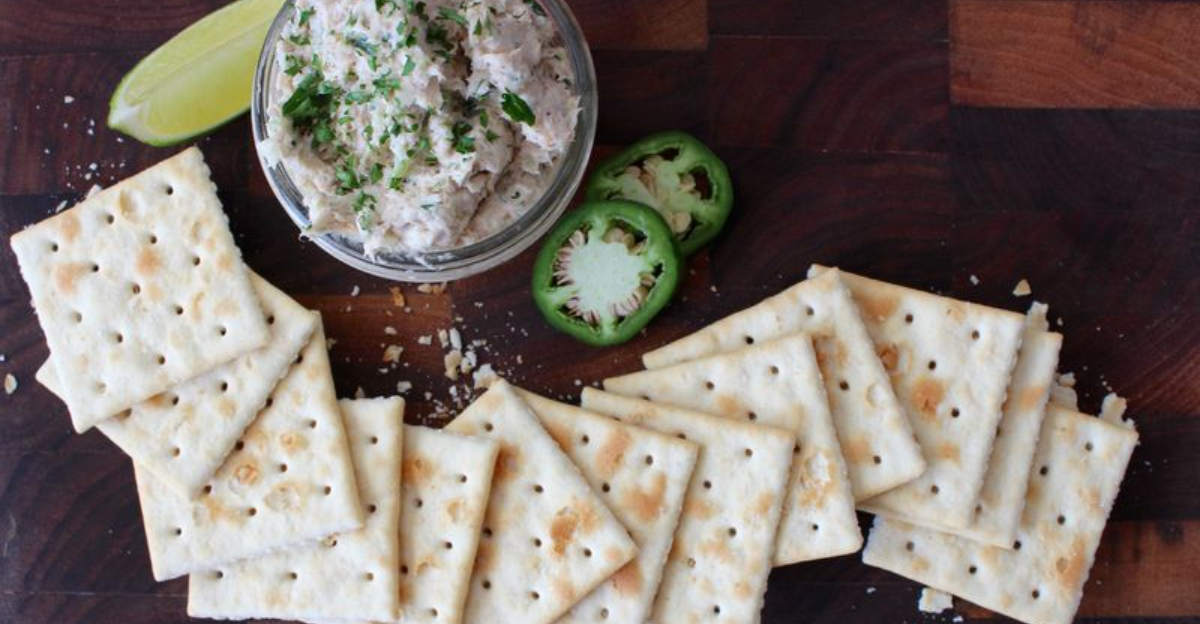
Nothing says old Florida quite like the smell of mullet smoking over oak coals. Gulf coast families would smoke these oily fish until they turned golden brown, then flake the meat for easy eating in the groves.
Workers spread the smoky fish on saltine crackers and doused everything with hot sauce. The combination of salty crackers, rich fish, and fiery peppers created a protein-packed meal that could survive hours without cooling.
Today’s kids would probably wrinkle their noses at this fishy feast, but it kept grove workers energized through the hottest Florida afternoons.
3. Boiled Peanuts in a Paper Sack
Forget roasted peanuts from the ballpark. Florida workers preferred their goobers soft, salty, and swimming in brine. Green peanuts got boiled until they turned mushy, creating a snack that was part vegetable, part comfort food.
These soggy legumes came packed in brown paper bags or mason jars, still warm from the morning pot. The saltwater made them incredibly addictive, and workers would crack through dozens during their lunch break.
Modern kids expecting crunchy peanuts would be completely baffled by these squishy, bean-like treats that stained your fingers and required serious jaw work.
4. Mater Sandwich with Mayo
Summer in Florida meant one thing: tomato season. Workers would slice thick, juicy tomatoes and layer them between mayo-slathered bread with just salt and pepper for seasoning.
I remember my aunt wrapping these sandwiches in wax paper so tight they looked like little presents. By lunchtime, the tomato juices had soaked into the bread, creating a soggy but satisfying mess that somehow tasted like pure summer.
Kids today might appreciate the simplicity, but they would definitely miss the artificial flavors and preservatives they are used to finding in their lunch.
5. Bologna & Yellow Mustard on White Bread
Bologna was the lunch meat of choice for working families in the 1960s. Cheap, filling, and nearly indestructible, it paired perfectly with bright yellow mustard on soft white bread.
Some families would fry the bologna at home until the edges curled up, then eat it cold in the groves. The mustard added tangy zip to the mild, salty meat, creating a sandwich that could fuel hours of physical labor.
Modern kids might recognize bologna, but they would probably expect fancy deli meat instead of this processed, pink mystery meat that somehow tasted better than it looked.
6. Nabs Peanut-Butter Crackers
Lance crackers filled with peanut butter became known simply as Nabs throughout the South. These orange-wrapped packages could survive being tossed around in lunch pails, shirt pockets, and truck glove compartments.
Grove workers loved them because they provided quick energy between the endless rows of citrus trees. The crackers stayed crispy, the peanut butter stayed creamy, and the whole package cost less than a quarter.
Today’s kids might find these crackers too plain and salty compared to their colorful, sugar-loaded snacks. But back then, Nabs were the perfect grab-and-go fuel for working people.
7. RC Cola & MoonPie Working-Man’s Lunch
Some days, lunch was just an RC Cola and a MoonPie. This combination became legendary among Southern workers because it delivered maximum calories for minimum cost, plus enough sugar and caffeine to power through the afternoon.
The fizzy cola cut through the sweet, marshmallow-filled cookie, creating a balanced meal that cost less than fifty cents. Workers would wash down the chocolate-covered graham cracker sandwich with ice-cold RC straight from glass bottles.
Kids today would probably love the sugar rush, but they might be confused by the simple pleasure adults found in this basic combination.
8. Underwood Deviled Ham on Saltines
Canned deviled ham was a lunchbox miracle. No refrigeration required, easy to spread, and packed with enough salt and spices to make saltine crackers taste like a gourmet meal.
Workers would pop open the distinctive red and white can and spread the pink, chunky paste directly onto crackers. The ham was processed beyond recognition, but it provided protein that could survive Florida’s brutal heat and humidity.
Modern kids would probably be grossed out by the texture and artificial color, but this shelf-stable spread was considered quite convenient for its time.
9. Vienna Sausages & Crackers
Vienna sausages came packed in salty brine and required nothing more than a can opener and some crackers. Workers would spear these pale, soft sausages with pocket knives and eat them straight from the can.
I watched my uncle demolish entire cans of these things, washing them down with sweet tea and claiming they tasted better than expensive steaks. The combination of salt, fat, and preservatives created an oddly satisfying meal.
Today’s health-conscious kids would probably be horrified by the sodium content and mysterious ingredients, but these portable sausages were perfect for grove work.
10. Sardines on Saltines with Hot Sauce
Canned sardines might sound fancy now, but they were working-class fuel in the 1960s. These tiny, oily fish came packed in metal tins that workers could open with built-in keys.
The sardines got drained and stacked on saltine crackers, then doused with Louisiana hot sauce or vinegar. The combination of fishy, salty, and spicy flavors created a protein-rich meal that could energize workers for hours.
Kids today would probably run away from these smelly little fish, but grove workers appreciated the omega-3s and convenient packaging long before anyone knew about health benefits.
11. Tampa-Style Cuban Sandwich
Cuban sandwiches traveled from Tampa’s cigar factories to Florida’s citrus groves, packed tight in wax paper to stay fresh. These monsters contained roast pork, ham, salami, Swiss cheese, pickles, and mustard on Cuban bread.
Families would press these sandwiches at home using heavy skillets, creating crispy outsides and melted cheese centers. By lunchtime, the flavors had melded together into something magical, even when eaten cold.
Today’s kids might appreciate the familiar ingredients, but they would miss the authentic Cuban bread and traditional preparation that made these sandwiches legendary throughout Florida.
12. Datil Pepper Condiments
St. Augustine’s datil peppers packed serious heat into tiny packages. Families made hot sauces and relishes from these fiery little peppers, then splashed them on everything from fish to sausages.
Some workers carried small jars of datil relish that could transform bland food into mouth-burning adventures. The peppers were sweet at first, then delivered delayed heat that built slowly but surely.
Modern kids would probably need gallons of milk after one taste of authentic datil sauce. These peppers were not for the faint of heart, but they added serious flavor to simple grove lunches.
13. Frozen-Concentrate Orangeade in a Thermos
Florida led the frozen orange juice revolution, and workers took advantage by mixing concentrate with water at home. The thick, sweet mixture got packed in metal thermoses that kept it cool until lunchtime.
By noon, the orangeade was usually half-melted and incredibly sweet, but it provided vitamin C and sugar when workers needed both. The artificial orange flavor was more intense than fresh juice, creating a drink that tasted like concentrated sunshine.
Kids today might find this homemade orangeade too sweet and artificial compared to their sports drinks and flavored waters, but it was pure liquid energy for grove workers.
14. Biscuits with Orange-Blossom Honey
Orange-blossom honey was liquid gold in Florida citrus country. Beekeepers placed hives throughout the groves, and their bees produced honey with a delicate floral flavor that perfectly complemented buttery biscuits.
My grandmother would split leftover breakfast biscuits and drizzle them with this amber honey, then wrap them in paper for grove lunches. The honey soaked into the flaky layers, creating sweet pockets of flavor.
Today’s kids might enjoy the sweetness, but they would probably prefer their honey squeezed from plastic bears rather than drizzled from glass jars with actual flavor complexity.
15. Cane-Syrup Biscuit
North Florida’s cane boils produced thick, dark syrup that families treasured all year long. Workers would split cold biscuits and either dip them directly into syrup jars or spread the sticky sweetness with butter.
This syrup was nothing like modern pancake syrup. It had deep, molasses-like flavors with hints of smoke from the cooking process. Combined with flaky biscuits, it created a meal that was part breakfast, part dessert.
Kids today would probably find cane syrup too intense and complex compared to their high-fructose corn syrup. But this natural sweetener provided serious energy for physical labor under the Florida sun.
16. Hard-Boiled Eggs with Salt
Hard-boiled eggs were a perfect portable protein that needed no refrigeration in lunch pails. Workers would pack them whole and peel them at lunchtime, sprinkling salt from small paper packets or shakers.
Often these eggs came paired with fresh oranges or tangerines picked right from the trees. The combination of protein and vitamin C created a balanced meal that cost almost nothing and provided lasting energy.
Today’s kids might appreciate the simplicity, but they would probably expect their eggs to come pre-peeled and flavored rather than requiring pocket knives and salt packets for proper preparation.
17. Grapefruit Half with Brown Sugar
Florida grapefruit was abundant and cheap, so families often packed halves that had been sprinkled with brown sugar and sometimes broiled at home. The sugar helped cut the bitter tartness that made grapefruit challenging for some palates.
Workers would eat these chilled fruit halves with spoons, savoring the sweet-tart combination that provided vitamins and natural sugars. The brown sugar would dissolve into syrupy puddles that made each bite more interesting than the last.
Modern kids might find unsweetened grapefruit too sour, but they would probably be confused by the idea of adding brown sugar instead of artificial sweeteners to fresh fruit.
18. Tortilla-and-Beans Roll-Ups
By the 1960s, many Florida grove crews included Latin American and Puerto Rican workers who brought their own food traditions. Handmade flour tortillas got filled with refried beans, rice, or leftover pork for portable, filling meals.
These roll-ups were wrapped tightly to prevent spilling and could survive hours in lunch pails without refrigeration. The simple combination of carbohydrates and protein provided steady energy for demanding physical work.
Today’s kids might recognize the burrito concept, but they would miss the artificial flavors and processed ingredients they expect. These were made with basic, wholesome ingredients that prioritized function over fancy flavors.