
New York Lunch Traditions From The 1960s That Families Still Talk About
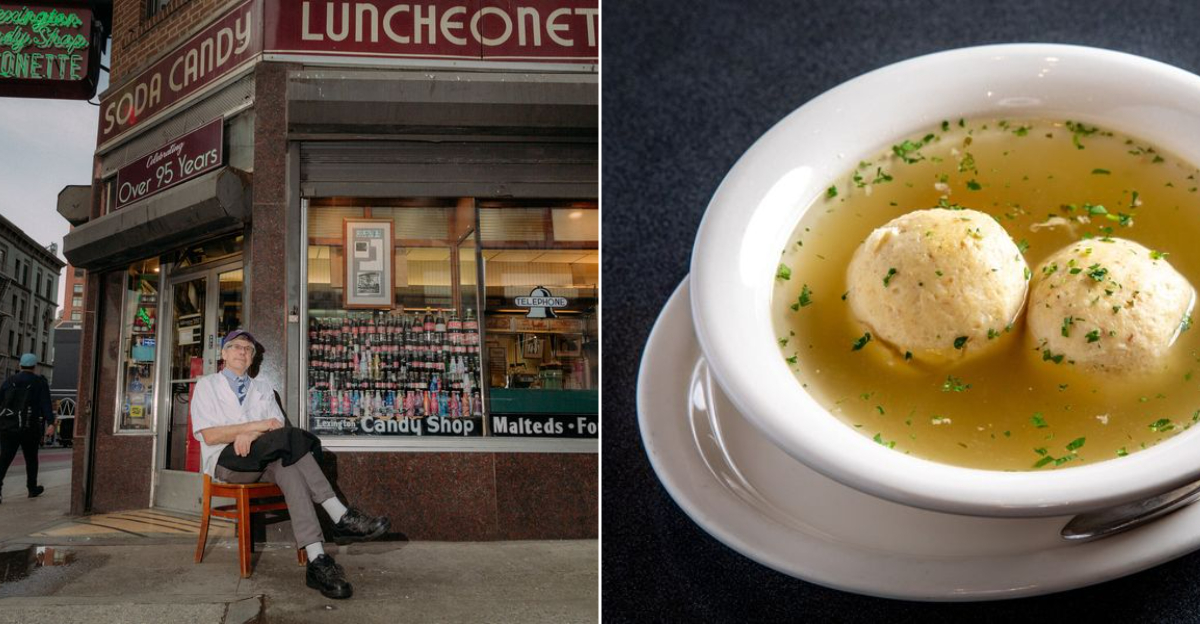
The 1960s lunch scene in New York City wasn’t just about eating—it was a cultural experience that defined the city’s rhythm.
From bustling automats to corner delis where everybody knew your name, lunchtime was when New Yorkers connected over steaming bowls of matzo ball soup and mile-high sandwiches. Clerks, reporters, and secretaries jostled for counter stools, trading gossip while jukeboxes hummed.
Waiters slid plates with a practiced thwack. My grandfather says a proper lunch break was sacred, even in the hectic Manhattan workday: a pause to reset, refill, and remember that the city’s energy ran on coffee, chatter, and rye.
Pastrami on Rye at Katz’s Delicatessen
Hand-carved mountains of pastrami piled high on seedless rye bread created the quintessential New York lunch experience. Walking into Katz’s meant joining a tradition stretching back to 1888, but the 1960s saw this sandwich achieve legendary status among office workers and families alike.
The ritual was simple but sacred: get your ticket at the door, stand in line at the counter, and watch skilled cutters slice your meat to order. No fancy condiments needed—just a smear of mustard and maybe a pickle on the side.
My uncle swears the meat was sliced thinner back then, but the sandwich was twice as tall. Whether that’s true or just nostalgic exaggeration, Katz’s pastrami remains the measuring stick for deli greatness.
Automat Adventures at Horn & Hardart
Remember dropping nickels into those little glass windows? Horn & Hardart automats were the fast food of the ’60s, but with real comfort cooking behind those coin-operated doors. Macaroni and cheese that came out piping hot, creamed spinach that grandma still tries to replicate, and those heavenly baked beans!
Office workers lined up alongside shoppers and students, all equal in the democratic dining halls with their marble tables and brass fixtures. The walls of tiny windows displaying individual portions created an almost futuristic cafeteria experience.
The last automat closed in 1991, but families still describe the magic of turning a knob after inserting your coins and opening that little door to lunch.
The Lunch Counter at Woolworth’s
Long before shopping malls had food courts, Woolworth’s lunch counters were where savvy New Yorkers refueled during shopping expeditions. The spinning red vinyl stools were always filled with regulars sipping malteds and devouring grilled cheese sandwiches that arrived with perfect grill marks.
Kids loved watching their egg creams being made with theatrical flair—chocolate syrup swirled into milk, then fizzy seltzer water shooting from the fountain. No actual eggs or cream involved, despite the name!
The counter staff knew regular customers by name and often started preparing their usual orders the moment they walked in. That personal touch is what my mother misses most when she talks about those midday breaks.
Paper-Wrapped Hot Dogs from Sabrett Carts
Blue and yellow umbrellas dotted the Manhattan landscape, offering salvation to hungry New Yorkers on the go. The Sabrett hot dog—grabbed from a steamy cart and dressed with sauerkraut, onions in tomato sauce, or that special mustard—wasn’t just lunch, it was portable New York identity.
Vendors knew their corners and their customers. Many had been at the same spot for decades, becoming neighborhood fixtures as reliable as fire hydrants. The foil wrapper kept everything warm while you walked to a park bench or back to your office.
Hot dogs cost just 15 cents in the early ’60s, making them the working person’s lunch. The distinctive snap when you bit into that natural casing is a sensation that still triggers powerful memories for native New Yorkers.
Luncheonette Egg Salad Sandwiches
Chopped eggs mixed with just enough mayonnaise, a touch of mustard, and finely diced celery created the perfect filling between two slices of soft white bread. Neighborhood luncheonettes—those vanishing hybrid diners/pharmacies—served egg salad sandwiches cut into triangles and presented with a handful of potato chips and a pickle spear.
These humble establishments were where families gathered after Sunday shopping and where businessmen loosened their ties midweek. The sandwich itself was simple perfection, often made from eggs boiled that morning.
My grandmother claims the secret was using eggs from “real chickens, not these factory birds,” but really it was the care each sandwich maker took in creating this lunchtime staple.
Garment District Soup and Half-Sandwich Specials
Fashion industry workers flocked to tiny delis tucked between showrooms for the legendary soup and half-sandwich combo. Chicken noodle soup that could cure anything served alongside half a tuna on rye—this power lunch kept the garment district running through tight deadlines and seasonal rushes.
These spots were where pattern makers shared tables with models and designers, creating an informal fashion industry cafeteria. The matzo ball soup was the undisputed champion, with balls so light they practically floated yet remained substantial enough to satisfy.
Speed was essential—these places could serve you, let you eat, and have you back at your machine or drawing board within 30 minutes flat. The efficiency was as impressive as the food itself.
The Three-Decker Club Sandwich
Architectural marvels of the lunch world, club sandwiches towered with three layers of toast holding turkey, bacon, lettuce, tomato, and mayo. Secured with frilly toothpicks and sliced into four triangular sections, these sandwiches transformed lunch into an event at hotel restaurants and upscale department store eateries.
Places like the Waldorf-Astoria and Schrafft’s served clubs on proper plates with a side of coleslaw and potato salad. Ladies who lunched would remove their gloves before tackling these imposing creations.
The sandwich required strategy—which section to eat first, whether to use a knife and fork, how to prevent the filling from escaping. Mastering the club sandwich was a New York lunch rite of passage.
Knish Breaks from Yonah Schimmel’s
Square or round, these savory potato-filled pastries provided instant, portable energy for workers taking quick lunch breaks. Yonah Schimmel’s knishery on Houston Street—open since 1910—saw lines out the door during the lunch rush, with customers picking up knishes wrapped in wax paper for easy transport.
The knish wasn’t fancy—just mashed potatoes seasoned with onions and black pepper inside a thin dough wrapper. But that simplicity made it perfect for New York’s grab-and-go lunch culture.
Factory workers would keep them in coat pockets as hand warmers on cold days before enjoying them at their workstations. The smell of fresh knishes could draw customers from blocks away, creating an irresistible lunchtime beacon.
The Iconic Soda Fountain Lunch
Cherry lime rickeys, chocolate phosphates, and egg creams accompanied tuna melts and BLTs at soda fountains across the city. These combination pharmacies and lunch counters were social hubs where teenagers gathered after school and adults claimed counter space during lunch hours.
The soda jerk—a position of considerable neighborhood importance—crafted drinks while line cooks flipped burgers and assembled sandwiches. Many fountains made their own syrups, creating signature flavors you couldn’t find anywhere else.
The Lexington Candy Shop, still operating today, preserves this tradition with vintage equipment and recipes unchanged since the ’60s. My father claims their chocolate malted gave him the courage to ask my mother on their first date.
The Brown Bag Lunch at Central Park
Not every iconic New York lunch happened at a restaurant. The tradition of brown-bagging it to Central Park created a democratic outdoor dining room where secretaries, executives, artists, and tourists shared benches and watched the world go by.
Sandwiches wrapped in wax paper, thermoses of coffee or soup, and perhaps an apple or homemade cookie made up this simple feast. Office workers would claim favorite spots—the same bench, the same time, rain or shine unless snow made sitting impossible.
The ritual provided necessary respite from fluorescent-lit offices and crowded streets. Central Park’s lunch culture fostered unlikely friendships between regulars who might never have connected elsewhere in the stratified city.