
The Most Unique Tunnel In Virginia Comes With A History You’ll Want To See For Yourself
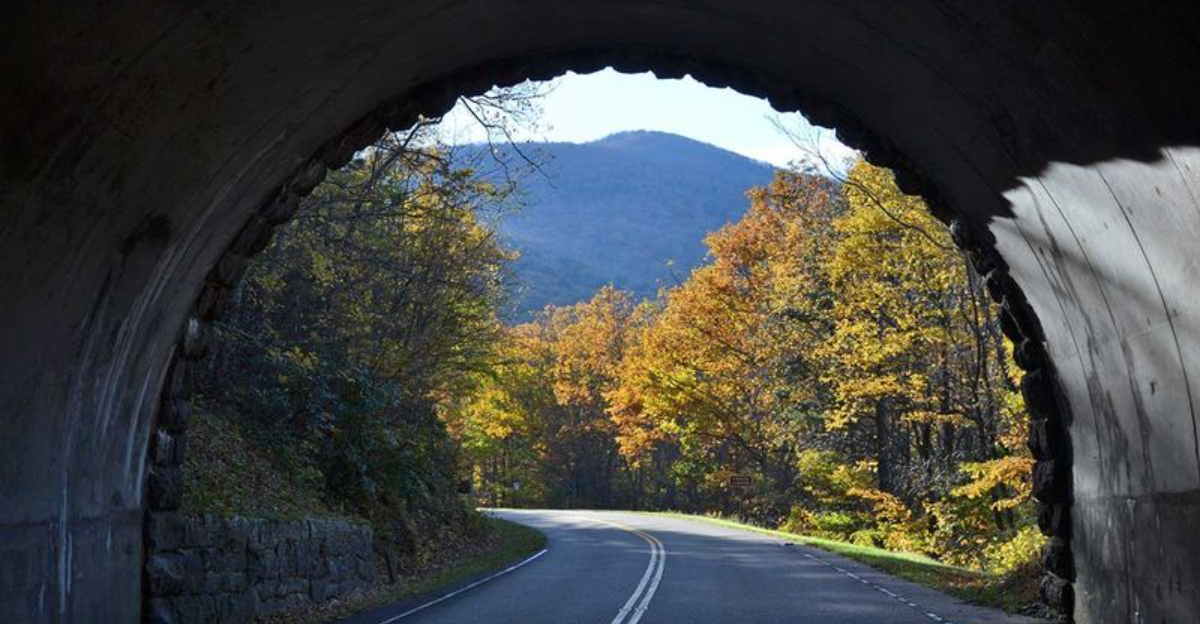
For decades, it was a forgotten scar in the landscape, sealed off and whispered about by locals. Now, one of America’s greatest hidden historical sites has been painstakingly restored and opened for exploration.
The Blue Ridge Tunnel is not your typical park experience; it’s an epic, subterranean adventure. You’ll need to rely on your senses (and maybe a good headlamp) as you walk the precise path where steam engines once roared.
This is a story of powerful ambition, enormous labor, and the ultimate triumph of preservation. If you demand history you can physically touch-the kind that requires a sense of awe and a good pair of boots-Virginia’s secret tunnel awaits.
A Groundbreaking Engineering Achievement
When completed in 1858, this remarkable tunnel claimed the title of longest railroad tunnel in North America. French engineer Claudius Crozet designed this 4,273-foot masterpiece that burrowed straight through solid Blue Ridge granite.
Workers tackled the seemingly impossible task using only hand drills, hammers, and black powder explosives. No modern machinery or ventilation systems assisted their dangerous labor. The most astonishing part? Teams worked from both ends simultaneously, meeting almost perfectly in the middle despite 1850s surveying technology limitations.
The tunnel remained in active railway service until 1944, when a larger parallel tunnel was constructed to accommodate bigger trains.
Blood, Sweat And Immigrant Sacrifice
The human cost of creating this engineering marvel was staggering. Nearly 800 Irish immigrants fleeing the potato famine joined approximately 40 enslaved African Americans in the brutal construction work that claimed numerous lives.
Cholera swept through the work camps in 1854, killing scores of laborers who lived in primitive conditions with minimal medical care. Others perished in tunnel collapses, explosions, or from the effects of prolonged exposure to toxic dust and fumes from the blasting.
Today’s peaceful trail belies the suffering that made it possible – a sobering reminder of the human sacrifice behind America’s infrastructure development.
From Railway To Recreational Paradise
After decades of abandonment following its railway retirement, the tunnel underwent a remarkable transformation. In 2020, following extensive restoration, it reopened as a 4.25-mile rail trail connecting both sides of Afton Mountain.
I’ll never forget my first visit last autumn. The crisp mountain air filled my lungs as fallen leaves crunched underfoot on the approach trail. That first glimpse of the massive stone archway entrance sent chills down my spine – like stepping into a time machine.
Today’s trail welcomes hikers, cyclists, and history enthusiasts year-round from sunrise to sunset, with the eastern trailhead offering easier access for those seeking a gentler adventure.
A Journey Through Complete Darkness
Venturing into the tunnel means embracing absolute darkness. The curved path prevents daylight from reaching the central section, creating a uniquely disorienting experience unlike typical hiking trails.
A constant 50°F temperature persists year-round, offering cool refuge during sweltering Virginia summers and surprising warmth during winter months. Water continuously seeps through the rock walls, creating ethereal dripping sounds that echo throughout the passageway.
Smart visitors bring powerful headlamps or flashlights – phone lights won’t cut it here. The darkness is so complete that turning off your light source briefly creates a sensory experience few modern humans ever encounter.
Civil War Strategic Importance
During America’s bloodiest conflict, this tunnel became a critical transportation artery. Both Union and Confederate forces recognized its strategic value for moving troops, supplies, and equipment through the challenging Blue Ridge Mountains.
Confederate General Stonewall Jackson utilized the tunnel during his famous Valley Campaign. Later, Union General Philip Sheridan’s troops passed through during their devastating Shenandoah Valley operations.
The tunnel narrowly escaped destruction multiple times as opposing forces considered demolishing it to prevent enemy use. Had either side succeeded, this historical treasure would have been lost forever instead of becoming the remarkable preservation success story we enjoy today.
A Remarkable Preservation Success Story
The tunnel’s journey from abandoned railway relic to beloved public space represents a triumph of historic preservation. After CSX Transportation donated the tunnel to Nelson County in 2007, a coalition of government agencies, preservation groups, and passionate citizens began the painstaking restoration process.
I spoke with a local volunteer who described the early cleanup efforts – removing decades of debris, stabilizing deteriorating sections, and making the passage safe without compromising its historical integrity. His eyes lit up describing the moment water drainage systems were installed to manage the persistent seepage.
The $4 million restoration project stands as a model for repurposing industrial heritage into public recreational space.
Planning Your Underground Adventure
Located near Afton, Virginia at the junction of Interstate 64, US Route 250, and the Blue Ridge Parkway, this historical gem sits perfectly positioned for travelers exploring the region. Both eastern and western trailheads offer parking, though spaces fill quickly on weekends and during peak fall foliage season.
The eastern trailhead (Afton side) provides an easier hike with minimal elevation change. The western entrance (Waynesboro side) offers a more challenging approach with steeper terrain but rewards visitors with spectacular mountain views.
Bring water, sturdy shoes, and reliable lighting. Cell service disappears inside, adding to the sense of stepping back in time as modern connections temporarily vanish.