
21 Ohio Dinner Table Traditions From The 1960s That Would Make Today’s Kids Wonder Why
Imagine a world where the biggest screen at the dinner table was the front page of the Cleveland Plain Dealer. Where conversation wasn’t mediated by emojis, and “fast food” meant Mom only spent two hours prepping the tuna noodle casserole.
In the 1960s Ohio dining room, the concept of eating customized meals while FaceTiming friends was pure science fiction. Today’s youth would be absolutely dumbfounded by traditions like “serving yourself last,” the horrifying obligation to try all the weird Jell-O molds, and the idea that the entire family had to stay seated until Dad finished complaining about the price of gas.
Prepare for a journey into the culinary and cultural rules of a bygone era that prove the 60s were wildly different-especially when it came to mashed potatoes and mandatory posture.
1. Jell-O Salads That Suspended Everything
Quivering towers of gelatin contained surprises that would horrify modern kids. Vegetables, fruits, and even cottage cheese floated in these wobbly creations, appearing at every potluck and Sunday dinner across Ohio.
Lime Jell-O with shredded carrots was particularly popular, while orange Jell-O might cradle canned mandarin slices and miniature marshmallows. Some adventurous homemakers even added celery or olives to savory versions.
Families proudly displayed these molded masterpieces on special glass plates, considering them the height of sophistication despite their questionable ingredient combinations.
2. Campbell’s Soup Casseroles
Cream of mushroom soup wasn’t just soup – it was the secret ingredient in practically everything. Ohio moms transformed ordinary ingredients into bubbling casseroles using these condensed wonders as magical binding agents.
Tuna noodle casserole reigned supreme, combining egg noodles, canned tuna, frozen peas, and the ubiquitous cream of mushroom soup. Topped with crushed potato chips or breadcrumbs, these one-dish meals stretched family budgets while filling hungry bellies.
Recipe cards for these concoctions were traded like currency at neighborhood coffee klatches, with each homemaker claiming her special variation was best.
3. Ketchup-Crowned Meatloaf
Meatloaf wasn’t complete without its glossy red crown of ketchup. The tangy-sweet topping caramelized in the oven, creating a signature glaze that Ohio kids would scrape off first before reluctantly eating the meat beneath.
Making meatloaf was an exercise in stretching ground beef with oatmeal, bread crumbs, or crushed crackers. My grandmother’s secret was adding a packet of onion soup mix, which she swore made her meatloaf the talk of Akron neighborhood dinners.
Families served these loaves sliced thick, alongside mashed potatoes that created the perfect valley for rivers of additional ketchup.
4. Liver And Onions As A “Treat”
Children across Ohio groaned when liver and onions appeared on the dinner table, despite parents insisting it was a special meal. The iron-rich organ meat, typically fried in bacon fat and smothered with caramelized onions, was promoted as health food that would “put hair on your chest.”
Clever kids developed strategic methods to hide pieces under mashed potatoes or slip them to the family dog. Parents countered with the “clean plate club” rule, leading to lengthy standoffs.
The distinctive aroma filled homes, announcing dinner long before the dreaded call to the table came.
5. Aluminum Tray TV Dinners
Rectangular aluminum trays compartmentalized dinner into neat sections – meat, vegetable, starch, and if you were lucky, a dessert. These frozen meals felt futuristic to 1960s Ohio families, despite their cardboard-adjacent taste.
Salisbury steak with its mysterious brown gravy was a popular variety, alongside fried chicken that never quite crisped properly. The TV trays that accompanied these meals allowed families to gather around “Bonanza” or “The Ed Sullivan Show” instead of the dining table.
I remember my father bringing home TV dinners as a special Friday treat when mom had bridge club, making us feel modern and sophisticated.
6. Ambrosia Salad: Marshmallow Paradise
Sweet enough to qualify as dessert but served alongside savory dishes, ambrosia salad confused the palate in delightful ways. This cloud-like concoction combined canned fruit, miniature marshmallows, shredded coconut, and enough Cool Whip to make teeth ache.
Ohio grandmothers proudly carried crystal bowls of ambrosia to family gatherings, where it would sit alongside deviled eggs and ham. The dish earned its heavenly name from the impossibly sweet combination that melted together as it sat.
Children eagerly dug through the white fluff seeking maraschino cherries, the prized treasure hidden within.
7. Wonder Bread Always Present
Sliced white bread accompanied every Ohio dinner, regardless of whether the meal already included potatoes, rice, or noodles. The soft, pillowy slices came in cheerful packaging boasting about “building strong bodies 12 ways” and were considered a modern miracle of convenience.
Families kept bread in special plastic containers or bread boxes on the counter. Children fashioned the slices into doughy balls or used them to sop up gravy, while adults made impromptu sandwiches from dinner leftovers.
No one questioned the need for this additional carbohydrate – dinner simply wasn’t complete without a stack of Wonder Bread nearby.
8. Tang Instead Of Real Juice
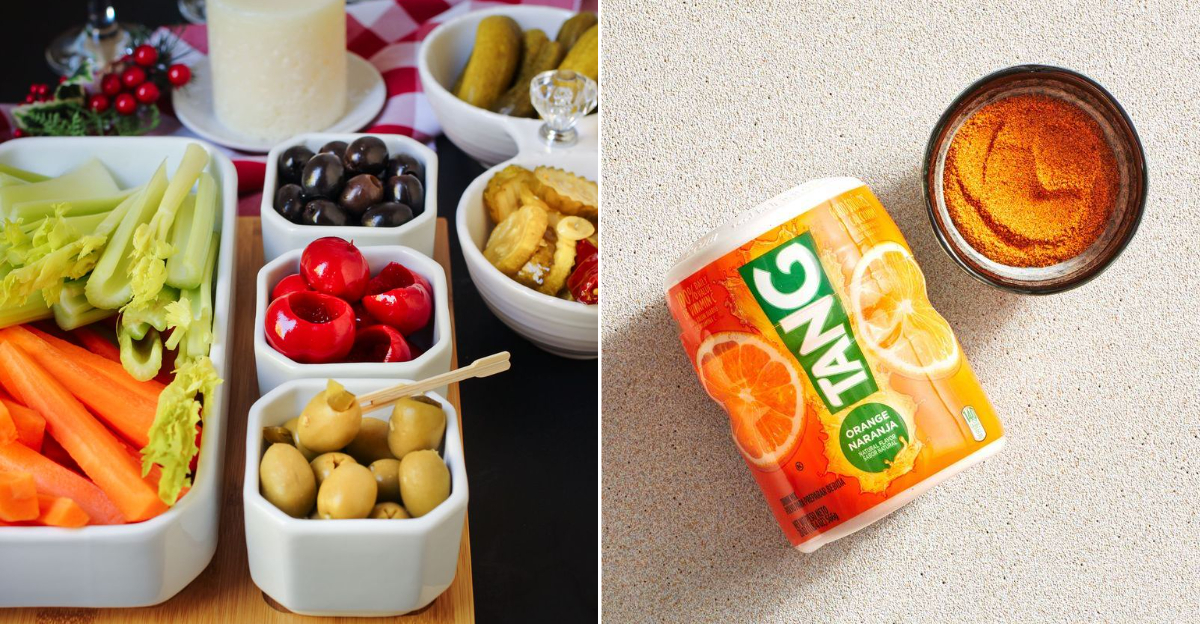
Space-age powdered drinks replaced natural juice at breakfast tables and dinner gatherings alike. Tang, the vibrant orange drink made famous by astronauts, convinced Ohio parents they were serving something nutritious despite its primarily sugar content.
Mothers mixed the neon powder with water in special plastic pitchers that became permanently stained orange over time. My uncle swore Tang tasted better than actual orange juice, a stance he maintained until his passing in 2010.
Children marveled at how astronauts drank this same concoction in space, never questioning why a powder mixed with tap water was preferable to actual fruit juice.
9. Post-Dinner Percolator Coffee
After dinner, the distinctive gurgling of the percolator signaled the transition to adult conversation time. Coffee brewed in these chrome pots produced a strong, sometimes bitter brew that adults sipped from china cups while discussing neighborhood news.
Children recognized the percolator’s bubbling sound as their cue to clear the table or retreat to the living room. The coffee service became a ritual, with sugar cubes in special bowls and cream in small pitchers.
Ohio hostesses judged themselves on their coffee-making skills, with a properly brewed pot considered essential to maintaining one’s social standing in the community.
10. Cabbage Rolls Smothered In Tomato Sauce
Cabbage leaves stuffed with ground beef and rice then baked in tomato sauce represented Ohio’s connection to Eastern European immigrants. These labor-intensive bundles appeared for Sunday dinners or special occasions, filling homes with their distinctive aroma.
Grandmothers began preparation early, softening cabbage leaves and mixing filling with precision born from decades of practice. Each roll was carefully assembled and arranged in deep baking dishes before being covered with sauce.
Families passed down handwritten recipes with specific instructions about how to fold the cabbage “just so” to prevent the filling from escaping during the long cooking process.
11. Ring Bologna And Crackers As Starters
Before dinner formally began, many Ohio families set out plates of sliced ring bologna alongside saltine crackers as an appetizer. This humble offering satisfied hungry family members while the main meal finished cooking.
The pink-hued processed meat came in rings that parents sliced with a paring knife directly onto serving plates. Children created mini-sandwiches using crackers, adding yellow mustard from squeeze bottles for extra flavor.
Growing up in Cincinnati, my grandfather would bring home special garlic bologna from Finke’s Market, claiming it was superior to any other in the state – a hotly debated topic among relatives at every gathering.
12. Canned Green Beans with Bacon Bits
Fresh vegetables rarely made appearances during winter months in 1960s Ohio. Instead, families relied on canned green beans, typically dressed up with bacon bits or cream of mushroom soup to mask the metallic taste.
Mothers drained the beans but saved the liquid – known as “pot likker” – for adding to soups later. The beans cooked far longer than modern tastes would prefer, becoming soft enough to mash with a fork.
Special occasions might warrant green bean casserole topped with canned fried onions, a dish that gained near-religious devotion at holiday gatherings and remains a nostalgic favorite decades later.
13. Potatoes At Every Single Meal
Ohio dinner tables featured potatoes in some form nearly every night – mashed, scalloped, baked, or fried. This starchy staple formed the foundation of meals, reflecting both Midwestern agricultural abundance and budget-conscious meal planning.
Electric mixers whipped potatoes with milk and margarine until they reached cloud-like consistency. Alternatively, scalloped potatoes layered with onions baked until golden and bubbling, often cooking alongside the main dish to save oven space.
Families considered meals incomplete without this filling side, and children learned to expect the comforting presence of potatoes regardless of what else was served.
14. Pickle And Olive Trays As Fancy Appetizers
Special occasions called for divided glass relish trays filled with dill pickles, sweet gherkins, black olives, and pimento-stuffed green olives. These store-bought items required no cooking yet somehow elevated dinner to “company” status in 1960s Ohio homes.
Children delighted in placing black olives on fingertips before eating them one by one. The briny appetizers stimulated appetite while providing conversation starters as guests arrived.
My mother maintained a special cut-glass relish tray that only emerged for holiday dinners and bridge club luncheons, stored carefully in the china cabinet between uses as if it were fine jewelry rather than a serving piece.
15. Spam Baked With Pineapple And Brown Sugar
Canned meat transformed into a sweet-savory centerpiece when baked with pineapple rings and brown sugar. This Hawaiian-inspired dish represented exotic cuisine to many Ohio families despite its humble canned ingredients.
Criss-cross knife marks scored into the spam’s surface allowed the brown sugar glaze to penetrate the meat. Each slice received a pineapple ring secured with a toothpick and maraschino cherry center, creating a festive appearance.
Families served this creation with pride, considering it sophisticated fare compared to everyday meals – though today’s children might question the combination of processed meat with tropical fruit.
16. Vegetables Boiled Beyond Recognition
Frozen vegetables emerged from pots having surrendered all texture and much of their color. The standard cooking method involved boiling far past the point of tenderness – typically 20-30 minutes for vegetables that modern cooks might steam for three.
Peas turned army green, carrots softened to mush, and corn lost its crisp bite. A generous pat of butter attempted to compensate for flavor lost to the cooking water.
Ohio mothers insisted this thorough cooking was necessary for proper digestion and food safety, unaware they were sacrificing both nutrients and appeal in the process of creating these thoroughly surrendered sides.
17. Raisin-Studded Bread Pudding
Stale bread transformed into dessert through the magic of custard, cinnamon, and raisins. This thrifty sweet treated nothing as waste, reflecting Depression-era values that lingered in 1960s Ohio kitchens.
Grandmothers saved bread ends and slightly stale slices in special bags until enough accumulated for pudding. The bread soaked in a mixture of eggs, milk, sugar, and vanilla before baking until golden and puffy.
When I was seven, my grandmother didn’t want to reveal her secret ingredient. Information was a secret.
18. Chicken Fried In Crisco Shortening
Sunday chicken dinners featured birds fried in solid vegetable shortening rather than oil. The blue Crisco can held place of honor in Ohio kitchens, ready to transform ordinary chicken into crispy, golden perfection.
Cast iron skillets filled with melted shortening created a distinctive coating that modern oils can’t replicate. The shortening could be strained and reused multiple times, with grandmothers keeping special cans for this recycled frying medium.
The resulting chicken had a particular crunch and flavor profile that became the standard against which all fried chicken was judged, creating fierce loyalty to this now-maligned cooking fat.
19. Lard-Based Pie Crusts
Fruit pies emerged from ovens with crusts made flaky by generous amounts of lard. This rendered pork fat created pastry with unmatched texture that modern vegetable shortening attempts to imitate without quite succeeding.
Ohio grandmothers kept lard in special crocks, using it for everything from biscuits to pie crusts. They worked quickly with cold hands to prevent the fat from melting before baking, creating pockets that expanded into delicate layers.
Cherry, apple, and peach pies showcased seasonal fruits beneath these rich crusts, often cooling on windowsills and filling homes with aromas that announced dessert long before dinner concluded.
20. Milk Delivered In Glass Bottles
Breakfast and dinner tables featured milk poured from glass bottles delivered by local dairies. The heavy bottles with their paper caps and cream line represented freshness impossible to find in today’s plastic jugs.
Milkmen made early morning rounds, replacing empty bottles with full ones in insulated metal boxes on porches across Ohio neighborhoods. Families paid monthly tabs, often leaving notes requesting extra buttermilk or cottage cheese.
Growing up in Cleveland Heights, our milkman knew each family’s preferences and would occasionally slip chocolate milk into our delivery as a special treat for children – personal service unimaginable in current grocery shopping.
21. No One Leaves Until Everyone’s Finished
Dinner concluded only when the slowest eater finished their last bite. This unwritten rule kept Ohio families at tables long after food cooled, teaching patience that would baffle today’s quick-meal kids.
Parents used this captive time for important family discussions, school updates, and lessons in proper mealtime behavior. Children learned to pace themselves with others, developing awareness of group dynamics alongside table manners.
The tradition reflected deeper values about respecting food and family time in an era before individual schedules fractured dinner hour. No one rushed off to activities or grabbed plates to eat in separate rooms while staring at screens.