
This Remote Montana Valley Town Is So Underrated, Even Most Locals Haven’t Heard Of It
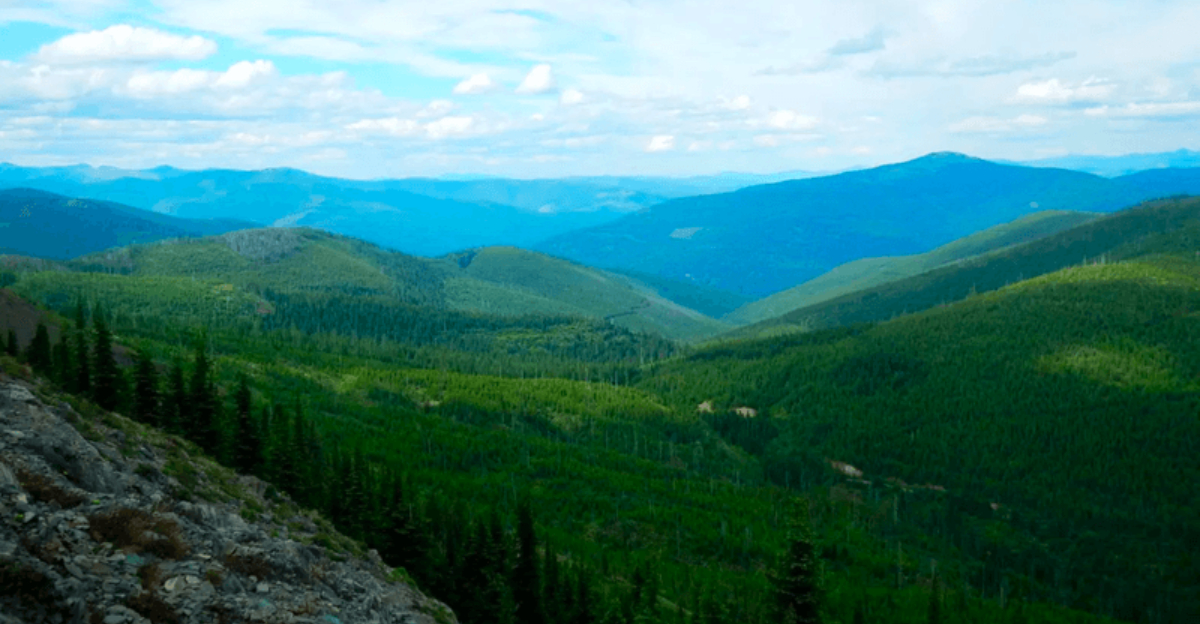
I stumbled across Yaak Valley during a wrong turn on a Montana road trip three summers ago, and it turned out to be the best navigational mistake of my life.
Tucked away in the far northwest corner of Montana, this tiny community of 338 souls exists in splendid isolation, surrounded by wilderness that most people only dream about.
While tourists flock to Glacier National Park just hours away, Yaak remains Montana’s best-kept secret, a place where grizzly bears outnumber gas stations and your cell phone becomes a paperweight.
Where On The Map: A Speck In The Far Northwest
Finding Yaak on a map requires a magnifying glass and serious commitment to remote adventure. Nestled deep in Lincoln County along the Yaak River, this community sits inside Kootenai National Forest, just 16 miles from the Canadian border.
The 2020 census counted exactly 338 residents, making it smaller than most high school graduating classes. When I first visited, I joked that I’d met half the town by lunchtime, and I wasn’t entirely wrong.
This geographic isolation creates something magical, though – a place where wilderness begins at your doorstep and extends for millions of acres in every direction.
Getting There: Two-Lane Roads And Zero Billboards
Reaching Yaak feels like a pilgrimage through increasingly wild country. Most travelers take US-2 to Forest Service Road 508, also known as Yaak River Road, then continue on FS-92 through the scenic Yaak Loop.
From Kalispell’s Glacier Park International Airport, expect a 134-mile journey through forest and river country. The roads narrow as civilization fades, replaced by towering pines and rushing water.
I’ve never seen a single billboard on this route, which tells you everything about Yaak’s uncommercial character. Pack snacks and fuel up beforehand – this isn’t interstate highway territory.
What It Feels Like: A Wild, Rain-Washed Corner Of Montana
Yaak occupies a unique ecological niche where Pacific moisture meets Rocky Mountain weather, creating one of Montana’s rainiest corners. The Purcell Mountains cradle this lush valley, supporting old-growth forest pockets that predate European settlement.
Wildlife here includes grizzly bears, wolverines, and other species that require serious wilderness to survive. The Cabinet-Yaak Ecosystem contains remnant stands of an inland temperate rainforest, an imperiled ecosystem rather than a largely intact one.
Standing in this valley, you feel the weight of wildness pressing in from all sides. It’s humbling and exhilarating simultaneously, like visiting a living museum of what Montana looked like centuries ago.
Photo Ops: Yaak Falls And Timbered River Bends
Yaak Falls provides the valley’s most Instagram-worthy moment, where ancient rock formations frame roaring whitewater. Short roadside access makes this natural spectacle easily reachable, even for casual visitors.
Historic bridge remnants add human history to the scene, creating compelling foreground elements for photographers. The nearby Yaak Falls Campground offers simple sites beside the river for extended photo sessions.
I spent an entire afternoon here capturing different light angles, and each shot revealed new details in the rock patterns and water movement. Bring a tripod for long exposures that turn the rushing water into silky ribbons.
Eat, Sip, Resupply: Two Bars, One Tiny Hub
Yaak’s dining scene consists of exactly two establishments, but what they lack in quantity they make up for in character. The Yaak River Tavern & Mercantile serves road-trippers burgers, gas, and essential groceries in one convenient stop.
Alternatively, belly up to the bar at the legendary Dirty Shame Saloon, where local stories flow as freely as the beverages. Both venues embody authentic Montana hospitality without pretense or polish.
During my visit, the bartender at Dirty Shame knew everyone’s name and half their life stories. Expect limited services but unlimited personality in these genuine community gathering spots.
Best Seasons: Long Summer Light, Fiery Fall Color
Summer transforms Yaak into an outdoor paradise with warm river days and cooling forest shade. Long northern daylight extends adventure time well past normal bedtime hours, perfect for evening wildlife watching.
September and early October paint the surrounding hills in brilliant autumn colors, creating photographer’s paradise conditions. The changing leaves contrast beautifully with evergreen forests and granite peaks.
Cell coverage remains spotty throughout the backroads, so download offline maps before venturing out. I learned this lesson the hard way during my first visit, but the digital detox actually enhanced the wilderness experience.
Stay The Night: Campgrounds, Cabins, And Quiet
Accommodation options in Yaak prioritize simplicity over luxury, which perfectly matches the valley’s unpretentious character. Simple forest camping near the falls provides budget-friendly options with premium natural amenities.
Small private cabins scattered around the valley offer more comfort while maintaining the rustic atmosphere. Some local businesses list cabin rentals with basic amenities right in town.
I’ve stayed at both camping and cabin options, and honestly prefer the camping experience for its direct connection to the wilderness soundscape.
Falling asleep to river sounds and waking up to bird songs beats any hotel wake-up call.
Travel Lightly: Wildlife Country Comes First
Visiting Yaak requires adopting bear country protocols and wilderness ethics that protect this fragile ecosystem. Pack-in-pack-out habits keep the pristine environment clean for sensitive species and future visitors.
Sticking to signed roads and trails helps preserve old-growth habitats and minimizes human impact on wildlife corridors. Grizzly bears and other large mammals need undisturbed space to maintain healthy populations.
During my visits, I’ve practiced Leave No Trace principles religiously, understanding that places like Yaak exist precisely because people respect their wildness.
This conservation mindset enhances rather than restricts the authentic wilderness experience.