
A Fascinating Florida State Park Few People Know About
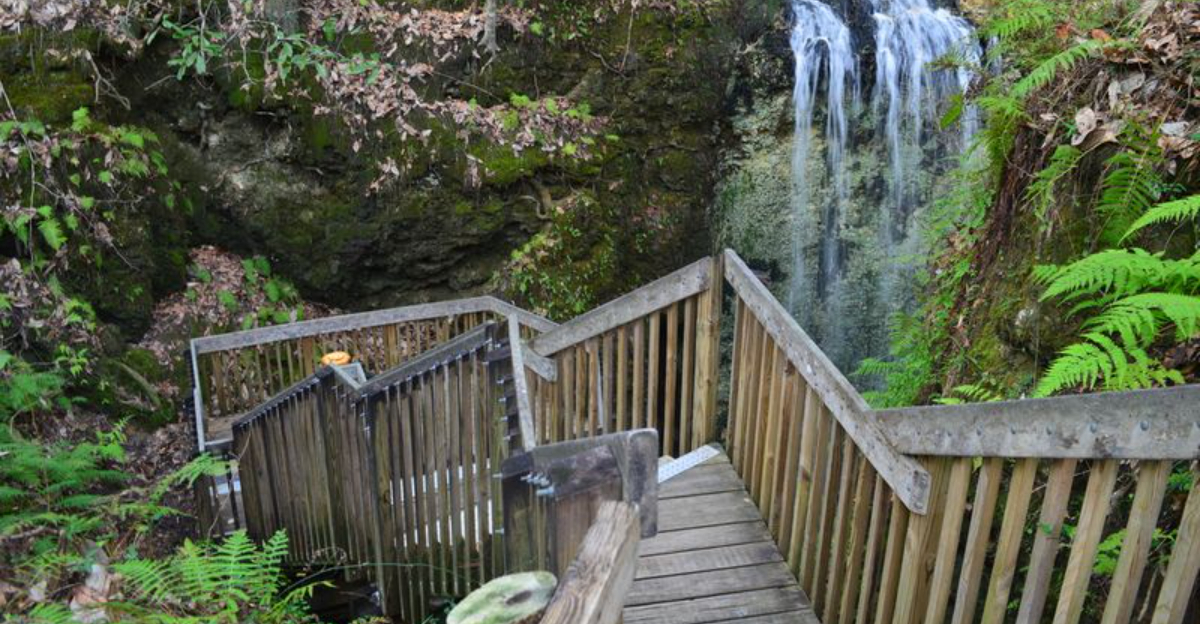
Tucked away in Florida’s Panhandle near the small town of Chipley lies a place that feels almost impossible in the Sunshine State.
Falling Waters State Park is home to Florida’s tallest waterfall—a 73-foot cascade that plunges dramatically into a mysterious limestone sinkhole.
Where does the water go once it disappears underground? How can such rugged terrain exist in a state famous for flatlands and beaches?
With only 171 acres to explore, this hidden park proves that some of Florida’s most astonishing wonders are also its best-kept secrets.
Florida’s Tallest Waterfall That Vanishes Underground
You’ll hear it before you see it – a gentle rushing sound that seems out of place among Florida’s typically flat terrain. The waterfall appears suddenly at the end of a short boardwalk, cascading down into a perfectly circular limestone sinkhole. My first visit happened after three days of rain, and boy, was I rewarded! The typically modest stream had transformed into a roaring column of water.
What makes this waterfall truly bizarre is that nobody knows where the water ends up! After disappearing into the 100-foot deep sinkhole, the water enters an underground network that remains largely unmapped. During drier months, the falls can slow to a trickle, so timing your visit after rainfall guarantees the most dramatic views. I recommend bringing a polarized lens for your camera – it cuts through water reflections beautifully.
Scenic Boardwalks Through Un-Florida Terrain
Wooden planks creak beneath your feet as you wander through terrain that feels transported from the Appalachians. The park’s elevated boardwalks wind through a landscape of steep hills and ravines – words rarely associated with Florida’s geography. My favorite section follows Falling Water Branch, where the boardwalk clings to hillsides as it descends toward the waterfall.
Morning fog often settles in these valleys, creating an almost mystical atmosphere. Massive southern magnolias and towering pines create a dense canopy overhead, keeping the trails cool even in summer. Fern-covered slopes and moss-draped trees complete this un-Floridian picture. The entire boardwalk system spans just over a mile, making it accessible for almost anyone. I’ve brought my 70-year-old mother here, and she navigated it comfortably with her walking stick.
The Lake That Swallowed Prehistoric Creatures
Three-acre Lake Falling Water sits innocently at the park’s heart, its placid surface betraying nothing of the ancient drama beneath. While swimming there last August, I couldn’t help but imagine what might lie preserved in its muddy bottom. Park rangers told me that during the Pleistocene era, this lake served as a natural trap for prehistoric animals.
Mastodons, giant sloths, and other Ice Age creatures came to drink, only to become stuck in the soft edges. Their remains have been discovered during drought periods when water levels dropped. Today, the lake offers a sandy beach perfect for cooling off after hiking. Fishing is permitted with proper licenses, though catching anything substantial proves challenging. The water’s unusual clarity comes from its limestone-filtered springs – another geological quirk that makes this park so special.
Butterfly Gardens And Gopher Tortoise Highways
“Freeze!” whispered my nine-year-old nephew during our visit last spring. Just ahead, a prehistoric-looking gopher tortoise lumbered across the trail, completely unconcerned with our presence. These threatened creatures dig extensive burrow systems throughout the park, creating underground highways that provide shelter for over 350 other species. The park’s butterfly garden buzzes with activity from March through November.
Designed specifically to attract native pollinators, I’ve counted 17 different butterfly species during a single hour sitting on the garden’s observation bench. Gulf fritillaries and zebra longwings particularly love the passionflower vines planted throughout. Bird enthusiasts should bring binoculars – pileated woodpeckers hammer away at dead pines while prothonotary warblers flash golden among the trees in spring. The diverse microhabitats within this small park support an astonishing variety of wildlife.
Camping Under Stars In Florida’s Highlands
Marshmallows toasted to golden perfection while crickets and frogs performed their nightly symphony – camping at Falling Waters elevated my state park experience to magical. The campground sits atop one of the highest hills in Florida at 324 feet above sea level (I know, Coloradans are laughing right now). Just 24 campsites occupy this wooded hilltop, each equipped with water, electricity, and a fire ring.
What makes this campground exceptional is the spacing – dense vegetation between sites creates genuine privacy rarely found in Florida parks. The bathroom facilities sparkle with cleanliness, featuring hot showers that feel heavenly after a day of exploration. Summer nights bring spectacular firefly displays that dance through the forest. Winter camping offers pleasantly cool temperatures without northern freezes. Reservations are essential, especially during spring and fall when the weather reaches perfection.