
13 Michigan Icons Locals Brought Back From The Brink
Michigan restaurants seem to have nine lives, though not all spend them well. Fires gutted dining rooms, landlords locked doors, decades of neglect dimmed neon, yet some names refused to fade.
What saved them wasn’t luck but loyalty, regulars raising money, chefs returning home, families stepping in to guard a legacy. These aren’t polished newcomers. They’re scarred survivors, kitchens that wear history on the walls and stubbornness in the recipes.
From greasy late-night counters to seafood halls once left for dead, these thirteen places nearly vanished, but Michigan crowds proved certain flavors will not be forgotten.
1. Krazy Jim’s Blimpy Burger, Ann Arbor
The grill hisses, buns toast, and lines still curl out the door even though the address changed. South Ashley Street became the second act.
The original spot was bulldozed in 2013 when the university wanted the land. A year later, Blimpy reopened under a new lease with the same chaotic energy.
I stood in that line once and heard regulars swap stories of “the old place.” They said the burgers hadn’t budged an inch in flavor.
2. Joe Muer Seafood, Detroit
Inside the Renaissance Center, white tablecloths gleam under city lights, echoing the grandeur of an earlier age. The menu still reads with ambition.
The original Joe Muer closed in 1998, ending a long run as Detroit’s seafood palace. In 2011, the name returned downtown with ceremony and spectacle.
Locals brought expectations with them. They wanted lobster and oysters dressed in formality again, and the rebirth delivered enough nostalgia to quiet most skeptics.
3. Lil Bo, Traverse City
The neon “Lil Bo” sign flickers again on the edge of Front Street, pulling in a mix of old-timers and curious newcomers. The bar hums with chatter.
This spot once lived as Little Bohemia before fading dark. In July 2021, new owners stepped in and revived it as Lil Bo, keeping the tavern bones intact.
I liked how the room carried both freshness and dust. You could feel decades under the new paint, a place determined not to erase its ghosts.
4. Lafayette Coney Island, Detroit
The stools gleam, chili steam rises, and the line for coneys snakes toward the door like nothing ever happened.
Yet in September 2022, a health shutdown silenced the griddle. Inspectors closed the joint, and fans feared it might stay dark for good. In March 2025, the city cleared the way and Lafayette reopened.
The reopening felt like a civic relief. Detroit without Lafayette is unthinkable, and the crowds confirmed it by returning instantly, mustard and onions at the ready.
5. Como’s, Ferndale
Rainbow umbrellas shade the patio again, laughter spilling across the intersection of Nine Mile and Woodward. The energy is lively, even rowdy.
Como’s closed in 2017 after major troubles left it a hollow shell. A fresh ownership team stepped up and reopened it in 2019, promising change.
Patio pizza nights came roaring back. Locals say the vibe finally feels trustworthy again, a rebirth that managed to erase the sour taste of its messy collapse.
6. The Common Grill, Chelsea
Blue awnings wave on Main Street, marking a restaurant Chelsea almost lost. The dining room smells of bread and seared fish once more.
Founded in 1991, the Common Grill built a reputation for refined plates in a small town. Ownership shifted hands, sparking a pause, but by April 2022 it reopened.
I admired how they resisted rebranding. The name and soul stayed put, reminding regulars they hadn’t lost their community’s white-tablecloth anchor.
7. Supino Pizzeria, Detroit
Eastern Market’s streets smelled wrong during the long closure. No charred dough, no tomato tang drifting from the corner.
A fire forced Supino to go dark for months. In April 2024, takeout flickered back, and by July the dining room reopened with the same New York–style slices.
When the doors finally swung wide, the cheers came loud. For Detroiters, pizza without Supino had been an ache, and that first greasy fold healed it.
8. Amore Da Roma, Detroit
Brick walls and checkered tablecloths feel familiar, like nothing’s changed. Yet the menu now reads “Amore da Roma,” not “Roma Cafe.”
The Roma Cafe closed after more than a century in service, ending its run as Detroit’s oldest restaurant. In 2017, the former chef reopened it as Amore da Roma.
Regulars found comfort in the continuity. Much of the old feel lingered, and plates of pasta tasted like a bridge between eras.
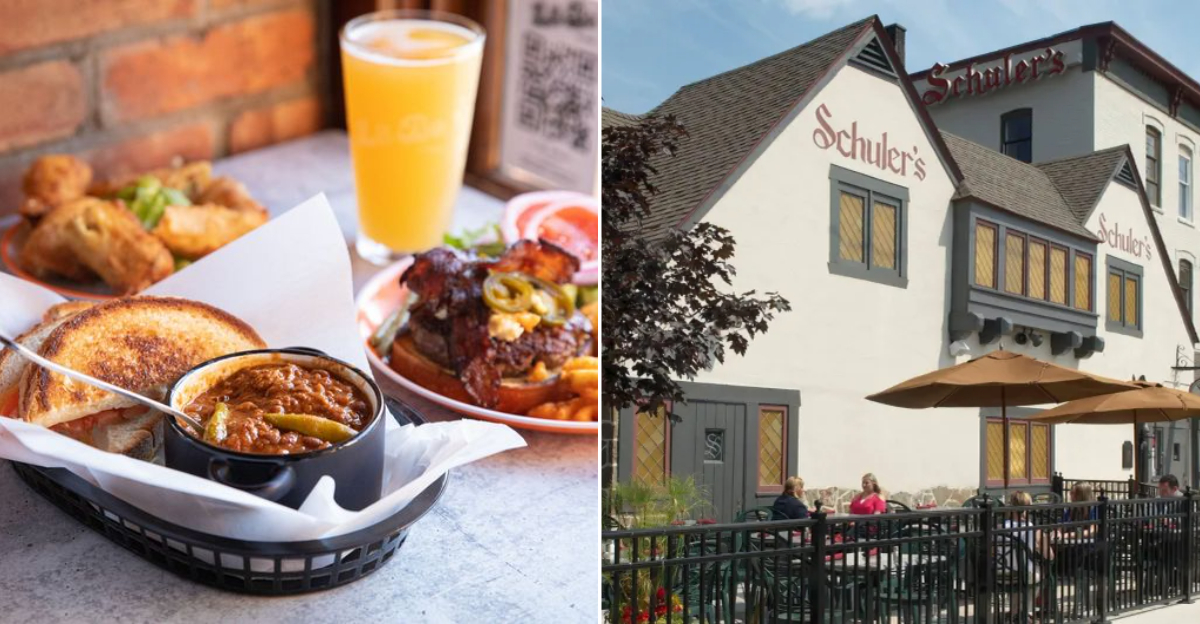
9. Schuler’s Restaurant And Pub, Marshall
Wood-paneled walls, a pubby glow, and baskets of crackers set the table again in early 2021.
Schuler’s has lived in Marshall for more than a century, but the pandemic closed it temporarily in late 2020. The pause felt heavier because of its legacy.
By February 2021, the return was announced, and customers flowed back. The relief was clear: Marshall without Schuler’s would have lost its heartbeat.
10. Old German At Grizzly Peak, Ann Arbor
The cellar clinks with steins again, but this isn’t the original Old German of the mid-20th century. It’s a revival tucked under Grizzly Peak.
The original closed in the 1990s, leaving a void in Ann Arbor’s German dining scene. In 2013, Grizzly Peak’s team brought the name and vibe back.
Visitors say the spirit feels preserved, brick walls, hearty food, and enough echoes of the past to make it feel like an intentional resurrection.
11. Polish Village Cafe, Hamtramck
The wood-paneled basement buzzes again with pierogi plates and cabbage rolls sliding across tables.
Polish Village had to pause during the pandemic, its underground dining room falling silent like so many others. The return brought back full service and regular hours.
Locals slipped easily into old habits. The line of diners proved how much Hamtramck needed its stalwart cafe alive and steaming.
12. Fleetwood Diner, Ann Arbor
Chrome glints under streetlights, and the 24-hour glow feels like a promise once again.
Fleetwood briefly went quiet during the pandemic, pausing its long tradition of round-the-clock greasy spoons. It didn’t take long before doors reopened and the fryers hissed again.
For students, night owls, and insomniacs, that comeback was personal. The diner without late-night eggs and hippie hash would have been unimaginable.
13. Blimpy Fans, Ann Arbor
The reopening in 2014 didn’t happen by accident. Community voices pressed for it, wrote about it, and kept the brand alive when the building fell.
That support made the transition from Packard to South Ashley Street smoother. Patrons followed the sizzle, not the bricks.
Today, the line still forms in front of the new address. Regulars insist the burgers taste the same, crediting not just the cooks but the community who refused to let Blimpy die.