
Florida’s Wildest Roadside Attraction You Have To See To Believe
Before interstates streamlined travel and chains homogenized the experience, the American road trip was defined by eccentric, slightly dangerous stops. Gatorama is a glorious, scaly remnant of that tradition.
Launched in 1957, it stands today as one of the last true examples of Florida’s ‘Old Weird’. A place where the allure of wrestling prehistoric beasts and feeding tiny hatchlings eclipses modern sensibilities. It’s a nostalgic trip back to the era of cheap gasoline and genuine curiosity
A Legacy Of Reptilian Wonders
Back in 1957, Cecil Clemons had a vision that most folks would call crazy—opening an alligator farm in the middle of nowhere. But that wild idea became Gatorama, one of Florida’s oldest and most beloved roadside attractions.
What started as a modest local curiosity grew into a renowned wildlife park that draws visitors from around the world. The Clemons family nurtured this reptilian paradise for decades, creating a space where education and entertainment walked hand-in-hand.
When Allen and Patty Register purchased Gatorama in 2006, they continued the family tradition with the same passion and dedication. Today, the park remains a testament to the power of preserving Florida’s natural heritage while giving people an up-close look at these amazing creatures.
Meet The Residents: Alligators And Crocodiles
Over 2,000 alligators and crocodiles call Gatorama home, representing eight different species from around the globe. This isn’t just a collection of local gators lounging in the sun—you’ll find exotic species that showcase the incredible diversity of crocodilian life.
The park proudly houses the largest captive breeding colony of American crocodiles in North America, a significant conservation achievement. These rare reptiles get the royal treatment here, with expert care and ideal habitats that help ensure their survival.
One resident celebrity is MacDill, a 12-foot alligator relocated from MacDill Air Force Base. This massive gator had been causing quite a stir at the military base before finding his forever home at Gatorama, where he now entertains guests with his impressive size.
Interactive Experiences: Hands-On Wildlife Encounters
Most zoos keep you behind glass, but Gatorama believes in getting personal with its prehistoric pals. Visitors can actually hold baby alligators and pythons, feeling their surprisingly smooth scales and learning about their biology from knowledgeable staff members.
Thrill-seekers can test their nerves with the Fast Hands Challenge, where you dangle food over hungry adult alligators and watch them snap with lightning speed. The adrenaline rush is real, and your respect for these powerful predators will skyrocket.
For the truly brave, the Face to Face Challenge puts you inches away from giant alligators in a controlled but heart-pounding encounter. These interactive experiences transform casual visitors into reptile enthusiasts, creating memories that last far longer than any photograph.
Beyond Reptiles: A Diverse Animal Kingdom
Gatorama might be famous for its gators, but the park shelters a surprising variety of Florida wildlife that often gets overlooked. Florida panthers, one of the state’s most endangered species, prowl their enclosures with quiet grace and power.
Bobcats, raccoons, and several species of monkeys also call this place home, along with colorful peacocks that strut freely around the grounds. The bird aviaries showcase native Florida species, from herons to egrets, giving visitors a comprehensive look at the state’s ecosystem.
I remember watching a peacock chase my nephew around the picnic area during our last visit—that bird had more attitude than most people. This diverse collection makes Gatorama more than just an alligator farm; it’s a genuine wildlife conservation center.
Seasonal Events: Celebrating All Things Gator
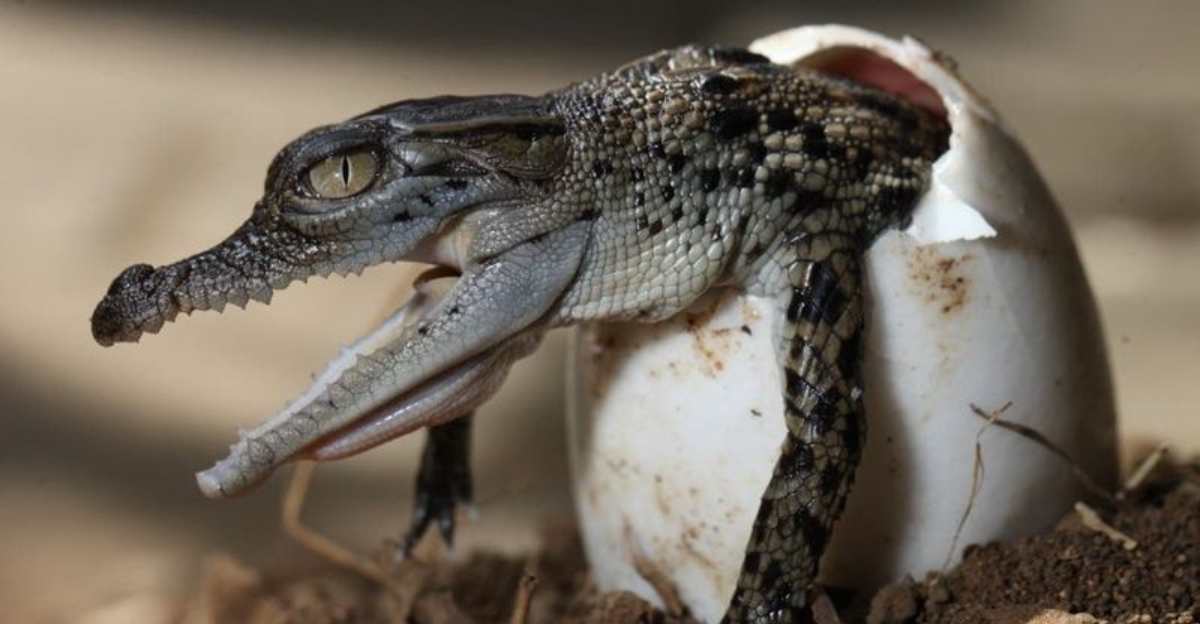
Every late August, Gatorama hosts its famous Gator Hatchling Festival, where visitors witness the miracle of baby alligators breaking free from their eggs. Watching these tiny prehistoric creatures emerge into the world is both adorable and slightly surreal.
The park offers various seasonal programs throughout the year, from educational workshops to special feeding demonstrations that showcase natural behaviors. These events provide deeper insights into reptile biology, conservation efforts, and the important role these animals play in Florida’s ecosystem.
Holiday-themed activities often pop up during major celebrations, adding festive flair to the usual gator-watching experience. Whether you visit during peak hatching season or a quiet weekday, there’s always something special happening at this quirky roadside gem.
Conservation And Education Mission
Behind all the fun and photo opportunities lies a serious commitment to wildlife conservation and public education. Gatorama participates in breeding programs for endangered species, including those American crocodiles that rarely reproduce successfully in captivity.
Staff members provide educational talks throughout the day, dispelling myths about alligators and crocodiles while highlighting their ecological importance. Kids learn that these aren’t mindless monsters but complex animals deserving of respect and protection.
The park also rescues problem alligators from residential areas, giving them sanctuary instead of euthanasia. This rehabilitation work saves countless reptiles while keeping Florida communities safe, proving that humans and wildlife can coexist with proper understanding and management.
Planning Your Visit: Practical Information
Gatorama sits at 6180 US 27 in Palmdale, Florida, about an hour northwest of West Palm Beach. The park welcomes visitors daily, though hours vary seasonally, so checking their website before your trip saves disappointment.
Admission prices remain reasonable compared to major theme parks, with discounts for children and annual passes available for repeat visitors. The gift shop stocks everything from gator-themed souvenirs to educational books, while picnic areas let families enjoy packed lunches.
Wheelchair-accessible pathways make most exhibits reachable for all guests, and shaded areas provide relief from Florida’s intense summer heat. Spring and fall offer the most comfortable weather for exploring, though the gators are most active during warmer months when their metabolism kicks into high gear.