
This California Coastal Village Is So Peaceful, Even Locals Don’t Want Tourists Finding It
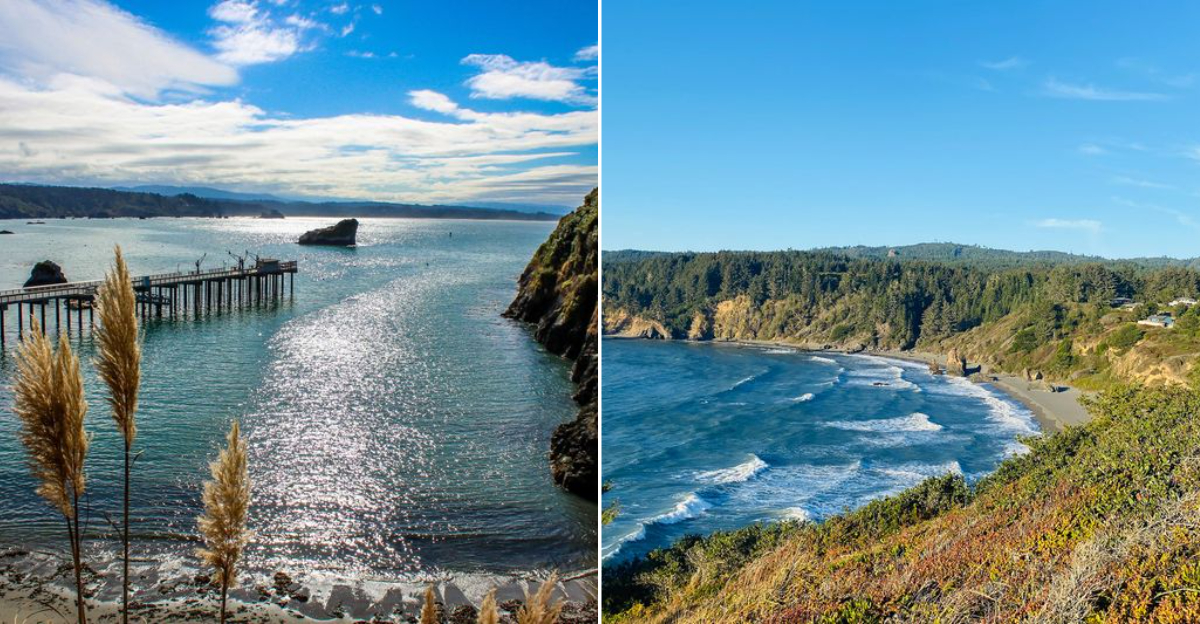
(I feel a pang of guilt even typing this.) There’s a tiny coastal town in Northern California so peaceful, so untouched, that the people who live there operate under a silent, binding agreement: Don’t tell anyone.
I’ve spent years exploring the jagged Pacific coastline, and this village-Trinidad-is the one place that truly feels like a secret handshake.
It’s a haven of redwood-scented air and fog-kissed docks. I’m risking my local standing by writing this, but some beauty is just too profound to keep hidden. Just promise me you’ll tread lightly.
Where And What Is Trinidad
Perched on rocky bluffs overlooking Trinidad Bay, this Northern California village feels like a secret nature kept from the modern world. Located in Humboldt County about eight miles north of the Arcata-Eureka Airport, Trinidad covers barely 0.67 square miles.
Roughly 300 to 324 people call this place home, depending on which census you consult. Sea stacks jut from the ocean like ancient guardians, while redwood forests crowd the hills behind town.
Trinidad earned its status as a Gateway City to the California Coastal National Monument, protecting offshore islands and coastal ecosystems. The landscape shifts between forested hillsides and dramatic coastal cliffs that make every sunrise worth waking up early for.
Roots And History That Shape Its Character
Long before European explorers arrived, the Yurok people established the village of Tsurai near these bluffs. Their deep connection to land and sea shaped this region for thousands of years, creating cultural traditions that still resonate today.
The area held profound significance for fishing, gathering, and spiritual practices that honored the Pacific’s bounty. During the 19th century, Trinidad became a bustling maritime hub where whaling ships, logging operations, and fishing fleets thrived. Sea trade brought commerce and growth to the harbor, transforming it into a vital coastal outpost.
Eventually, those industries declined, and Trinidad’s population shrank dramatically, leaving behind the quiet village that locals cherish now instead of the booming port it once was.
How Trinidad Has Managed To Stay Quiet
Trinidad’s isolation acts as its best defense against crowds. The town spans just 0.67 square miles with minimal businesses and zero chain hotels cluttering the landscape.
Geographic barriers like steep bluffs, rugged coastline, and limited road access make mass tourism logistically challenging for tour buses and large groups. Environmental protections provide another layer of defense. As part of the California Coastal National Monument, strict regulations govern development and land use throughout the region.
Marine reserves shelter seabird colonies and ocean habitats, while zoning restrictions prevent the kind of commercial sprawl that transformed other coastal towns. These protections ensure that Trinidad remains small, wild, and wonderfully undeveloped for generations who value nature over neon signs.
Why Locals Love It And Want To Keep It Low-Key
Natural splendor surrounds every corner of Trinidad, from sunrise-painted ocean vistas to offshore rocks where seals bask lazily. Wildlife abounds in these protected waters and forests, offering daily encounters with birds, marine mammals, and other creatures.
Redwood groves stand within minutes of downtown, creating a magical contrast between ancient forest and crashing waves. Life moves at what locals affectionately call coastal time, where neighborly waves replace honking horns and quiet mornings feel sacred.
Community events focus on shared traditions rather than tourist spectacles, keeping the authentic fishing and harbor culture alive. I visited one autumn morning and watched fishermen mending nets while chatting about weather patterns, a scene that felt impossibly rare in our rushed modern world.
Signs the Secret Is Leaking And What Could Change
Social media has become Trinidad’s biggest threat, with photographers and travel bloggers sharing its beauty to millions of followers. Trail guides now feature Trinidad prominently, and online searches for hidden California gems increasingly point visitors toward this once-obscure village.
Each stunning sunset photo posted online acts like a beacon drawing more curious travelers northward. Real estate pressure intensifies as wealthy buyers discover ocean-view properties in this pristine setting.
Limited housing supply drives prices upward, potentially pricing out longtime residents who maintain the town’s authentic character. Environmental challenges compound these concerns, with cliff erosion, storm damage, and habitat fragility threatening seabird colonies and marine ecosystems that make Trinidad special in the first place.
What Makes It Different From Other Coastal Villages
Scale sets Trinidad apart from famous coastal destinations like Mendocino or Big Sur, which boast far more restaurants, galleries, and lodging options. Trinidad’s tiny population and minimal commercial infrastructure create an atmosphere of genuine remoteness that larger towns lost decades ago.
You can count the businesses on two hands, and that’s exactly how residents prefer it. Preservation trumps commercialization here in ways rare along California’s coast. Public beaches and protected landscapes coexist with working fishing operations where locals still earn real livelihoods from the sea.
Souvenir shops remain blissfully absent, replaced by natural beauty and cultural authenticity that money cannot manufacture. Trinidad feels less like a tourist destination and more like a living community that happens to occupy spectacularly beautiful land.
Tips For Visiting Responsibly So It Stays Magical
Timing matters enormously when visiting Trinidad. Off-season weekdays bring fewer crowds and allow you to experience the village’s peaceful essence without overwhelming local resources.
Respect parking regulations near trailheads and beaches, as limited spaces fill quickly during peak times and illegal parking damages fragile coastal vegetation. Choose small inns or vacation rentals in established buildings rather than supporting new developments that threaten the town’s character.
Hike Trinidad Head, explore Trinidad State Beach, and watch for marine wildlife while treading lightly on sensitive ecosystems. Support local businesses by dining at family-owned restaurants and shopping at community stores. Avoid leaving trash, creating noise pollution, or venturing off designated trails.
The Harbor That Still Works For A Living
Unlike many California coastal towns where harbors became purely recreational, Trinidad’s marina remains a genuine working waterfront. Fishing boats depart before dawn to harvest crab, salmon, and rockfish from the cold Pacific waters.
Watching crews prepare gear and ice their catches offers a glimpse into an industry that shaped this coast for generations. Commercial fishing provides more than picturesque scenery for Trinidad. It sustains families, supplies local restaurants with fresh seafood, and maintains cultural traditions passed down through decades.
The harbor represents continuity between past and present, a living connection to the maritime heritage that built this village. Standing on the dock as boats return with their catch feels like witnessing history that refuses to become a museum exhibit, staying vibrantly alive instead.
Trinidad Head Trail And Its Breathtaking Views
Trinidad Head rises dramatically from the coastline, offering one of California’s most spectacular short hikes. The trail loops around the headland, providing 360-degree views of the Pacific, Trinidad Bay, and the rugged coastline stretching north and south.
Spring wildflowers carpet the slopes in purple, yellow, and orange blooms that contrast beautifully with the deep blue ocean. Seabirds nest on offshore rocks visible from the trail, while gray whales migrate past during winter and spring months.
The Tsurai Study Area at the trailhead honors the Yurok village that once thrived here, adding cultural depth to natural beauty. Strong winds often whip across the exposed headland, so bring layers even on sunny days when the temperature feels deceptively mild at sea level below.
Redwood Forests Meet The Pacific Ocean
Few places on Earth offer the magical combination of ancient redwoods growing within sight and sound of ocean waves. Trinidad sits at this rare ecological intersection where coastal fog nourishes towering trees that can live over 2,000 years.
Walking from beach to forest takes minutes, yet feels like traveling between completely different worlds separated by millennia. Patrick’s Point State Park lies just minutes south, protecting old-growth redwood groves alongside tide pools and coastal bluffs.
The trees create cathedral-like spaces where sunlight filters through needles hundreds of feet overhead, while the constant whisper of wind through branches mingles with distant surf. Unique ecosystem exists in only a narrow band along Northern California’s coast, making Trinidad’s position especially precious for nature lovers.
Marine Wildlife Sanctuary Right Offshore
Trinidad’s offshore waters teem with protected marine life that thrives in the cold, nutrient-rich Pacific currents. Harbor seals haul out on rocks near shore, their barking calls echoing across the bay during pupping season.
Sea lions gather in rowdy colonies, while gray whales pass during their epic migrations between Alaska and Mexico each year. Seabird colonies nest on offshore rocks that form part of the California Coastal National Monument, protected from human disturbance.
Puffins, murres, cormorants, and gulls raise their young on these rocky islands each spring and summer. Marine reserves restrict fishing in certain zones, allowing ecosystems to recover and flourish. Watching this abundance of wildlife costs nothing but patience and binoculars, offering better entertainment than any theme park could manufacture.
Looking Ahead And Whether The Magic Will Last
Trinidad faces challenging questions about balancing tourism revenue with preservation of the character that makes it special. Town leaders work with the Coastal Commission and environmental groups to craft zoning policies that prevent overdevelopment while allowing sustainable economic activity.
Community meetings reveal passionate debates about how much growth Trinidad can absorb before losing its soul. Climate change poses existential threats through sea level rise, increased storm intensity, and coastal erosion that already claims chunks of bluff each winter. Infrastructure improvements must happen without destroying the village’s small-scale charm and natural beauty.
Whether Trinidad’s magic survives depends on residents’ determination to protect what they love and visitors’ willingness to respect a place too precious to ruin through careless enthusiasm or selfish development schemes.