
Vermont’s Tiny Village Bakery Still Turning Out Pies Just Like Grandma Made
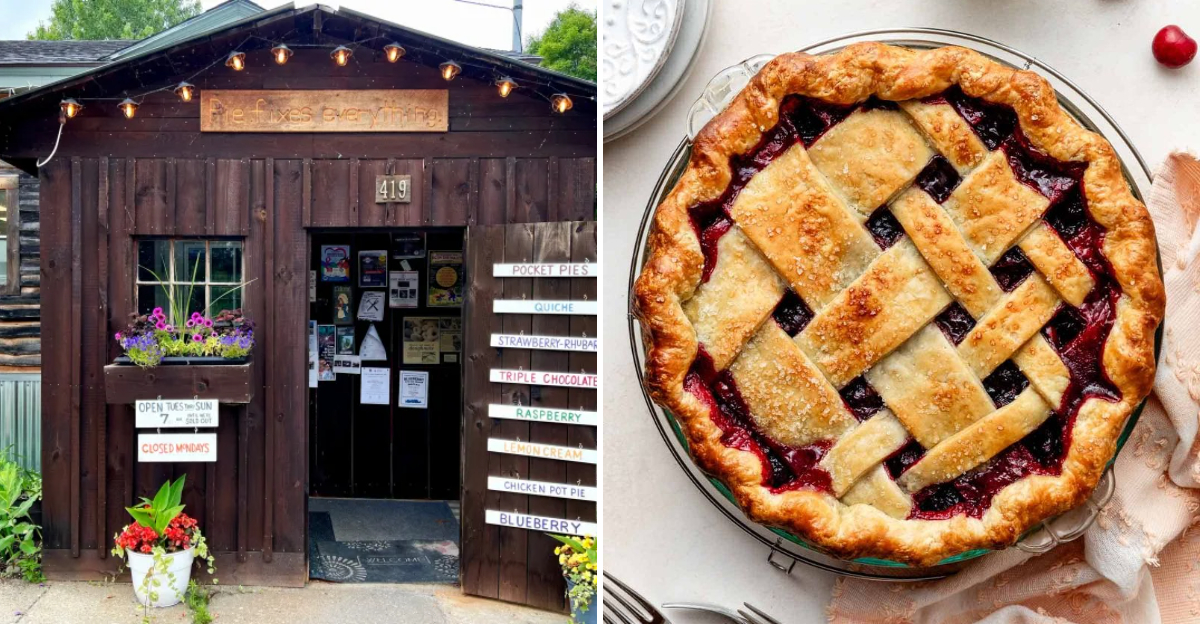
I’ll never forget the day I discovered Poorhouse Pies in Underhill, Vermont, a tiny roadside bakery that locals have cherished for decades.
Long before I opened my car door, the smell of cinnamon and butter floated through the crisp mountain air, pulling me in.
This humble spot may be smaller than a garage, but it’s been baking pies the old-fashioned way for years—and people drive from all over New England just to taste a slice of its homemade heaven.
A Tiny Roadside Bakery With A Big Reputation
Blink and you might miss it. Seriously, this bakery is smaller than most people’s garages, but its reputation stretches clear across New England.
Word-of-mouth brought me here on a rainy Tuesday, and I watched cars from three different states pull up within an hour. The building looks like someone’s converted garden shed, complete with peeling paint and a hand-lettered sign that’s seen better decades.
But size doesn’t matter when your pies taste like childhood memories. Locals treat this spot like a sacred secret they’re proud to share. The parking area holds maybe four cars, so people just pull onto the grass and hope for the best.
Inside, there’s barely room to turn around, but that cozy chaos is part of the charm that keeps customers coming back season after season.
Handmade Pies Baked Fresh Every Morning
Rolling pins start moving before the sun comes up. The baker arrives at 4 a.m. to get the first batch of pies in the ovens, working by the glow of overhead lights while the rest of the village sleeps.
Everything here is made by hand, from crimping the crusts to peeling mountains of apples. No industrial mixers or conveyor belts, just flour-dusted counters and the rhythmic thump of dough being worked. I watched through the window once and counted twelve pies cooling on wire racks before 8 a.m.
By noon, half of them are already gone. The morning ritual hasn’t changed in over thirty years, and regulars can set their watches by the smell of butter pastry drifting down the road at sunrise.
Flavors That Change With Vermont’s Seasons
Spring brings rhubarb so tart it’ll make your face scrunch up in the best possible way. Come summer, blueberry and strawberry pies appear like clockwork, bursting with fruit picked from nearby farms.
Fall is when things get serious with apple varieties you’ve never heard of, plus pumpkin that actually tastes like squash instead of just spice. Winter means mincemeat for the traditionalists and cranberry-walnut for the adventurous. The menu board changes so often they just use chalk now.
I’ve learned to ask what’s fresh that week instead of planning ahead. Last October, I scored a maple-pear combination that still haunts my dreams. The seasons dictate everything here, and that connection to the land makes each bite taste more authentic.
The Honesty Box: Pay-As-You-Go Tradition
Nobody stands behind a register here. Instead, there’s a dented metal box with a slot on top and a handwritten price list taped beside it.
You grab your pie, leave your cash or check, and make your own change if needed. I tested this system my first visit, half-expecting someone to chase me down, but the baker just waved from the kitchen window. Apparently, this honor system has worked for decades with remarkably few problems.
Sure, someone probably short-changes them occasionally, but most folks leave extra as a tip. I’ve seen people stuff twenties in there for ten-dollar pies. It’s a beautiful reminder that trust still exists in small corners of the world, and it makes you want to be worthy of that faith.
From Classic Apple To Inventive Local Creations
Traditional apple pie here isn’t just good, it’s the standard by which I now judge all other apple pies. The crust shatters when you bite it, and the filling has that perfect balance of sweet and tangy.
But then you notice the wild cards on the menu. Last month they had a cheddar-apple combo that sounded wrong but tasted like genius. There’s usually one oddball flavor that makes you raise an eyebrow, featuring ingredients from neighboring farms or foraged from the woods.
I’ve tried maple-bacon-apple, which was ridiculous in the best way, and a savory tomato pie that could’ve been a meal. The baker experiments without losing sight of what makes a great pie great, and that balancing act keeps the menu exciting without getting gimmicky.
A Beloved Stop For Travelers And Neighbors Alike
Leaf-peepers discover this place by accident and immediately text their friends the location. Tour buses can’t fit down the narrow road, which keeps things pleasantly uncrowded even during peak tourist season.
But the real magic happens when you see neighbors stopping by. Mrs. Henderson picks up her weekly berry pie every Thursday like clockwork. The guy who plows the roads in winter always grabs two and leaves one on the counter for whoever needs it.
I’ve watched strangers become friends while waiting for the next batch to cool. Everyone shares recommendations and argues good-naturedly about which flavor reigns supreme. It’s part bakery, part community center, and entirely essential to the village’s social fabric in ways that go beyond just selling dessert.
Grandma-Style Baking That Feels Like Home
Forget Instagram-perfect lattice work and fancy decorations. These pies look like someone’s grandmother made them in a farmhouse kitchen, because that’s essentially what’s happening.
The crusts are uneven in that handmade way that tells you real human hands shaped them. Some edges are thicker than others, and the top crusts crack naturally as they bake. There’s no pretense here, no attempt to compete with professional pastry chefs.
What you get instead is authenticity that tastes like Saturday mornings at your grandparents’ house. The recipes come from stained index cards and decades of muscle memory. I asked once about measurements, and the baker just laughed and said she goes by feel. That’s the kind of cooking you can’t learn from cookbooks or culinary school.
Keeping Tradition Alive One Slice At A Time
Chain bakeries can’t replicate what happens here. They’ve got efficiency and consistency, but they’re missing the soul that comes from one person caring deeply about every single pie.
The current baker learned from the previous owner, who learned from her mother, creating an unbroken line of pie wisdom stretching back generations. Younger folks are starting to appreciate what might be lost if places like this disappear. I’ve seen teenagers bring their friends here like they’re sharing a precious secret.
Each pie sold is a small act of resistance against homogenization and corporate blandness. This bakery proves that slow, careful craftsmanship still has a place in our rushed modern world, and people will seek it out when it’s done with genuine love and skill.