
15 Massachusetts Dinner Table Rules From The 1960s That Would Confuse Today’s Kids
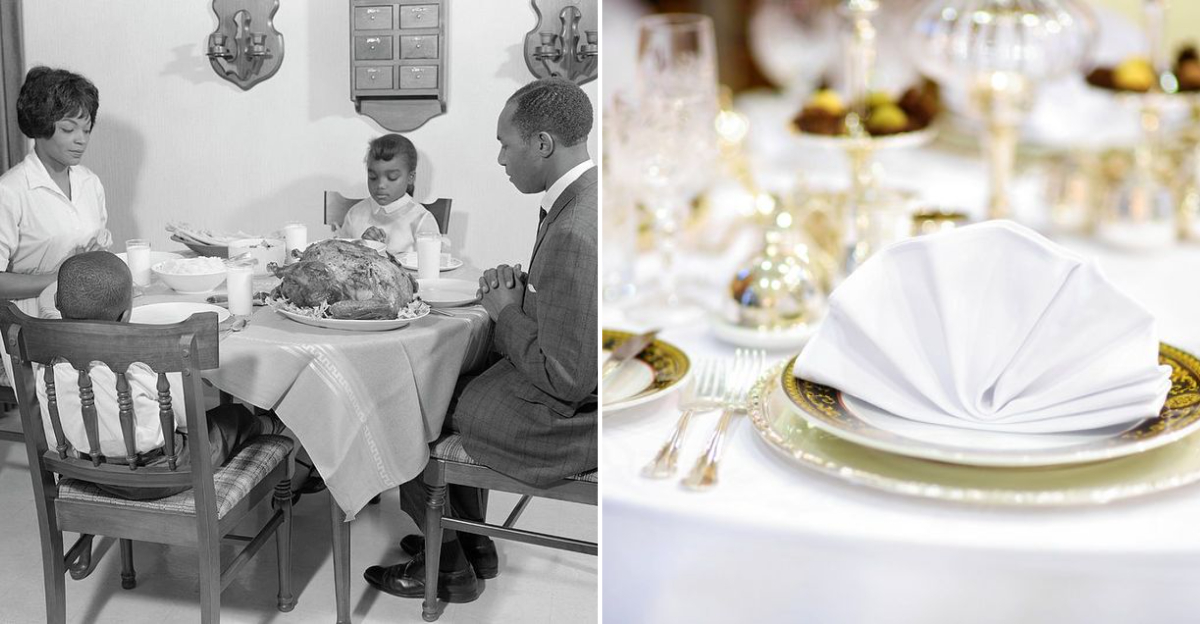
Growing up in Massachusetts during the 1960s meant sitting down to dinner with a whole rulebook nobody wrote down but everyone followed.
My grandmother ran her kitchen like a benevolent general, and breaking protocol meant facing her raised eyebrow of doom.
These weren’t suggestions; they were commandments handed down through generations of Yankee families who believed table manners built character.
Kids today, however, would stare in total bewilderment at the rituals we performed nightly around that Formica table.
1. Say Grace First
Hands folded tight, eyes squeezed shut, and mouths clamped silent. My family never touched a fork until someone said a short prayer over pot roast and boiled potatoes.
Amen was the starting gun. Before that blessed word escaped someone’s lips, forks stayed put like soldiers at attention.
Catholic, Protestant, or just plain polite, most families honored this pre-meal pause. Kids learned early that gratitude came before gravy, and patience stretched longer than green beans on your plate.
2. Meatless Friday
Catholic households in Massachusetts treated Fridays like a second Lent. Meat vanished from menus on Fridays, and in 1966, the U.S. bishops lifted the obligation to abstain from meat on most Fridays outside Lent, but habits stuck around longer than the rule.
Fish sticks, tuna noodle casserole, and thick clam chowder rotated through the week like clockwork. Nobody questioned it because the parish calendar outranked personal preference.
My mother could stretch a can of tuna three ways, and we ate every bite without complaint because that was simply how Fridays worked.
3. Fixed Supper Time
Dinner arrived with the precision of a train schedule. In my neighborhood, 5:30 or 6 o’clock sharp meant coats hung, hands washed, and bodies in chairs.
No straggling in at 6:15 with excuses about baseball practice. The bell rang, metaphorically speaking, and you answered or faced cold meatloaf.
Families synchronized their lives around that sacred hour. Mothers timed casseroles, fathers left work on the dot, and kids sprinted home because tardiness earned disappointed sighs that stung worse than any lecture.
4. No TV, No Radio
Entertainment devices went silent the moment forks hit plates. Red Sox games, soap opera cliffhangers, and Top 40 hits all waited until dishes cleared.
Conversation filled the space instead. Parents asked about spelling tests, siblings bickered over who got the bigger pork chop, and actual human voices created the soundtrack.
I remember my dad physically turning the radio knob to off, a daily ritual that signaled mealtime mattered more than whatever Connie Francis was crooning about on WMEX.
5. Hats Off At The Table
Caps, beanies, and church hats never crossed the threshold between hallway and dining room. Respect started at the scalp and worked its way down.
My brother tested this rule exactly once, keeping his Red Sox cap on through grace. My father’s glare could have melted butter from across the table.
Boys learned fast that covered heads belonged outdoors. Girls who wore Sunday hats knew to hang them before sitting down, because manners mattered as much as the meal itself.
6. Napkin In Lap Immediately
Cloth or paper, that square of fabric found its home on your lap before the first bite traveled forkward. Crumbs belonged nowhere near the linoleum.
Gravy drips, butter smears, and rogue peas all met their match in a properly placed napkin. Shirts stayed clean, mothers stayed happy, and everyone understood the system.
Forgetting meant a gentle reminder from whoever sat closest. We tucked those napkins like we were protecting state secrets, because stains were basically dinner table failures nobody wanted to own.
7. Elbows Off, Sit Up Straight
Slouching was for sofas, not supper. Chairs scooted close, spines stretched tall, and elbows lived anywhere except the table surface.
My grandmother could spot a hunched shoulder from three rooms away. Her gentle tap between the shoulder blades straightened posture faster than any chiropractor.
Proper alignment supposedly aided digestion, but really, it separated civilized eaters from barnyard animals. Posture mattered as much as peas, and both got equal enforcement around our table every single night.
8. Adults Served First
Hierarchy ruled the serving order like an unspoken caste system. Dad often wielded the carving knife, Mom spooned vegetables, and kids exercised patience they didn’t know they possessed.
Plates moved clockwise from the head of the table. Hunger pangs had to wait while grown-ups got their portions first, no exceptions.
This wasn’t cruelty, just order. Respect flowed through serving spoons, and children learned their place in the family structure one passed platter at a time.
9. Clean Plate Club
Vegetables vanished under fork patrol, whether you liked them or not. Wartime thrift lingered long after rationing ended, and wasting food ranked somewhere between fibbing and tracking mud indoors.
Dessert arrived only after the plates showed porcelain. Brussels sprouts tasted better when chocolate pudding waited on the other side of suffering.
My grandmother survived the Depression, so her clean plate expectations carried the weight of history. We ate every last lima bean because somewhere, someone had gone hungry.
10. No Snacking Before Supper
The kitchen closed tighter than Fort Knox an hour before mealtime. Cookie jars became off-limits, apple slices vanished from possibility, and hunger built character.
Appetites showed up on time, unspoiled by contraband crackers. Mothers guarded their cooking schedules like military operations, and snack requests met swift denial.
I learned to time my after-school hunger carefully. Arriving home at 4:30 meant maybe a small something, but 5 o’clock onward meant you waited and appreciated dinner properly when it finally appeared.
11. Milk For Kids, Coffee For Grown-Ups
Beverage assignments were as fixed as Social Security numbers. Kids got cold milk in sturdy tumblers, adults got hot coffee after the main course cleared.
Nobody crossed these lines. Asking for coffee as a ten-year-old would have earned the same response as requesting champagne.
Milk built strong bones, according to every mother in Massachusetts. Coffee stunted growth and belonged exclusively in grown-up territory, appearing steaming and aromatic only after dishes started their journey to the sink.
12. No Reaching, Ask To Pass
Arms never stretched across the table like drawbridges. Proper procedure involved vocal cords, not overextended limbs.
The magic phrase worked every time. Please pass the salt, please pass the butter, please pass anything within someone else’s easier reach.
Reaching marked you as uncivilized. I watched my father stop mid-chew once to correct my grab for the bread basket, teaching me that patience and politeness beat convenience every single dinner.
13. Salt And Pepper Travel Together
Shakers moved as an inseparable duo, like Fred Astaire and Ginger Rogers of the condiment world. Splitting the set violated some unwritten law of proper table conduct.
Even if you only wanted salt, pepper tagged along for the ride. Manners class taught this pairing principle, and Massachusetts families obeyed without question.
My mother kept matching ceramic shakers shaped like tiny lighthouses. They traveled the table together so often they probably knew each other’s life stories by the end of each meal.
14. Polite Topics Only
Good cheer trumped gross details every time. Money troubles, bathroom humor, and medical mishaps stayed far away from the meatloaf.
Pleasant conversation kept digestion smooth and tempers even. Politics got dicey, but weather, school achievements, and upcoming weekend plans sailed through without incident.
My uncle once started describing his ingrown toenail surgery during Sunday dinner. My grandmother shut him down faster than a faulty circuit breaker, redirecting the conversation to my cousin’s spelling bee victory instead.
15. Kids Speak When Invited
Children mastered the art of listening first, speaking second. Stories emerged between bites only when adults opened the conversational door.
This wasn’t silencing, just turn-taking. Kids absorbed grown-up discussions about work, neighbors, and news, learning how conversations flowed before jumping into the current.
I remember sitting quietly through entire meals sometimes, fork moving steadily while adult voices swirled overhead.
When someone finally asked about my day, I had their full attention because I’d earned it through patience.